Tag

Mood Disorders

All articles tagged with #mood disorders

health2 months ago

Daylight Saving Time: Impact on Health, Productivity, and Sleep Cycles

Changing clocks for daylight saving time can negatively affect health, increasing risks of heart attacks, strokes, mood disorders, and traffic accidents, especially when clocks are moved forward in spring, due to disruption of circadian rhythms and sleep patterns. The autumn shift appears less harmful, but still has some risks. Overall, the health benefits of DST are questionable, and some experts suggest eliminating it altogether.

health1 year ago

"Metairie Depression Treatment Clinic Expands to Baton Rouge"

NeuroJust, a Metairie-based clinic specializing in transcranial magnetic stimulation (TMS) for depression, has expanded to Baton Rouge, offering noninvasive treatment for mood disorders. TMS, approved by the FDA in 2008, involves using magnetic pulses to stimulate nerve cells in the brain region associated with depression. The clinic's TMS treatment sessions, overseen by a board-certified psychiatrist, offer minimal side effects and allow patients to resume normal activities immediately after 20-minute sessions.

health2 years ago

The Impact of Sleep on Mental Health: Unveiling the Connection

A new study analyzing 50 years of research reveals that sleep loss, whether it's total sleep deprivation, partial sleep loss, or sleep fragmentation, can significantly impact mood and mental health. The study found that sleep loss reduces positive mood and increases feelings of anxiety. Poor sleep has been linked to an increased risk of obesity, heart disease, dementia, and mood disorders. Despite the risks, a significant percentage of adults have a daily sleep debt. The research emphasizes the strong connections between mental health and sleep, highlighting the need for individuals to prioritize sleep as an important act of self-care.

science2 years ago

The Surprising Link Between Sleep Deprivation and Mood Improvement

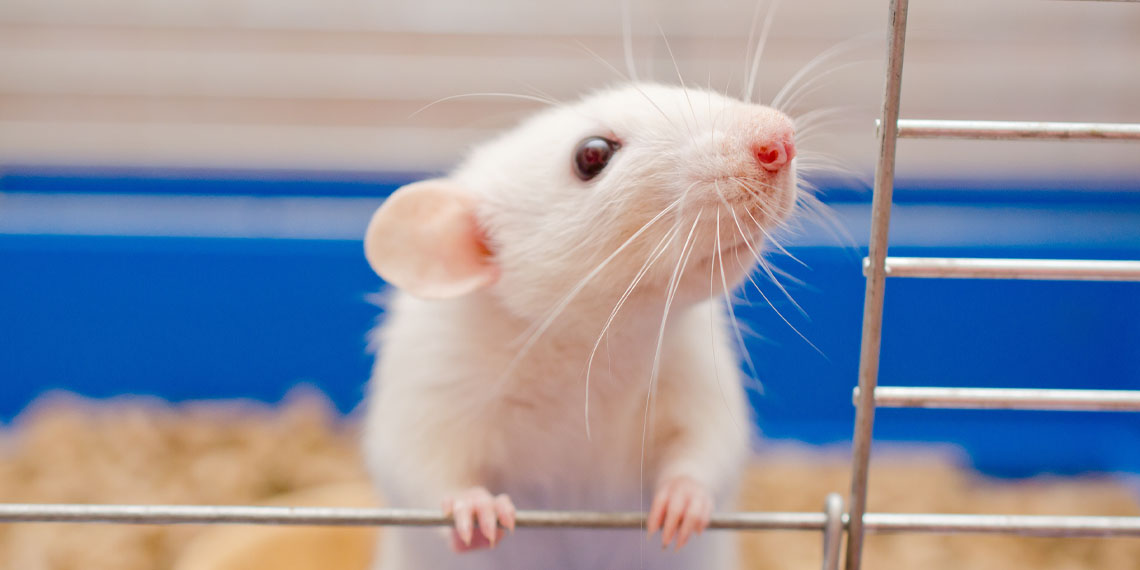
Scientists at Northwestern University have discovered that acute sleep deprivation in mice can lead to a rapid release of dopamine in the brain, resulting in hyperactivity and temporary antidepressant effects. The study aimed to understand the role of dopamine in mood disorders and found that different brain regions were associated with specific effects of sleep deprivation. The research also revealed enhanced neuroplasticity in the brain, which may explain why the antidepressant effect of sleep deprivation can last for several days. While the study provides insights into the brain's response to sleep deprivation, the authors caution against chronic poor sleep and emphasize the need for better therapeutics for mood disorders.

health2 years ago

"Surprising Aggression Side Effects of Ketamine Revealed in Early Life Stress Rodent Models"

New research published in Behavioral Neuroscience reveals that ketamine, a potential treatment for psychiatric disorders such as PTSD, depression, and anxiety, can increase aggression in rodent models of early life stress. The study found that while ketamine did not significantly affect other behavioral measures related to mood disorders, such as fear memory, anxiety-like behavior, and depression-like behavior, it specifically heightened aggressive behavior. These findings highlight the need for caution and further investigation before prescribing ketamine, especially in cases associated with early life traumatic experiences. However, the study was conducted in mice, and more research is needed to determine the direct applicability to humans.

mental-health2 years ago

The Lingering Impact of Mood Disorders on Speech Understanding

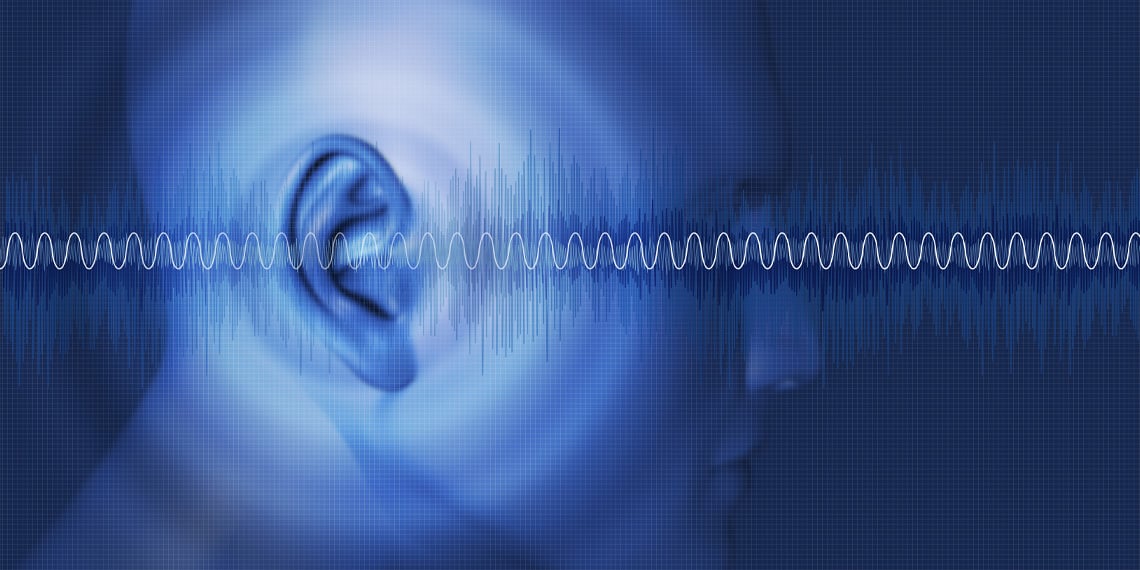
A study published in The Journal of Neuropsychiatry and Clinical Neurosciences suggests that individuals with mood disorders, such as bipolar disorder and depression, have impaired speech understanding even when in remission. The research found that both bipolar disorder and unipolar depression were associated with worsened speech understanding compared to control subjects, regardless of whether the participants were symptomatic or in remission. The findings highlight the potential impact of mood disorders on communication and social difficulties, particularly in noisy environments. However, the study has limitations, such as not measuring general cognition and the influence of pharmacological interventions on the results.

health2 years ago

Unlocking Mental Illness Treatment: The Potential of Amish Genes

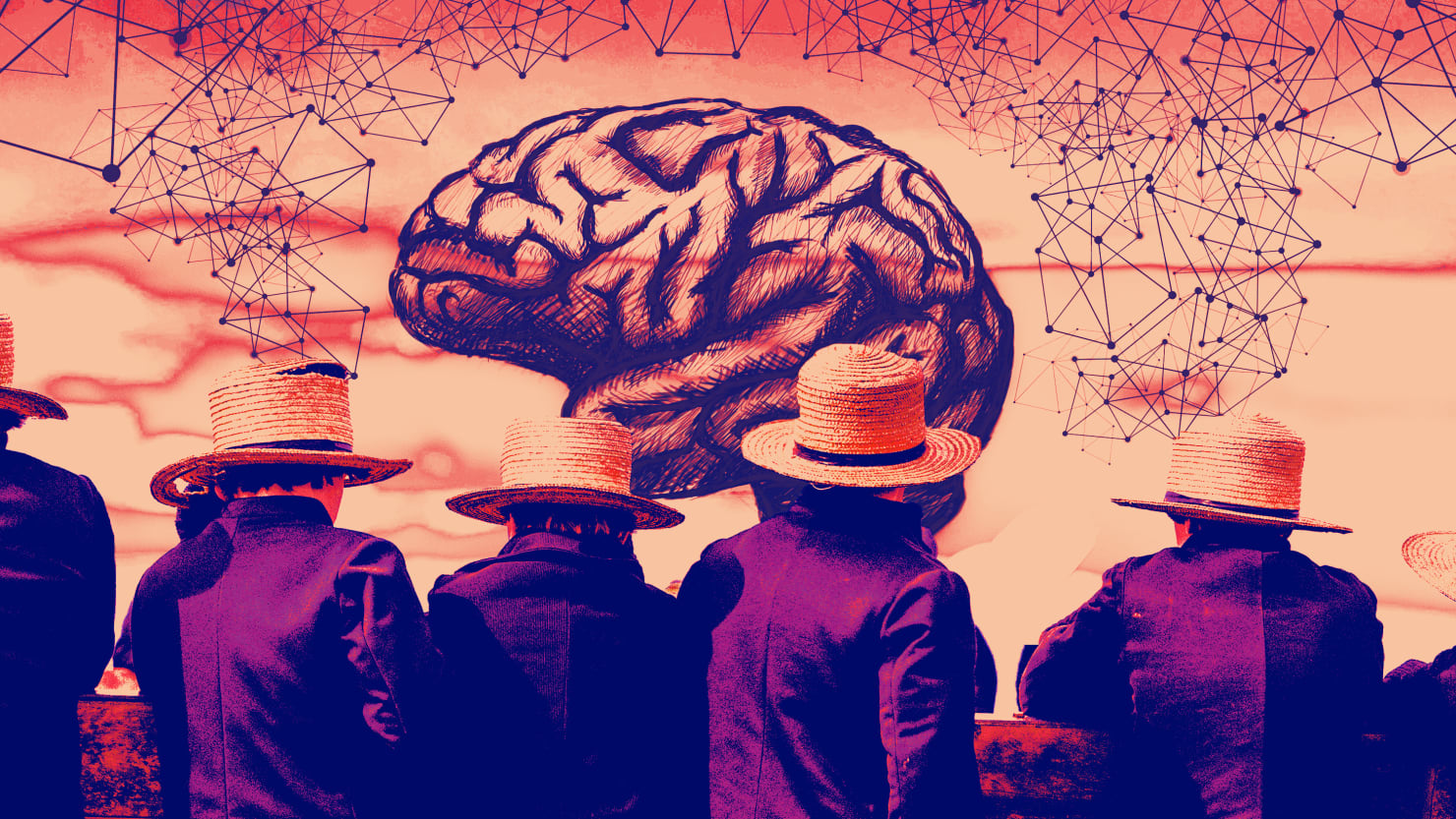
Researchers studying the Amish community in Lancaster, Pennsylvania, have made significant breakthroughs in understanding the genetic causes of mental illnesses such as depression and bipolar disorder. The Amish, who are considered a "founder population" due to their limited genetic variation, have provided valuable insights into the genetic architecture of these disorders. The studies have identified specific genetic variations associated with mood disorders and have the potential to lead to more precise treatments. The Amish community actively participates in these studies, recognizing the value of their genetics to the broader population. The research is conducted with sensitivity and confidentiality, and the participants are treated well. The findings may have implications for the broader population and contribute to the development of new drugs.

science2 years ago

"Botox: A Surprising Solution for Depression and Anxiety, According to Experts"

Research suggests that botulinum toxin injections, commonly known as Botox, may have a positive impact on mood disorders such as depression and anxiety. Studies have shown that these injections can lead to significant improvements in symptoms, comparable to antidepressant medications, with fewer side effects. The injections may disrupt the connection between muscle memory and psychological state, resulting in therapeutic effects for those prone to depression or anxiety. Additionally, MRI scans have shown that botulinum toxin injections can decrease activity in the amygdala, the brain region associated with negative emotions. While some psychologists remain skeptical, proponents argue that the injections offer advantages over traditional treatments, such as fewer side effects and no interactions with other medications. However, the mood-enhancing effects are temporary and require regular injections.

health2 years ago

The Link Between C-Reactive Protein Levels and Mood Disorders: A Retrospective Study Reveals Insights

A retrospective study examined C-reactive protein (CRP) levels in individuals with unipolar and bipolar depression. The study found that higher CRP levels were associated with longer illness duration, earlier age of onset, and an eveningness chronotype. Lower body mass index was linked to lower levels of a specific type of CRP, while high blood pressure and abnormal blood fat levels were associated with higher levels of this CRP. The findings suggest a potential role for CRP in the development of conditions like high blood pressure and highlight the importance of considering neuroinflammatory patterns in grouping depressed patients for more targeted treatment approaches. However, the study's limitations include a moderate sample size and the inability to establish causal relationships or track changes over time. Further research is needed to explore the relationship between CRP levels and mood disorders.

health2 years ago

The Evolution of Testosterone's Impact on the Brain from Adolescence to Adulthood

A study published in Developmental Science suggests that the function of testosterone changes within individuals across adolescence and adulthood. Higher testosterone levels during adolescence are associated with increased involvement of the brain's anterior prefrontal cortex (aPFC) in emotion control, but the opposite effect occurs during adulthood. The findings suggest that alterations in the interactions between testosterone and the brain may be related to mood disorders that tend to arise during adolescence.

health2 years ago

The Impact of Worsening Allergy Seasons on Mental and Physical Health.

Studies suggest that there is a link between seasonal allergies and mood disorders like anxiety and depression. Allergies can affect our sleep, energy levels, sense of smell, mental sharpness, and productivity, which can affect our mental well-being. Chronic inflammation caused by allergies can also contribute to mood disorders by releasing cytokines that activate areas of the brain that regulate depression and anxiety. Patients should speak with their doctor about their symptoms and allergy medications, as certain medications can affect mood.

health2 years ago

Anxiety and Mood Disorders Worsen Alcohol Symptoms, Study Finds.

People with anxiety and major depressive disorders experience more alcohol-related symptoms than those without, even at the same levels of drinking. This finding may explain why those with anxiety or mood disorders are at greater risk of developing an alcohol use disorder. The study highlights internalizing disorders as a previously unidentified marker of a specific alcohol-related harm paradox, indicating the need for modifying “safe” drinking recommendations for people with anxiety or mood disorders. The co-occurrence of these conditions may reflect shared neurobiological mechanisms, which raises the risk of developing the other in the future.

health2 years ago

Contaminants in Drinking Water Linked to Autism and Health Risks

A study of 52,706 children in Denmark has found a link between higher levels of lithium in drinking water and an increased risk of autism spectrum disorder (ASD). While the study does not prove that lithium causes autism, it is the first time such a link has been identified. Lithium is a naturally occurring element and a medication used to treat mood disorders. The metal typically enters drinking water through the weathering of minerals underground. The study's authors have called for further research to be conducted to investigate the relationship between lithium and autism.