A rare case of welder's anthrax in Louisiana was successfully treated with the monoclonal antibody obiltoxaximab, marking the first clinical use of this treatment for the condition, which is often fatal. The patient showed rapid improvement after receiving the drug alongside standard antimicrobial therapy, highlighting the potential of antitoxin treatments for this rare disease.
The University of Virginia has received funding to conduct a clinical trial for a groundbreaking monoclonal antibody developed to treat sepsis, a deadly infection affecting millions worldwide, with potential applications for other inflammatory conditions.
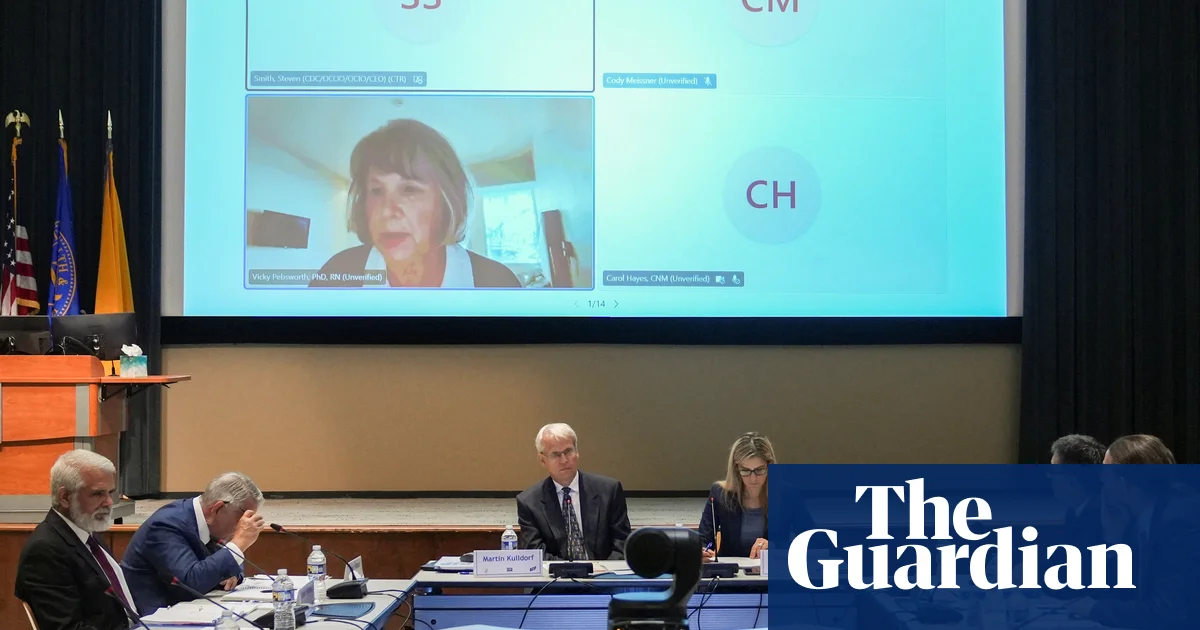
RFK Jr’s vaccine advisory panel recommended the new monoclonal antibody treatment, clesrovimab, for infants to prevent RSV, despite controversy over panel composition and vaccine ingredients; the treatment aims to protect the most vulnerable infants during RSV season, with evidence showing it reduces hospitalizations.
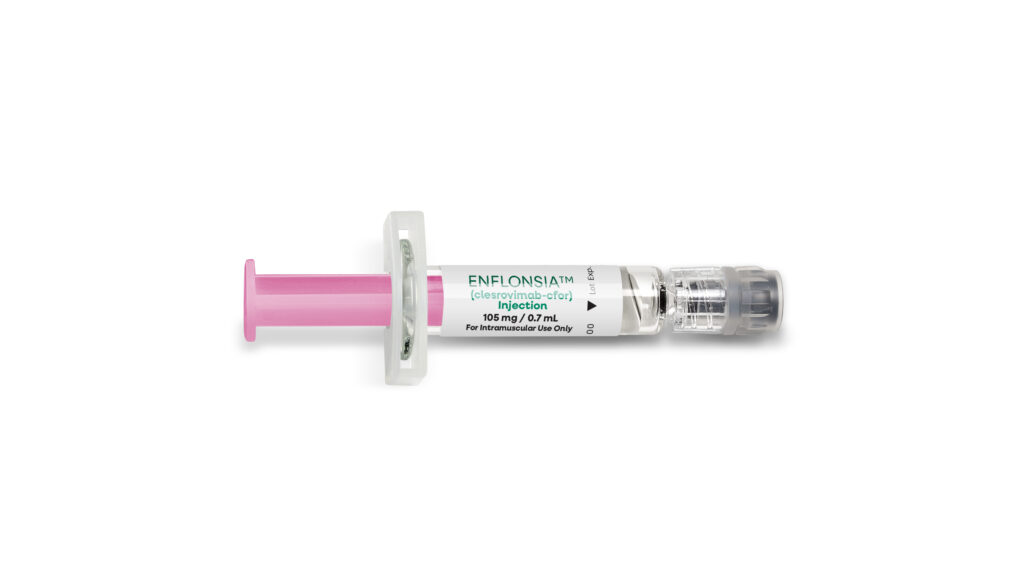
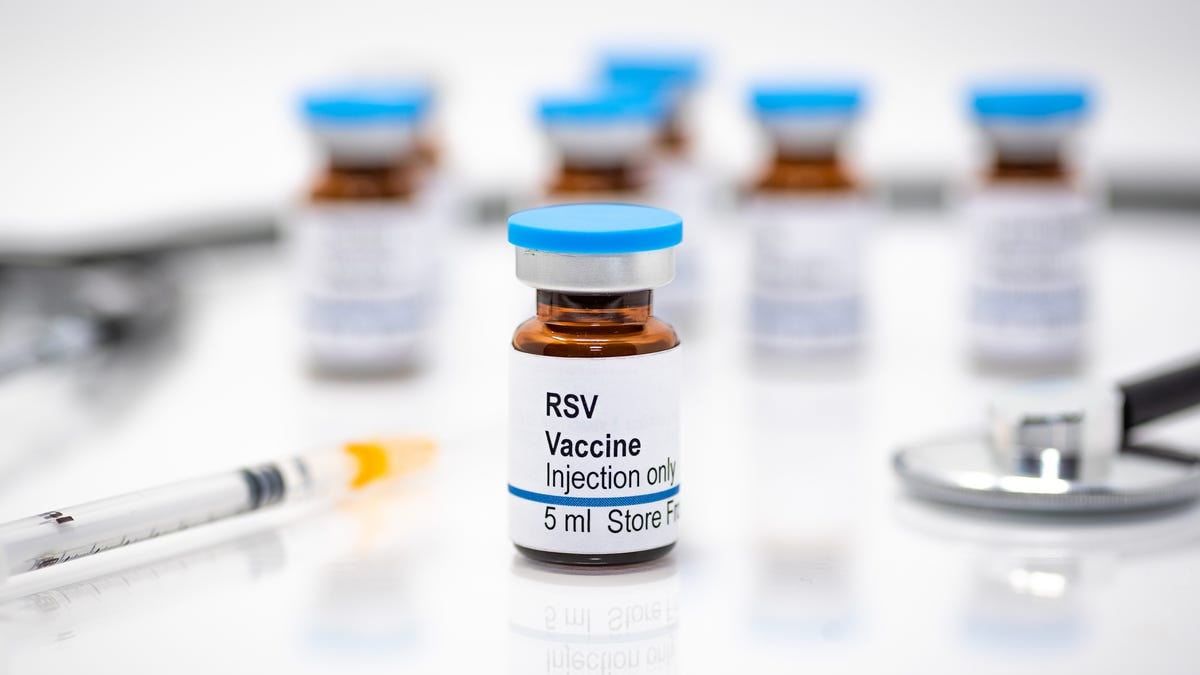
CDC vaccine advisers recommend Merck’s new monoclonal antibody, Enflonsia, for infants under 8 months to prevent RSV, showing significant effectiveness in reducing hospitalizations, though the recommendation awaits final approval amid some debate over clinical trial data.
The CDC's vaccine advisory panel recommended a new monoclonal antibody shot for infants under 8 months to protect against RSV, with final approval pending CDC director and HHS Secretary sign-off. The panel also discussed updates to childhood immunization schedules and reviewed COVID-19 vaccine data, emphasizing ongoing safety monitoring and the impact of vaccines on public health.
The FDA has approved Merck's ENFLONSIA, a monoclonal antibody for preventing RSV lower respiratory tract disease in infants during their first RSV season, offering a single, weight-independent dose providing protection for about 5 months based on clinical trial success.
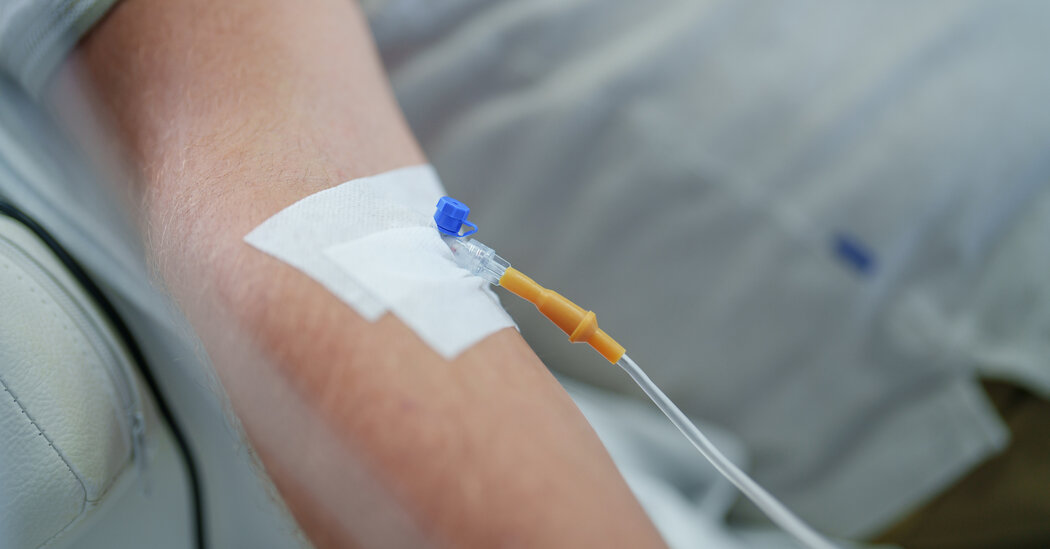
The FDA has authorized Pemgarda, a new monoclonal antibody infusion, for emergency use in immunocompromised individuals aged 12 and older who are unlikely to mount an adequate immune response after vaccination. This includes those who have received organ transplants or are undergoing cancer treatment. Pemgarda will be available in the next week or two and is administered as an infusion in healthcare settings. The drug aims to protect a small but vital group of individuals who are most at risk from Covid-19.
Due to a drug shortage and a rise in cases of respiratory syncytial virus (RSV) in infants, health officials have revised their recommendations for RSV shots. The Centers for Disease Control and Prevention (CDC) now advises prioritizing higher doses of the monoclonal antibody shot for babies younger than six months and infants with underlying conditions. Parents of children aged 8 to 19 months should consider another monoclonal antibody, palivizumab, if eligible. The CDC's tightened recommendations come as RSV cases spike nationwide, primarily in the southeastern U.S. The drug shortage has led to delays in administering RSV shots, which are crucial in preventing severe disease in infants.
The Centers for Disease Control and Prevention (CDC) has recommended rationing Sanofi's Beyfortus, a monoclonal antibody product used to protect infants from respiratory syncytial virus (RSV), due to shortages. The CDC advises prioritizing available doses for infants under 6 months and those with underlying health conditions at higher risk of severe illness from RSV. The shortage is attributed to high demand and limited manufacturing capacity. The CDC also recommends alternative options, such as Pfizer's Abrysvo vaccine for pregnant individuals and the use of Synagis for eligible children in the 2023-24 season. RSV is a common cause of hospitalization in infants, and while RSV deaths are not common in the US, pediatric hospitals are overwhelmed with RSV cases each year.
Lecanemab, a monoclonal antibody targeting amyloid beta, has received accelerated FDA approval for the treatment of Alzheimer's Disease (AD) due to its demonstrated efficacy in reducing amyloid beta plaques. It has now transitioned to traditional approval, making it a promising treatment option for AD. Lecanemab has shown a reduction in amyloid beta plaques and has fewer reported adverse effects compared to aducanumab. It is covered by Medicare and Medicaid, but patients may still face financial burden due to out-of-pocket costs. Lecanemab provides hope for patients and caregivers seeking a treatment for AD.
The CDC's vaccine advisory committee is considering recommending Pfizer's maternal RSV vaccine, which gained FDA approval in August, to provide additional protection against the virus for infants. If approved, it would be the second tool available to protect infants against RSV, which causes thousands of hospitalizations and deaths in children under 5 each year. The maternal vaccine may be easier to distribute as it can be administered during pregnancy, but some pregnant individuals may miss the window for vaccination. An alternative option is the monoclonal antibody, which is ideal for babies who cannot receive the maternal vaccine. The rollout of the monoclonal antibody may be more challenging due to billing processes. Some infants may be candidates for both shots. In other news, Rep. Morgan Griffith supports allowing Medicare to negotiate drug prices through a competitive bidding process, and the Senate HELP Committee has advanced a package to bolster primary care access. FDA Commissioner Robert Califf is on a global tour, meeting with health officials in India and Singapore. The Reagan-Udall Foundation plans to release a report on how the FDA can combat misinformation effectively, and Steve Tilton has been named the new head of federal advocacy for PhRMA.
The Biden administration is allocating $1 billion for midstage COVID-19 vaccine trials, $300 million for the development of a new monoclonal antibody for immunocompromised individuals, and $100 million to explore new technologies to prevent and treat COVID-19. The funding will support smaller biotech companies in conducting clinical trials and expand investments in new technologies. The administration aims to be prepared for future challenges posed by the virus. More funding allocations will be announced before September 30th.
Experts predict that this year's RSV season will occur at the typical time, but case numbers may be high if people utilize newly available tools to prevent RSV. RSV is a common virus that causes cold-like symptoms but can be severe for young infants and the elderly. Last year, RSV cases were low due to COVID-19 precautions, creating an "immunity gap" that led to a surge in cases this year. However, new vaccines and a monoclonal antibody have been approved to protect against RSV, potentially reducing hospitalizations and deaths. Experts hope that increased awareness of RSV's dangers will encourage vaccination and antibody use.
A new study published in the Proceedings of the National Academy of Sciences suggests that a type of monoclonal antibody, previously used in cancer treatment, may be a potential treatment for amyotrophic lateral sclerosis (ALS), a fatal neurological illness. Researchers found a specific protein, alpha-5 integrin, produced on immune cells in the brain and spinal cord of ALS patients, and blocking its expression in mice slowed down the disease progression. The monoclonal antibody targeting alpha-5 integrin protected motor function, delayed disease progression, and increased mouse survival. The study highlights the potential for applying immunotherapies to ALS, similar to their use in cancer and Alzheimer's disease. Further research is needed to develop dose response studies and potentially use the treatment in humans.
The FDA has approved a new preventative treatment for respiratory syncytial virus (RSV), the leading cause of infant hospitalization in the US. The treatment, called Beyfortus, is a monoclonal antibody developed by Sanofi and AstraZeneca. It is approved for all infants up to 24 months and has shown efficacy in reducing hospitalizations and doctors' visits by up to 70%. The treatment offers an upgrade from the previously approved treatment, Synagis, by providing broader coverage and lasting immunity for five months. RSV puts thousands of children and elderly individuals in the hospital each year, and the new treatment is expected to have a significant impact on reducing hospitalizations and deaths.