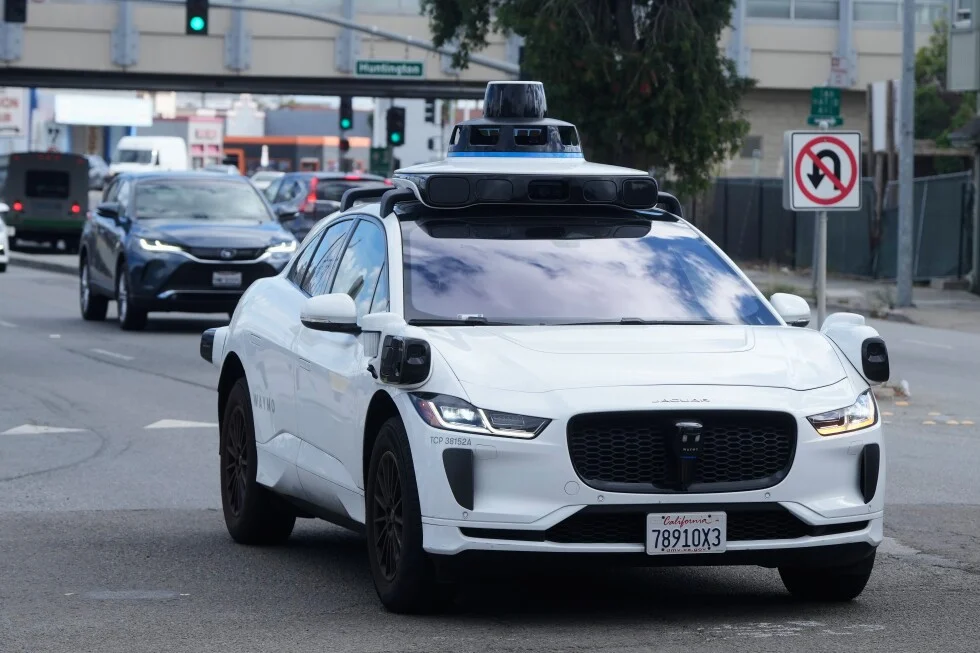
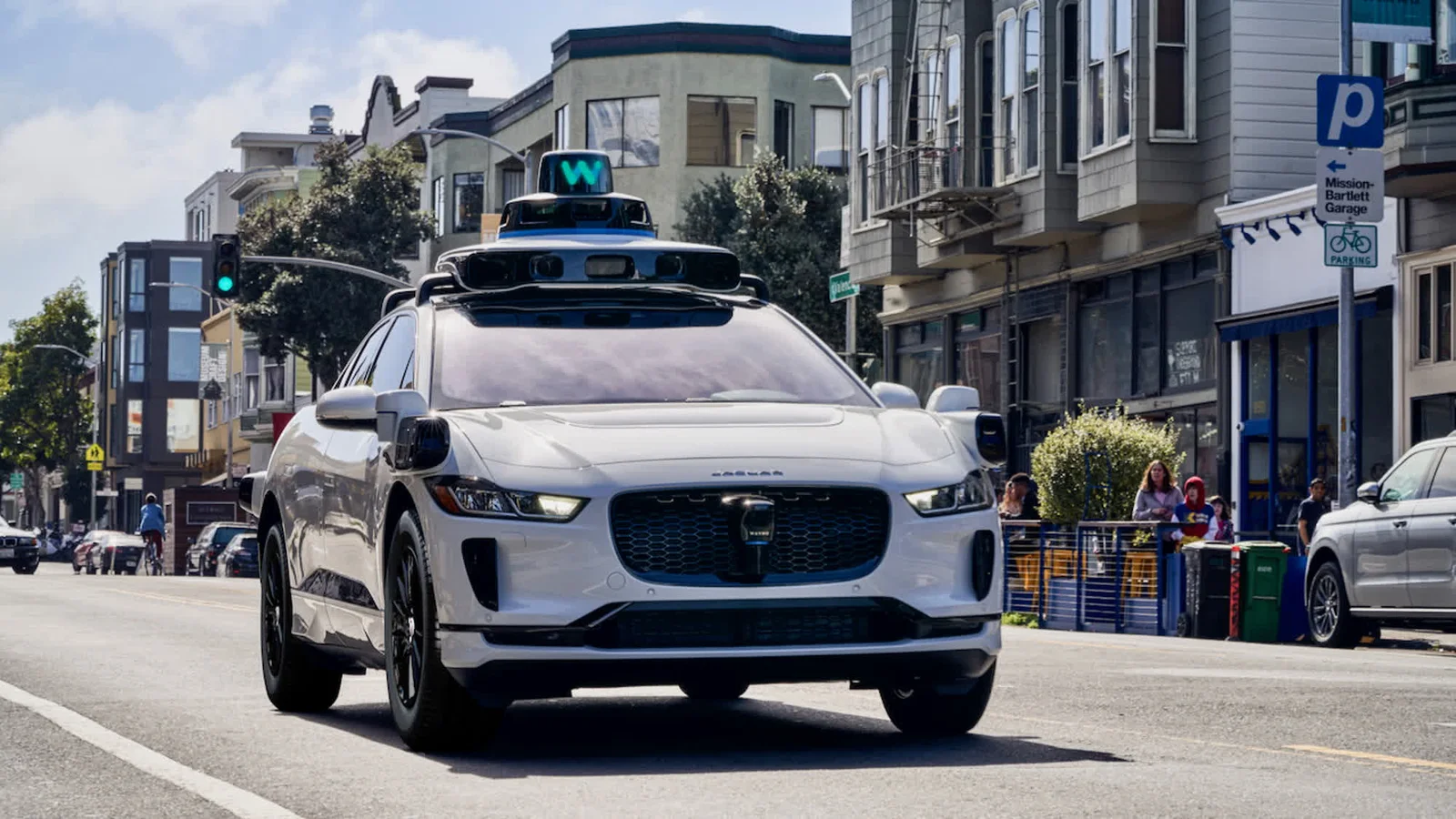
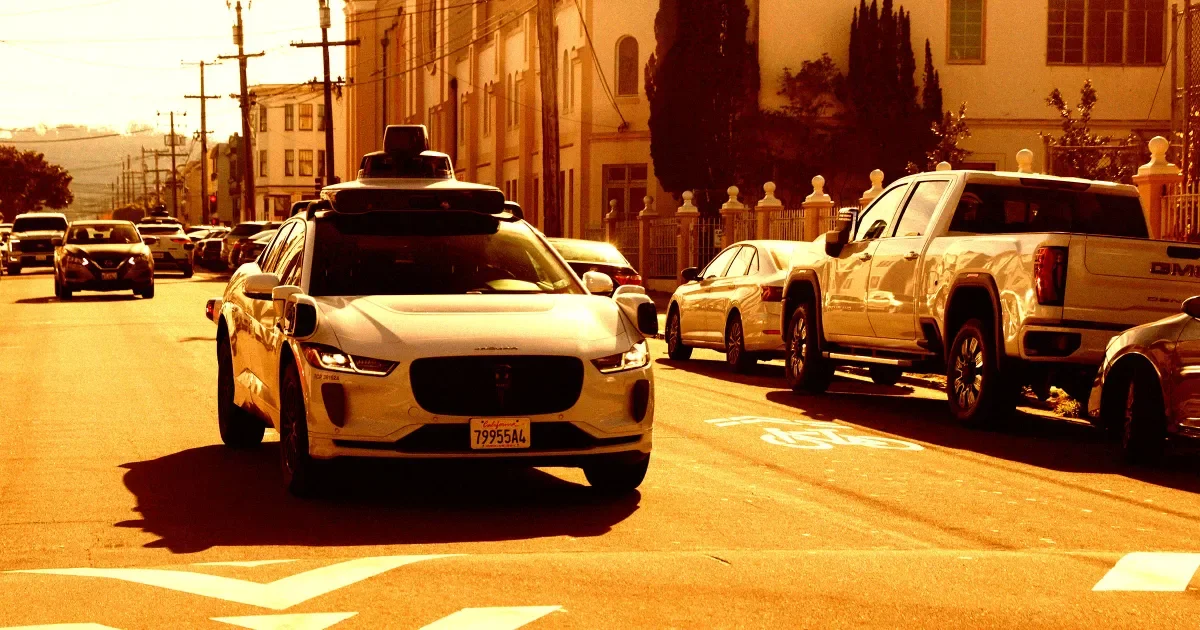
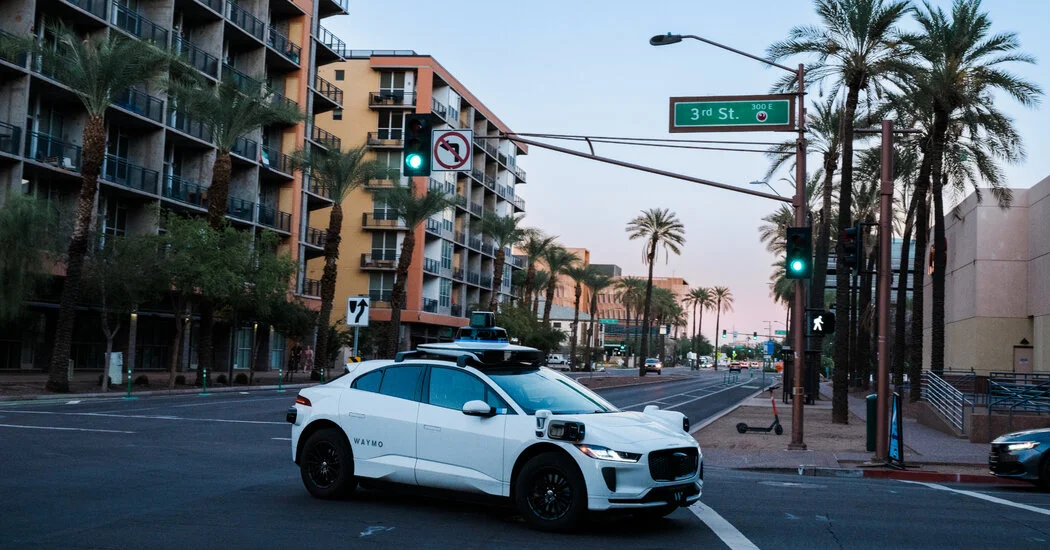
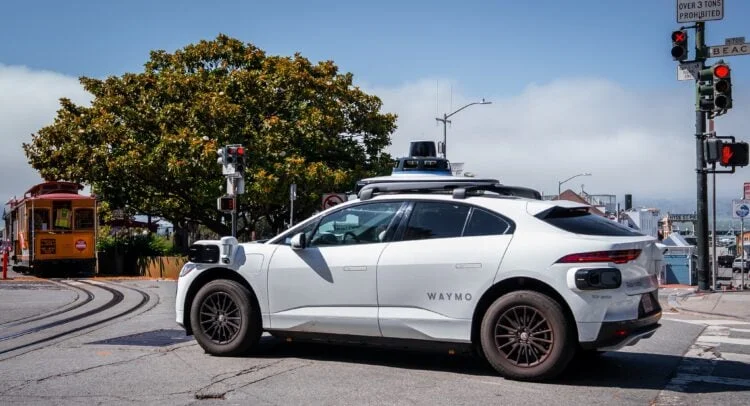
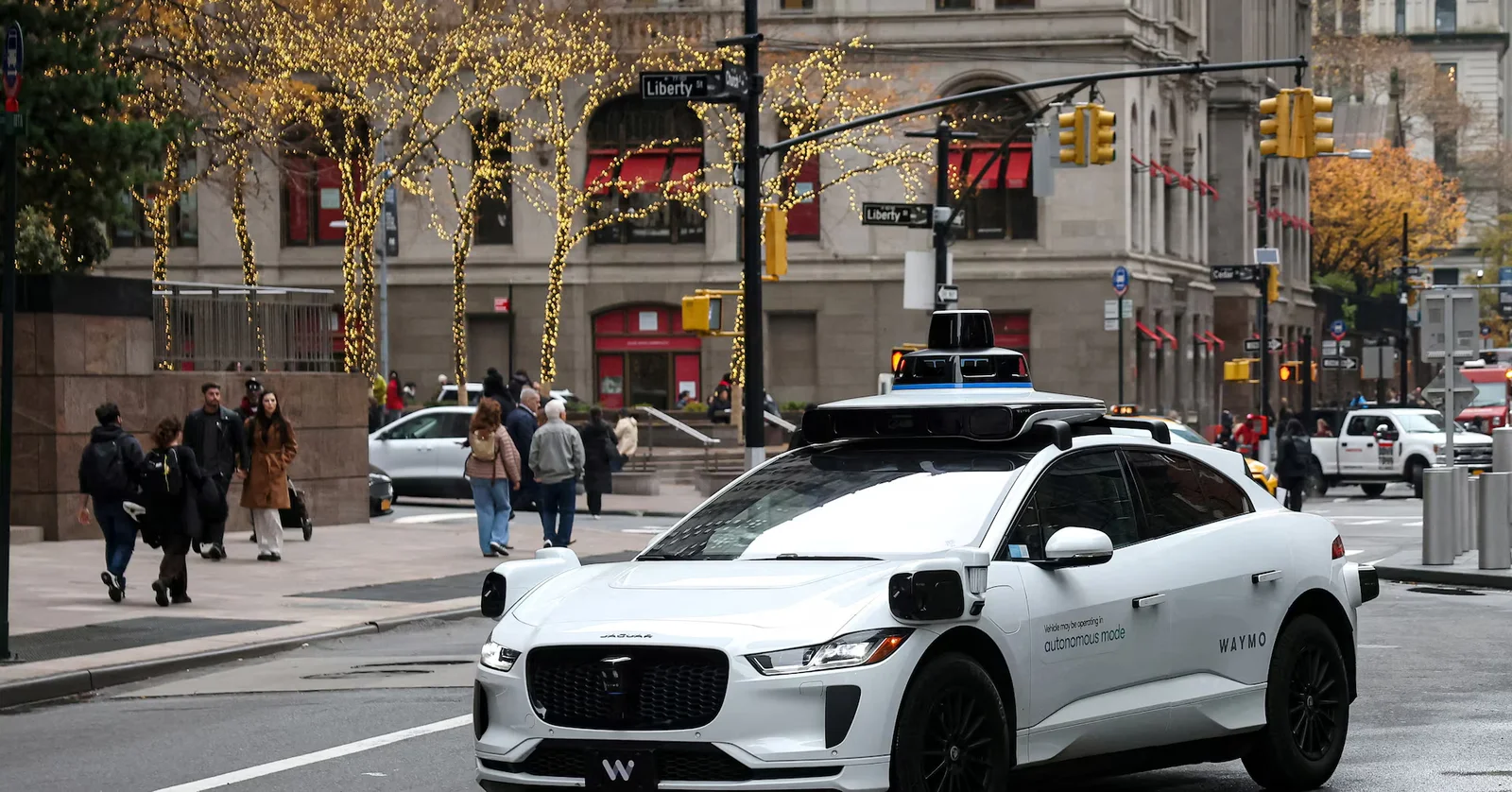
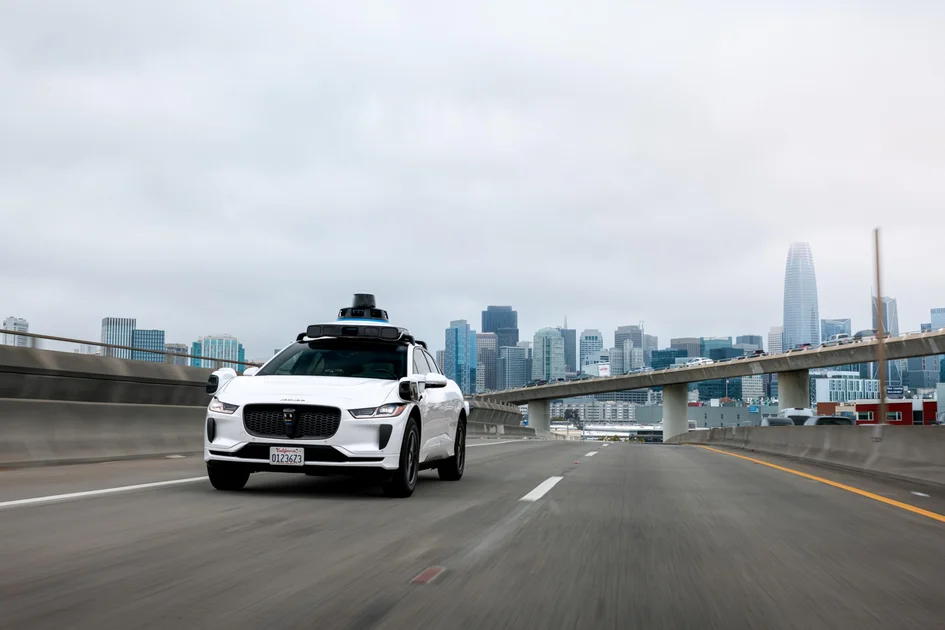
AP reports that Waymo is expanding its autonomous ride-hailing service to four additional major US cities, marking another step in its ongoing driverless-taxi rollout and broadening access beyond its current markets.
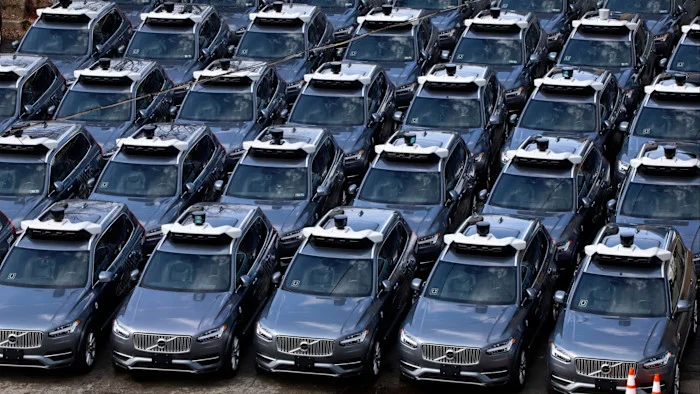
Uber launches the Uber Autonomous Solutions unit to commercialise autonomous-vehicle tech by offering insurance, roadside assistance, AV mission-control software and fleet financing to robotaxi partners, while providing mapping/data services and pursuing partnerships with Waymo, Baidu and Waabi, with plans to deploy AVs in 15 cities by 2026 and lift investor confidence in commercialization.
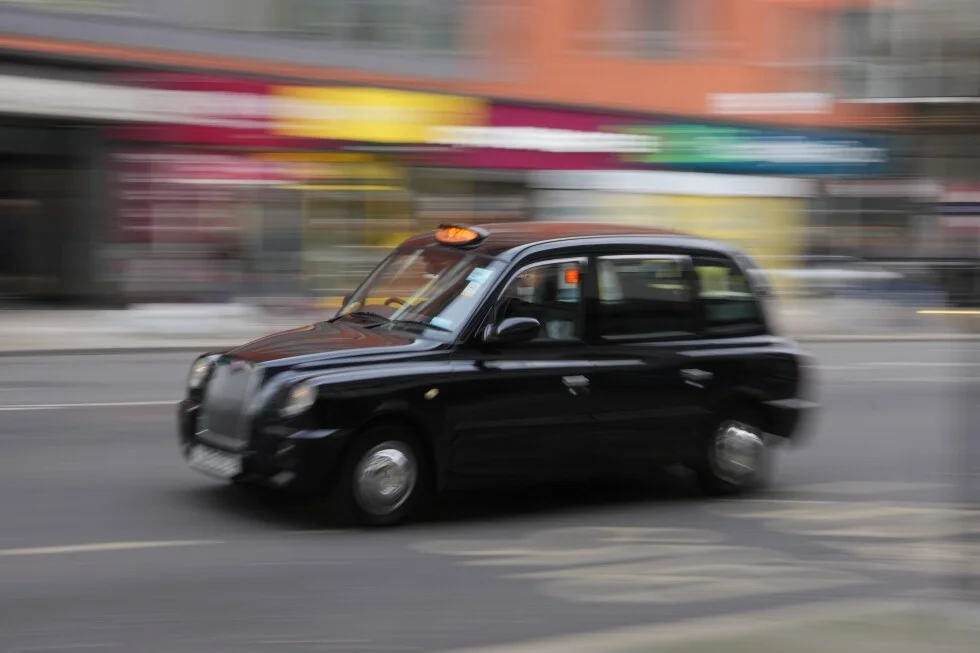
Self-driving robotaxis are debuting in London, challenging the city’s iconic black cabs and sparking skepticism from drivers who worry about congestion and job security as autonomous taxis begin testing in the capital.
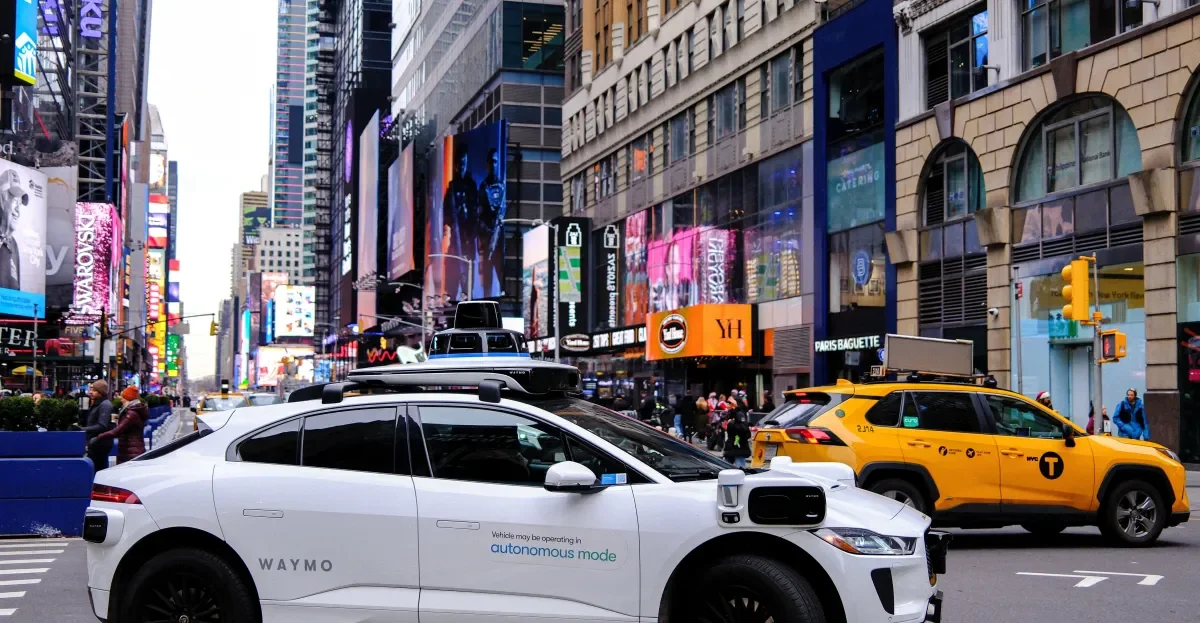
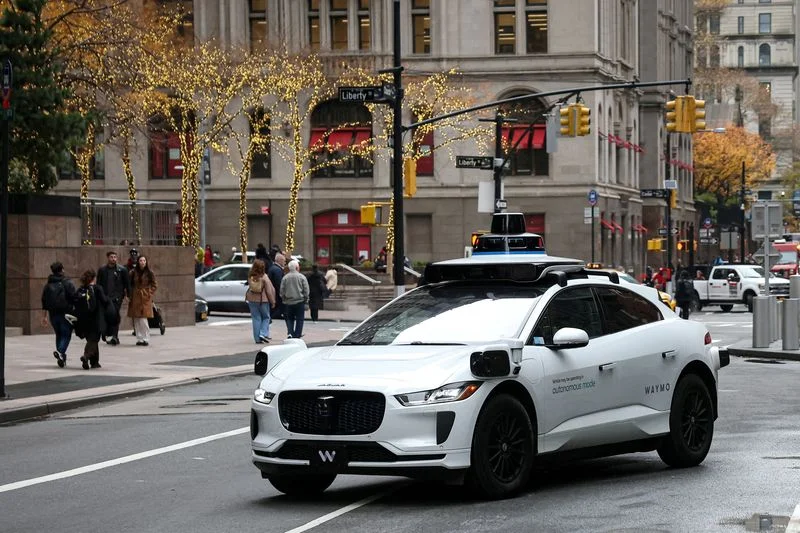
Governor Hochul dropped a budget proposal that would have allowed limited robotaxi deployments outside New York City, a setback for Waymo as legislative support never materialized; Waymo has spent millions lobbying and currently tests driverless rides in NYC under a permit that expires March 31. Current rules require safety drivers, and the state did not move to authorize broader deployment, while Waymo aims to expand to about 20 more cities in 2026 and other AV developers have faced regulatory hurdles in NYC.
Uber says it will invest more than $100 million to build autonomous-vehicle charging hubs, deploying DC fast chargers at its depots and along routes in Bay Area, Los Angeles and Dallas, with utilization-guarantee deals with ChargePoint operators (EVgo, Electra, Hubber, Ionity) to roll out hundreds of chargers and accelerate its robotaxi expansion with partners like Waymo and WeRide.
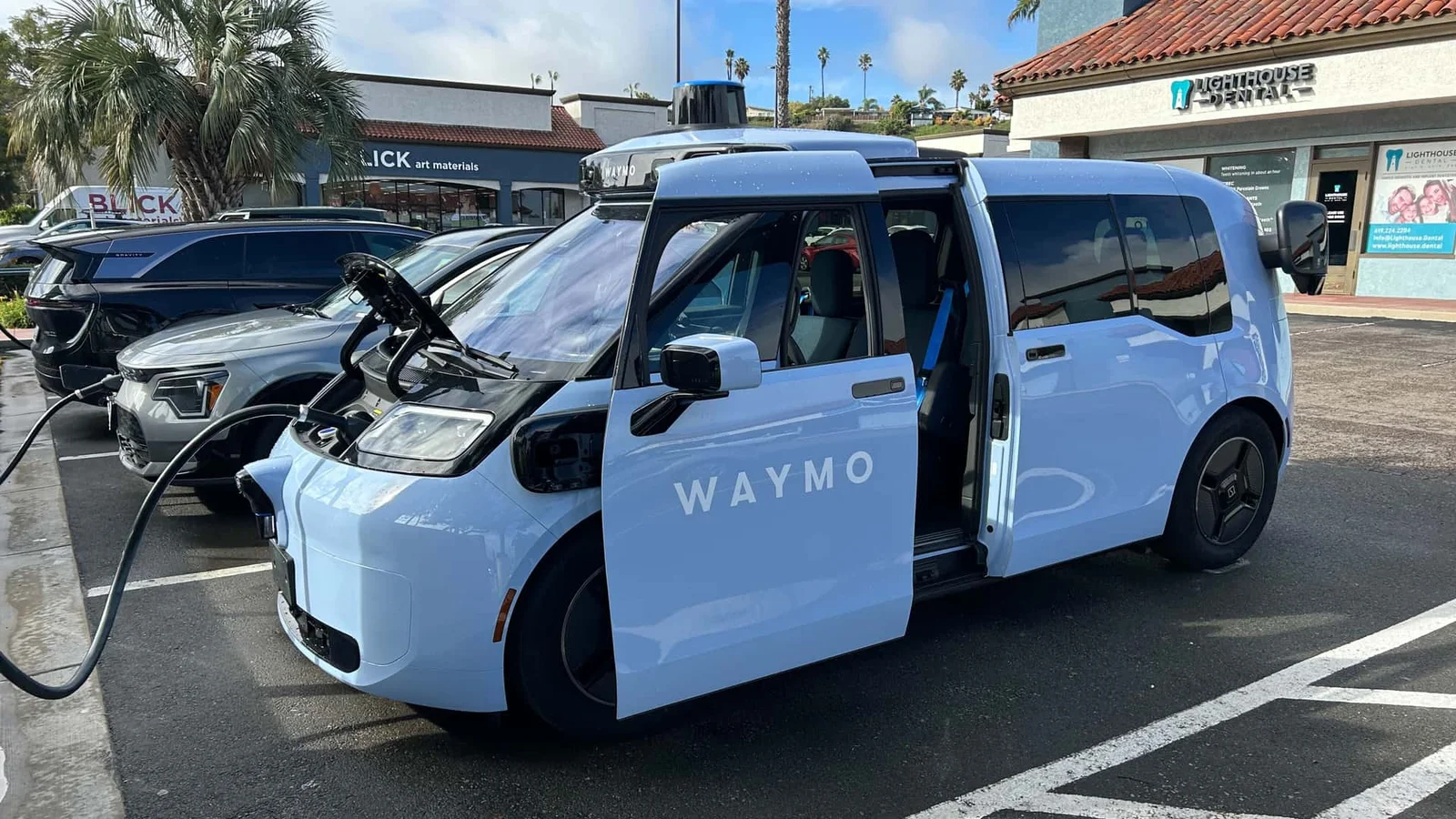
Waymo debuts its sixth-generation Driver hardware, a cheaper, smaller and more capable system, first outfitted to Zeekr-made Ojai minivans and later Hyundai Ioniq 5s, with employee rides in LA and SF ahead of public deployments. The sensor suite combines 16 17-megapixel cameras, short-range lidar, radar and enhanced EARs for better weather performance and night vision, plus a cleaning system for sensors. Waymo plans rapid scaling from about 1,500 cars to 3,500 this year and to tens of thousands over time, expanding production in Metro Phoenix and adding 20 new cities to its robotaxi network.
Waymo testified at a Senate hearing that its robotaxis may transfer control to remote drivers when faced with unusual situations, and many operators are based overseas (including the Philippines), underscoring how even so‑called autonomous systems rely on human labor. Lawmakers questioned foreign remote workers, safety implications, and potential import rules, while noting that other firms also depend on human monitors, illustrating that true autonomy remains tied to oversight and regulation.
During a congressional hearing, Waymo disclosed that fleet-response operators based overseas (including the Philippines) provide guidance to its autonomous taxis, though Waymo says these workers do not remotely drive and the vehicle remains in control. Lawmakers expressed safety and cybersecurity concerns about foreign inputs and licensing, while Waymo stressed operators are licensed, background-checked, and regularly screened. The session follows incidents involving robotaxis and broader scrutiny of how much real-time human input underpins so-called autonomous driving.
Waymo told lawmakers that some operators who guide its autonomous taxis are based overseas—including the Philippines—and provide input rather than actively driving, a setup that has sparked safety and cybersecurity concerns amid a federal probe and a recent robotaxi incident. The hearing underscored that even so-called self-driving taxis still rely on human input and are not fully autonomous, a point echoed by Tesla discussions about remote support and ongoing safety measures.
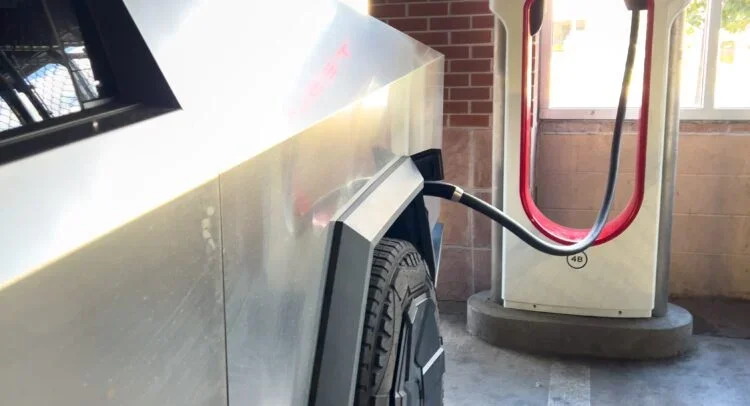
Senate Commerce Committee backing for domestic autonomous-vehicle development signals strength for the robotaxi push, potentially aiding Tesla and Waymo in the global race. But Tesla scrapped a planned driverless charging station in San Francisco after union opposition, and TSLA stock fell over 5% as analysts maintain a cautious Hold view with modest downside risk.
Waymo, Alphabet’s self-driving-car unit, raised $16 billion at a roughly $126 billion valuation to accelerate global expansion, including rolling out the service in 20+ cities and advancing road testing, as rivals and ride-hail partners intensify the competitive landscape.
Alphabet’s Waymo has secured new financing that pushes its valuation to about $126 billion, signaling strong investor confidence as robotaxi services scale and likely accelerating development and deployment of autonomous-vehicle technology.
Alphabet is backing a $16 billion funding round that values Waymo at about $110 billion, more than doubling the company’s valuation and signaling Alphabet’s strong confidence in the self-driving unit. The round is led by Alphabet with participation from Sequoia Capital, Dragoneer, DST Global, Andreessen Horowitz and Mubadala. Waymo says it has completed over 20 million rides and logged 125 million autonomous miles and expects to hit 1 million paid rides per week later this year across cities like San Francisco, Los Angeles, Phoenix and Miami, with testing in London and Tokyo. Waymo’s Level 4 driverless tech relies on cameras, lidar, and detailed maps, contrasting Tesla’s Level 2 approach. The funding underscores Alphabet’s central role in Waymo’s growth and comes ahead of Alphabet’s earnings call.
Alphabet unit Waymo is seeking about $16 billion in a financing round that would value it at around $110 billion, with Alphabet contributing about $13 billion and other investors including Sequoia Capital, DST Global and Dragoneer Investment Group. The move follows reports of a $100+ billion valuation and highlights the race to commercialize autonomous robotaxi services, even as regulators open a safety investigation after a Waymo vehicle struck a child in Santa Monica.
Waymo begins limited robotaxi service at San Francisco International Airport, starting with pickups at the Rental Car Center via AirTrain and planning to expand to terminals and other airport locations, making SFO the third U.S. international airport to offer commercial autonomous rides.