Branko Milanovic discusses the decline of neoliberal globalization, the rise of China, the emergence of a new global elite, and the shift towards national market liberalism, highlighting the increased inequality, geopolitical tensions, and societal discontent that may lead to further instability, all within a framework of long-term observable trends and critical analysis of capitalism's moral shortcomings.
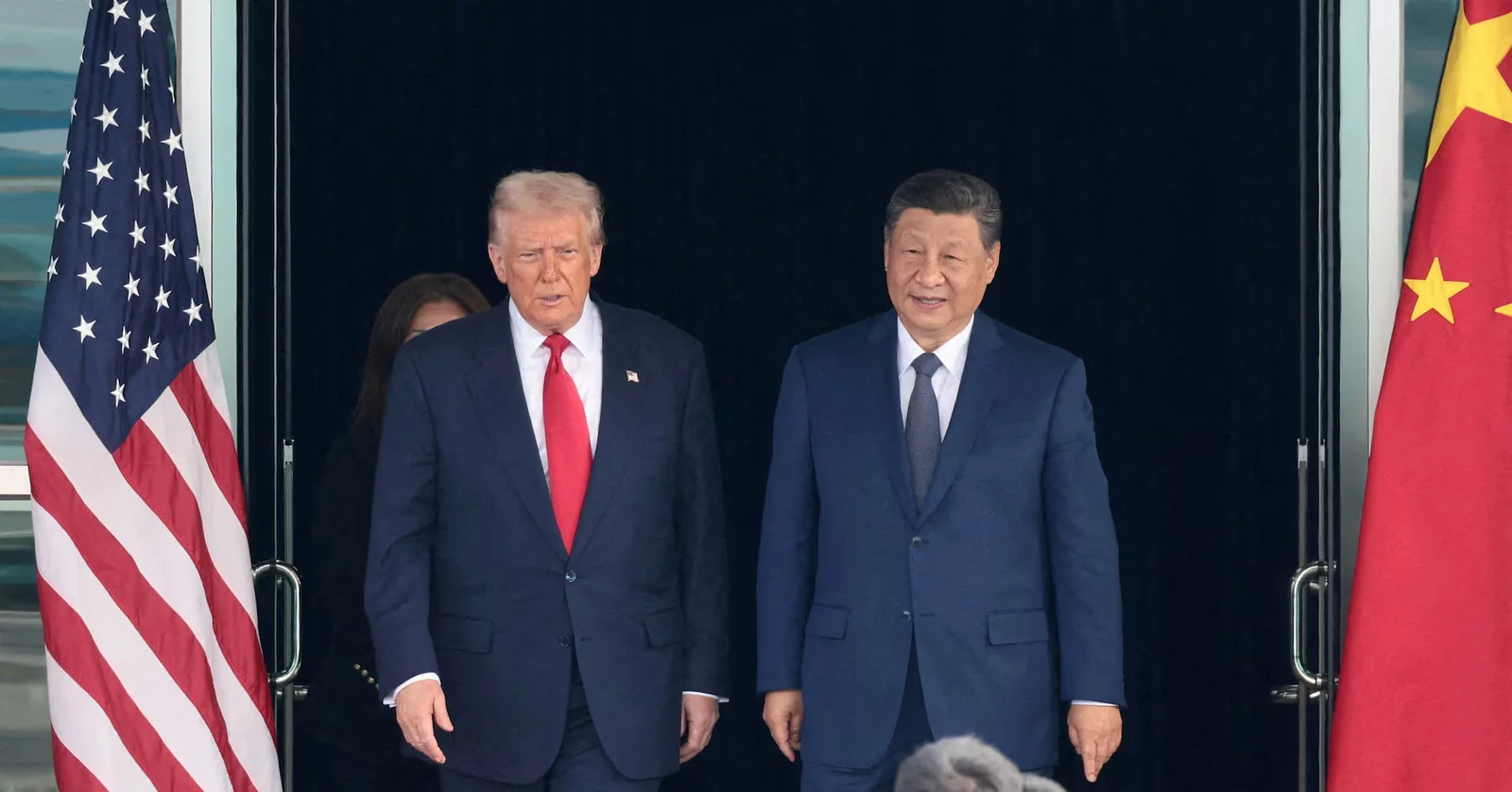
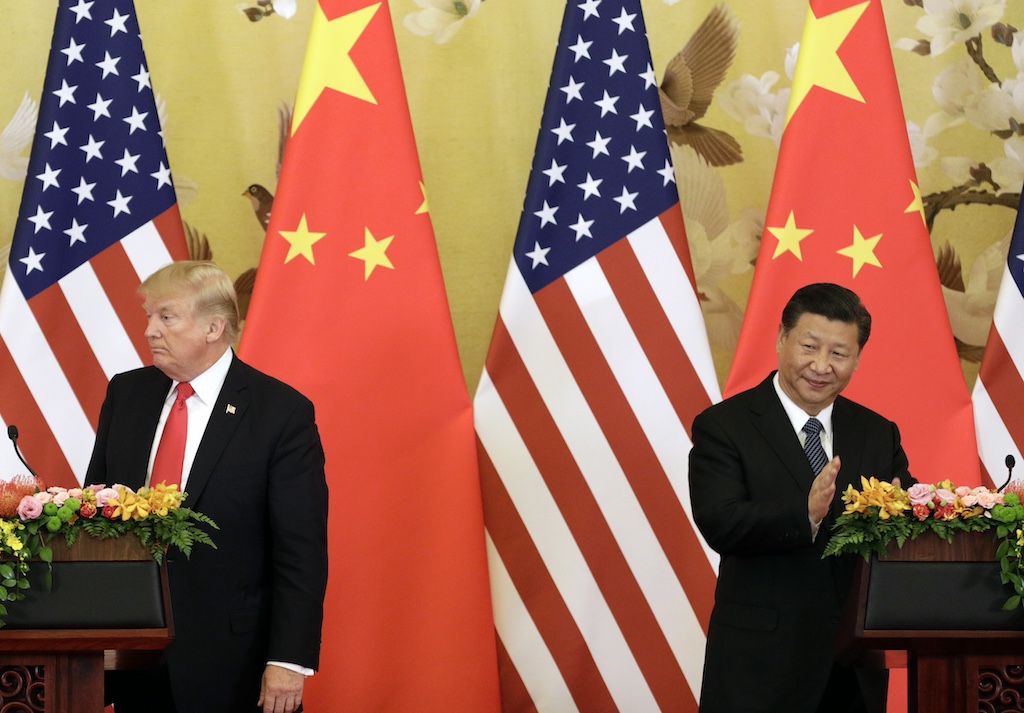
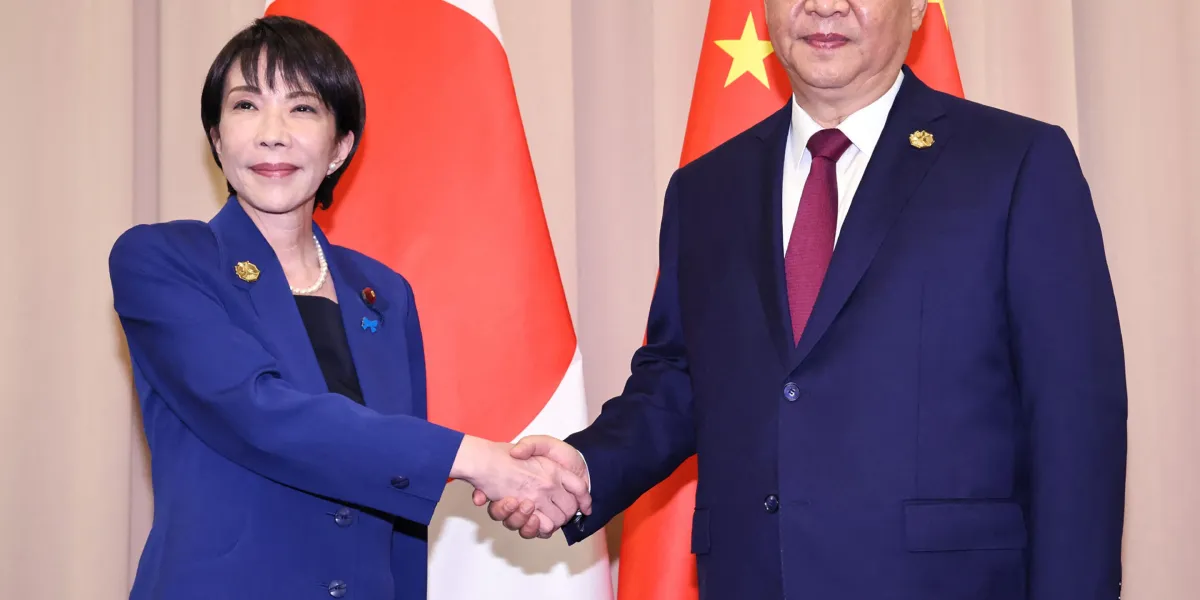
Chinese leader Xi Jinping emphasized China's commitment to defending global free trade at the APEC summit, which was overshadowed by President Trump's absence and their recent trade agreements, highlighting ongoing tensions and cooperation efforts in the Asia-Pacific region.
The global trading system, historically based on free trade principles and managed by institutions like the WTO, faces significant challenges due to US protectionist policies under Trump, China's rise, and geopolitical tensions, leading to potential shifts towards regional arrangements and coalitions that may reshape international trade dynamics.
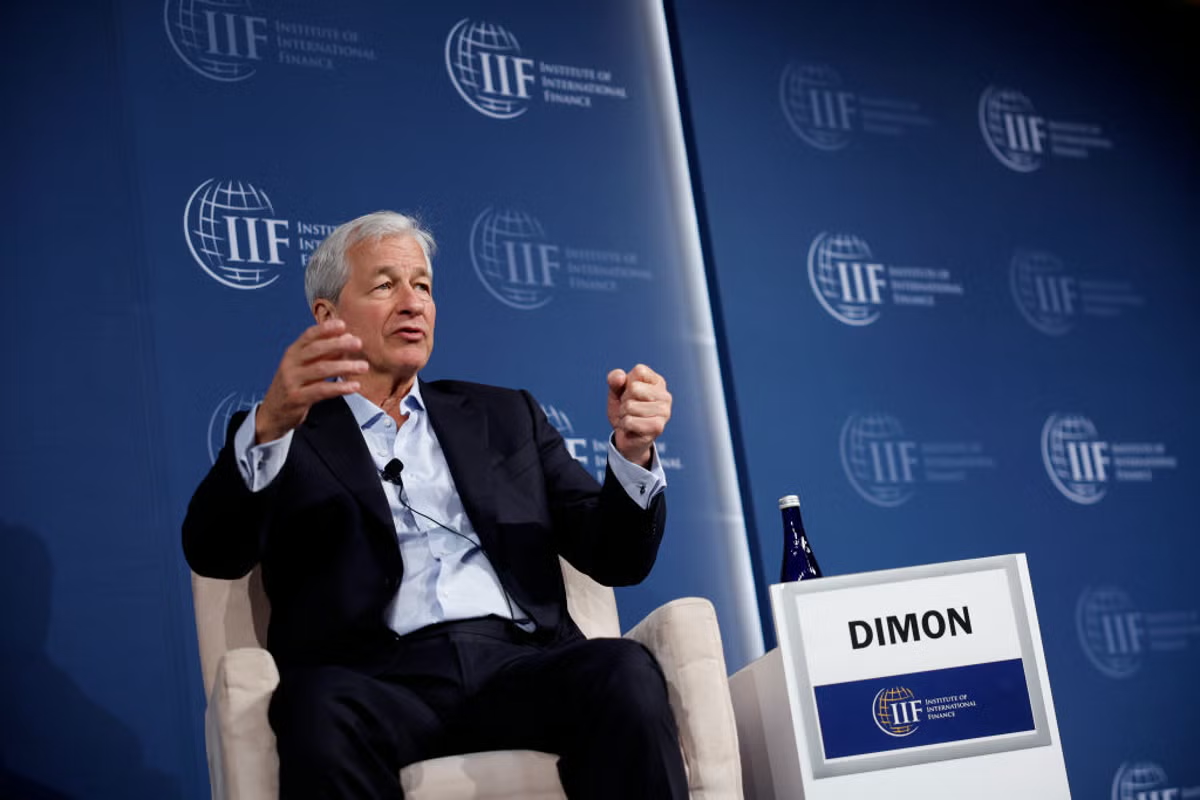
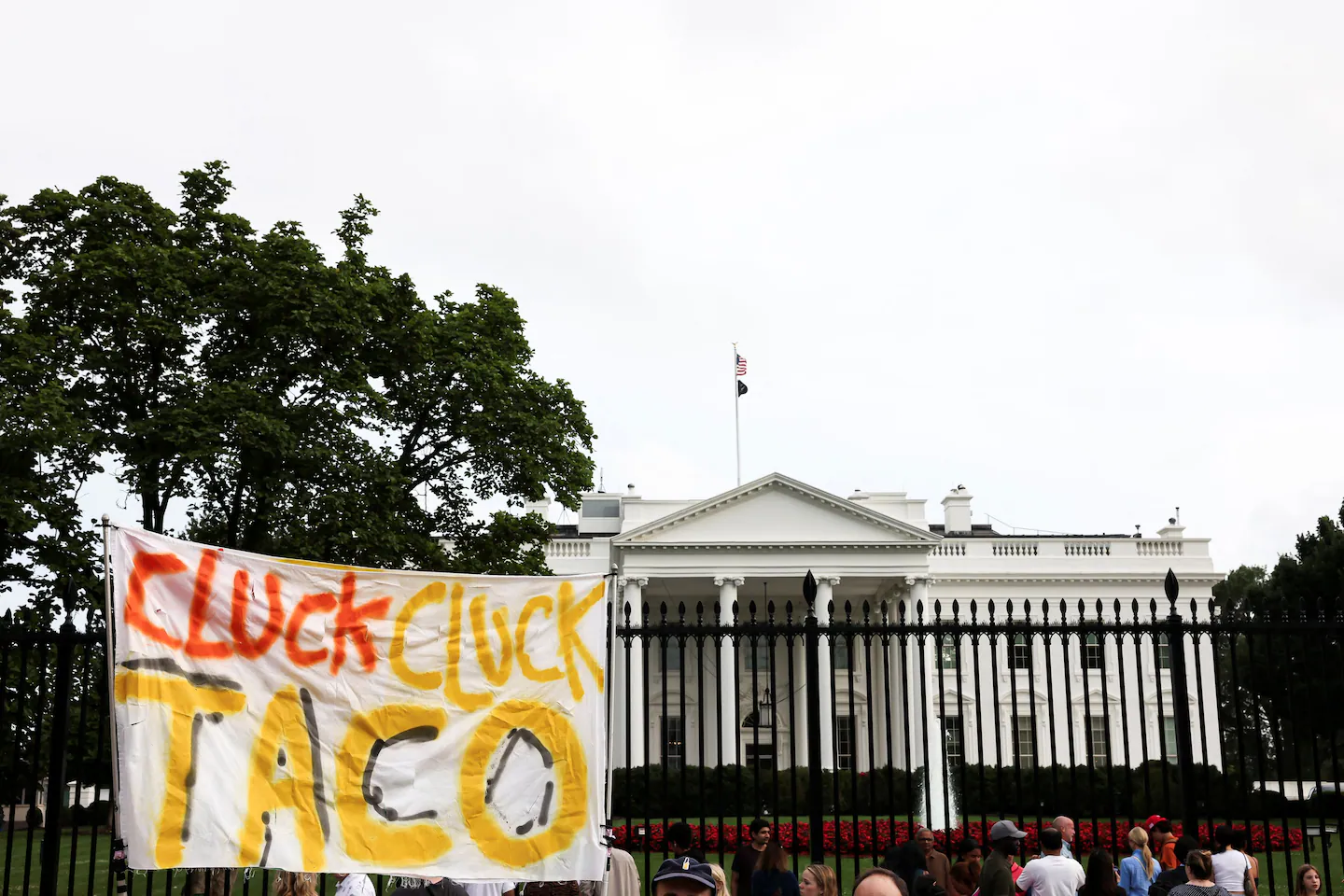
JP Morgan Chase CEO Jamie Dimon acknowledged that President Trump was right to delay implementing tariffs, criticizing the pattern of threatening and then backing down, known as 'TACO,' but warned this complacency may not last forever amid ongoing trade tensions and tariff threats.
President Trump extended the deadline for his worldwide tariff plan, aiming to reverse globalization and boost domestic manufacturing, but skepticism remains among CEOs and foreign leaders about his commitment to the August 1 deadline.
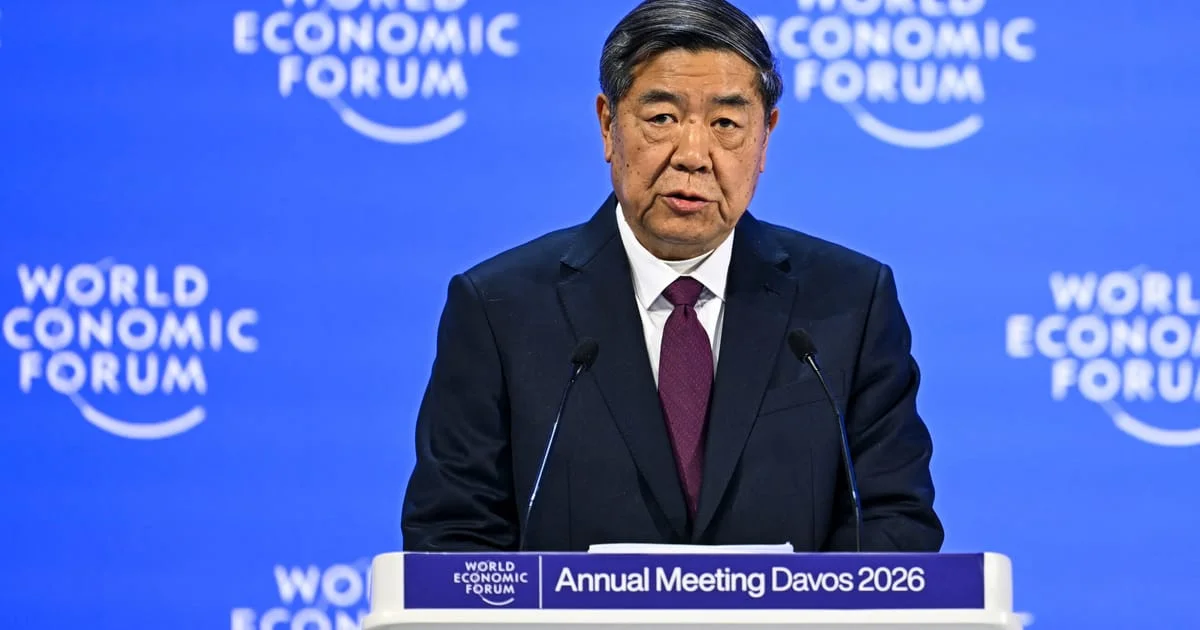
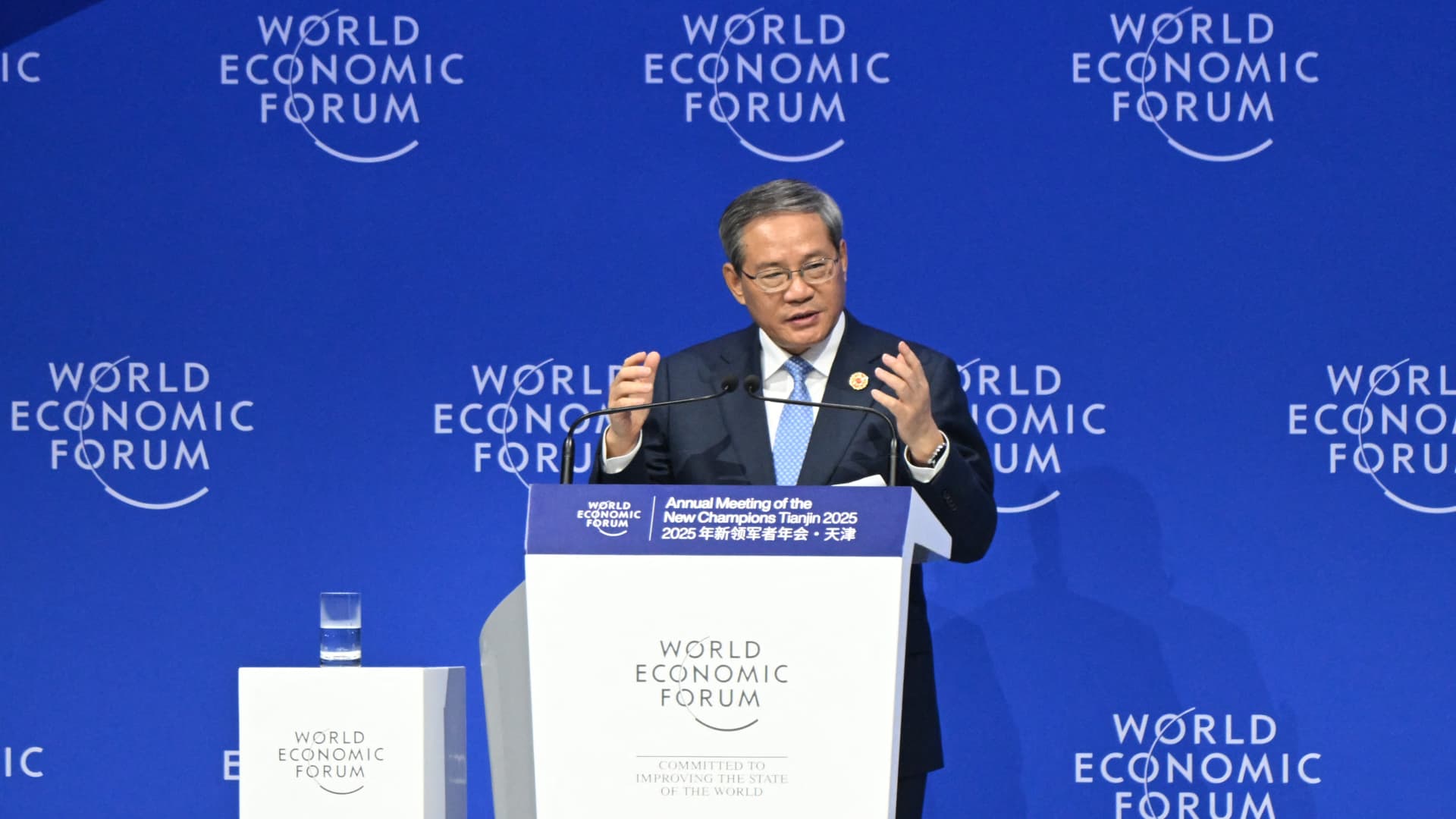
Chinese Premier Li Qiang emphasized the importance of international collaboration on trade, urging countries not to politicize or securitize trade issues, and expressed confidence in China's economic growth and global integration despite challenges.
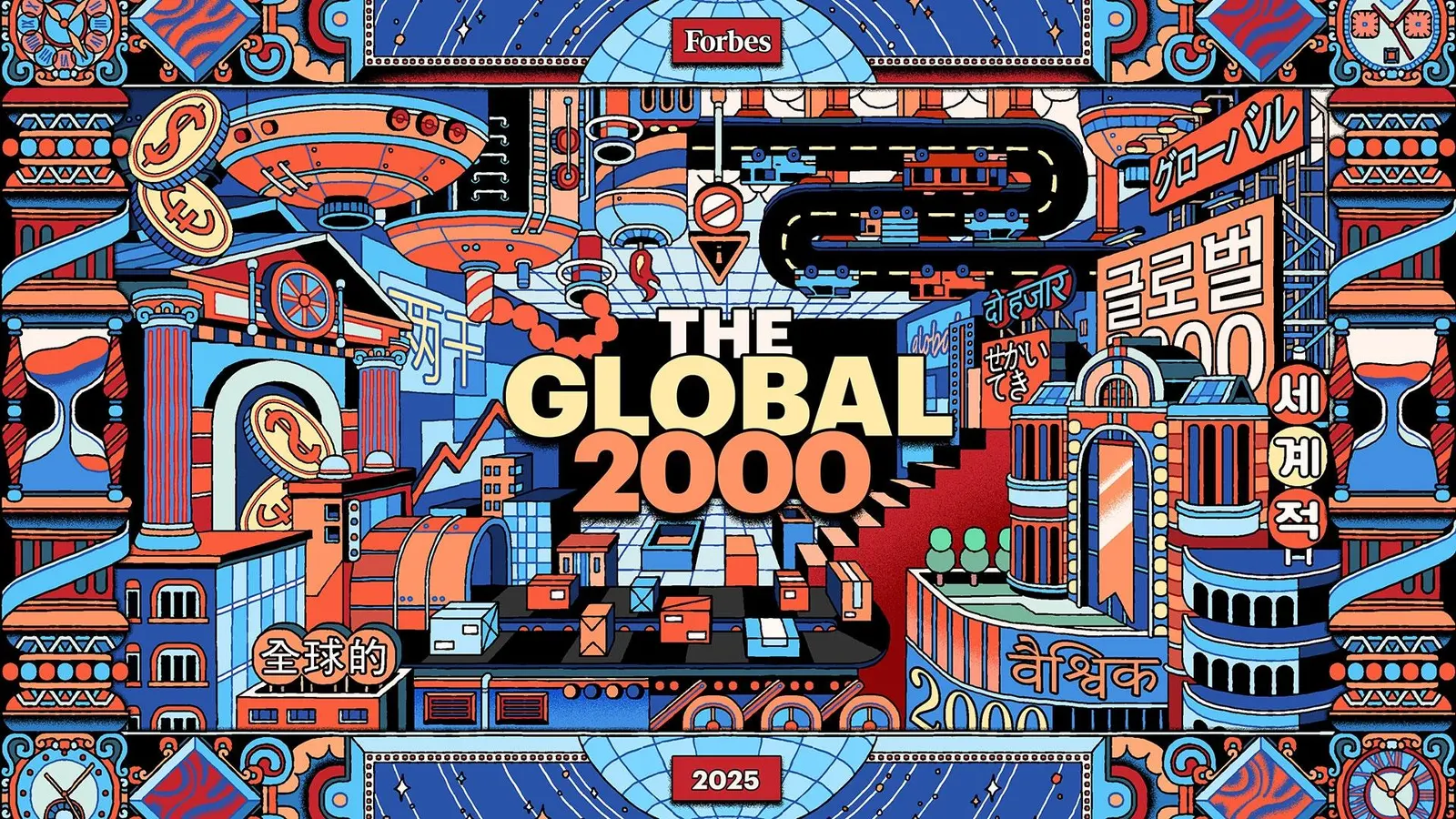
Despite Trump's trade disputes and tariffs, globalization continues to drive growth in the world's largest companies, with US firms dominating the Global 2000 list and overall economic gains persisting, though concerns about trade wars potentially impacting future growth remain.
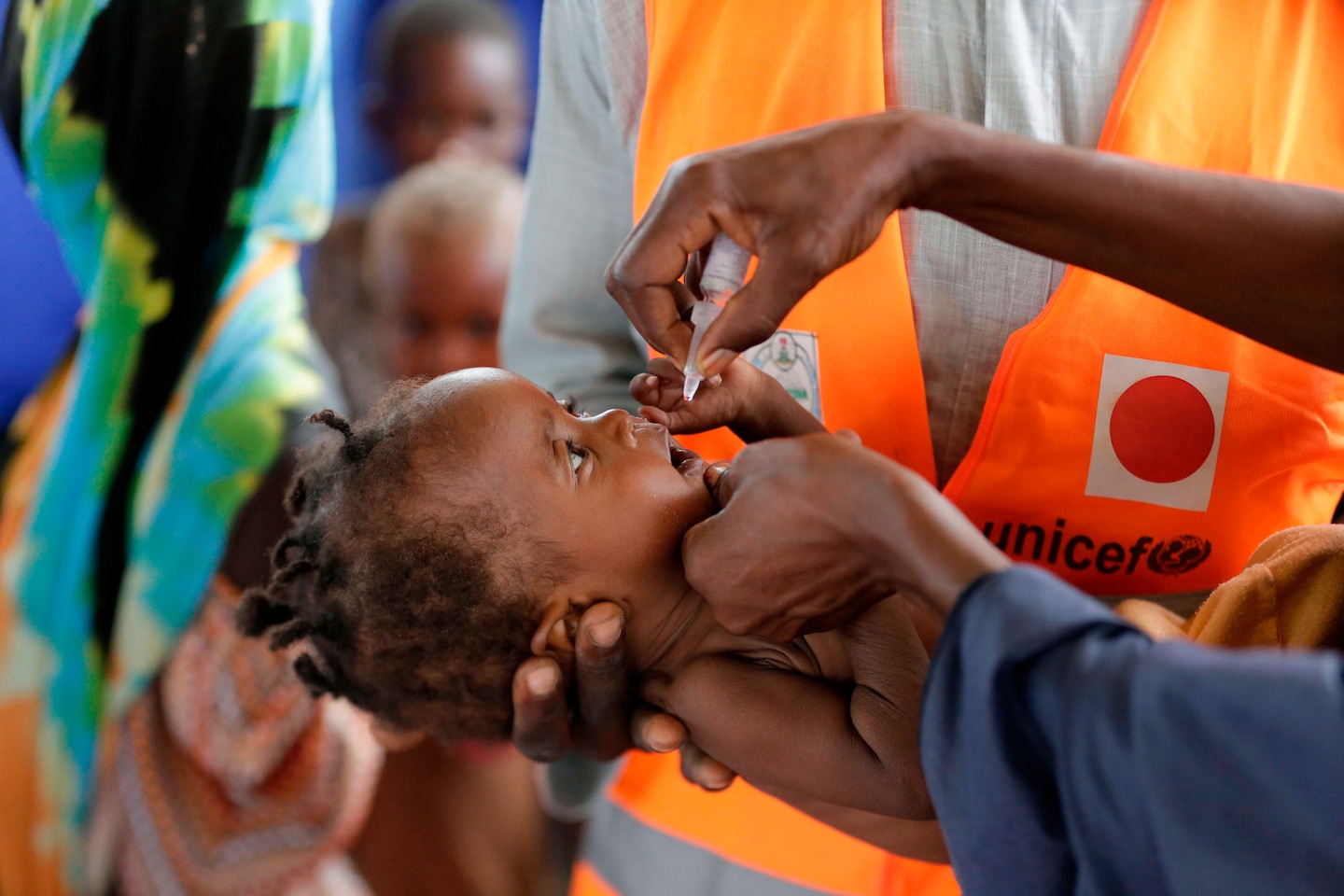
A U.N. report reveals that while affluent nations have recovered their pre-pandemic levels of well-being, half of the world's poorest countries, including Nigeria, Pakistan, and Sierra Leone, continue to lag behind. The report warns of a widening gap between the richest and poorest nations, exacerbated by political polarization and a rise in armed conflicts. It calls for greater financial support for global public goods, such as vaccine development and climate change mitigation, and emphasizes the need for reforming globalization to address environmental concerns and the needs of heavily indebted developing nations.
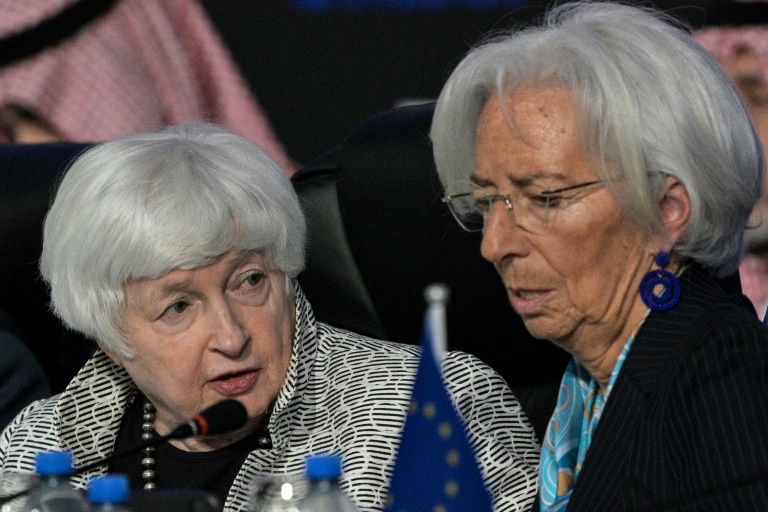
Brazil's finance minister called for a "new globalization" focused on addressing poverty and climate change at the G20 meeting, but conflicts in Ukraine and Gaza threatened to overshadow the agenda. The G7 discussed seizing frozen Russian assets to aid Ukraine, while Brazil aims to prioritize fighting poverty and climate change, alleviating debt burdens, and increasing taxes on corporations and the super-rich. The meeting also addressed the urgent need for financial assistance for Ukraine and the potential economic risks of the conflict in Gaza.
European farmers are protesting in major capitals, highlighting their struggles with the impact of globalization and environmental regulations on their livelihoods. The push for cheaper food and stricter environmental measures has left Western farmers unable to compete with cheaper imports, leading to calls for concessions from policymakers. The EU's "farm to fork" strategy aims for dramatic changes, but the challenge lies in balancing the demands of farmers, environmental lobbies, food importers, and consumers.
China's foreign minister, Wang Yi, warned against attempts to exclude China from global trade, calling it a historic mistake and emphasizing the importance of cooperation. He criticized the "de-risking" strategy pursued by industrial powers like Germany and stressed the irreversible trend of economic globalization. Additionally, Wang pushed back against allegations of forced labor in Xinjiang, dismissing them as fabricated information aimed at hindering China's development.
Black Swan author Nassim Taleb warns that the US is facing a potential financial "death spiral" as the national debt increases by $201 billion in just one month, reaching $34.191 trillion. Taleb criticizes Congress for avoiding addressing the growing fiscal deficit, fearing the consequences of doing the right thing. He emphasizes the vulnerability of the US economy to external shocks due to globalization and interconnectedness, expressing gloom about the Western political system's ability to address the situation.
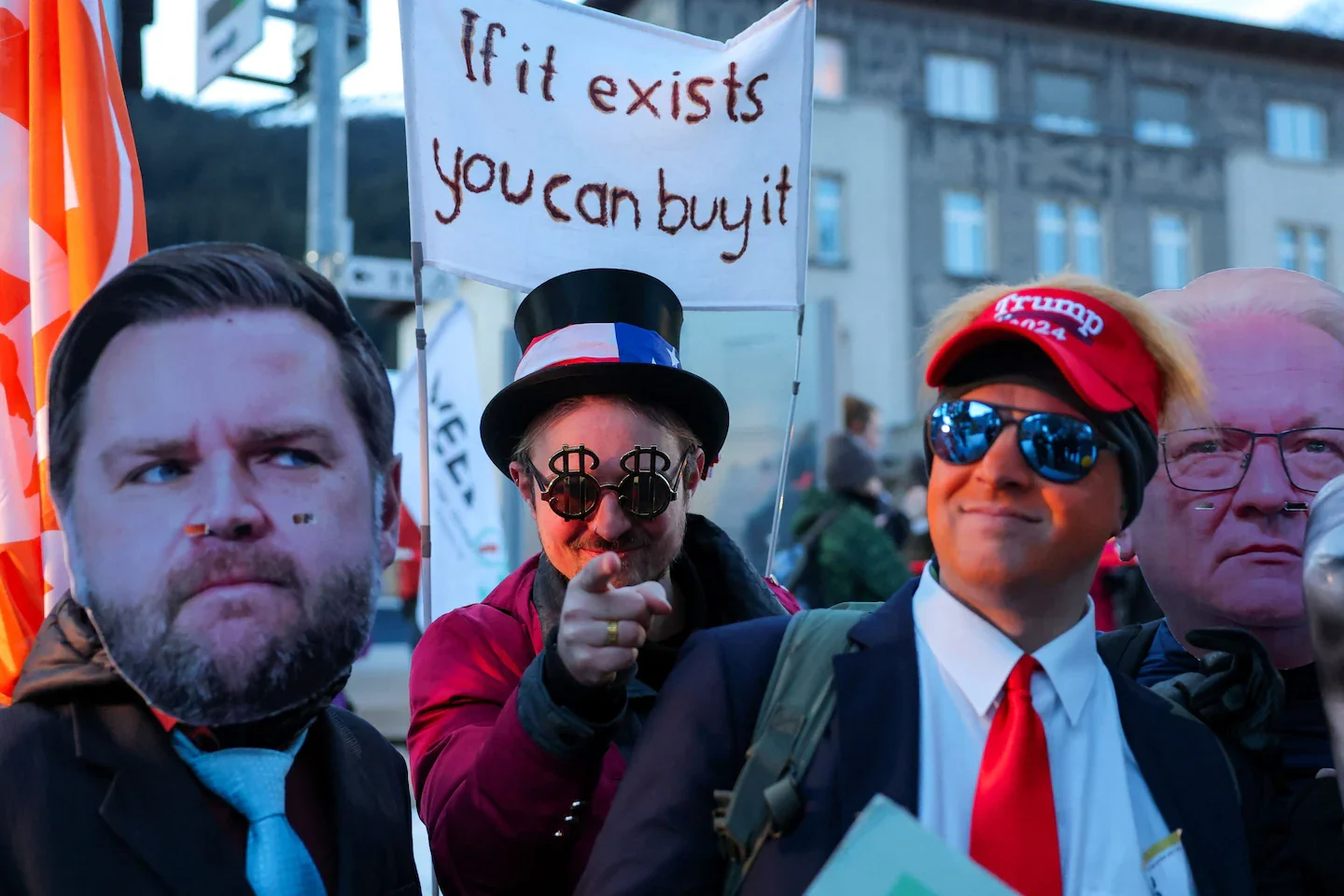
At the Davos World Economic Forum, Argentina's President Javier Milei warned that the Western world is in danger due to the embrace of socialism, while Heritage Foundation President Kevin Roberts criticized the attendees for being part of the problem. Former President Trump found support from JPMorgan Chase CEO Jamie Dimon, who praised Trump's handling of the economy and China. Blackstone CEO Steve Schwarzman expressed doubts about the Biden administration's approach to various issues and its ability to handle a second term, while Greece's Prime Minister Kyriakos Mitsotakis cautioned against alienating populist voters. Open Society Foundations Chairman Alex Soros criticized the "Davos consensus" and discussed the potential return of Donald Trump to the presidency.
Several iconic American brands, including General Electric's appliance division, Budweiser, Burger King, 7-Eleven, Trader Joe's, Jeep, Frigidaire, and Ben & Jerry's, are actually owned by international companies. These acquisitions highlight the globalization of business and the presence of foreign ownership in well-known American brands.
Global public health experts warn that the United States is unprepared for the growing threat of mosquito- and tick-borne viruses, which are spreading more widely due to globalization and climate change. The country has lost much of its capacity to track insects, and there is a lack of preparation for tropical diseases that were once considered far away. Singapore's approach to mosquito control, including cleaning up the environment and implementing surveillance programs, is seen as a successful model, but it may face challenges in countries like the U.S. where there is pushback against intervention. Other strategies such as vaccines and designing mosquito-proof cities could also be effective.