The SEC is lobbying the NCAA to reverse its recent decision to allow college athletes to bet on professional sports, citing concerns over integrity and vulnerability to exploitation, amid ongoing debates and criticisms from university officials and coaches.
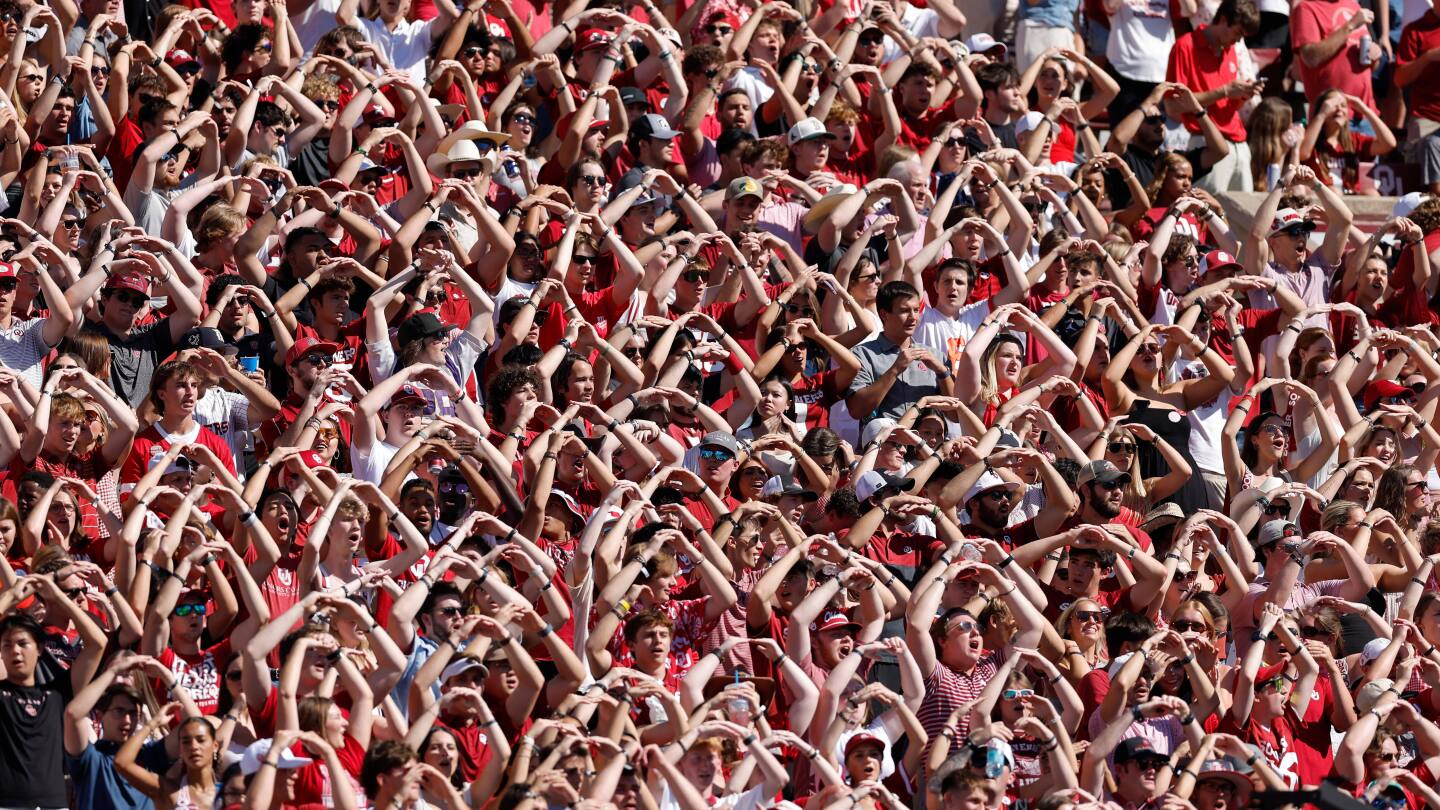
The NCAA's Division I Administrative Committee approved a move to allow college athletes and staff to bet on professional sports, pending approval from Division II and III, aiming to modernize rules and reduce restrictions while emphasizing harm reduction and integrity in college sports.
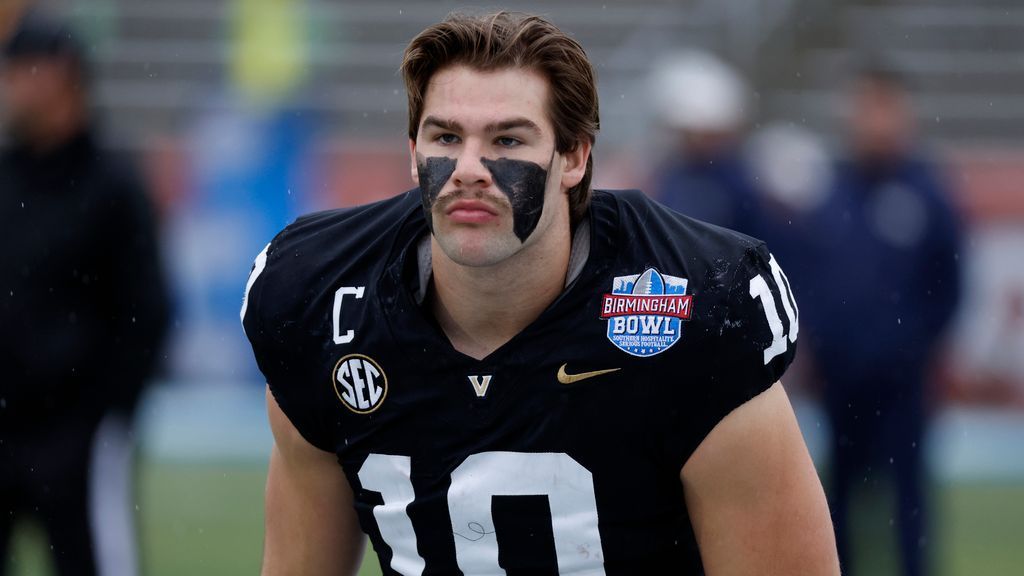
Two Vanderbilt football players are suing the NCAA to extend college athletic eligibility from four to five seasons, arguing current rules violate antitrust laws and unnecessarily limit playing time, with the case aiming to change NCAA policies for all athletes.
The NCAA has partnered with Venmo to combat harassment and abuse of college athletes, including unwanted money requests and solicitation for inside information, by launching a dedicated hotline, increasing monitoring, and educating athletes on account security, aiming to protect their integrity and safety.
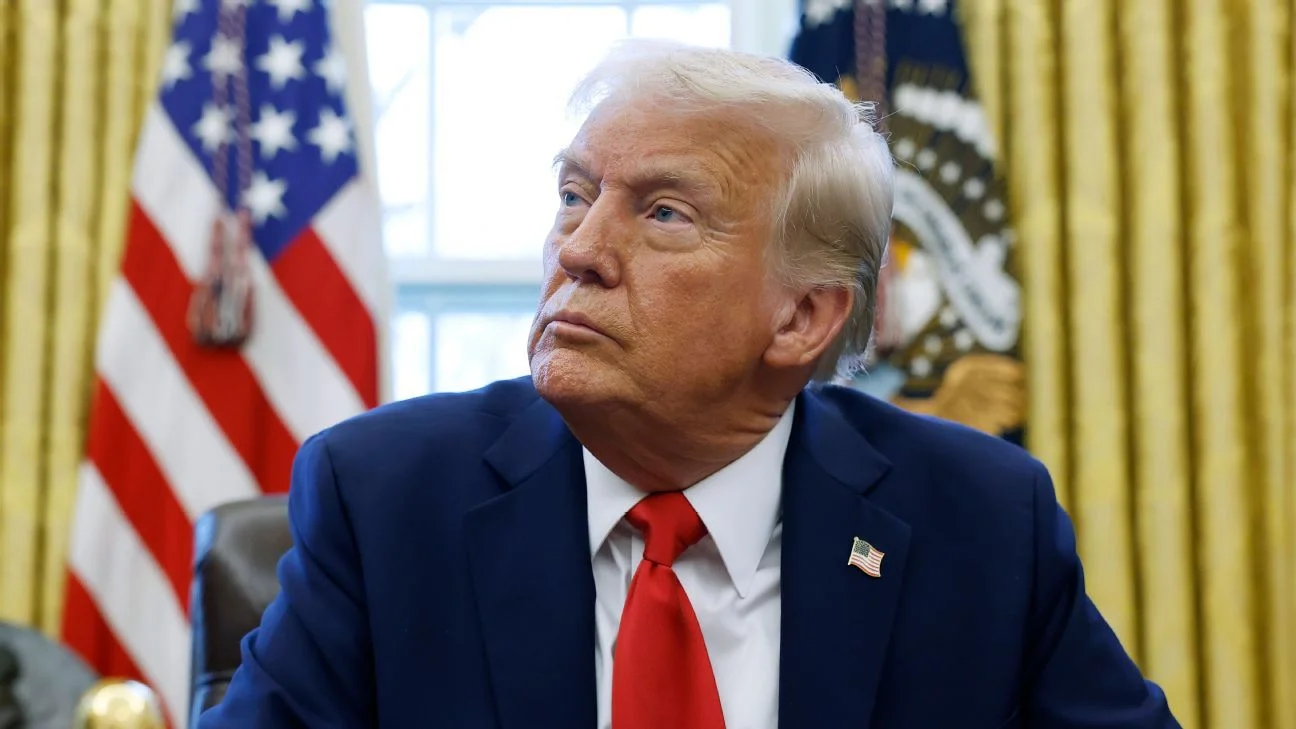
President Trump signed an executive order directing federal agencies to develop policies to preserve college sports opportunities, prevent athletes from becoming employees, and regulate third-party endorsement deals, while also urging increased scholarships for non-revenue sports and clarifying athletes' employment status.
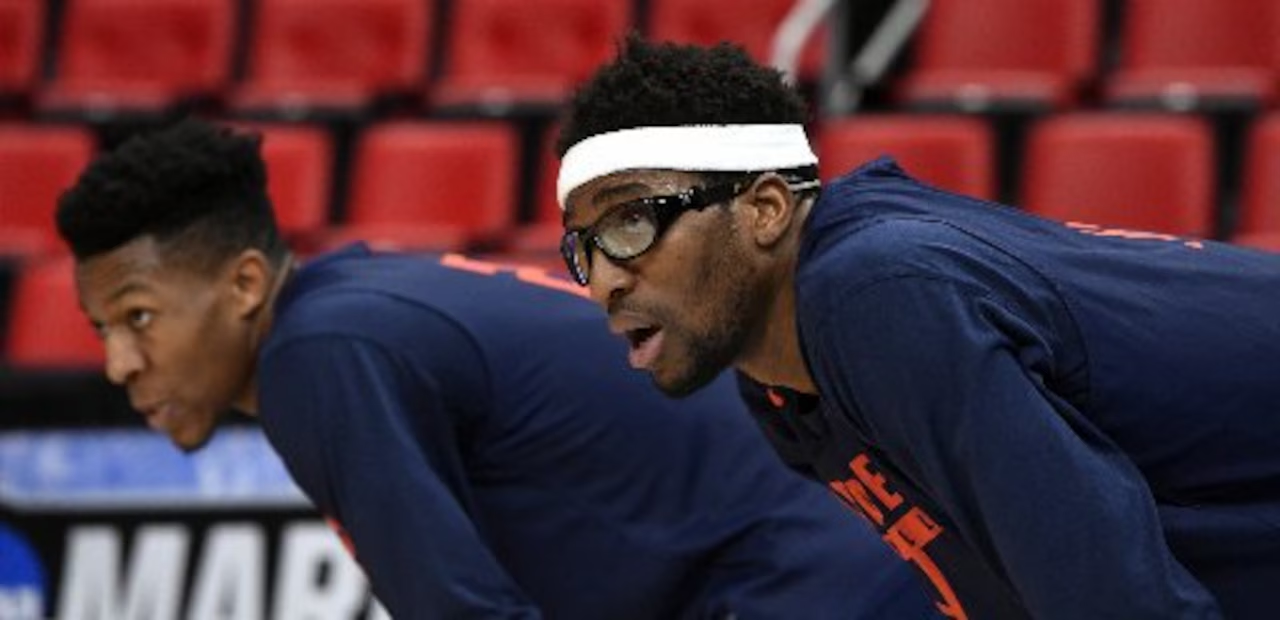
Former Syracuse basketball players are set to receive a share of a $2.8 billion NCAA settlement for lost earnings, with payments based on their athletic performance, likeness use, and other factors, though some delays are expected due to ongoing legal disputes.
The NCAA has approved a settlement allowing college athletic departments to pay athletes directly from their revenue, starting with a $20.5 million fund over ten years, prompting universities like Alabama to strategize on how to allocate funds across various sports amid financial challenges and the need for sustainable programs.
A federal judge approved the historic House v. NCAA settlement, allowing college schools to directly pay athletes and share NIL revenue, marking a major shift in college sports' legal landscape and athlete compensation, with a 10-year revenue sharing model and nearly $2.8 billion in damages to affected athletes.
Jeffrey Kessler, a prominent sports attorney, has significantly impacted college sports by leading a legal battle against the NCAA, resulting in a $2.8 billion settlement in favor of college athletes. This landmark case, House v. NCAA, will see athletes receiving substantial compensation and has reshaped the landscape of college sports. Kessler's career, marked by numerous high-profile cases, continues to influence the sports industry profoundly.
As the NCAA moves towards allowing direct payments to college athletes, questions arise about whether these payments will be public records. Public universities may be required to disclose such payments under state laws, but private universities and NIL deals might remain confidential. The issue hinges on whether athletes are considered university employees, a matter that could be settled by state legislatures or Congress. The debate also touches on Title IX implications and competitive fairness in recruiting.
The NCAA has settled a lawsuit with state attorneys general and the U.S. Department of Justice, agreeing to permanently allow multi-time transfers to play immediately if they meet academic requirements. The settlement also grants an extra year of eligibility to affected athletes and prevents the NCAA from enforcing restrictive transfer rules or retaliating against those who sue. This marks a significant shift in the NCAA's legal stance and follows a recent settlement allowing institutions to pay athletes directly.
The Justice Department and a coalition of states have filed a proposed consent decree to prevent the NCAA from enforcing its Transfer Eligibility Rule, which restricted college athletes' ability to transfer between Division I institutions. The decree, if approved, will also grant an additional year of eligibility to affected athletes. This action aims to enhance competition and provide better opportunities for college athletes.
The NCAA and Power Five conferences have reached a settlement allowing colleges to pay athletes directly, marking a significant shift in college athletics. The agreement, pending federal approval, includes a $2.75 billion distribution to athletes who played before July 2021 and a revenue-sharing model for future compensation. This change addresses the long-standing issue of unpaid athletes generating massive revenue but raises new challenges, including potential disparities in athlete compensation and the impact on non-revenue sports.
The NCAA's $2.8 billion settlement in a class-action antitrust lawsuit could allow Division I athletes to be paid directly by their schools, marking a historic shift in college sports. This decision has sparked widespread trepidation and confusion, particularly among smaller institutions and low-profile sports programs, about the financial and operational impacts. Concerns also arise regarding fair compensation for female athletes and the broader implications for the future of collegiate athletics. The settlement is seen as a significant milestone but not the final resolution in the evolving landscape of college sports.
The NCAA and Power 5 conferences have agreed to a historic settlement allowing schools to pay athletes directly, potentially ending the tradition of amateurism in college sports. The settlement, pending federal approval, includes $2.75 billion for athletes who competed before July 2021 and a future revenue-sharing model where schools can distribute around $20 million annually to athletes. Key issues remain unresolved, such as which athletes will be compensated, gender pay equity, and the impact on smaller schools. The settlement does not end the NCAA's antitrust challenges.