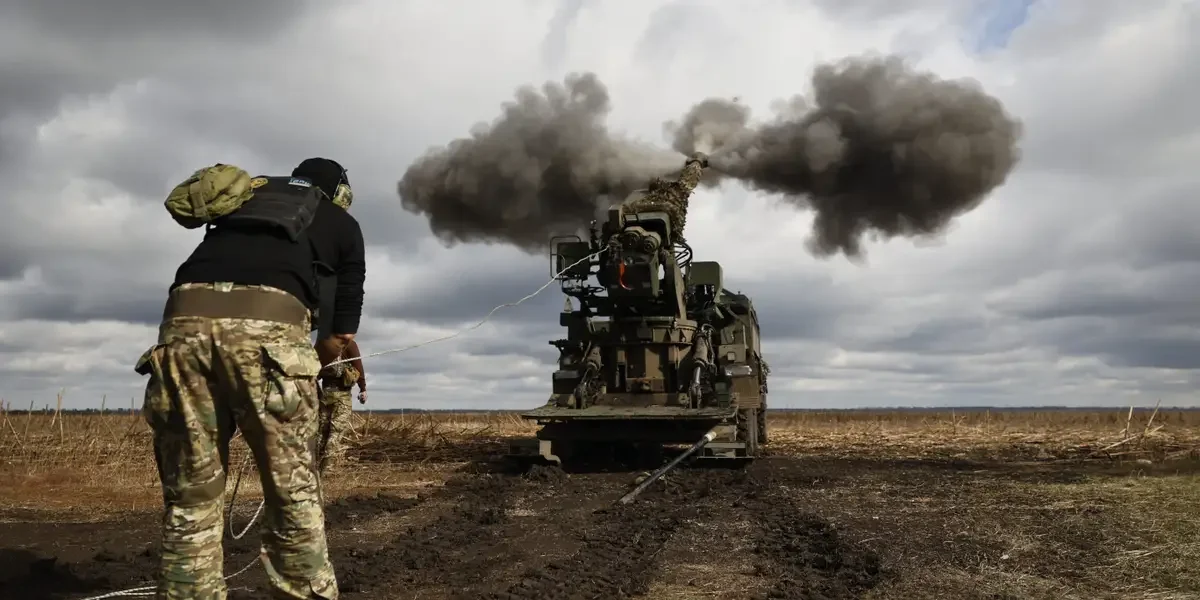
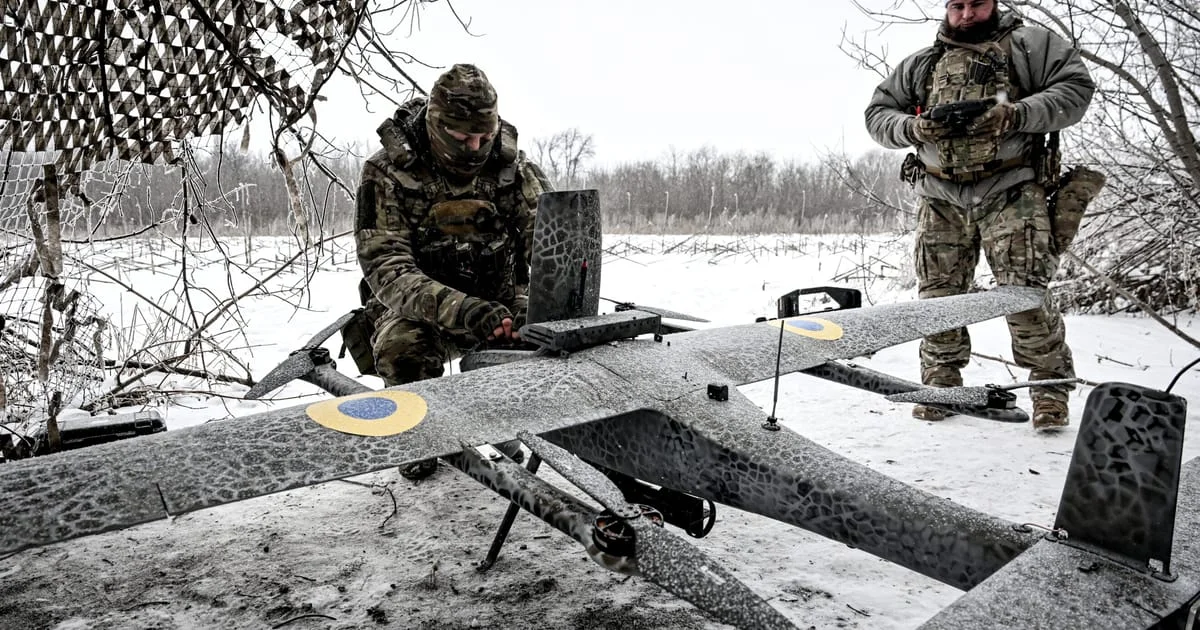
Ukraine’s battlefield needs and rapid industry feedback are pushing NATO to overhaul defense procurement, shifting from slow stockpiling to fast, modular, software-defined weapon upgrades and closer collaboration among soldiers, industry, and testing ranges to speed delivery and relevance of arms.
The Air Force and Northrop Grumman agreed to boost annual B-21 Raider production by 25% using $4.5 billion from FY2025 reconciliation to accelerate delivery of the stealth bomber fleet, preserving cost and performance discipline. With 2025 deliveries on schedule and a planned 2027 ramp at Ellsworth AFB, the B-21 remains central to nuclear modernization and long-range strike, enabling faster fielding of combat capability to deter and defeat emerging threats.
Germany plans a €267.7 million purchase of Helsing HX-2 loitering drones to modernize the Bundeswehr, but field data from Ukraine show a hit rate around 36% due to technical issues, raising questions about promised performance; Helsing cites successful trials elsewhere and limited Ukrainian data, while lawmakers await a February decision on a framework deal that could scale up to tens of thousands of drones and include multiple suppliers.
Ukraine has uncovered a major corruption scheme in its defense procurement sector, highlighting ongoing issues with transparency and integrity in military spending.
Australia's decision to dismantle and bury its grounded Taipan helicopters, instead of sending them to Ukraine, has sparked criticism and prompted calls for transparency. The Defense Department defended its decision, citing safety and operational concerns, as well as the high cost of maintaining the helicopters. While some legislators support sending the helicopters to Ukraine to aid in medical evacuation, others are concerned about Australia's own asset shortage for emergency response.
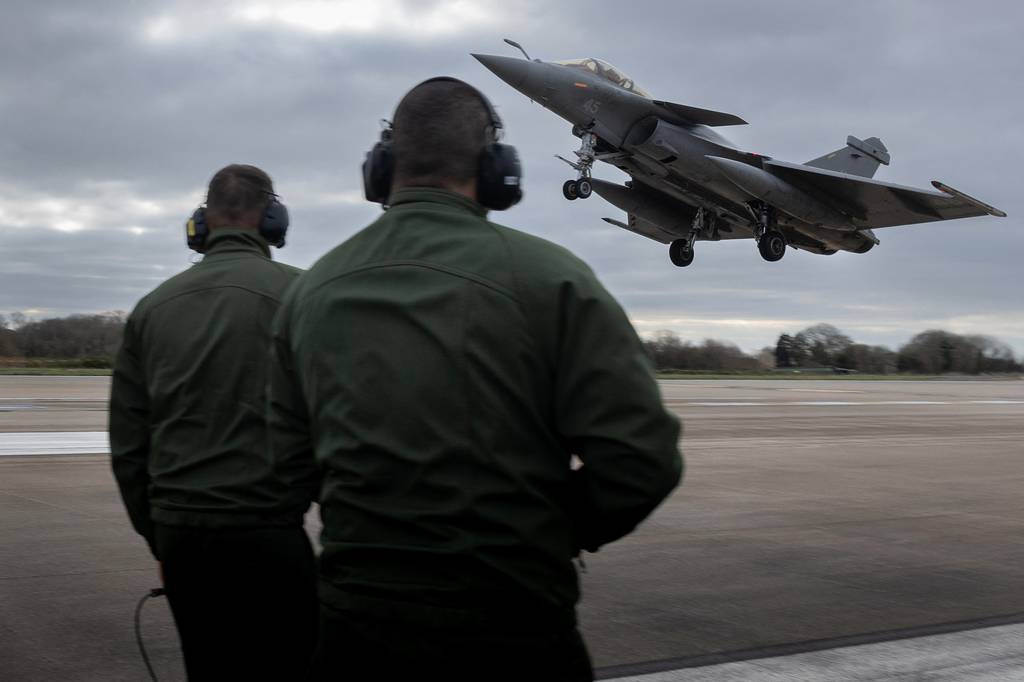
France has purchased 42 Rafale fighter jets from Dassault Aviation for over $5.5 billion, with the new aircraft to be fitted to the F4 production standard and featuring modernized operational capabilities. The purchase comes amid concerns about the Future Combat Air System, a successor to the Rafale, which isn't expected to enter service before 2045 or 2050. The deal, the first major expenditure under France’s 2024-2030 military budget law, will support over 7,000 jobs across more than 400 companies.
NATO's procurement arm has facilitated a deal for Germany, the Netherlands, Romania, and Spain to purchase up to 1,000 Patriot air defense missiles. The contract was awarded to COMLOG, a joint venture between Raytheon and MBDA, to support the European Sky Shield Initiative (ESSI) and expand European production capacity for the new GEM-T missiles, aiming to meet the growing demand for air defense capabilities among NATO members.
The U.S. Department of the Treasury's Office of Foreign Assets Control (OFAC) has targeted a network led by Belgian businessman Hans De Geetere, which is involved in procuring electronics with military applications for Russian end-users. Concurrently, the U.S. Department of Justice (DOJ) has unsealed two indictments against De Geetere for unlawfully exporting sensitive military-grade technology to China and Russia. The U.S. Department of Commerce has also added De Geetere and five entities to the Bureau of Industry and Security (BIS) Entity List. The coordinated action aims to enforce sanctions and export controls, holding accountable those who seek to evade these measures and disrupt Russia's access to critical military technology.
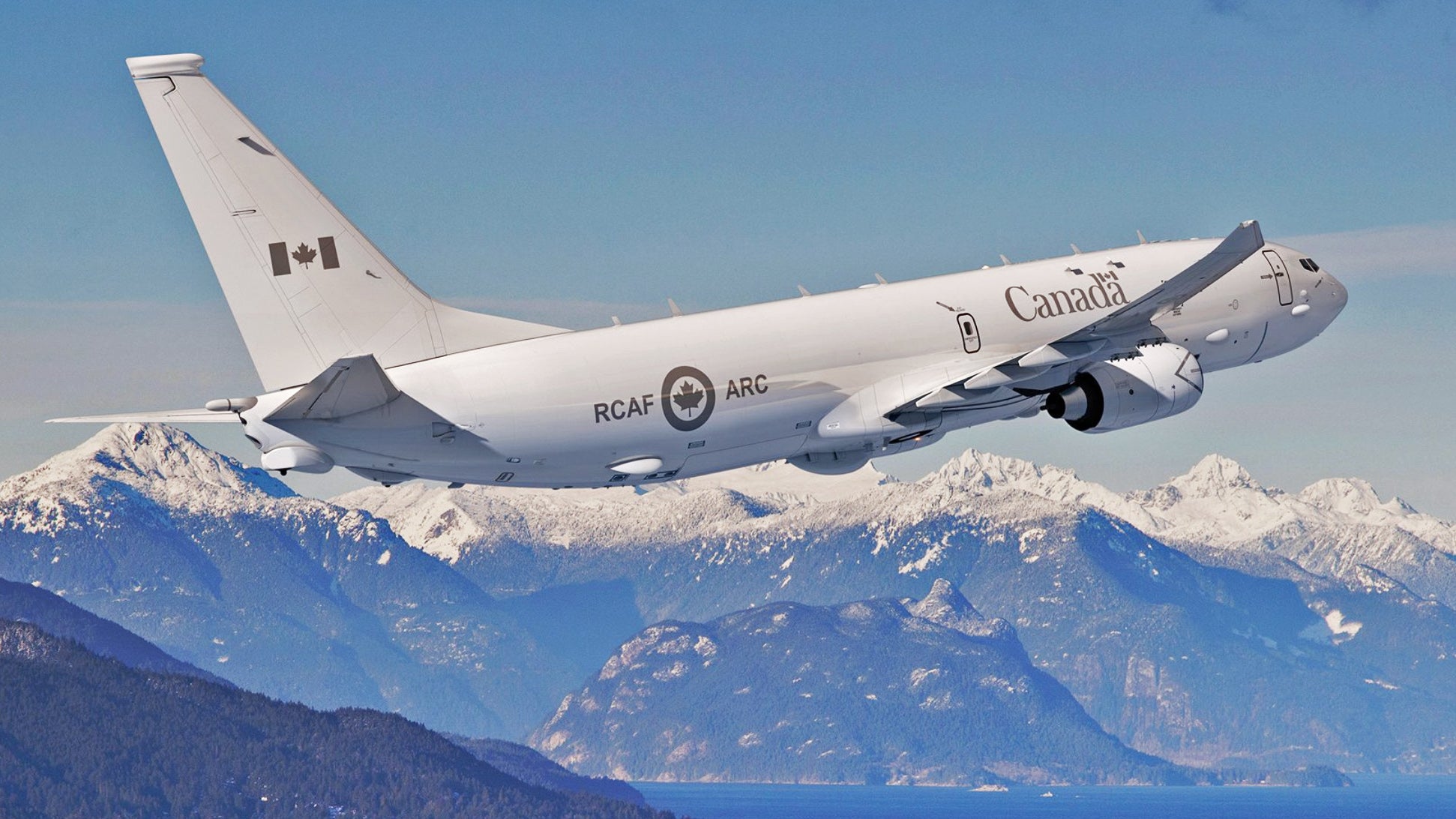
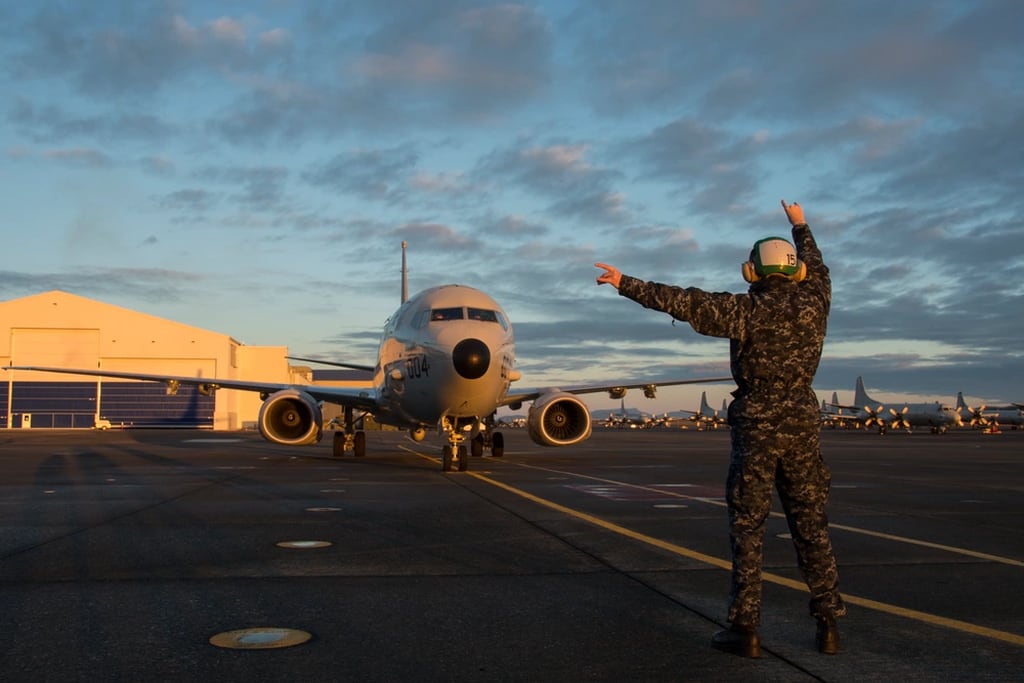
Canada has officially chosen the Boeing P-8 Poseidon as its next maritime patrol aircraft (MPA), awarding Boeing a sole-source deal valued at around $5.9 billion for 14 P-8s. The decision marks a turnaround for Boeing, which had been criticized as an untrustworthy partner in 2017. The P-8 will replace the CP-140 Aurora in the Royal Canadian Air Force and is expected to be delivered starting in 2026. The P-8 offers improved performance, multi-mission capabilities, and strategic advantages as all Five Eyes allies will operate the aircraft. The decision also aligns with Canada's strategic responsibilities in the Arctic and increasing militarization in the region.
Canada has officially announced a $5.9 billion deal to purchase 14 Boeing-made P-8A Poseidon maritime patrol aircraft, with an option to buy two more at a later date. The P-8A will replace Canada's aging CP-140 Aurora fleet, which has been in service for over 40 years. The delivery of the aircraft is expected to start in 2026, with the fleet becoming fully operational by 2033. The decision to acquire the P-8A was driven by the aircraft's proven capabilities and the need to address increasing threats, particularly in the Arctic. The deal includes additional spending on infrastructure, weapons, and simulators, and Boeing is expected to provide investment in the Canadian industry.
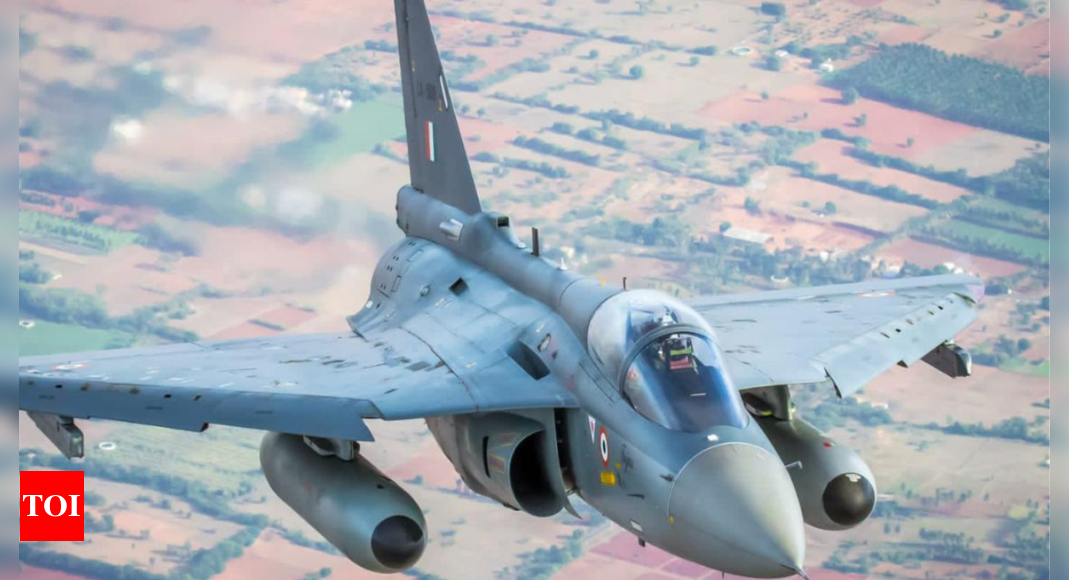
The Indian defense ministry has given preliminary approval for capital acquisition proposals worth Rs 2.23 lakh crore, including the procurement of 97 Tejas fighters, 156 Prachand helicopters, and an upgrade of 84 Sukhoi-30MKI jets. The approvals also include new artillery gun systems, anti-ship missiles, and amendments to the Defense Acquisition Procedure to ensure a minimum of 50% indigenous content in procurement cases. These proposals aim to boost indigenous defense production and will need final clearance from the cabinet committee on security before contracts can be signed.
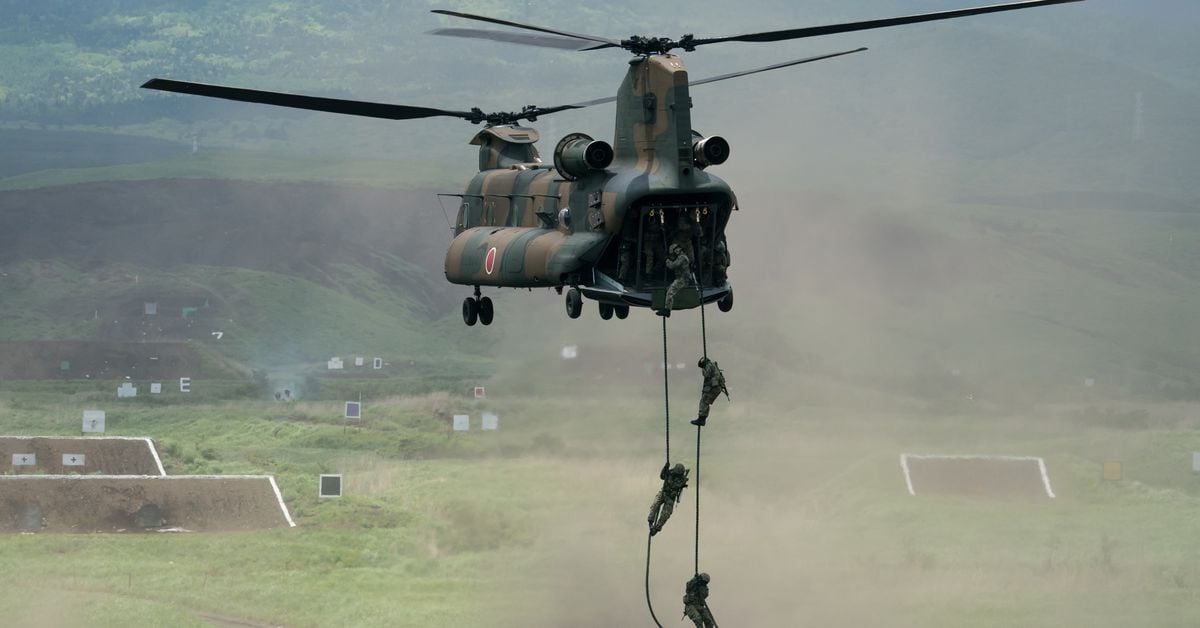
Japan is being forced to scale back its historic five-year, 43.5-trillion-yen defense build-up due to the collapse of the yen, which has lost 10% of its value against the dollar since the plan was unveiled in December. The weak yen has led Tokyo to reduce its ambitious defense procurement plan, including cutting back on aircraft purchases starting in 2024. Japan's Ministry of Defense does not hedge against currency rate fluctuations, leaving it with few means to mitigate the rising cost of military equipment. The reduction in spending could impact Japan's ability to deter a Chinese invasion of Taiwan and raise concerns in Washington about its ally's defense capabilities.
Japan is scaling back its historic five-year, 43.5-trillion-yen defense build-up due to a 10% decline in the value of the yen against the dollar. The weakening currency has forced Tokyo to reduce its ambitious defense procurement plan, which was initially calculated to cost $320 billion. Japan will begin cutting back on aircraft purchases in 2024, the second year of the build-up, due to the weak yen. The depreciation of the yen could undermine Japan's military build-up and impact its ability to deter a Chinese invasion of Taiwan.
Lithuania's Deputy National Defense Minister, Greta Monika Tučkutė, has called for European countries to include American companies in defense procurement, emphasizing the importance of the transatlantic bond in deterring adversaries. While some European countries advocate for strategic autonomy and spending European money on European companies, Central and Eastern European countries, closer to the front lines and threatened by Russia, are more inclined to purchase American weaponry. Tučkutė suggests that the European Defense Fund could also support projects involving U.S. companies collaborating with European defense contractors. Lithuania has significantly increased its defense spending and is diversifying its weapons acquisitions from various countries, including France, Germany, and the United States, to strengthen its defense capabilities against potential adversaries like Russia and China.
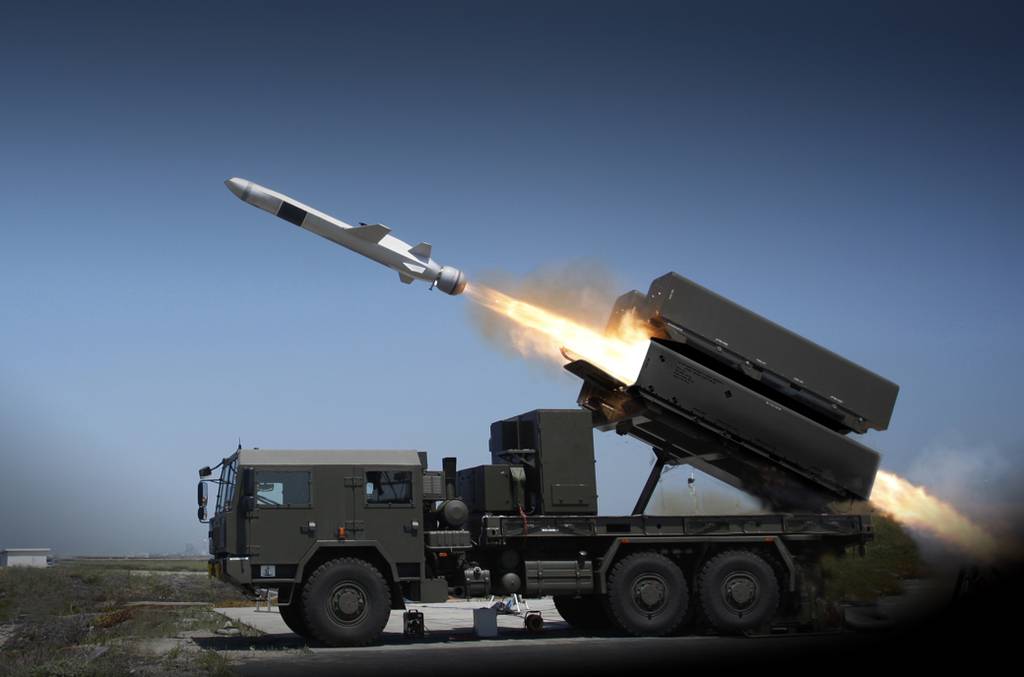
Poland has signed a $2 billion deal with Norwegian company Kongsberg Defence and Aerospace to purchase "several hundred" Naval Strike Missiles, along with command vehicles and missile launchers. The contract aims to enhance Poland's coastal defense capabilities along the Baltic Sea. Deliveries are scheduled between 2026 and 2032, and Polish defense companies will collaborate with the Norwegian business in supplying the weapons. This deal marks the largest single contract in Kongsberg's history. The move comes as several regional countries, including Latvia, are bolstering their naval strike capabilities in response to Russia's invasion of Ukraine.