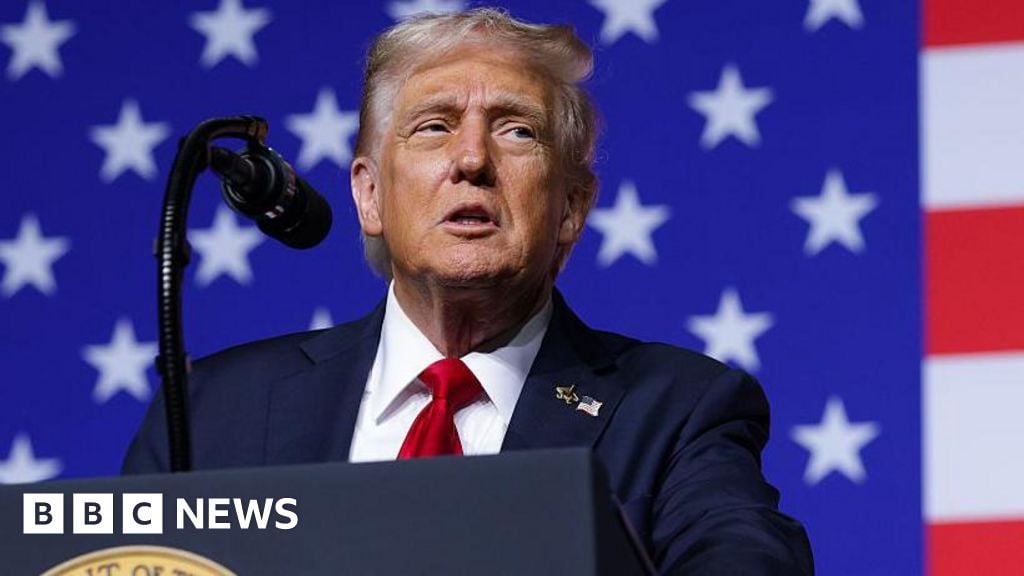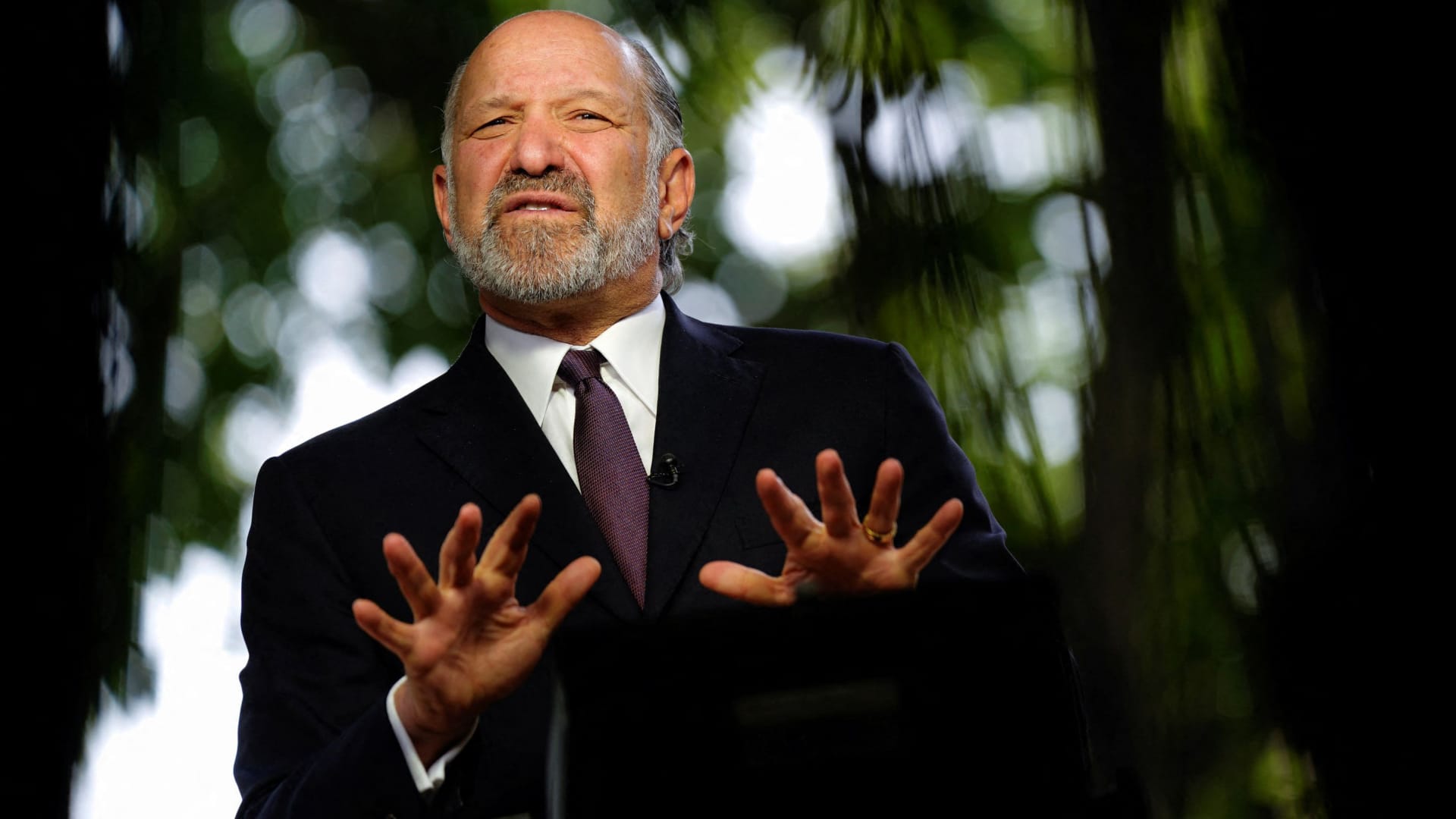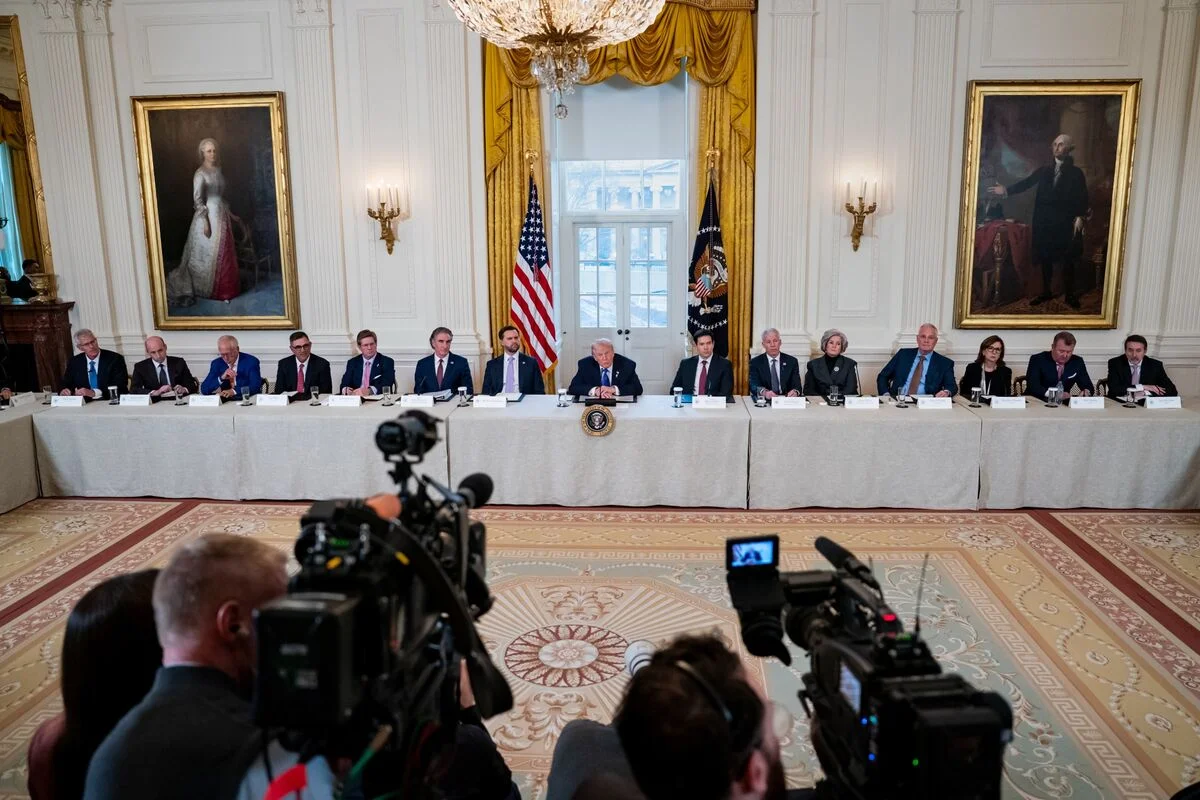
The article discusses how President Trump is increasingly intervening in private sector decisions, pressuring companies on issues like defense spending, oil investments in Venezuela, and housing policies, which has caused concern among CEOs and altered traditional Republican business policies. Despite pushback from some businesses and lawmakers, Trump continues to seek influence over corporate actions, blending deregulation with populist interventions as he seeks political gains ahead of midterm elections.

President Trump issued an executive order targeting defense contractors, restricting stock buybacks and corporate profits during underperformance, and proposing caps on executive pay, aiming to improve defense production and accountability, though experts highlight ambiguities and implementation challenges.
President Donald Trump has proposed increasing US defense spending to $1.5 trillion by 2027, over 50% more than the current budget, citing the need for a stronger military amid rising global tensions. He criticized defense contractors for slow production and high executive pay, threatening to cut business with companies like Raytheon if they do not accelerate manufacturing. The proposal is part of broader efforts to bolster US military capabilities in a tense geopolitical climate.
President Trump criticized US defense contractors for slow military production and excessive executive pay, threatening to cut ties with Raytheon and urging increased investment in manufacturing and defense spending, while expressing concerns over shareholder profits taking precedence over military needs.
Top Pentagon officials are considering acquiring equity stakes in defense contractors like Lockheed Martin, following the U.S. government's recent investment in Intel, as part of broader discussions on government involvement in private defense and technology sectors under the Trump administration.
Colorado-based startup Ursa Major has raised $138 million in Series D funding to develop 3-D printing technology for the production of solid rocket motors, aiming to help replenish the depleted missile arsenal of the US. The company's expansion into defense comes as its commercial engine business struggled to compete with SpaceX. Ursa Major's new investors include RTX Ventures, the VC arm of defense giant Raytheon, which produces anti-aircraft and anti-armor missiles. The startup aims to address the industry consolidation that has left the US with just two large makers of solid-fuel rocket motors, Aerojet Rocketdyne and Northrop Grumman's Orbital ATK division.
The Russian invasion of Ukraine in 2022 is boosting revenues for big US defense contractors as the US government restocks supplies shipped to Ukraine and European countries arm themselves against Moscow's aggressions. Lockheed Martin, General Dynamics, and RTX have reported better-than-expected results, with existing orders for artillery rounds, Patriot missile interceptors, and armored vehicles expected to underpin their future results. The conflict in Ukraine and Israel's war with Hamas are expected to drive up near-term demand. Other defense companies, such as Northrop Grumman, Saab, and Rheinmetall, are also experiencing increased sales due to strong defense demand. However, supply chain issues and a lack of skilled labor continue to hamper companies' capacity to fill orders.
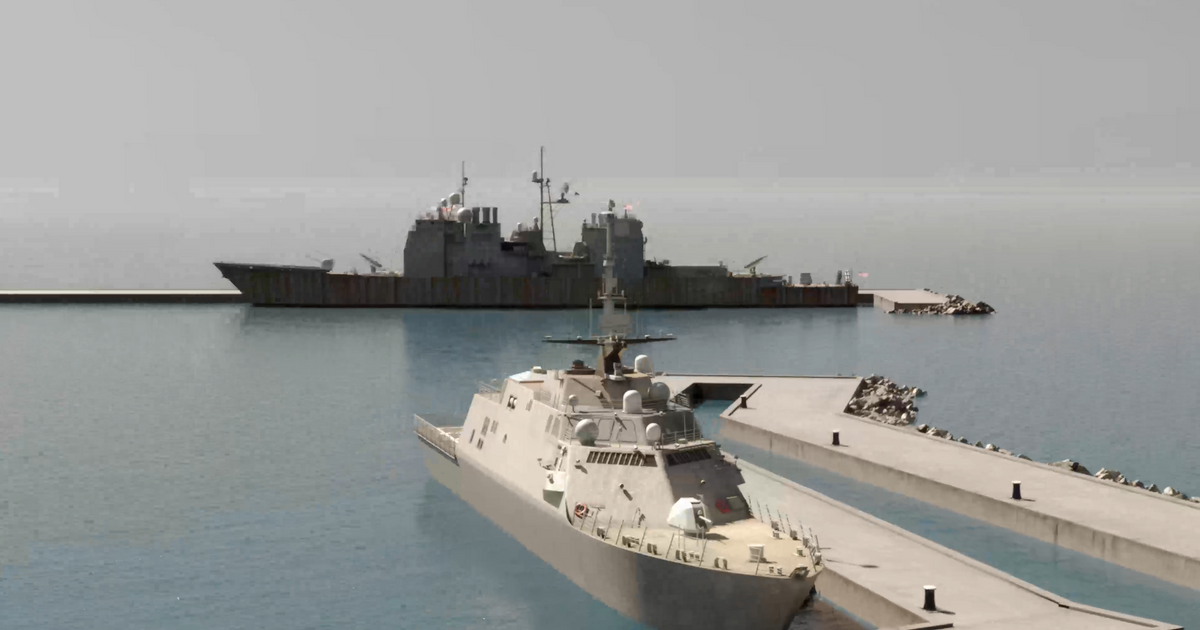
The U.S. Navy's littoral combat ship (LCS) program, which was intended to be a technical marvel capable of combatting enemies at sea, hunting mines, and sinking submarines, has turned into one of the military's biggest boondoggles. The LCS program has been plagued by overpriced and underperforming ships, with rampant mechanical failures and a failure to carry out its intended missions. ProPublica's investigation reveals that top Navy leaders repeatedly dismissed or ignored warnings about the ships' flaws, while defense contractors lobbied Congress to build more ships. The LCS program has cost billions of dollars and may reach a lifetime cost of $100 billion or more, leaving taxpayers with fewer than 30 limited-survivability, single-mission ships.
US and NATO leaders are looking to a security model similar to Israel's to aid Ukraine in its fight against Russia and guarantee its sovereign future. The inability of US defense contractors to quickly replenish weaponry for Ukraine has led to arguments that industry consolidation has gone too far.
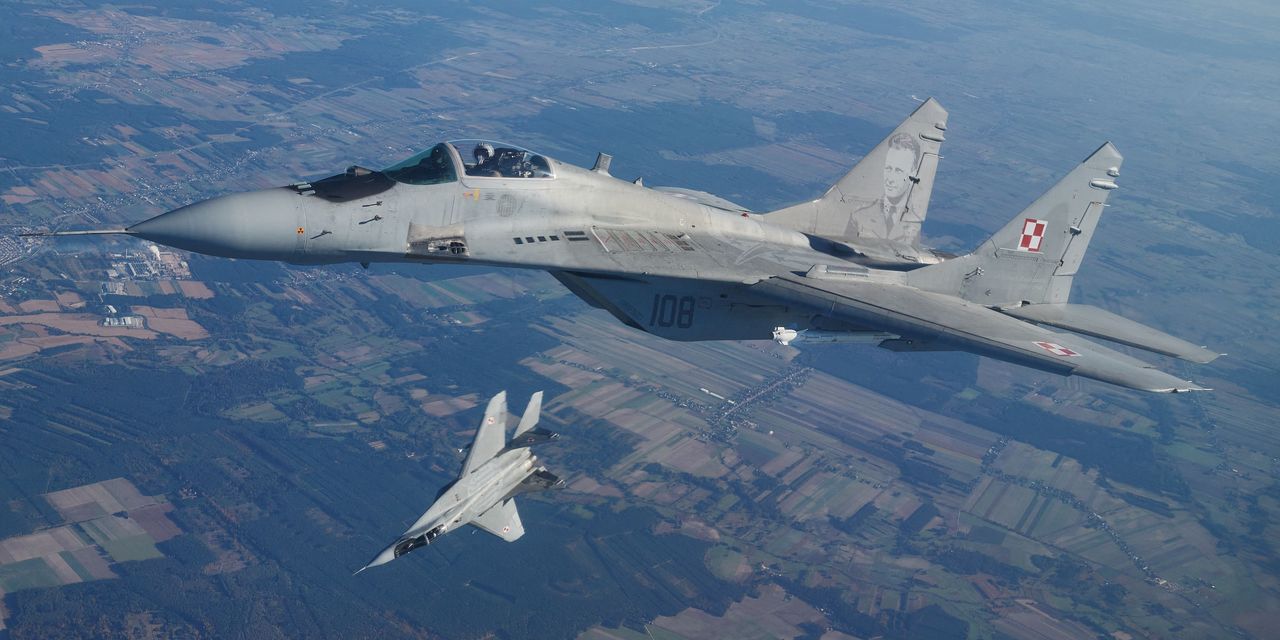
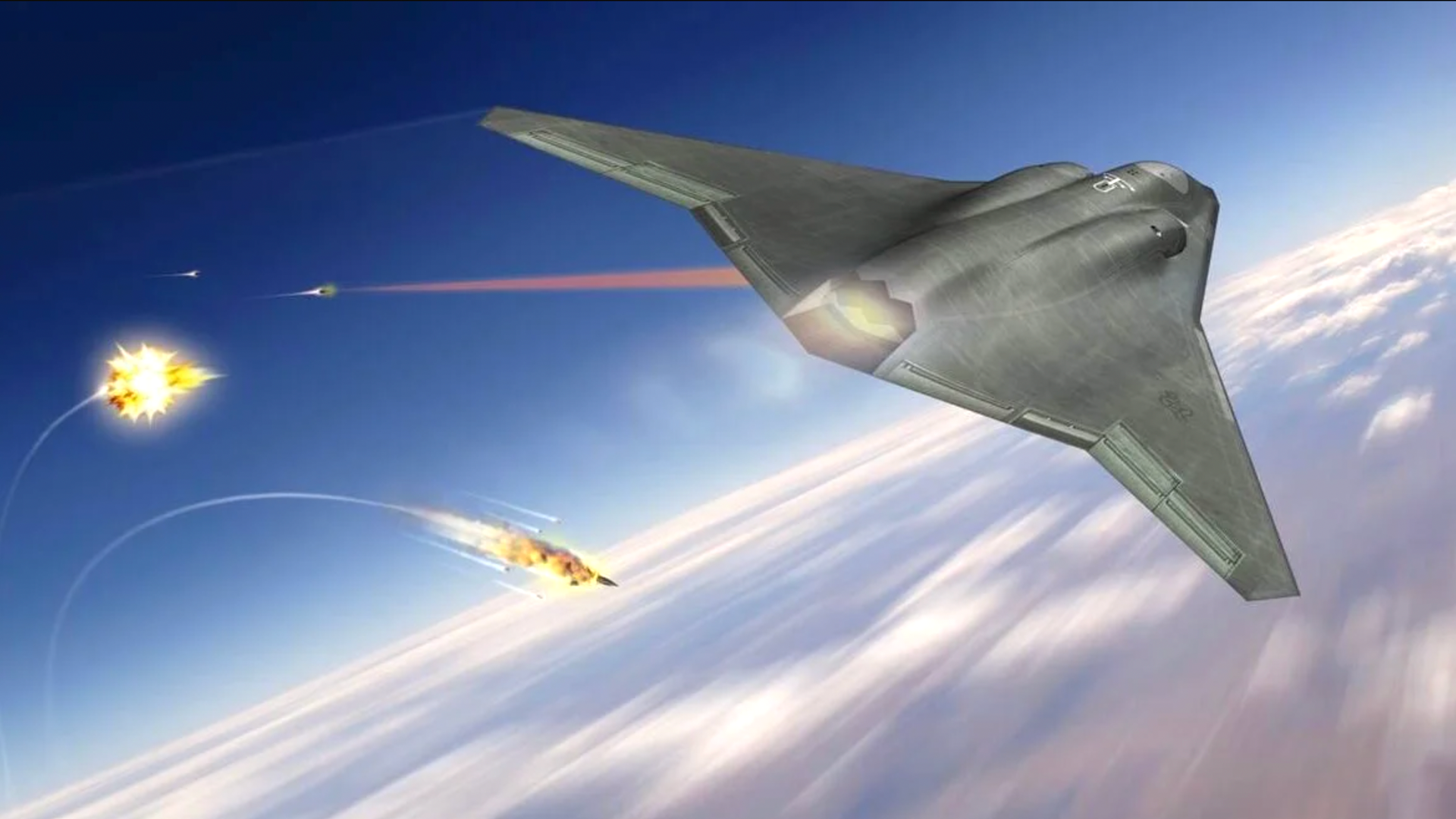
The US Air Force has launched a competition for defense contractors to develop a sixth-generation Next Generation Air Dominance fighter jet that will replace the F-22 Raptor in its fleet. The aircraft would eventually perform counter-air missions “with the ability to strike both airborne and ground-based threats to achieve air superiority and support the Joint Force.” The service is currently planning to procure a “nominal quantity” of 200 aircraft, with the contract set to be awarded in 2024. The NGAD began as a Defense Advanced Research Projects Agency (DARPA) project in 2015.