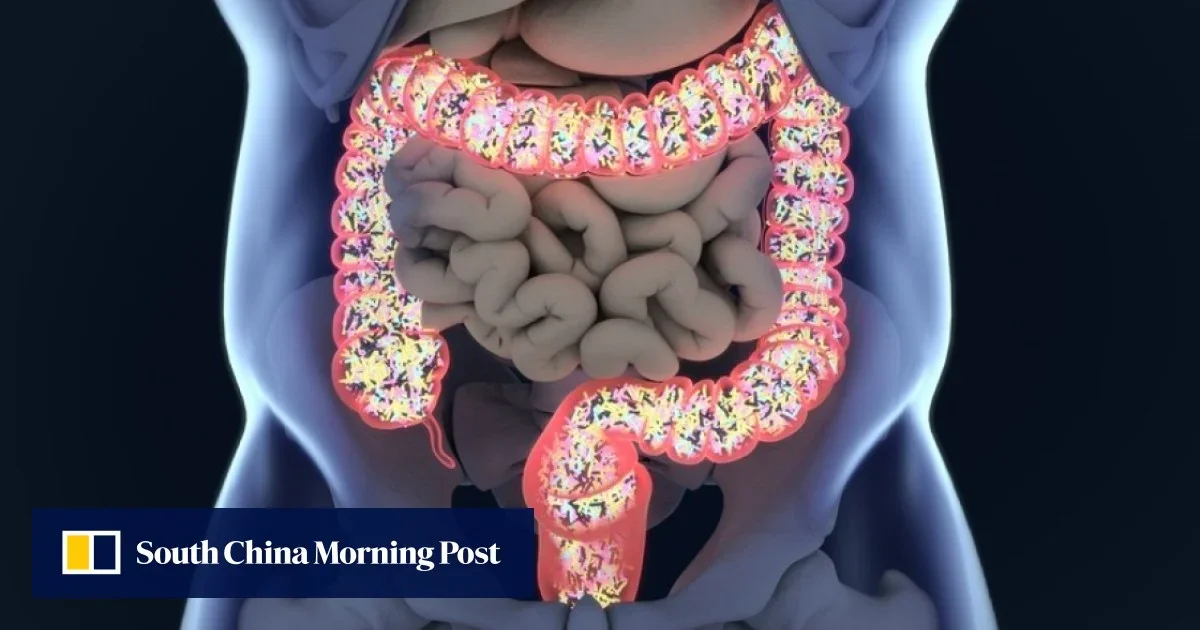
Protecting and improving your gut microbiome, a diverse community of bacteria, fungi, and viruses in the gut, is crucial for digestive health, vitamin synthesis, and maintaining the intestinal barrier, with benefits extending beyond digestion.
Scientists have discovered a new bacterial phylum, CSP1-3, deep within Earth's crust in Iowa and China, which plays a crucial role in purifying water by consuming pollutants and may be among the most ecologically significant microbes in deep soil environments, challenging previous assumptions about inertness in such habitats.
Researchers have discovered a bacterium from Yellowstone that can simultaneously perform aerobic and anaerobic respiration, challenging previous assumptions about the limits of cellular respiration and providing insights into how early life adapted during Earth's oxygenation events.
The article discusses how the microbiome, especially gut bacteria, plays a crucial role in overall health, influencing everything from immune response to mental health, and emphasizes that supporting a diverse and balanced microbiome through lifestyle choices can significantly impact lifelong well-being.
Scientists are collecting and freezing human fecal samples in Switzerland to preserve microbial diversity for future generations, aiming to gather 10,000 samples by 2029 to help address health crises and environmental issues caused by microbial loss.
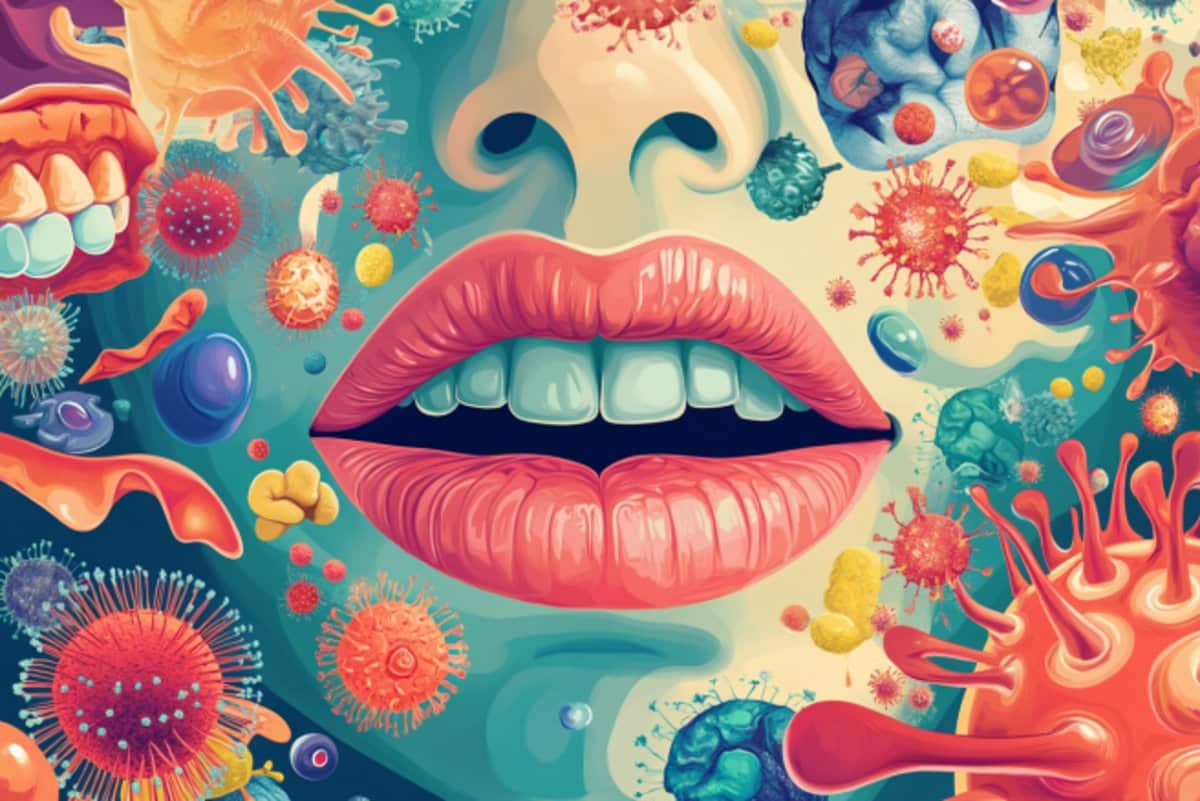
A study finds that lower diversity of oral bacteria is linked to increased depression symptoms, suggesting the oral microbiome could serve as a biomarker or target for mood disorder treatments, though further research is needed to understand the causality and mechanisms involved.
A recent study led by Dr. Li Jiao suggests that milk consumption enhances beneficial gut bacteria, while cheese may reduce certain microbes, highlighting the complex relationship between dairy products and gut health. The research emphasizes the potential of dairy to support a diverse and balanced microbiome, though findings are preliminary and based on a small sample of older men. Future studies are needed to explore these effects across different populations and dairy types.
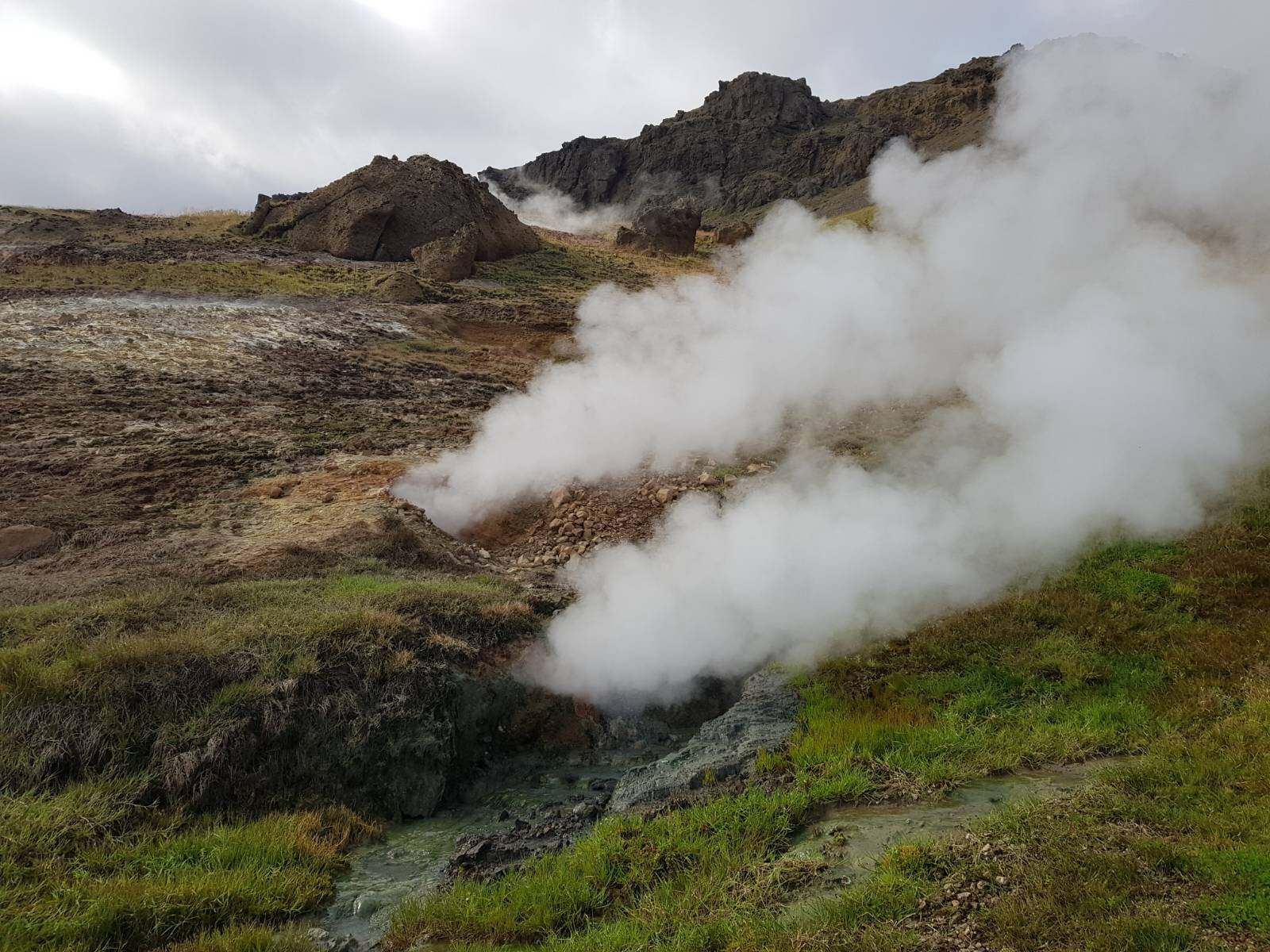
A study from the University of Vienna reveals that warmer soils lead to a greater diversity of active microbes, challenging the previous assumption that higher temperatures accelerate microbial growth and carbon release. The research, conducted in a subarctic grassland in Iceland, found that while soil warming increased microbial growth at the community level, the growth rates of microbes in warmer soils were similar to those at normal temperatures. However, the pivotal difference lay in the bacterial diversity, with warmer soils harboring a more varied array of active microbial taxa. This finding has significant implications for understanding the soil microbiome's reaction to climate change and its impact on future carbon dynamics.
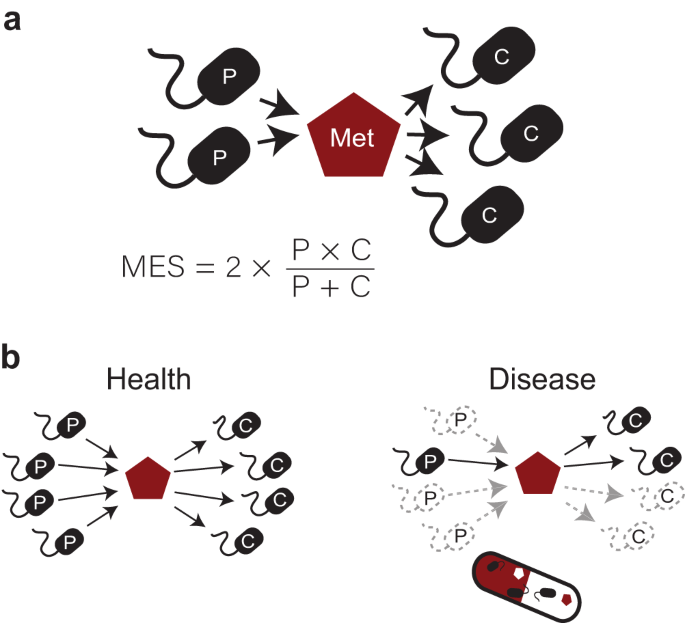
A study has found that disease-specific disruptions in microbial cross-feeding interactions in the human gut may contribute to various health conditions. The researchers developed a scoring system called the Metabolite Exchange Score (MES) to identify the most affected cross-feeding interactions in diseases. By analyzing a dataset of 1661 stool metagenomes from healthy and diseased individuals, they discovered associations between specific diseases and disruptions in microbial metabolism, such as colorectal cancer and ethanol metabolism, rheumatoid arthritis and ribosyl nicotinamide metabolism, and Crohn's disease and hydrogen sulfide metabolism. The study highlights the potential of targeting and restoring microbial interactions as a strategy for treating gut microbiome-related diseases.
A new study by the University of Copenhagen has found that the secret to living to 100 could be down to a unique combination of gut bacteria. The study of 176 centenarians from Japan found that they had a huge variety of both bacteria and bacterial viruses in their guts, which is usually associated with a healthy gut microbiome. The researchers used a specially created algorithm to map the intestinal bacteria and bacterial viruses, and hope to replicate this bacterial variety to fight common diseases.
A new study by the University of Copenhagen has found that the secret to living to 100 could be down to a unique combination of gut bacteria. The study of 176 centenarians from Japan found that they had a huge variety of both bacteria and bacterial viruses in their guts, which is usually associated with a healthy gut microbiome. The researchers used a specially created algorithm to map the intestinal bacteria and bacterial viruses, and hope to replicate this bacterial variety to fight common diseases.
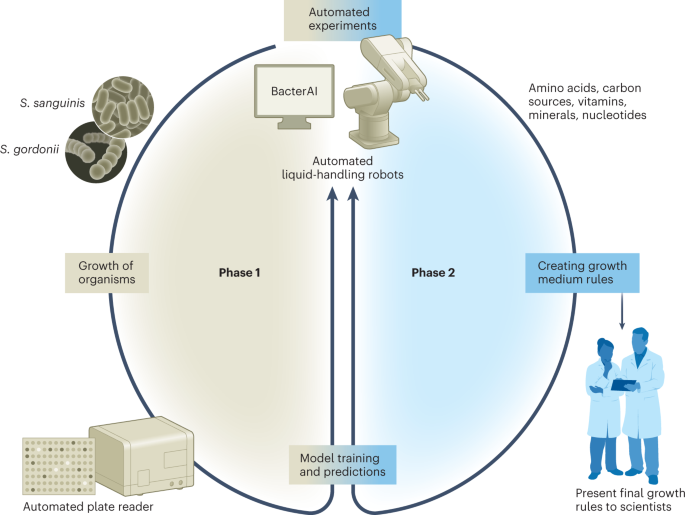
BacterAI, an integrated lab automation and machine learning platform, could help overcome the challenges of culturing understudied microorganisms by learning appropriate culture conditions as a game. Currently, fewer than 2% of all microbial species are culturable due to a lack of knowledge about growth requirements and the tedious, labour-intensive experiments that stand in the way of this essential knowledge. BacterAI could be the future of studying microbial diversity and discovering novel bioactive molecules such as antibiotics.