Bezos-Backed Methane Satellite Lost in Space
MethaneSAT, a satellite launched to monitor global methane emissions from oil and gas sites, has been lost after losing contact and power, marking a setback in climate monitoring efforts.

All articles tagged with #methane emissions
MethaneSAT, a satellite launched to monitor global methane emissions from oil and gas sites, has been lost after losing contact and power, marking a setback in climate monitoring efforts.
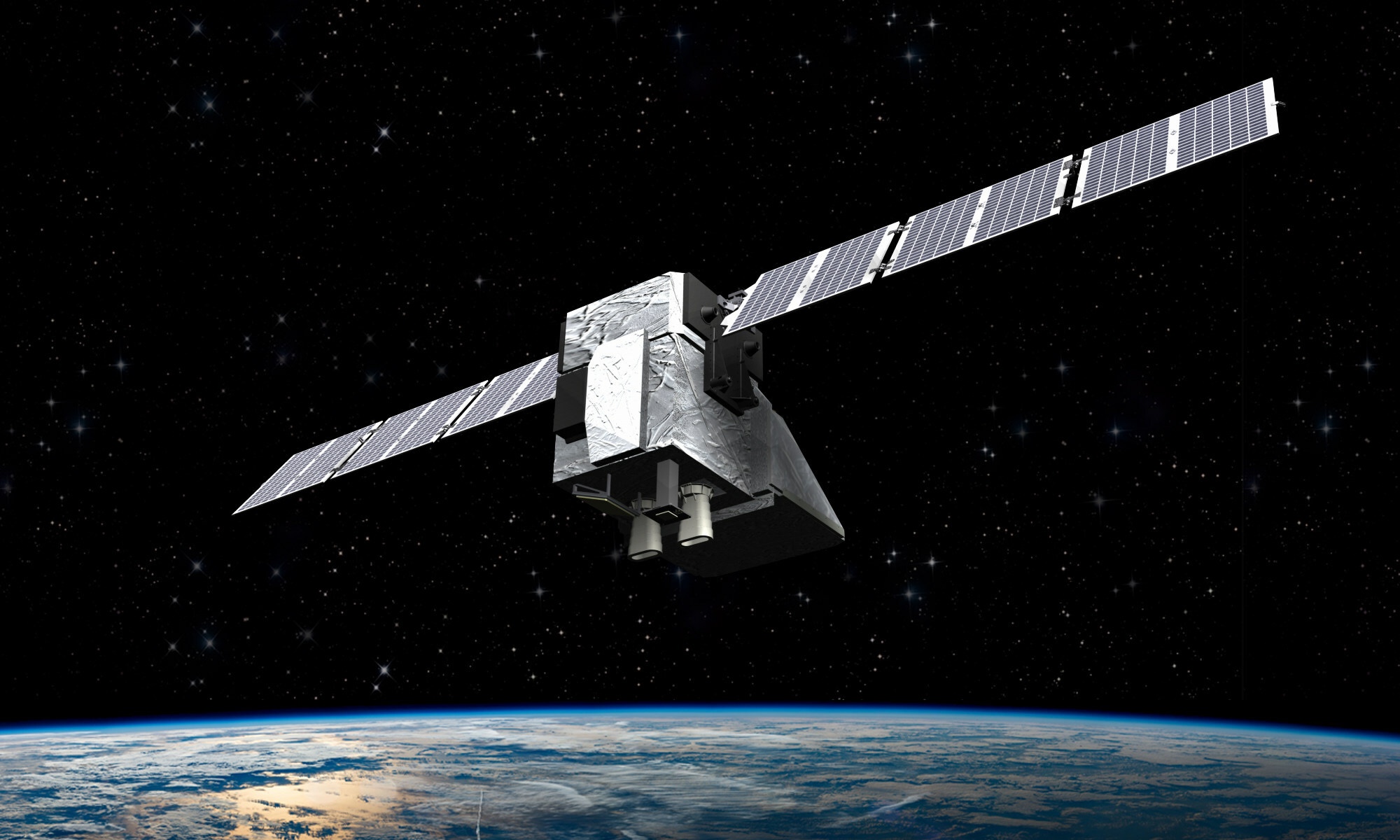
MethaneSAT, a privately funded satellite launched in March 2024 to measure methane emissions, failed in orbit after just over a year, marking a setback for space-based environmental monitoring efforts.
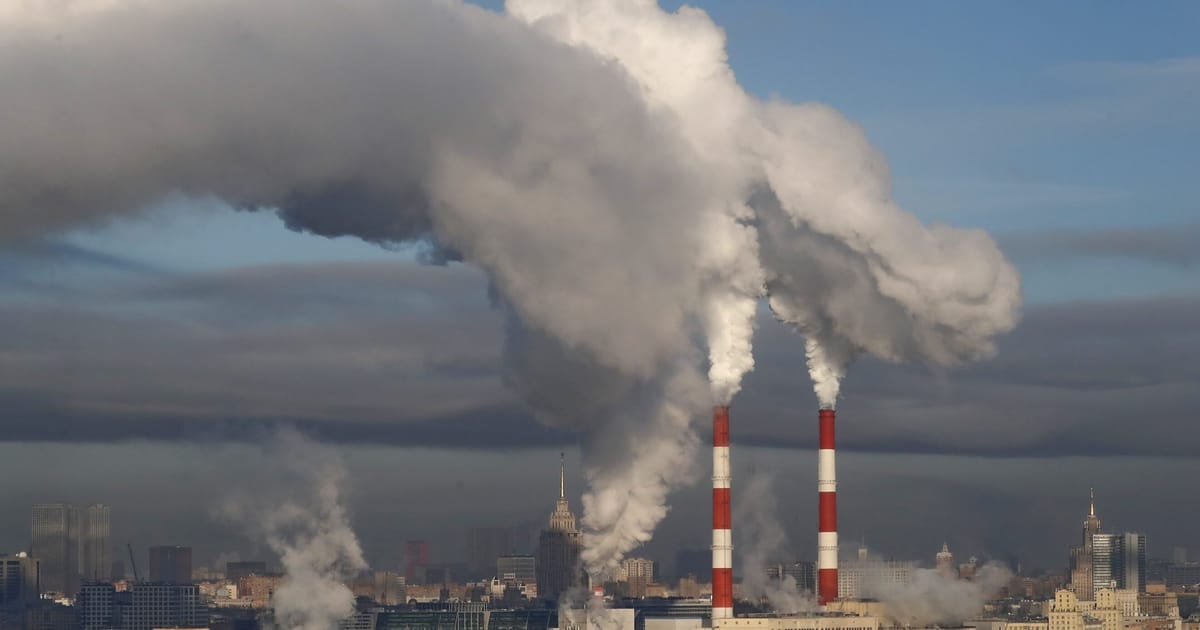
The EU is implementing new regulations aimed at reducing Russian gas imports and cutting off funds to Moscow, but faces challenges from member states like Hungary and Slovakia, while also considering stricter methane emission rules that could impact U.S. fuel imports.
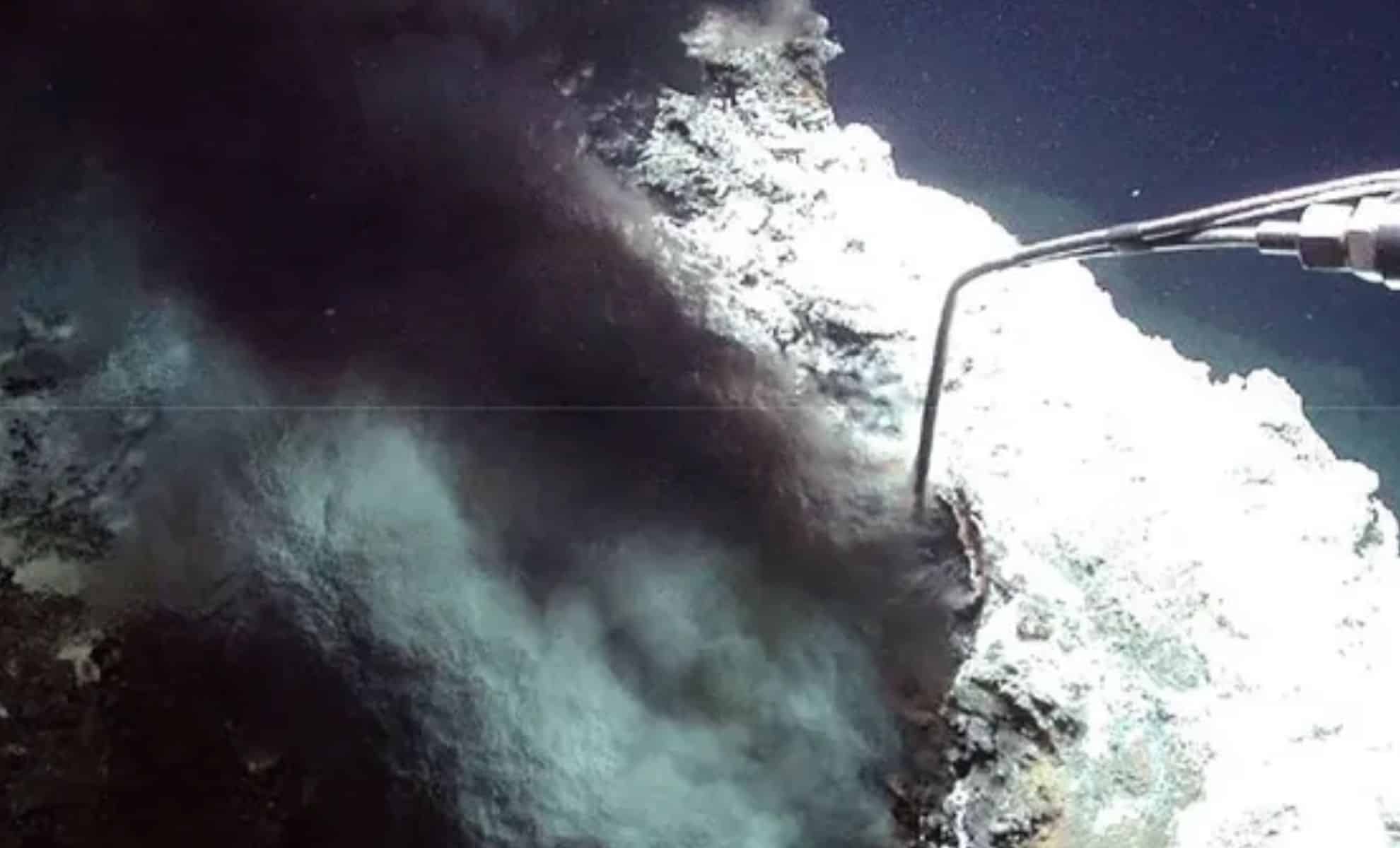
Scientists discovered black smoker hydrothermal vents in the Arctic's Knipovich Ridge, a rare find for slow-spreading ridges, revealing high methane levels and unique ecosystems, with implications for climate science and Earth's geology.
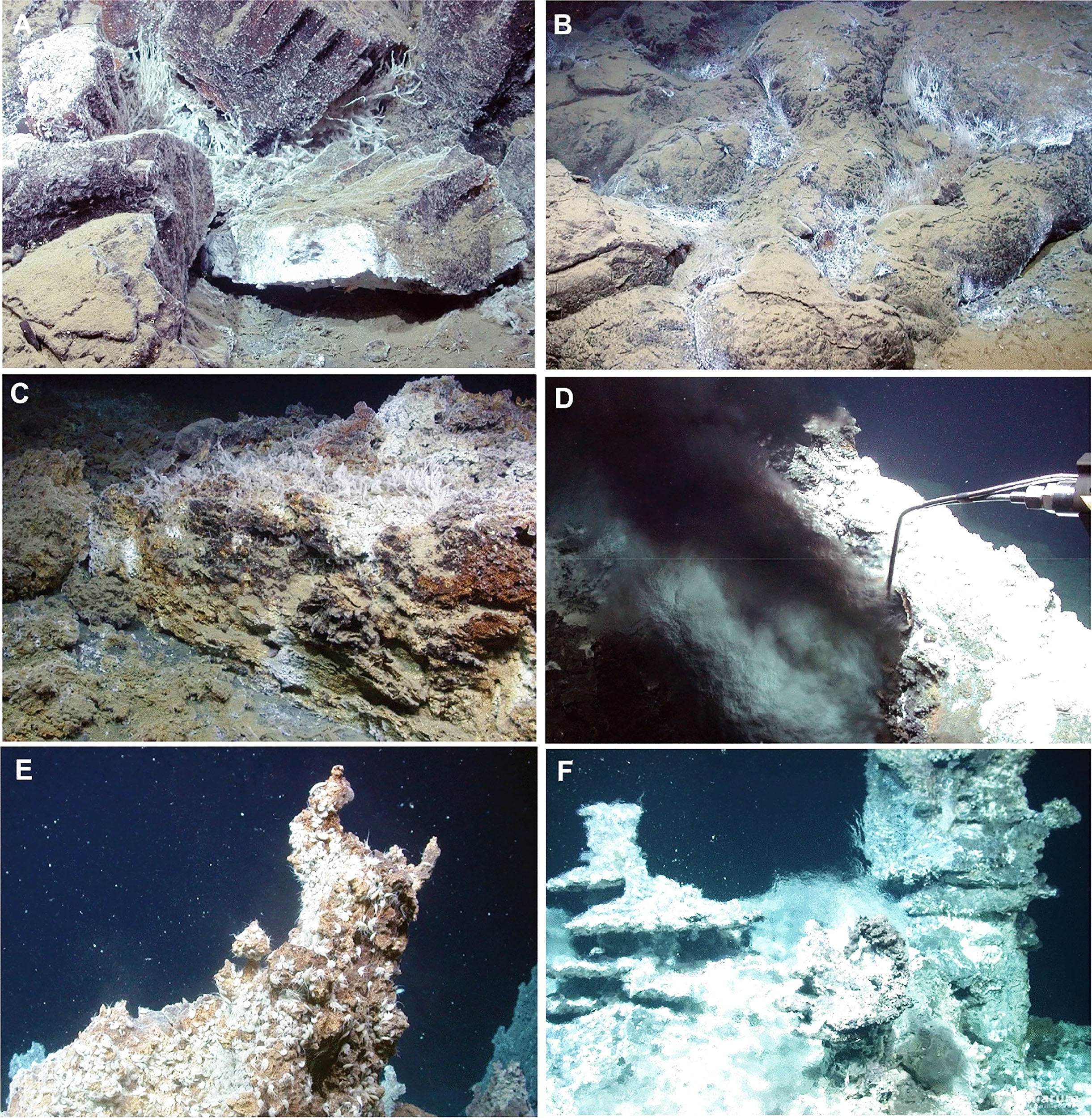
Scientists discovered the Jøtul hydrothermal vent field in the Arctic, revealing unique black smokers with high methane levels, challenging previous assumptions about slow-spreading ridges and highlighting the potential for more undiscovered vents in the region, which could impact climate models and our understanding of early life.
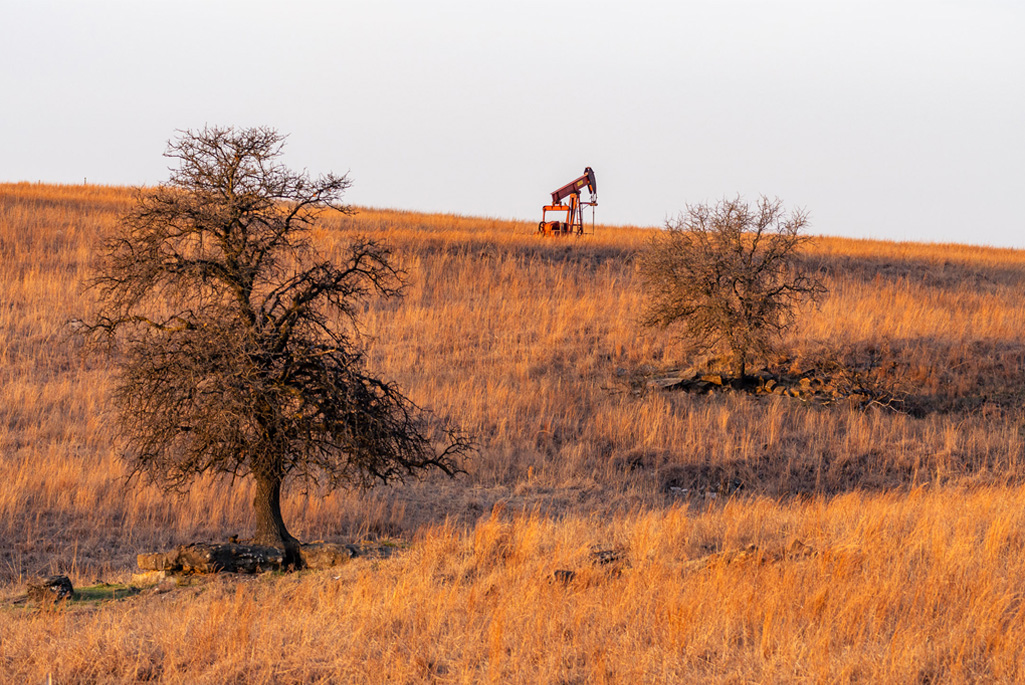
Researchers are using AI to identify undocumented orphaned oil and gas wells in the U.S., which pose environmental risks by potentially leaking chemicals and methane. By analyzing historical USGS maps, AI helps locate these wells, which are then verified using drones and sensors. This initiative, part of the CATALOG project, aims to improve detection and plugging of these wells to mitigate environmental hazards and reduce methane emissions.
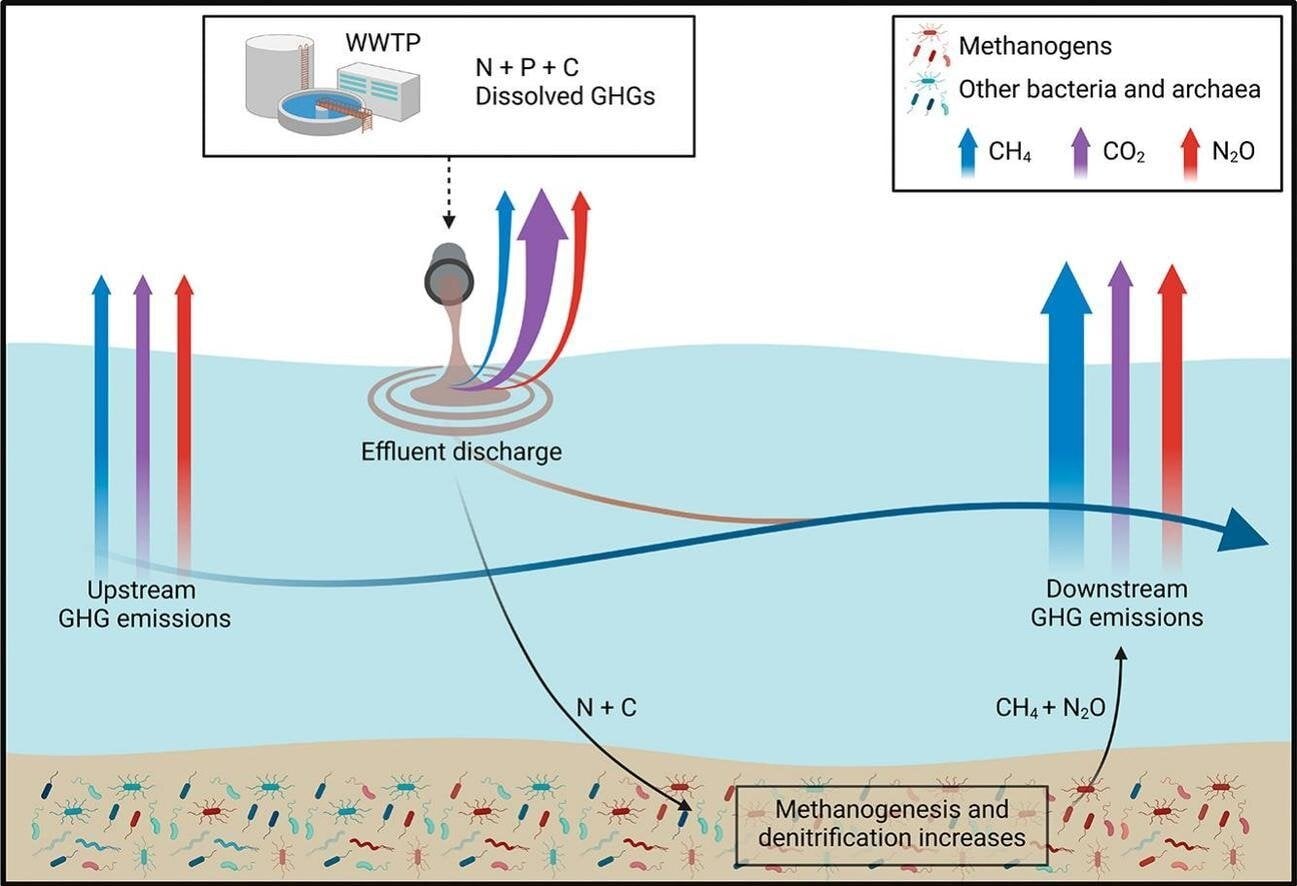
Research by Ida Peterse and Lisanne Hendriks from Radboud University reveals that rivers receiving treated wastewater emit five times more methane than those without such discharge. The study, published in Science of The Total Environment, measured methane emissions along the Linge and Kromme Rijn rivers, finding a significant increase in emissions two kilometers downstream from wastewater treatment plants. The treated water, while meeting Dutch standards, still contains nutrients like nitrogen and phosphate, promoting algae growth and subsequent methane production by microorganisms. This highlights the environmental impact of treated wastewater on riverine methane emissions.
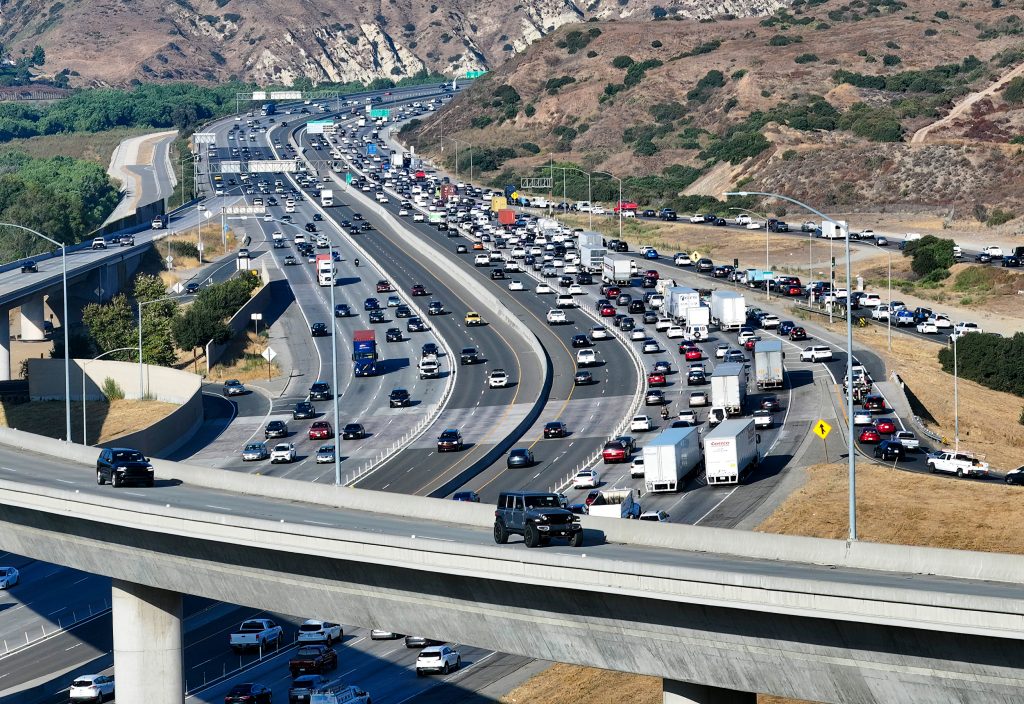
The American Petroleum Institute has released a five-point plan urging the incoming Trump administration to repeal several Biden-era climate policies, including tailpipe and fuel economy standards, restrictions on drilling, and a methane emissions fee. The plan, which coincides with the UN climate conference, aims to boost oil and gas production but has drawn criticism from environmental groups for undermining efforts to combat climate change. The API's proposals could face legal challenges and require Congressional action for full implementation.

The James Webb Space Telescope has made a surprising discovery of methane emissions from a brown dwarf, suggesting the presence of aurorae and a potential hidden exomoon. This finding challenges previous assumptions about these "failed stars" and raises questions about the source of the emissions. The discovery highlights the significant impact of the JWST in uncovering new phenomena in the universe.

A study published in the journal Science reveals that open landfills in the United States emit methane at almost three times the rate reported to federal regulators, with some sites showing significant methane plumes. Scientists used imaging spectrometers during airplane flyovers to gather data, detecting emissions hot spots at over half of the landfills surveyed. The study highlights the need to address leaks from specialized wells and pipes at landfills, as well as to reduce waste going into landfills, as they are the third largest source of human-caused methane emissions in the United States.
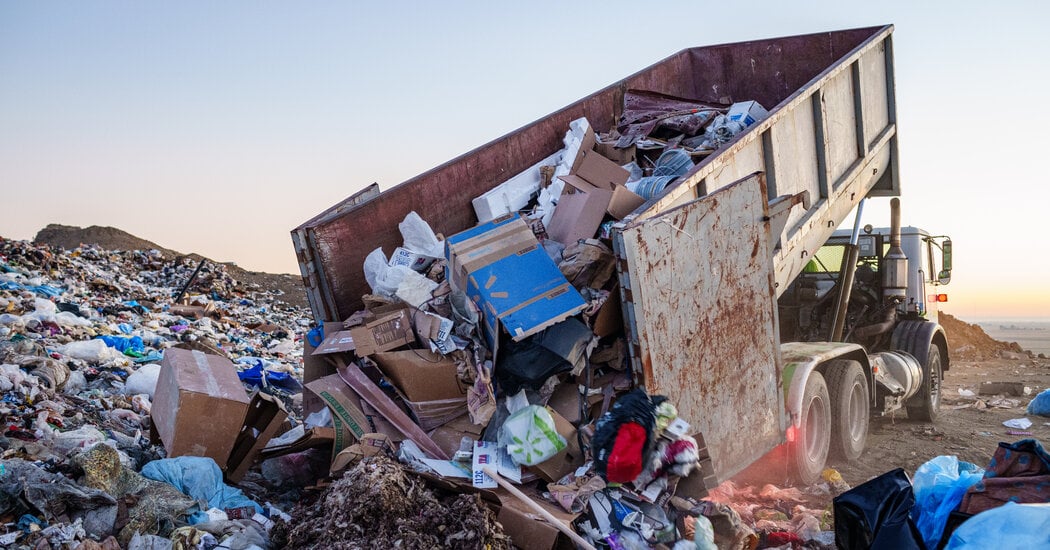
A study published in the journal Science reveals that landfills are emitting methane, a potent greenhouse gas, at almost three times the rate previously reported to federal regulators. This makes landfills the third-largest source of human-caused methane emissions, contributing significantly to climate change. The study's findings highlight the need for increased awareness and action to address methane emissions from landfills.
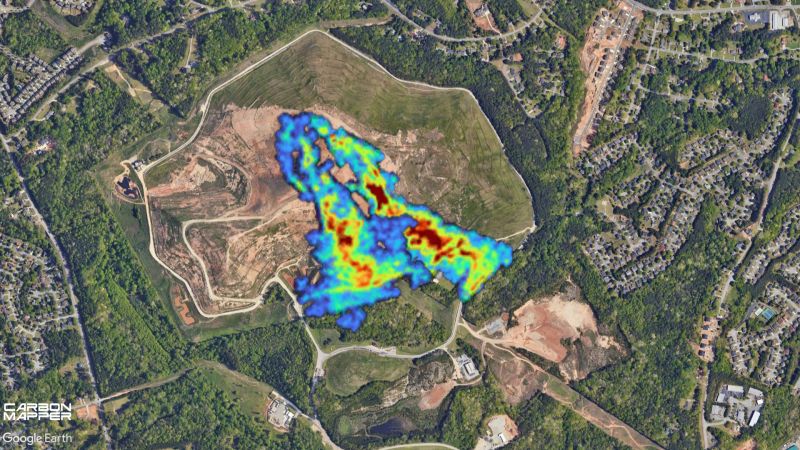
A new study reveals that US landfills are emitting significantly more methane than previously reported, with average emissions 1.4 times higher than official estimates. Landfills, which account for around 20% of global human-caused methane emissions, are a major but often overlooked source of methane pollution. Advanced monitoring systems using remote sensing from aircraft, drones, and satellites provide a more accurate and comprehensive picture of methane emissions, highlighting the need for improved reporting and regulation. Scientists emphasize the importance of addressing methane emissions from landfills as a crucial step in slowing climate change, alongside efforts targeting the oil and gas industry.
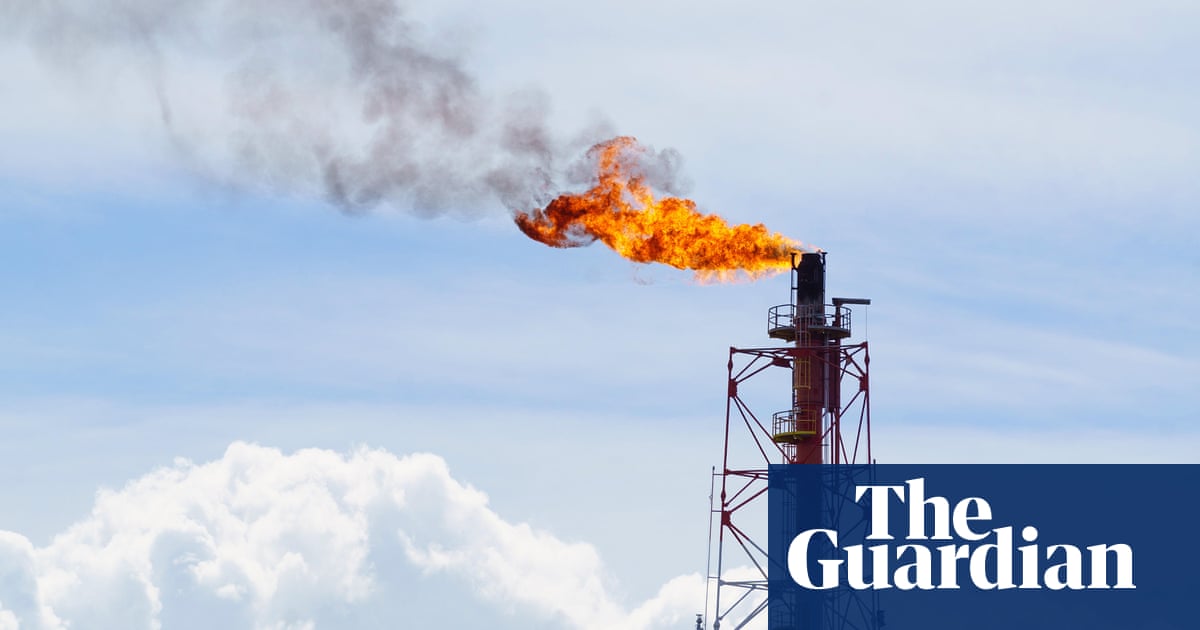
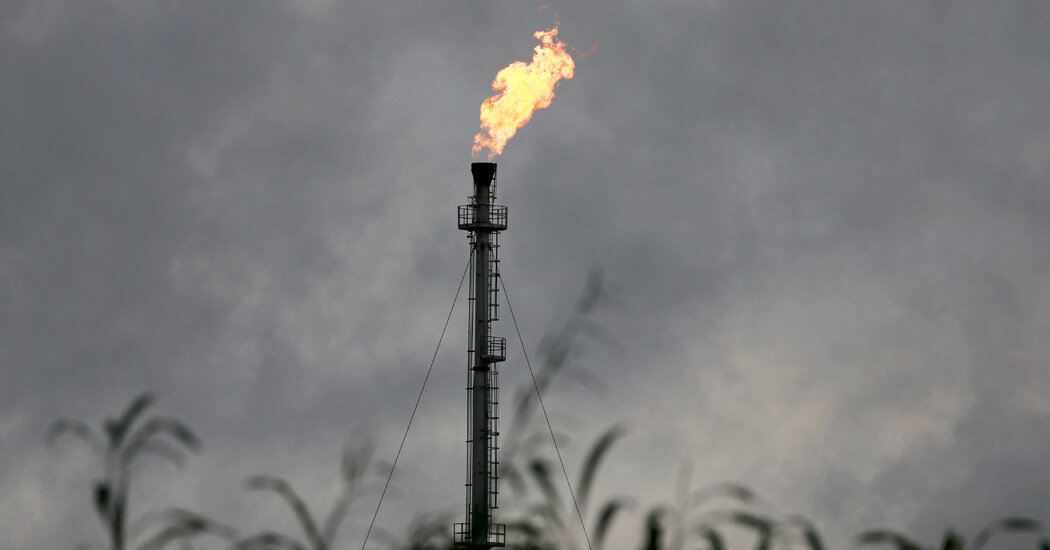
A study has found that US oil and natural gas facilities are emitting three times more methane than official figures suggest, causing $9.3bn in yearly climate damage. The majority of these emissions come from a small number of sites, making the issue both worse than previously thought and potentially fixable. Globally, methane emissions events have increased, with large leaks detected around the world. The study suggests that targeted efforts at the highest-emitting sites could rapidly reduce emissions, with the potential to cut emissions in half. The Biden administration has issued a new rule to cut methane emissions, and 50 oil companies have pledged to reach near-zero methane emissions by 2030.
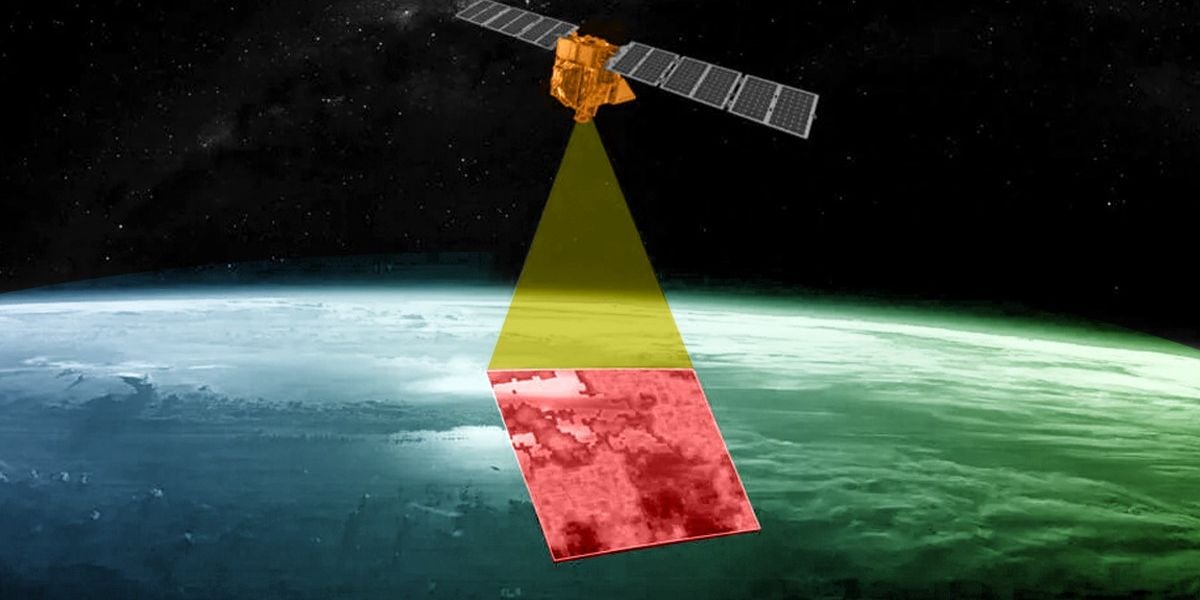
A new satellite, MethaneSAT, has been launched to join the fleet of instruments monitoring methane emissions from space, as our current ability to identify methane leaks is still limited. With the increasing number of methane-detecting satellites and instruments, scientists aim to gain a better understanding of methane sources and emissions to effectively tackle climate change. MethaneSAT will provide more accurate basin-level emissions estimates, track progress on emission reduction pledges, and help in the development of new methane regulations and standards. However, there is still a need for more comprehensive coverage, especially in monitoring natural sources of emissions like wetlands.
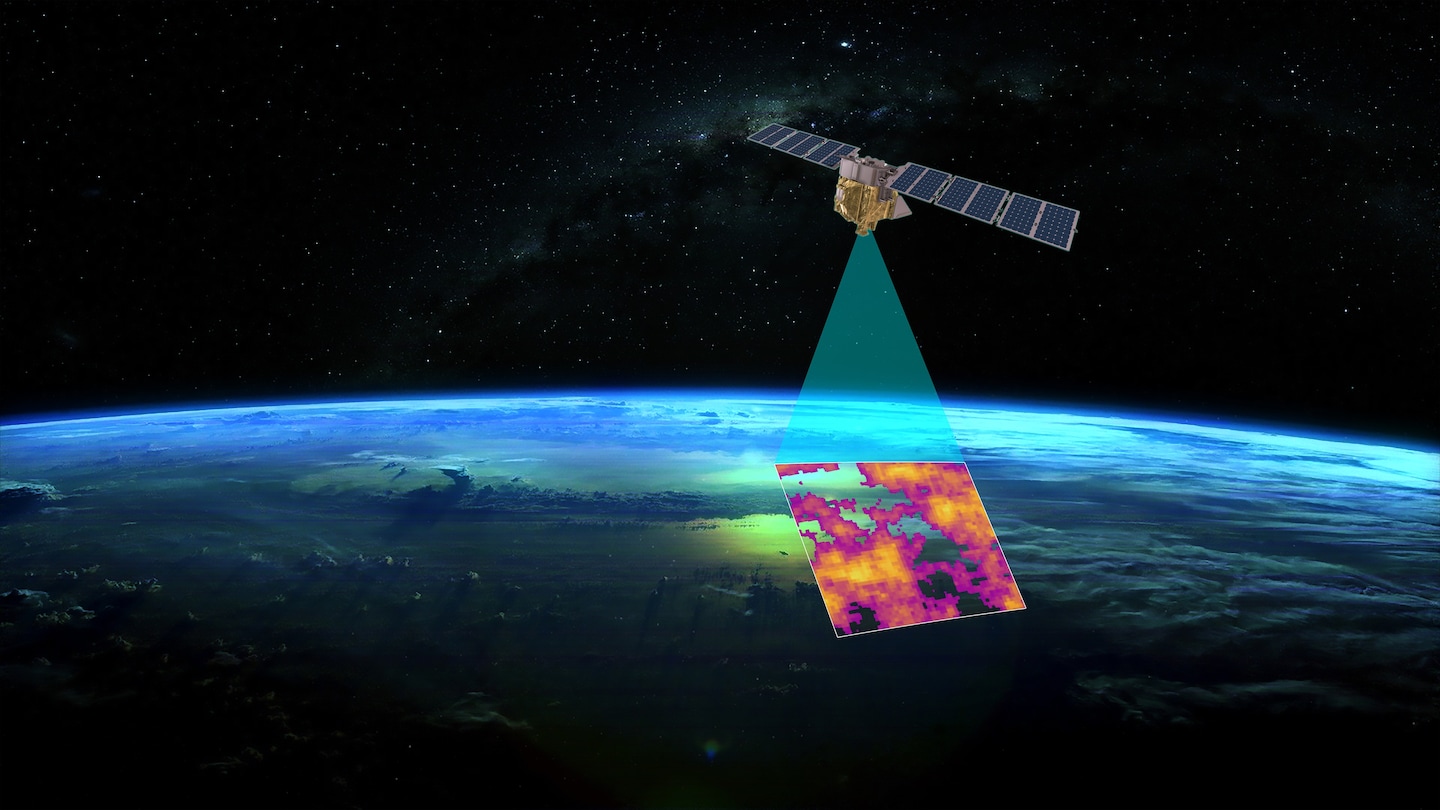
A new satellite designed by the Environmental Defense Fund and Harvard University will track methane emissions from the oil and gas industry, aiming to publicly reveal major polluters and hold them accountable. Methane, a potent greenhouse gas, accounts for nearly a third of global warming, and cutting its emissions is crucial in slowing climate change. The satellite, MethaneSAT, is part of a new wave of transparency in monitoring methane emissions, with other satellites set to launch in the near future. While satellite tracking is an important step, progress ultimately depends on companies taking action to reduce emissions.