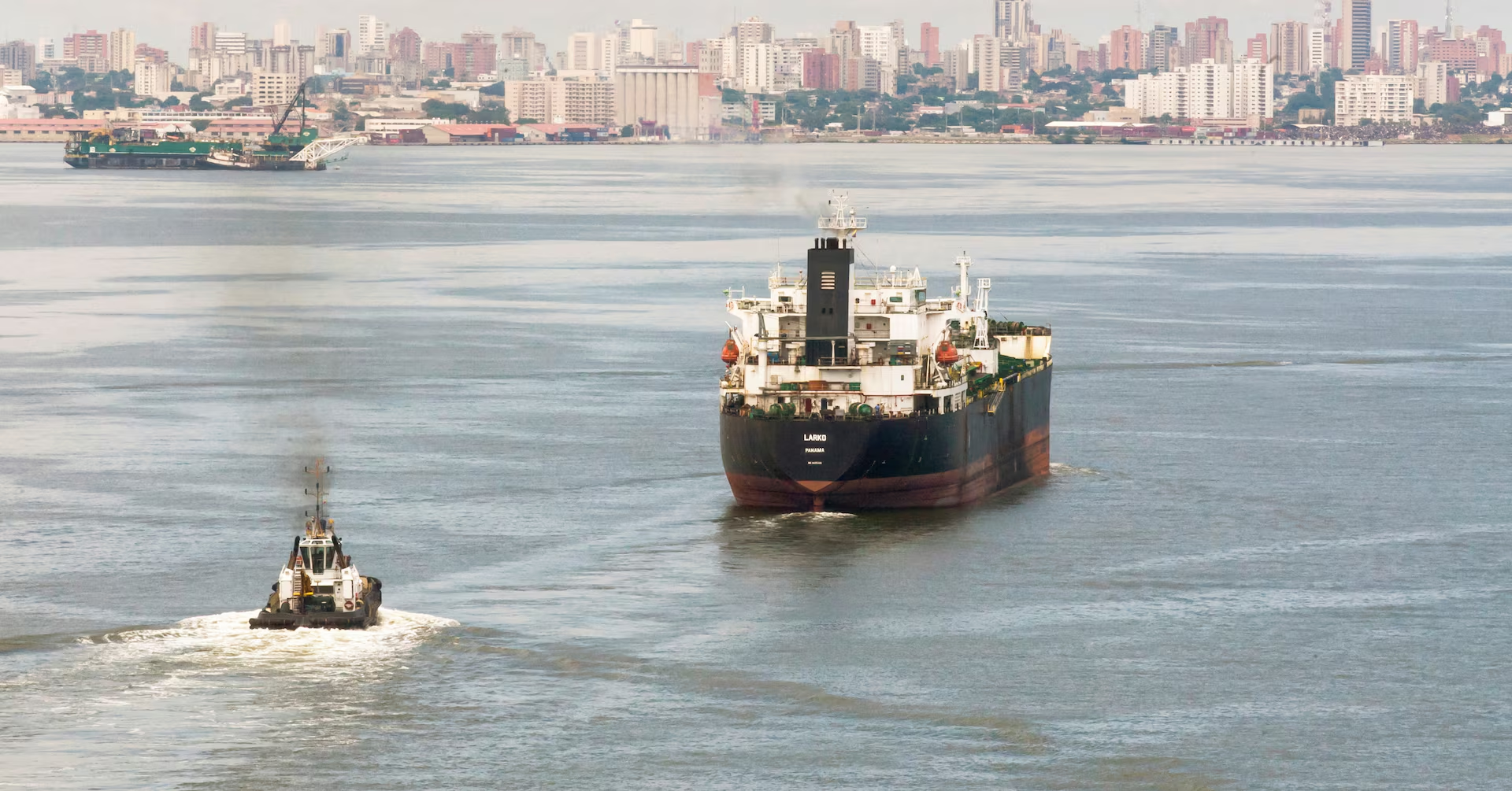
U.S. President Donald Trump ordered a 'blockade' of sanctioned oil tankers entering and leaving Venezuela to increase pressure on Maduro's government, leading to a rise in oil prices and raising legal and geopolitical questions about the move's legality and impact on global oil markets.
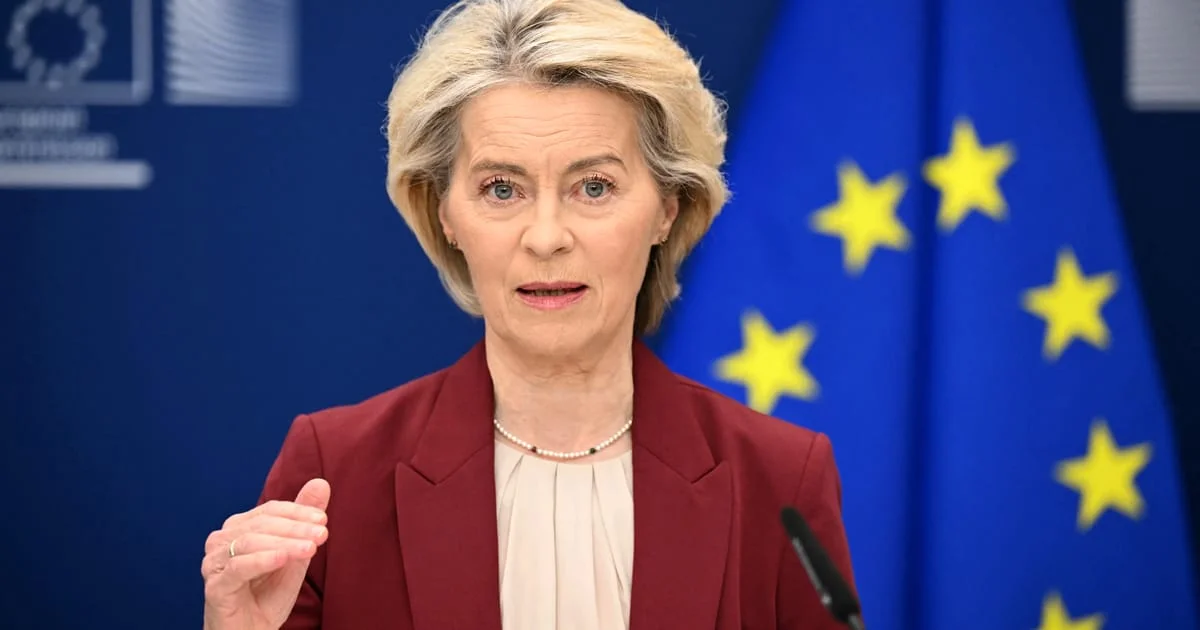
The European Union is moving towards a complete phaseout of Russian crude oil, with a proposed ban to be implemented by early 2026, as part of its broader sanctions against Russia.
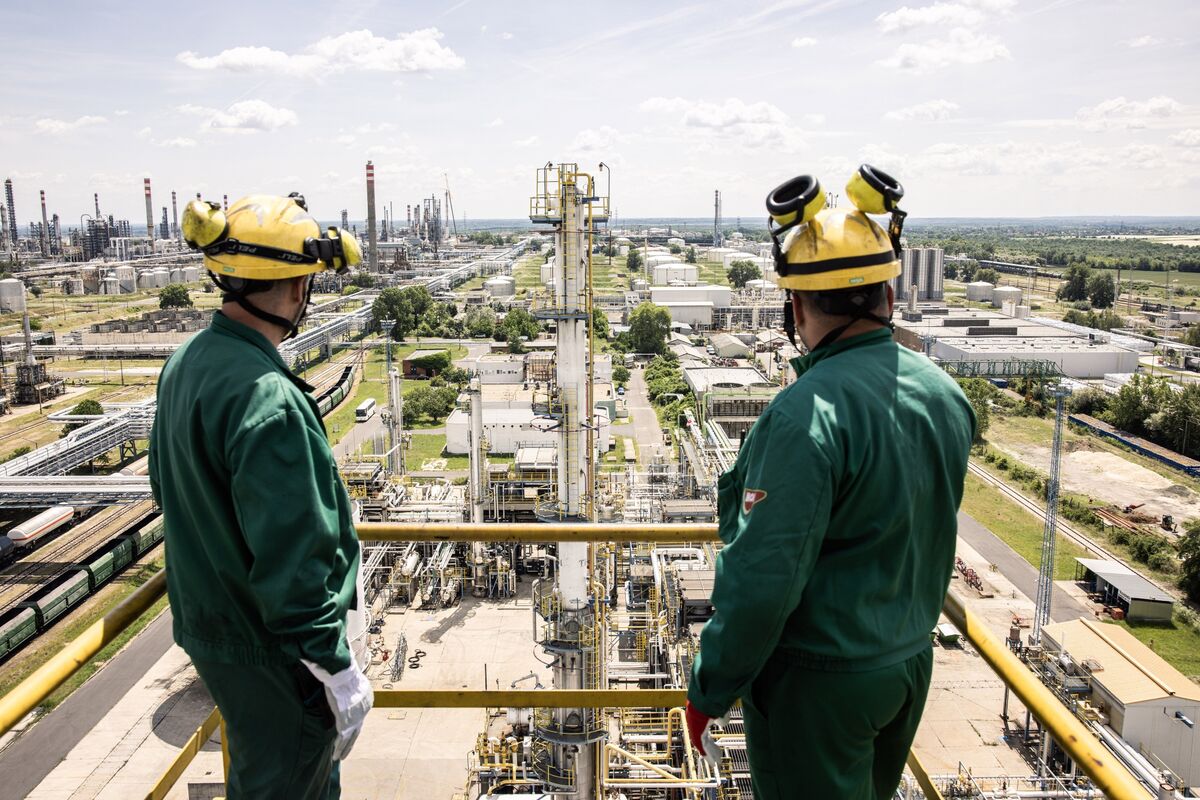
Hungary's Mol is shifting its oil procurement strategy away from Russia, with plans to increase use of non-Russian crude via a Croatian pipeline, ahead of a key meeting between Orban and Trump on Russian oil sanctions, as Hungary seeks to reduce dependence on Russian energy amidst EU phase-out plans.
Gunvor has withdrawn its offer to acquire Russia’s Lukoil amid increasing US sanctions and geopolitical tensions, with NATO downplaying troop withdrawals as Russian hybrid attacks intensify and European countries like Bulgaria and Hungary grappling with energy sanctions and supply issues.
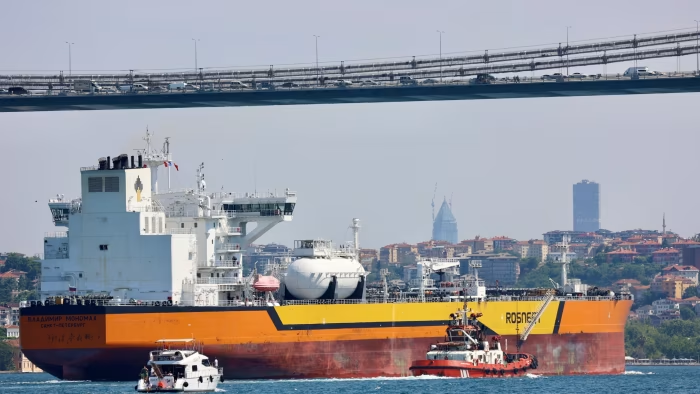
The US has imposed new sanctions on Russia's top four oil companies, including Rosneft and Lukoil, aiming to weaken Moscow's war economy amid ongoing tensions over Ukraine. These measures, combined with EU energy sanctions, target a significant portion of Russia's oil exports, potentially increasing economic pressure on Russia despite its president Putin's willingness to endure economic harm for strategic gains. The effectiveness of these sanctions will depend on enforcement and responses from China and India.
EU countries are moving to ban Russian oil imports, aiming to overrule Hungary and Slovakia's opposition, marking a significant step in Europe's efforts to cut reliance on Russian energy amidst ongoing geopolitical tensions.
The EU has agreed to phase out Russian gas imports by January 2028, with plans to end new contracts by 2026 and existing ones by 2028, aiming to reduce Kremlin revenue amid ongoing Ukraine conflict, though final laws are still under negotiation and some countries like Hungary and Slovakia have expressed resistance.
Former President Trump urged NATO countries to stop buying Russian oil and impose 50-100% tariffs on Chinese purchases of Russian energy to end the Russia-Ukraine war, criticizing NATO's current energy policies and linking China's influence over Russia to the ongoing conflict.
EU envoys are close to agreeing on an 18th package of sanctions against Russia, including a lower and dynamic price cap on Russian oil, potentially around $47 per barrel, to further restrict Russia's revenue from energy exports amid ongoing tensions over Ukraine. The package also involves measures targeting Russian energy infrastructure and financial networks, with full approval expected soon.
The EU is implementing new regulations aimed at reducing Russian gas imports and cutting off funds to Moscow, but faces challenges from member states like Hungary and Slovakia, while also considering stricter methane emission rules that could impact U.S. fuel imports.