Researchers have uncovered how the brain dynamically switches between memory recall and processing new information by modulating the balance between slow (theta) and fast (gamma) rhythms through distinct inhibitory circuits, a mechanism that could inform treatments for neurological conditions like Alzheimer's and epilepsy.
A study involving individuals with and without aphantasia found that those with the condition struggle more with recalling personal memories due to differences in their hippocampus and occipital lobe, which affects their ability to generate mental images. The findings suggest that vivid autobiographical memories are closely linked to the ability to visualize, with implications for understanding memory functions and potential therapies, including memory enhancement techniques for conditions like Alzheimer’s disease.
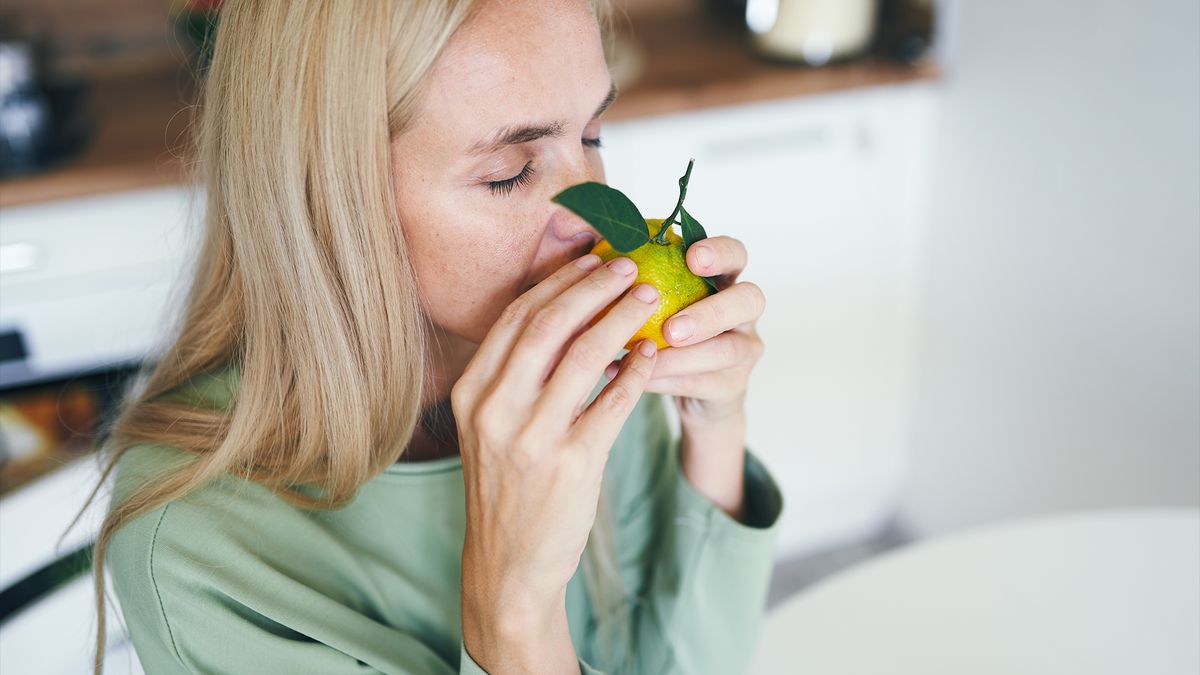
A small trial suggests that "scent therapy" using familiar scents such as coffee, oranges, and Vicks VapoRub could help people with depression unlock difficult-to-access autobiographical memories. The study found that participants recalled more specific memories when cued by smell compared to words, and the researchers plan to conduct future trials with brain scans to see how the amygdala responds to the treatment. Harnessing smell might be a good strategy for rewiring emotional centers in depression and improving memory, problem solving, and emotion regulation.
Neuroscientists have developed a brain prosthetic system that can enhance the recollection of specific memories by stimulating the brain's memory pathways. The technology, tested on adults with epilepsy, showed promising results in helping participants recall specific images. While the accuracy is still relatively low, the researchers believe this deep brain stimulation has the potential to significantly modify memory and could be used to restore memory function lost due to conditions like Alzheimer's disease, stroke, or head injury. However, challenges remain in refining the model and understanding how specific memories are encoded and retrieved in the brain's hippocampus.
A study from the University of Pittsburgh suggests that familiar scents can help people with depression recall specific positive memories, potentially aiding in breaking free from negative thought patterns. Participants with major depressive disorder were exposed to various scents, and it was found that smells were more effective than words in evoking vivid and immersive memories. The study's lead author, Kymberly Young, noted that scent cues could improve memory recall in depressed individuals, potentially contributing to their healing process.
Researchers have made a significant advancement in neural prosthetics by developing a memory decoding model (MDM) that enables the recall of specific memories through targeted electrical stimulation in the hippocampus. The study, involving 14 adults with epilepsy, demonstrated significant improvements in memory performance, particularly in those with impaired memory, offering hope for treating conditions like Alzheimer’s disease, stroke, or head injury. This breakthrough paves the way for interventions that can restore lost memory functions, potentially aiding individuals in living more independently.
Kindness meditation, a form of meditation focused on unconditional kindness, has been found to enhance memory recall in individuals with a history of depression. In a study involving 50 students with a prior history of depression, those who engaged in daily kindness-focused meditation for four weeks experienced a greater increase in the retrieval of specific memories compared to a control group that performed coloring activities. Both the meditation and coloring groups showed improved recall of positive-specific memories, but the meditation practice demonstrated a notable potential in making memories more specific and positive. This suggests that kindness and self-compassion meditations could be a promising intervention to influence autobiographical memory and reduce cognitive vulnerability to depression.
This week's top neuroscience stories include research on the impact of timing on happiness, a link between middle-aged sexual satisfaction and cognitive decline, the memory-boosting power of flavanols, the interplay between cognition and personality traits, and the breath-memory connection. Inhaling, particularly through the nose, has been found to enhance memory function, suggesting potential new therapeutic strategies for cognitive decline and memory disorders.
Recent scientific research has uncovered intricate links between breathing and memory recall, with studies revealing that the rhythm of our breathing can influence neural activity, impacting cognitive functions such as emotional processing and memory recall. The most compelling evidence highlights that inhalation, particularly through the nose, can improve memory function. The amygdala and hippocampus, brain areas linked to emotion and memory, are significantly affected by the rhythm of breathing, suggesting that the act of breathing can modulate the functions of these regions. Deep, controlled breathing, often used in mindfulness practices, can improve working memory capacity, the kind of memory we use to hold and manipulate information over short periods.