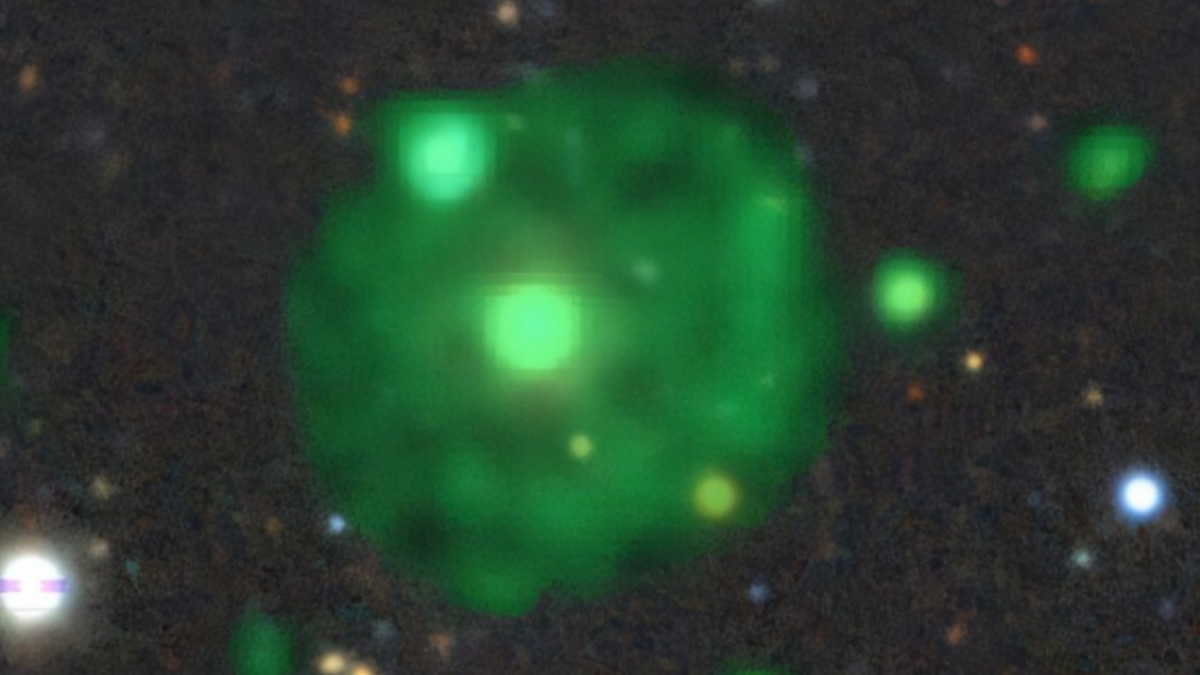
Astronomers have discovered a new Odd Radio Circle (ORC), ORC J0219–0505, using the MeerKAT radio telescope in South Africa. This massive circle of radio light, associated with the elliptical galaxy WISEA J021912.43–050501.8, is 371,600 light-years wide and differs from previously discovered ORCs, suggesting a selection bias in earlier detections. The origins of ORCs remain unknown, with theories suggesting they result from shockwaves caused by cosmic collisions or merging supermassive black holes. The discovery highlights gaps in current astronomical knowledge and the need for further research.
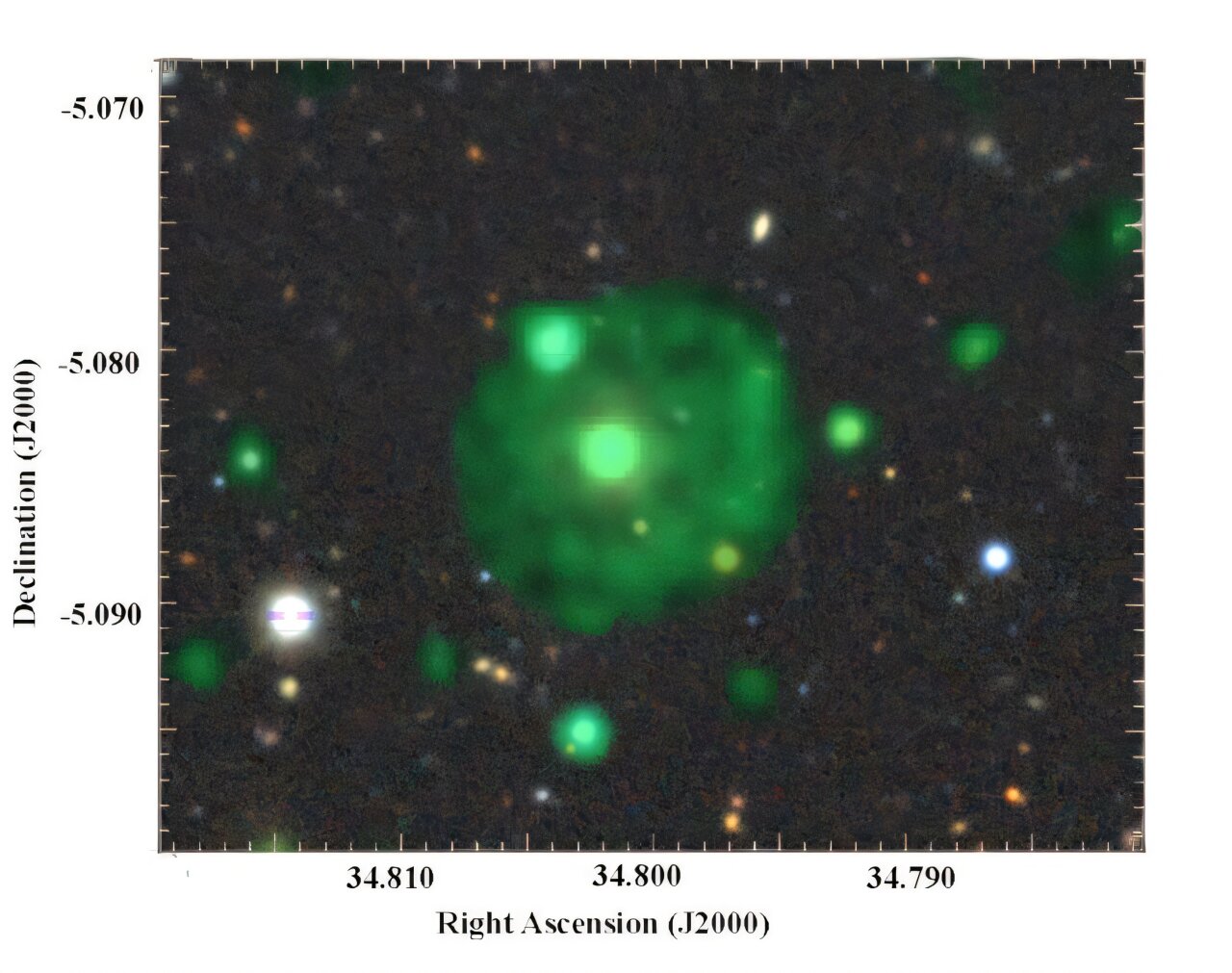
Astronomers using the MeerKAT telescope have discovered a new odd radio circle (ORC J0219–0505) associated with the elliptical galaxy WISEA J021912.43–050501.8. This ORC, part of the MIGHTEE survey, is a faint, edge-brightened ring of radio emission, potentially resulting from a galaxy merger. The discovery suggests a fainter population of ORCs may exist, prompting further investigation into their origins and characteristics.
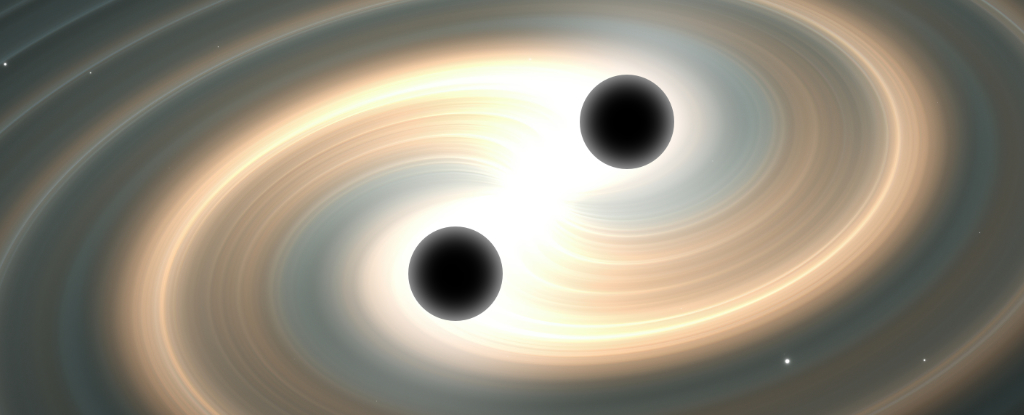
Astronomers using the MeerKAT Pulsar Timing Array have detected a surprisingly loud gravitational wave background, suggesting more supermassive black holes may be orbiting each other than previously thought. This discovery, made by observing 83 pulsars, has led to the most detailed maps of gravitational waves, revealing a 'hot spot' of activity in the Southern Hemisphere. The findings challenge existing theories about the number of supermassive black holes and could provide insights into the cosmic architecture of the universe.
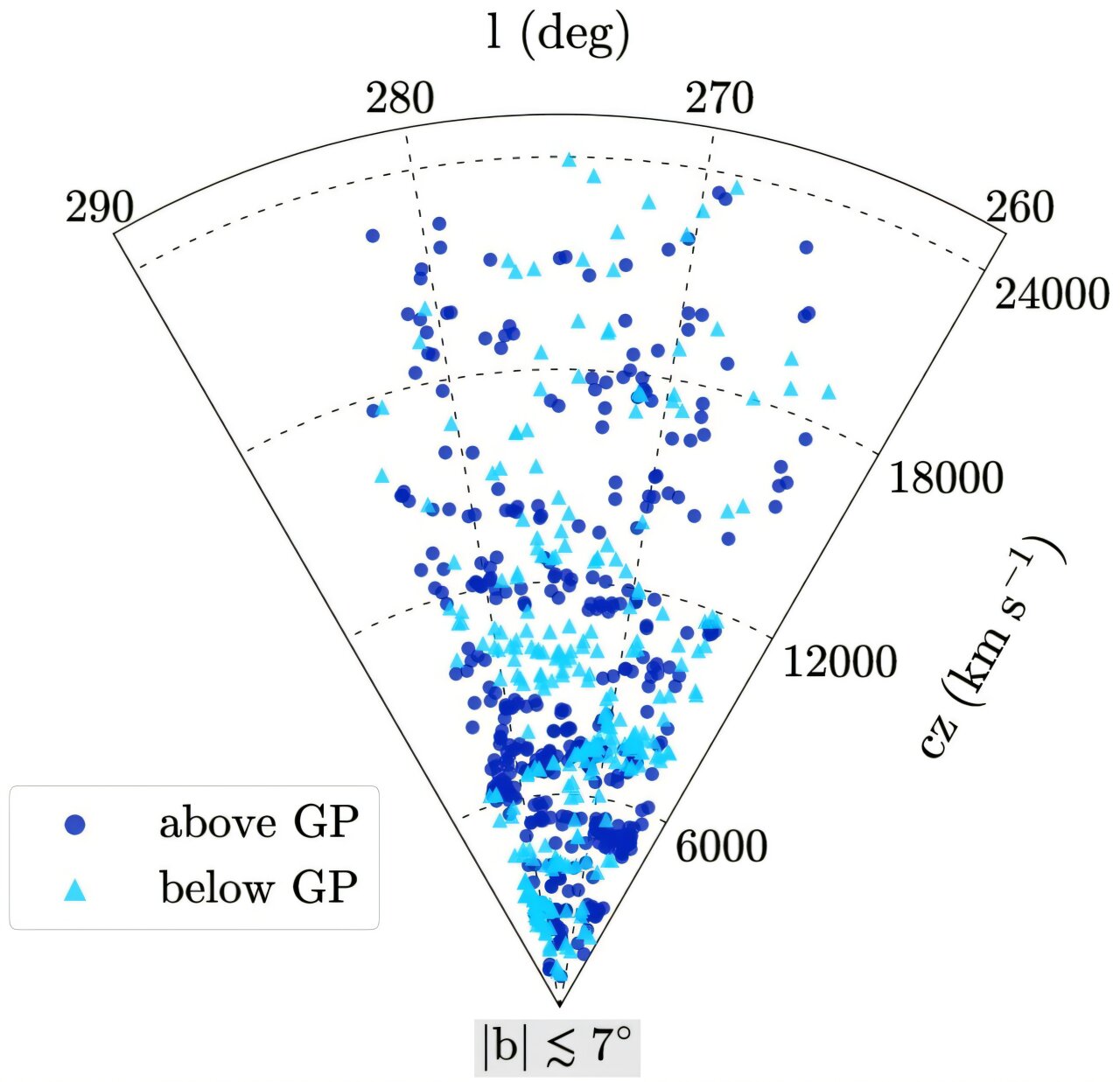
Astronomers have used the MeerKAT radio telescope in South Africa to map the Zone of Avoidance, a region obscured by dust near the galactic center, discovering 719 galaxies within the Vela supercluster. This study highlights the potential of radio astronomy to explore areas previously hidden from optical telescopes, offering new insights into the structure of the universe.
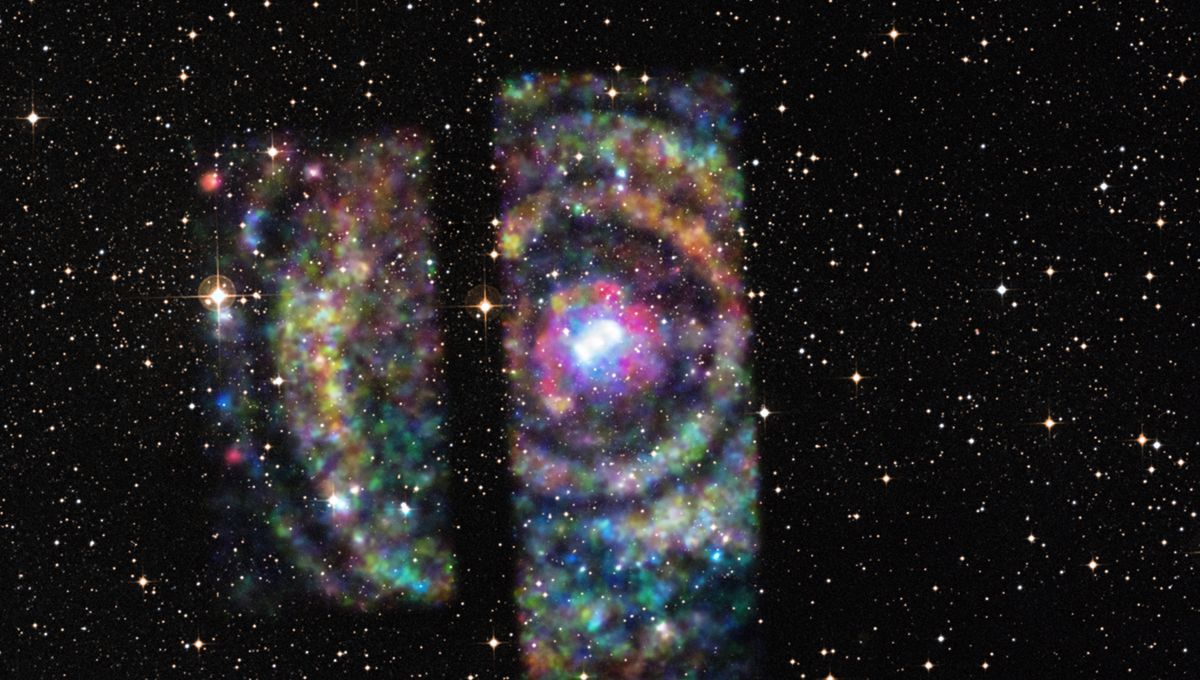
Astronomers have observed a neutron star, Circinus X-1, emitting a jet that changes direction, creating an S-shape in the sky, similar to a garden sprinkler. This discovery, made using the MeerKAT telescope, reveals new details about the system, which remains puzzling even after 50 years of study. The jet's precession is caused by the interaction between the rotating neutron star and its accretion disk, and the phenomenon has been linked to termination shocks moving at 10% of the speed of light.
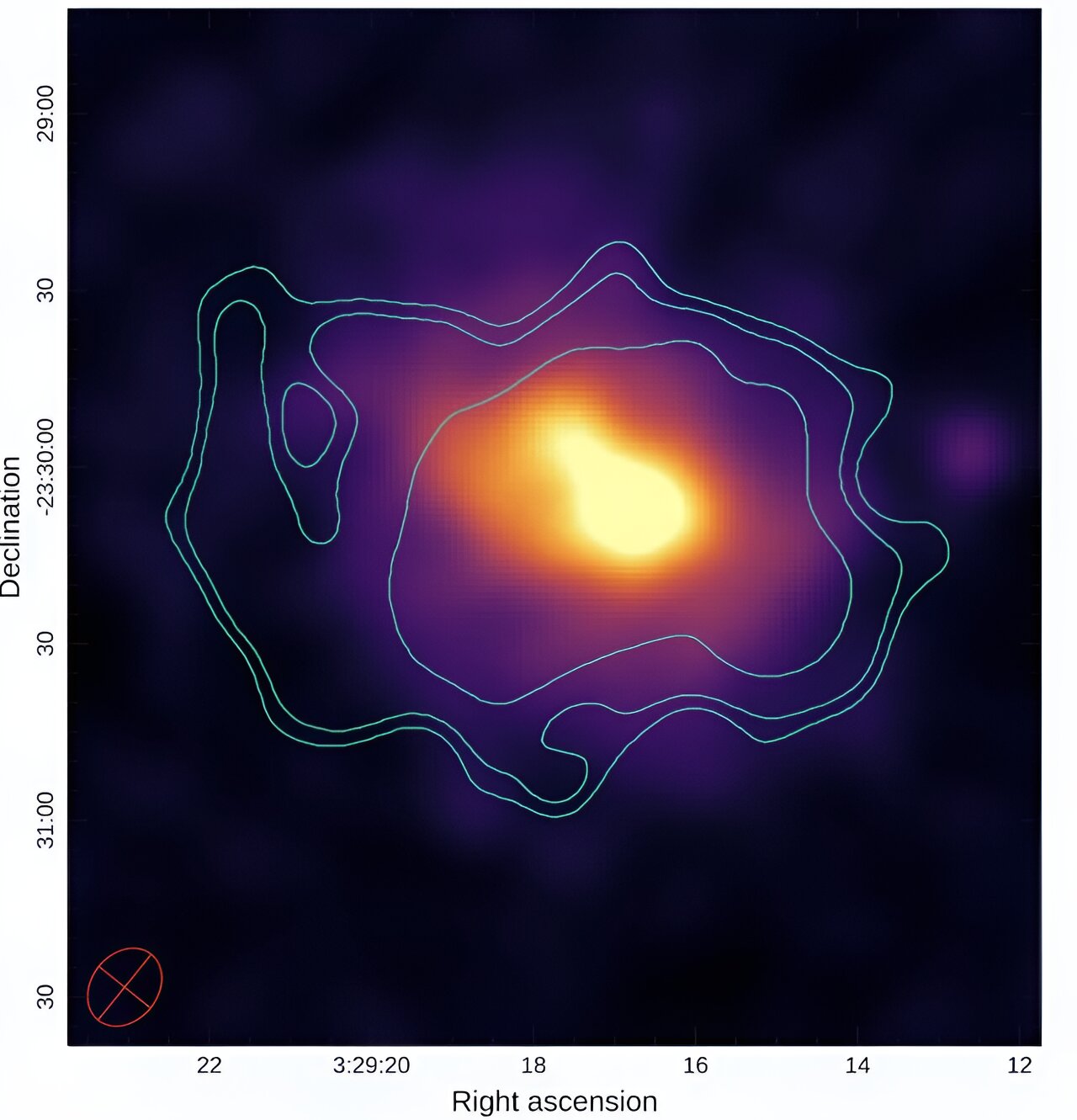
Astronomers have detected a new radio halo in the massive galaxy cluster ACT-CL J0329.2-2330, using L-band and UHF-band observations with the MeerKAT radio telescope. This discovery, reported in a research paper, marks the highest redshift halo detected so far and suggests rapid magnetic field amplification in galaxy clusters at high redshifts. The radio halo in ACT-CL J0329 exhibits a smooth, regular morphology and has a flux density of 3.44 and 6.11 mJy at L and UHF-band, respectively, indicating its luminosity comparable to halos found in nearby massive galaxy clusters.
Astronomers using the MeerKAT telescope in South Africa have discovered a mysterious object in the Milky Way that is heavier than known neutron stars but lighter than the lightest black holes, orbiting a millisecond pulsar 40,000 light years away. This finding could potentially be the first discovery of a radio pulsar-black hole binary, offering new opportunities to test theories of gravity and study black holes. The object was found while observing a star cluster using the MeerKAT telescope, and while its exact nature is still uncertain, it has the potential to provide insights into the properties of matter under extreme conditions in the universe.
An image data processing technology developed by Thoughtworks in India, called ARTIP, has played a crucial role in the MeerKAT Absorption Live Survey (MALS) conducted by the MeerKAT Telescope in South Africa. ARTIP automates data processing, flagging, calibration, and imaging, and has led to significant discoveries, including the detection of the hydroxyl radical and the identification of huge hydrogen atoms in distant galaxies. The technology has processed over 1PB of MeerKAT data, enabling groundbreaking discoveries and benefiting the entire astronomy community. Thoughtworks continues to collaborate with scientific institutes and participate in future software development for the telescope.
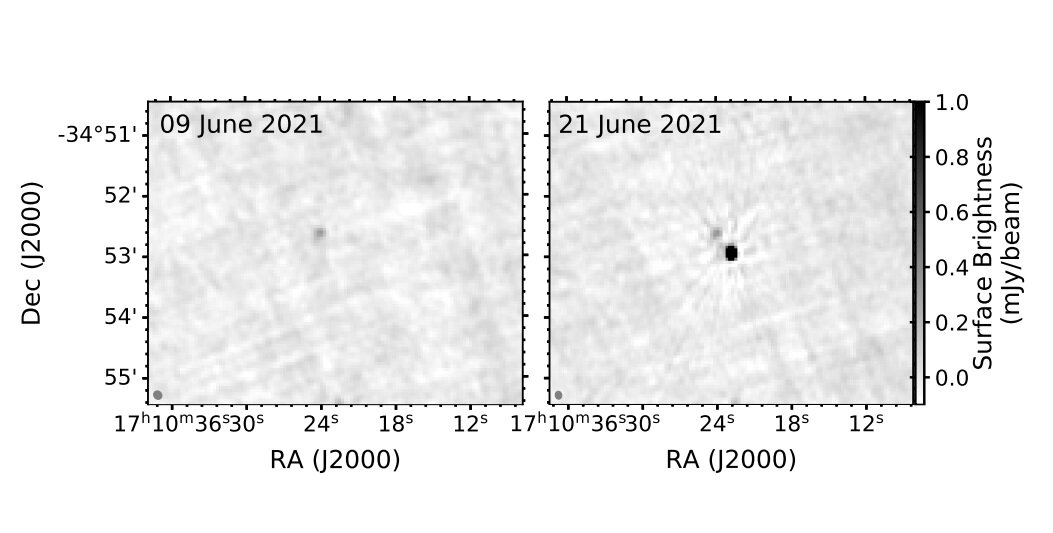
Astronomers using the MeerKAT telescope have accidentally discovered an extremely intermittent radio pulsar, designated PSR J1710−3452. This pulsar exhibits a long spin period of about 10.4 seconds and a pulsed duty cycle of approximately 10%. It showcases similar emission patterns but with diverse structures on a smaller timescale. The researchers suggest that it may be part of an older population of magnetars, neutron stars with strong magnetic fields. Further investigation is needed to confirm this scenario and discover more similar sources.
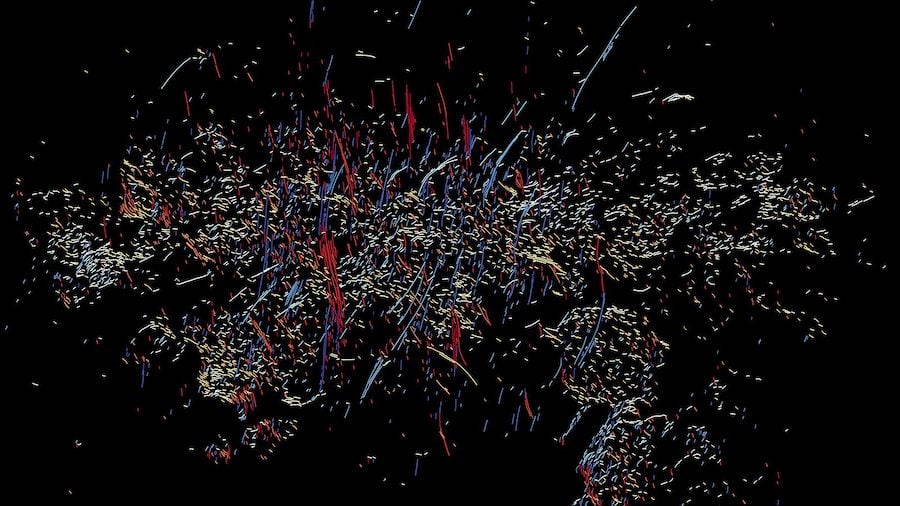
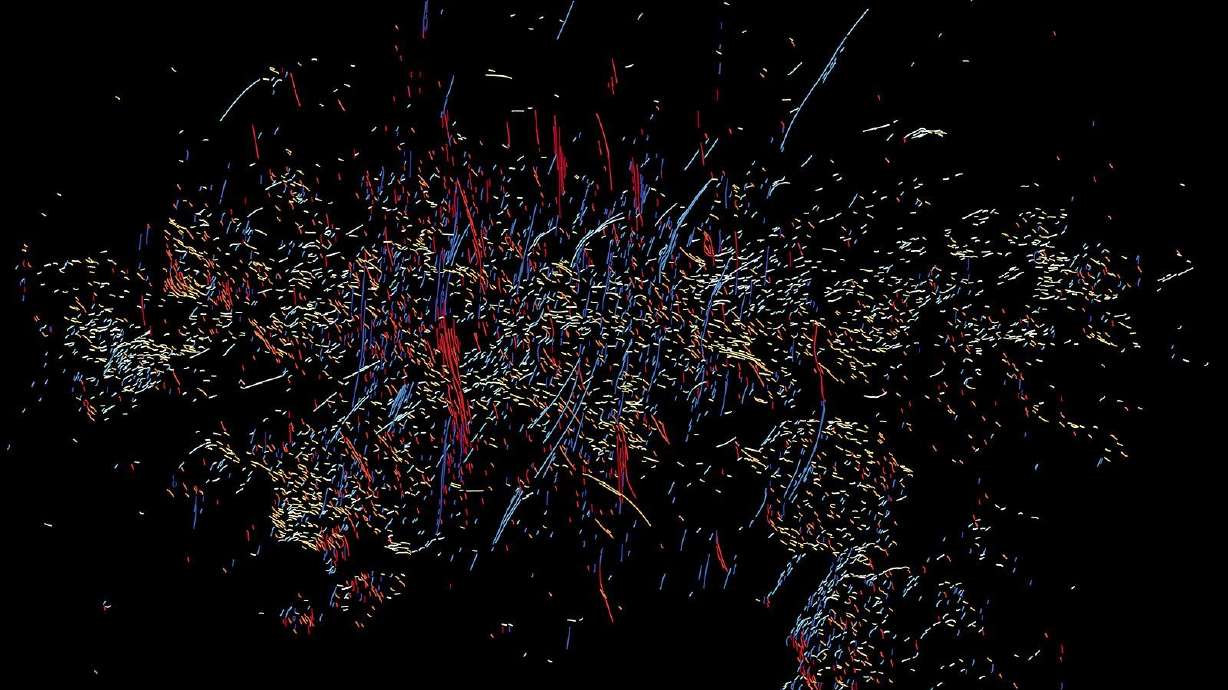
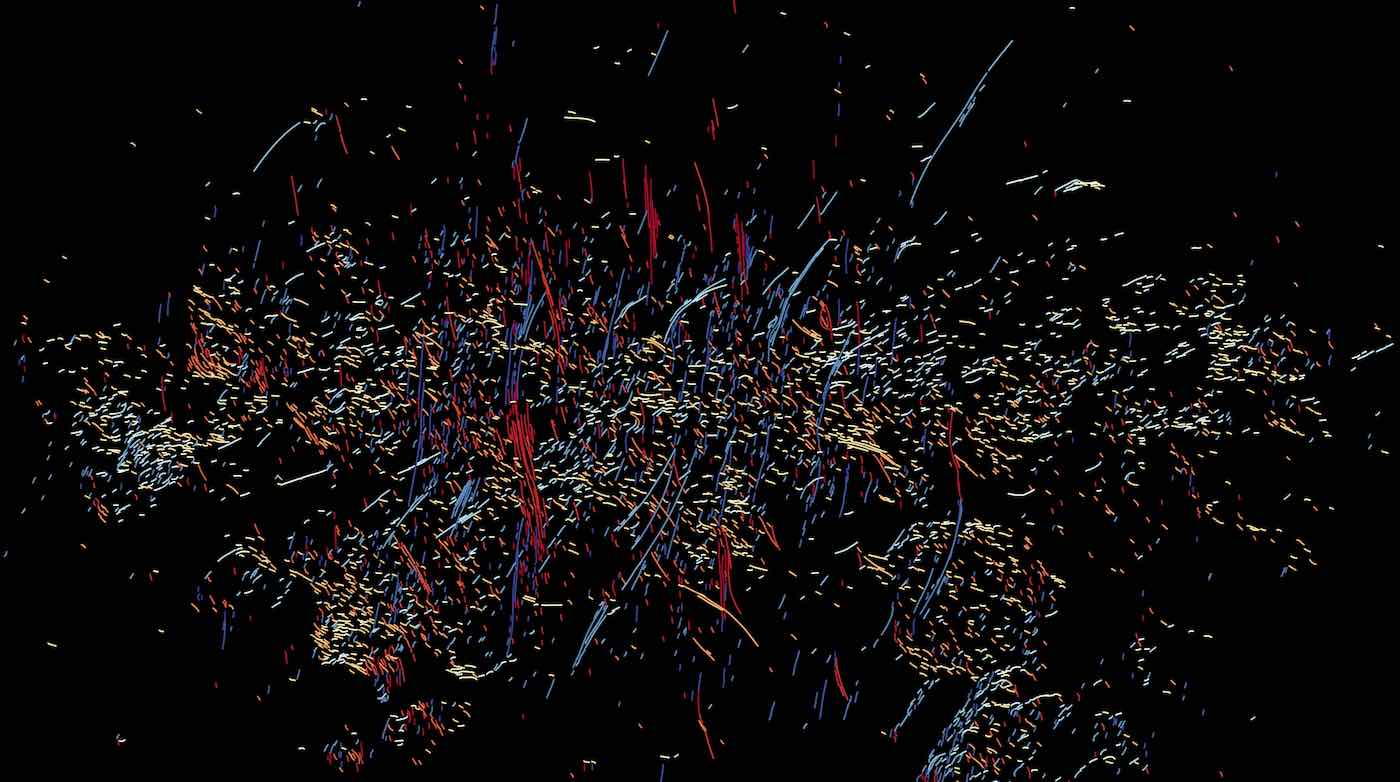
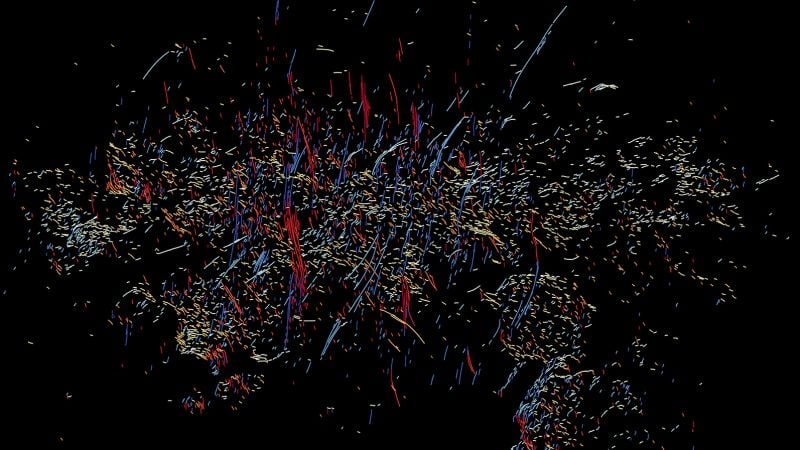
Astronomers have discovered filaments of radio energy, a few light-years long, streaming outward along the galactic plane from Sagittarius A*, the black hole at the center of the Milky Way galaxy. The streaks may be the fading remains of explosive outbursts from the black hole. The discovery adds a new dimension to the electrical complexity of the Milky Way. The geometry of the new streaks suggests that the black hole is spinning on an axis that is likewise parallel to the plane. Future observations with the Event Horizon Telescope should shed further light on the behavior and orientation of the black hole.
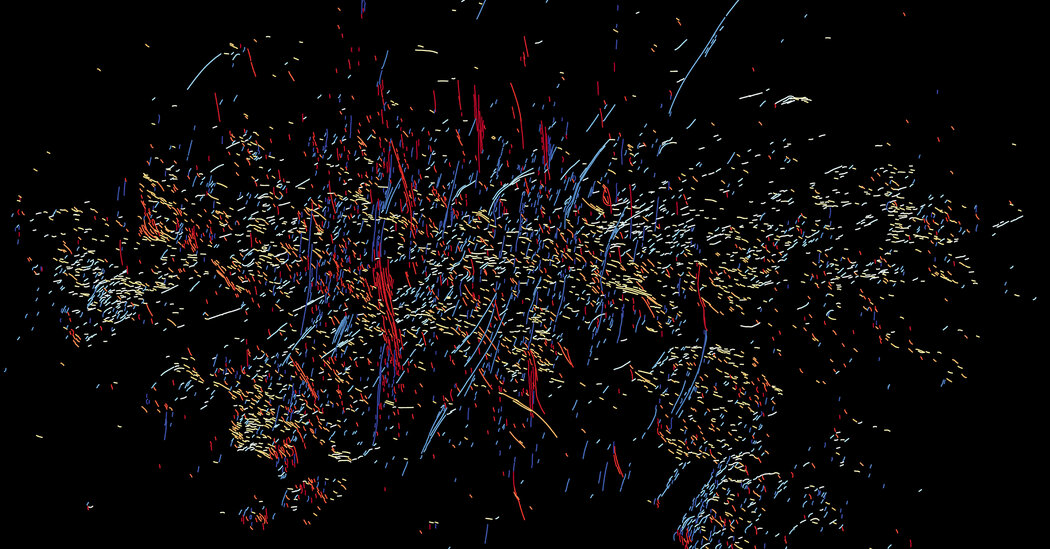
An international team of astrophysicists has discovered hundreds of mysterious structures in the center of the Milky Way galaxy. These one-dimensional cosmic threads are hundreds of horizontal or radial filaments, slender, elongated bodies of luminous gas that potentially originated a few million years ago when outflow from Sagittarius A*, the Milky Way’s central supermassive black hole, interacted with surrounding materials. The researchers found the structures by analyzing images produced by the South African Radio Astronomy Observatory’s MeerKAT telescope.
An international team of astrophysicists has discovered hundreds of mysterious structures in the center of the Milky Way galaxy. These one-dimensional cosmic threads are hundreds of horizontal or radial filaments, slender, elongated bodies of luminous gas that potentially originated a few million years ago when outflow from Sagittarius A*, the Milky Way's central supermassive black hole, interacted with surrounding materials. The researchers found the structures by analyzing images produced by the South African Radio Astronomy Observatory's MeerKAT telescope.
Astronomers have discovered hundreds of mysterious filaments pointing towards the Milky Way's supermassive black hole, Sagittarius A*. The filaments, which are less than 10 light years in length, are estimated to be about six million years old and appear to be tied to activities in the galactic center. The discovery was made possible by the South African Radio Astronomy Observatory's MeerKAT telescope. The filaments could provide insights into the black hole's spin and accretion disk orientation.
Astrophysicists have discovered a new group of horizontal filaments radiating from the supermassive black hole at the center of the Milky Way, which could provide more insights into the black hole’s spin and accretion disk orientation. The filaments, each measuring 5 to 10 light-years in length, likely originated a few million years ago when outflow from the black hole interacted with surrounding materials. The discovery builds on four decades of research and was made possible by enhanced radio astronomy technology, particularly the MeerKAT telescope.
An international team of astrophysicists has discovered hundreds of mysterious structures in the center of the Milky Way galaxy. These one-dimensional cosmic threads are hundreds of horizontal or radial filaments, slender, elongated bodies of luminous gas that potentially originated a few million years ago when outflow from Sagittarius A*, the Milky Way’s central supermassive black hole, interacted with surrounding materials, according to a study published Friday in The Astrophysical Journal Letters. The researchers found the structures by analyzing images produced by the South African Radio Astronomy Observatory’s MeerKAT telescope.