Tag

Jet Precession

All articles tagged with #jet precession

space-and-physics1 year ago

"Neutron Star Observed Emitting Jet in Sprinkler-Like Pattern"

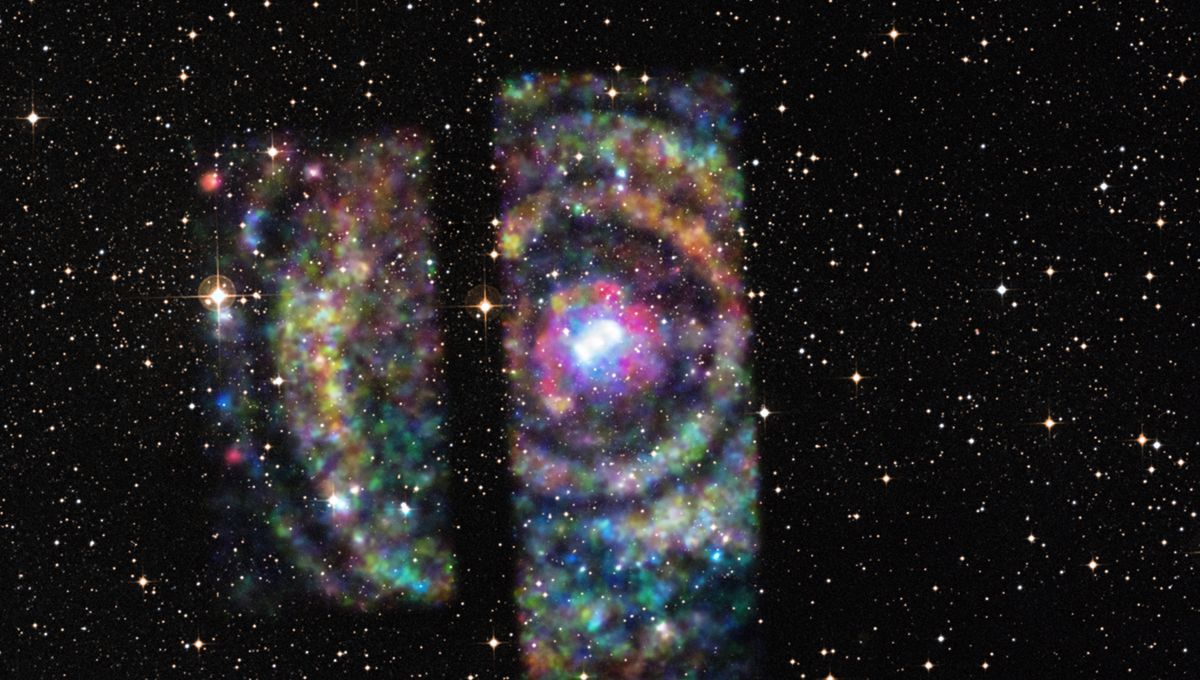
Astronomers have observed a neutron star, Circinus X-1, emitting a jet that changes direction, creating an S-shape in the sky, similar to a garden sprinkler. This discovery, made using the MeerKAT telescope, reveals new details about the system, which remains puzzling even after 50 years of study. The jet's precession is caused by the interaction between the rotating neutron star and its accretion disk, and the phenomenon has been linked to termination shocks moving at 10% of the speed of light.

astronomy2 years ago

Galactic Oddities: Unveiling the Enigma of Dual Supermassive Black Holes

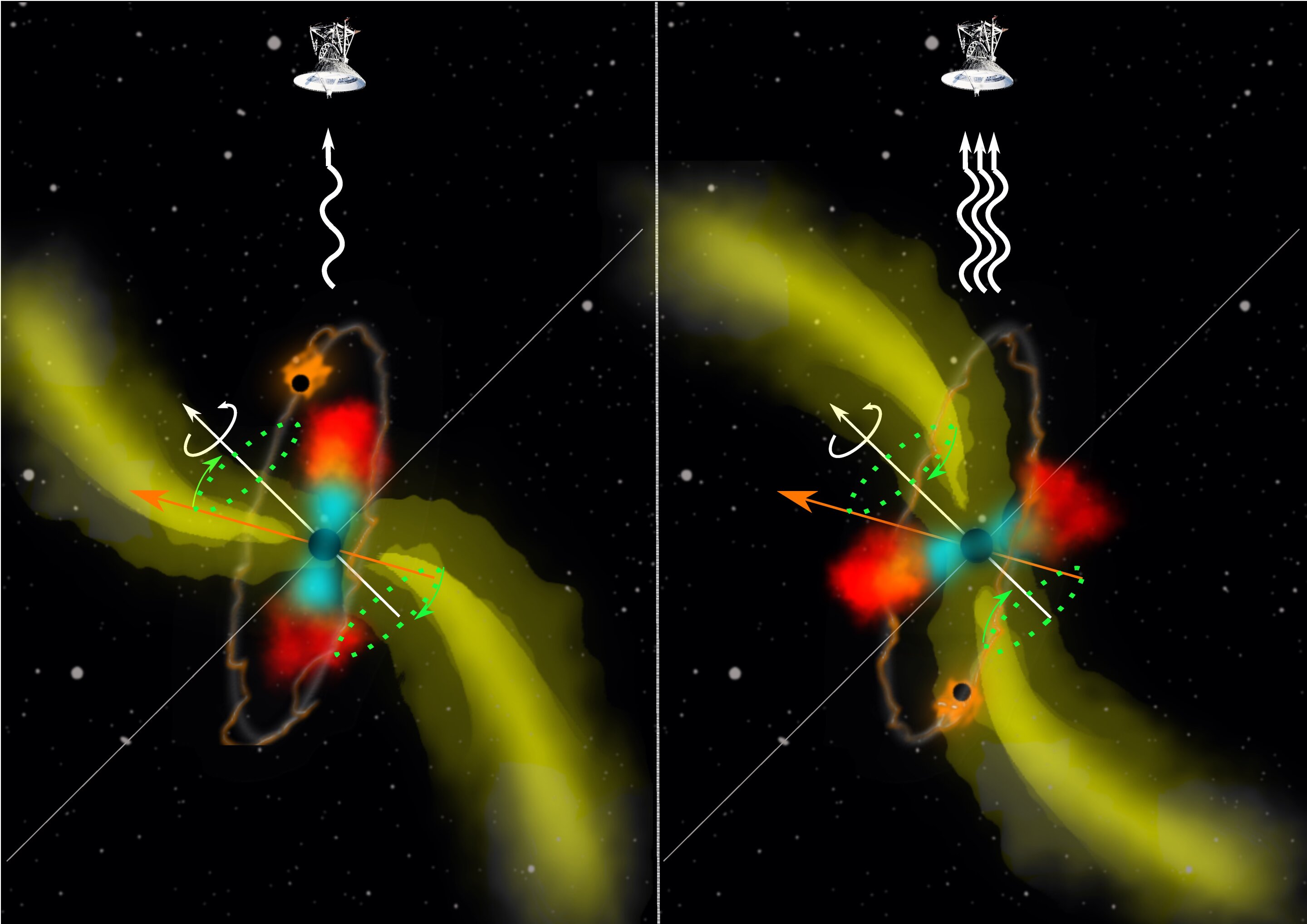
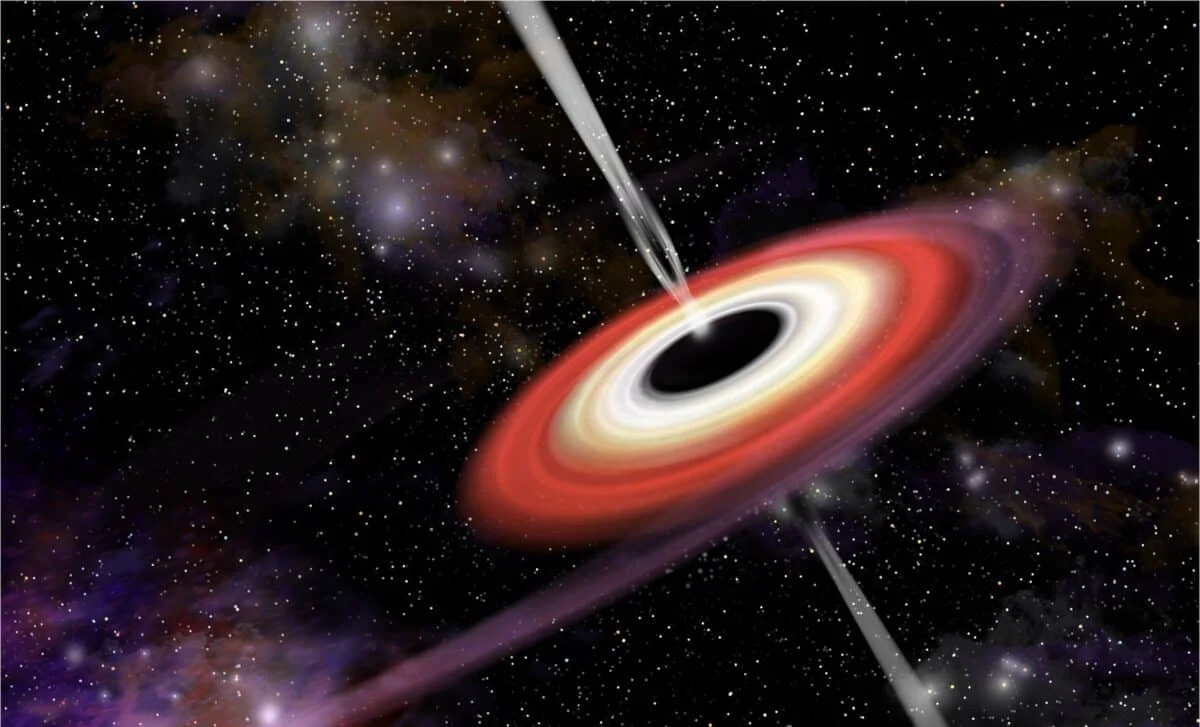
Astronomers have discovered that some blazars, bright active galactic nuclei, may contain double supermassive black holes at their cores. The presence of a binary black hole system can cause the jets emitted by one black hole to appear curved and snaky, and can also lead to periodic changes in brightness. By studying an object called OJ 287, researchers found evidence of two black holes in its core, supporting the idea of binary black holes in other blazars. This discovery could help astronomers probe for other binary black holes and gain a better understanding of the inner workings of these black hole systems.

astronomy2 years ago

"Unveiling the Cosmic Connection: Evidence of Supermassive Binary Systems in Active Galactic Nuclei"

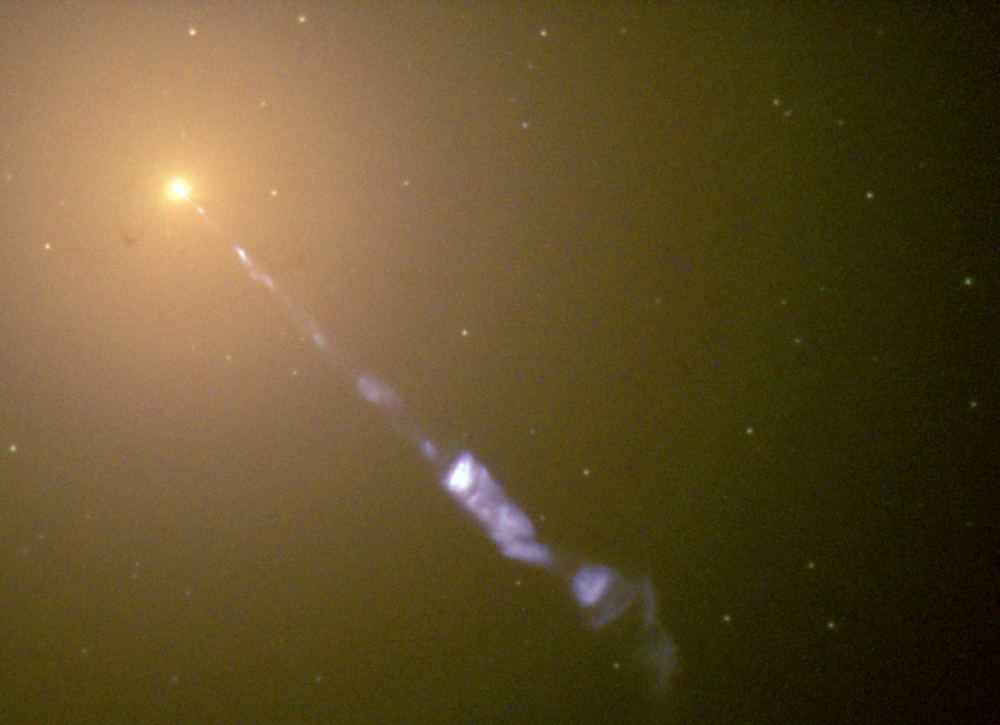
An international research team has presented evidence that the variability in brightness and jet curvature observed in blazars, accreting supermassive black holes in the centers of galaxies, is likely caused by the precession of the jet source. This precession can be attributed to the presence of a second massive black hole or a warped accretion disk. The study suggests that blazar variability may be of deterministic nature rather than stochastic, and the jet curvature could be a signature of binary black holes. Radio observations using Very Long Baseline Radio Interferometry (VLBI) provide the highest resolution for studying these phenomena.