The article warns about the proliferation of unapproved tests and unproven alternative treatments for Lyme disease, highlighting the risks of costly and potentially harmful therapies, and emphasizing the importance of sticking to established medical guidelines for diagnosis and treatment.
Dr. Keith Roach discusses options for managing lumbar spondylosis, a degenerative arthritis of the spine causing nerve compression and pain. While physical therapy is a common conservative treatment, surgery is not always recommended. A pain management specialist can offer various treatments, including epidural injections, medications, and alternative therapies like acupuncture and medical marijuana. The effectiveness of these treatments varies, and a specialist can tailor options to individual needs.
Close relatives of individuals with treatment-resistant depression (TRD) are nine times more likely to develop a similar form of depression that does not respond to traditional treatments, according to a new study. The study, which used national health insurance data from Taiwan, found a genetic transmission of TRD across families and an association with other major psychiatric disorders. Family members of people with TRD were also more likely to develop other psychiatric conditions and have a higher risk of suicide. The findings suggest that alternative treatments, such as adding lithium, atypical antipsychotics, low-dose ketamine, or repetitive transcranial magnetic stimulation, should be considered earlier for individuals with a family history of TRD.
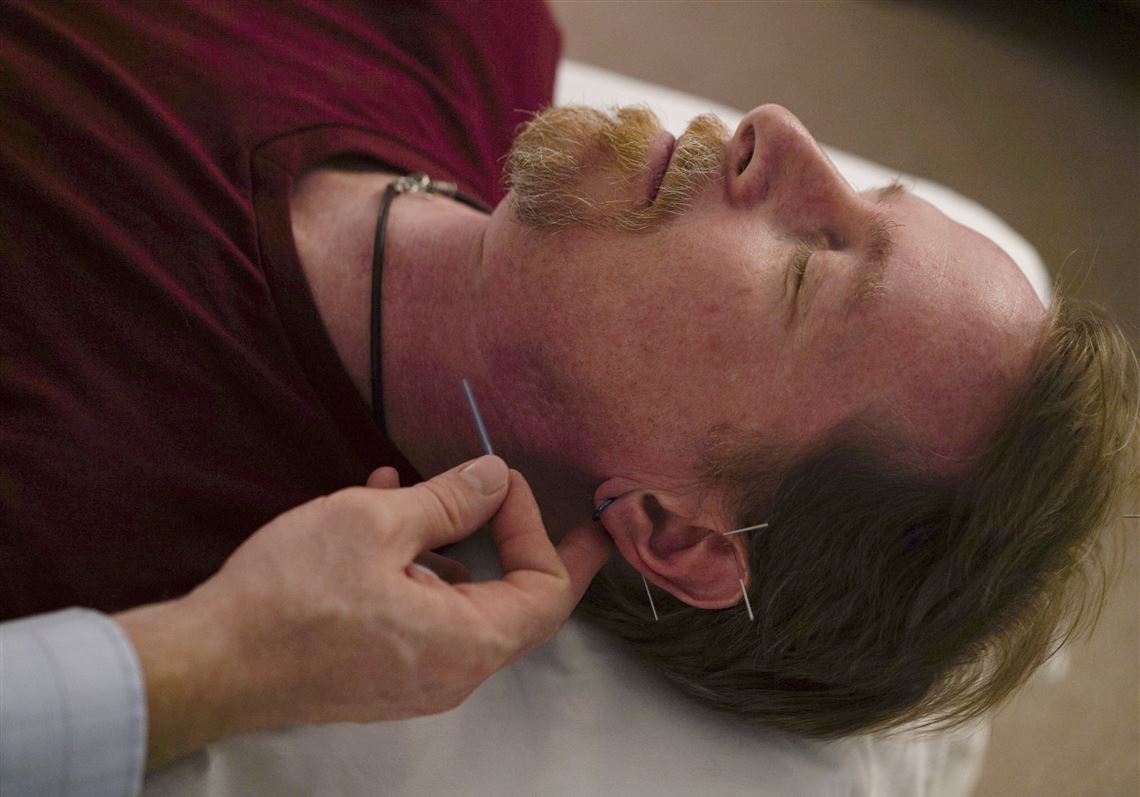
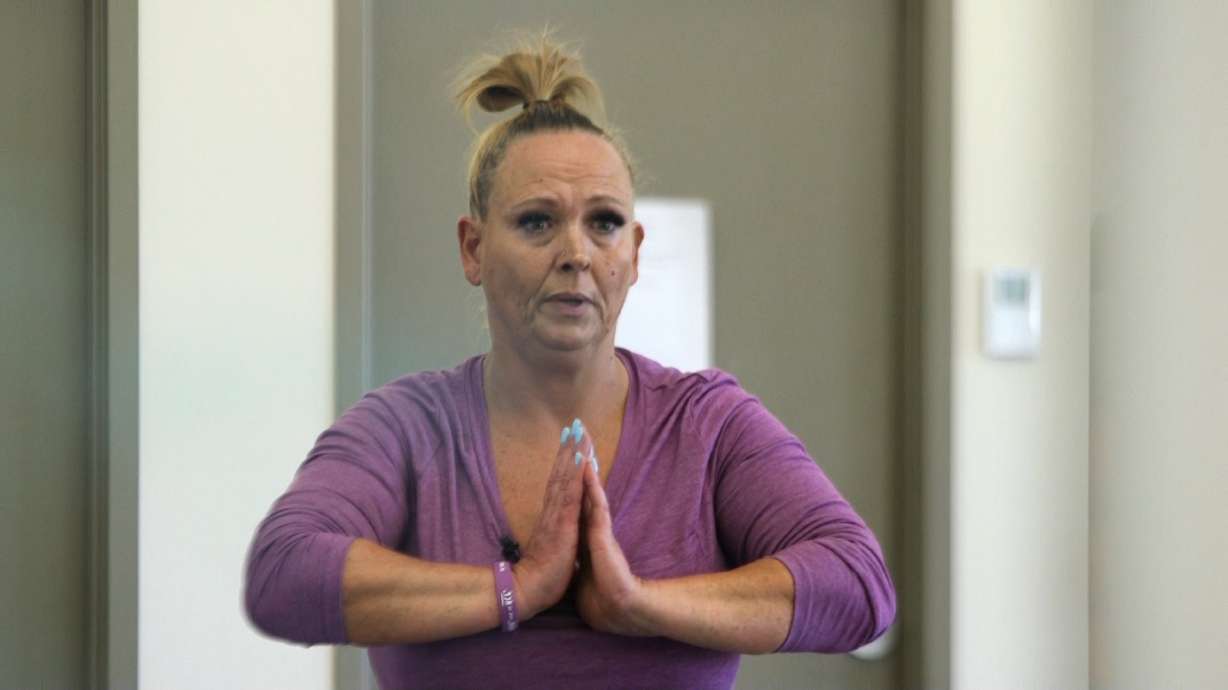
A new perspective on treating chronic pain involves alternative and holistic approaches that are garnering positive responses from patients. Healthcare providers are finding that methods such as acupuncture, yoga, and mindfulness practices are helping patients manage their pain more effectively. This shift towards non-traditional treatments reflects a growing recognition of the need for a more comprehensive and individualized approach to chronic pain management.
A group of leading UK experts, including parliamentarians, psychologists, and doctors, have launched a campaign to reverse the rising tide of antidepressant prescriptions. They argue that long-term antidepressant use is associated with adverse effects and that rigorous analyses show these drugs have no clinically meaningful benefit beyond placebo for all but the most severely depressed patients. The experts advocate for alternative treatments such as exercise, hot yoga, and healthy lifestyle habits, which have shown effectiveness in relieving depressive symptoms. They also highlight the potential side effects of antidepressants, including weight gain, sexual dysfunction, and increased risk of heart disease. The group is calling on the government to take action and fund services that help people stop taking antidepressants.
Doctors and patients should explore alternatives to long-term steroid use for chronic conditions, as these medications pose significant dangers when used for extended periods. While steroids are low-cost and approved by insurance companies, they can cause a range of side effects including weight gain, mood changes, muscle weakness, skin thinning, and cataracts. Despite the availability of newer treatments with fewer side effects, steroids are still widely prescribed due to their affordability. Patients deserve more options, and insurers should streamline the approval process for covering alternative medications.
The author shares their personal journey of living with chronic pain for three years and the challenges they faced in finding a diagnosis and effective treatment. After trying various medical interventions with little success, they took matters into their own hands and explored alternative therapies such as acupuncture, Pilates, and chiropractic care. They also incorporated mindfulness practices and CBD drops to manage their pain. Eventually, they received a diagnosis of arthritis in their hips and underwent bilateral hip replacement surgery. Through a combination of physical therapy, self-care, and mental health support, the author has found relief and regained some normalcy in their life. They emphasize the importance of a holistic approach to chronic pain management and the need for better integration of alternative treatments with traditional medical care.
Scientists from the University of Chicago have identified a new signaling pathway in the brain that could lead to the development of a high-strength painkiller that is less addictive than opioids. In mice, the researchers found that pain relief through this pathway did not result in withdrawals or trigger the brain's reward systems associated with addiction. The pathway, called the ventrolateral periaqueductal gray, serves as an important crossroads for pain control. While there is still no painkiller as effective as opioids, this research offers a promising step towards developing alternative treatments for pain relief with reduced addiction risks.
Tami Bellefeuille, a former firefighter and Navy veteran, is overcoming opioid dependence and managing her chronic pain through alternative treatments and mindfulness. Enrolled in Intermountain Health's pain management program, Bellefeuille is working closely with physician assistant Troy Johnson to explore non-medication solutions such as mindfulness training, yoga, acupuncture, massage therapy, and medical nutrition counseling. The program aims to minimize the use of opioids and shift lifestyle patterns to change the perception of pain. With about 100 million Americans suffering from chronic pain, Intermountain Health has been working to reduce opioid prescribing quantities and potency since 2017.
The ongoing shortage of ADHD medications is causing concern among parents as the back-to-school season approaches. The shortage, which was first announced by the FDA in October 2022, is due to manufacturing disruptions and unprecedented demand. The most affected medication is Adderall, along with variations of methylphenidate. The shortage may lead to children going without their medication, worsening symptoms and making it more challenging for parents and teachers to manage. Parents are advised to plan ahead and consult with healthcare providers for possible substitutions. Non-drug alternatives such as cognitive behavioral therapy, parent training, and education, classroom accommodations, and healthy daily habits can help manage ADHD symptoms. The FDA is working to resolve the shortage and provide alternative treatment options.
The ongoing shortage of Adderall, a medication commonly prescribed for ADHD, has prompted the FDA and DEA to explore alternative treatments. One suggestion is the use of video games as a digital therapeutic for managing ADHD symptoms. Digital medicine company Akili Interactive has developed a prescription video game called EndeavorRx, which has shown promising results in improving attention and focus in children and adults with ADHD. The game is designed to challenge specific elements of brain function and is personalized to each user. While video games cannot replace stimulant medications entirely, they offer an additional low-risk tool for individuals who are unable to take medication or have difficulty accessing it.
There are alternative ways to relieve pain without relying on opioids, which can lead to tolerance, dependence, and addiction. Interventional procedures, such as injections and nerve blocks, along with non-opioid medications like topical agents and oral medications, can be effective. Additionally, movement through activities like yoga, massage therapy, physical therapy, and low-impact exercise can help alleviate pain. It is important to prioritize movement, even though it may initially cause discomfort, as it can ultimately lead to improved pain management.
Although CPAP machines are the gold standard in treating sleep apnea, other treatments such as nasal and oral mandibular advancement devices, oral appliance therapy, and surgical options should be considered. Sleep quality plays a vital role in overall health, and physicians have several tools to identify sleep apnea. Poor sleep quality can have wide-ranging implications on medical conditions such as diabetes, heart disease, obesity, cognitive function, mental health, and mortality. Patients can improve their sleep quality by maintaining regular wake and sleep times, keeping their bedrooms quiet, dark, and cool, and avoiding caffeine late in the day.
Nassira Powell, who was diagnosed with multiple sclerosis (MS) in 2018, decided to pursue alternative self-care before going on a disease-modifying therapy (DMT). She changed her lifestyle, including going gluten- and dairy-free, increasing her daily vegetable intake, and taking supplements recommended by her naturopath. She also researched the Wahls Protocol and MS Hope. In five years of managing her MS naturally, she has only had one flare-up. She advises anyone just starting their MS journey or looking to try an alternative approach to spend time researching the topic and believe in themselves to make the right choice for them.