Tag

Deceptive Advertising

All articles tagged with #deceptive advertising

business27 days ago

Menards Settles Multiple State Lawsuits Over Deceptive Rebate and Discount Practices

A multi-state coalition settled with Menards over deceptive advertising, where the store was accused of misleading customers about an 11% rebate as an immediate discount and engaging in price gouging during COVID-19. Menards will pay $4.25 million, clarify its rebate terms, and improve transparency, while also agreeing not to price gouge during economic disruptions.


business3 months ago

Upcoming Global Cruise Promises Uncharted Adventures

Victoria Cruises Line (VCL) promoted an affordable around-the-world cruise but has yet to operate the voyage, with many depositors, including Australians Dennis and Taryna Wawn, losing their money after the company failed to secure a ship or reach occupancy targets. Despite ongoing advertising and claims of a ship, VCL has not leased or owned one, and affected customers have faced delays, legal threats, and difficulty obtaining refunds, raising concerns of a scam and consumer rights violations.

business1 year ago

"FTC Alleges H&R Block Deceived Customers and Deleted Tax Data"

The Federal Trade Commission (FTC) has accused H&R Block of deleting the tax data of customers who attempt to downgrade to less expensive options, effectively pressuring them into paying for pricier services. The FTC also alleges that H&R Block engaged in deceptive advertising by marketing its online tax preparation services as free when many customers end up having to pay. H&R Block's chief legal officer maintains that the company provides fair and transparent pricing and allows consumers to downgrade to less expensive products, while the FTC's claim comes shortly after a similar ruling against Intuit's TurboTax.

business2 years ago

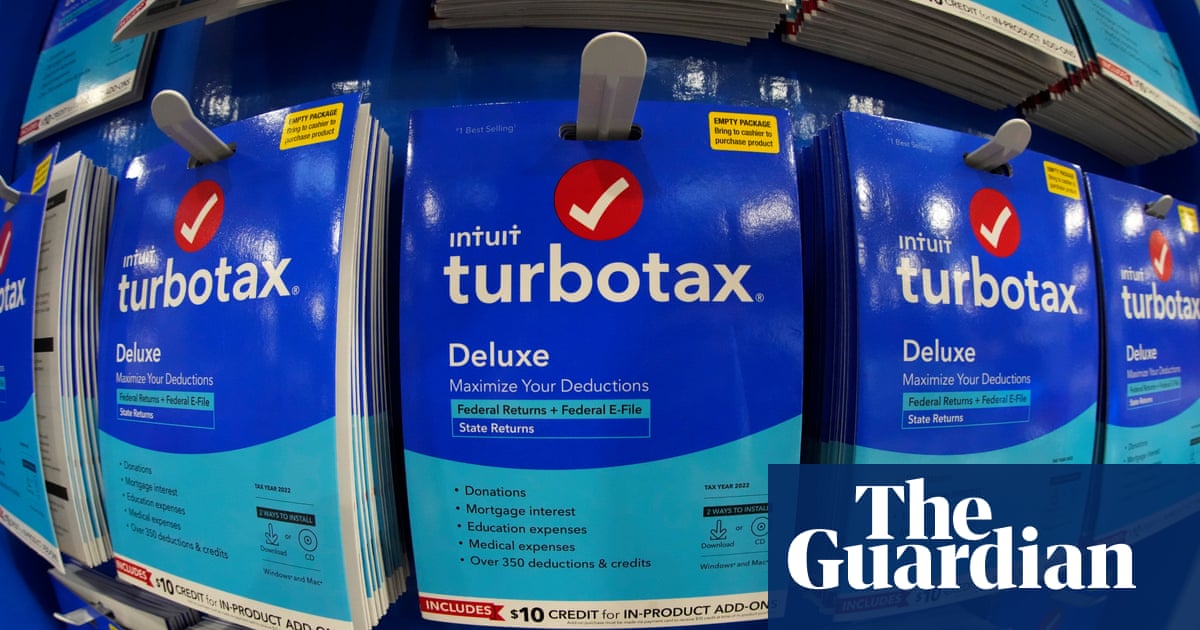
FTC Cracks Down on TurboTax's Deceptive 'Free' Claims

The US Federal Trade Commission has barred TurboTax maker Intuit from advertising services as "free" when many consumers were ineligible, citing deceptive practices. Intuit plans to appeal the decision and claims to have always been clear and transparent with its customers. The company previously agreed to pay $141m in restitution to settle claims by all 50 US states and Washington DC that it deceptively advertised TurboTax products as "free".

business2 years ago

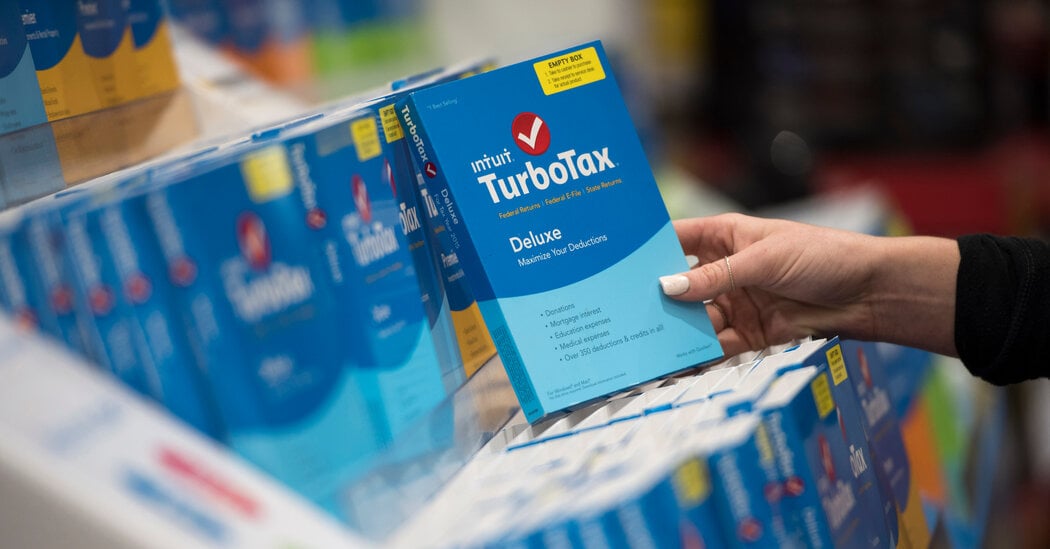
FTC Cracks Down on TurboTax's Deceptive "Free" Advertising

The Federal Trade Commission has ruled that Intuit, the maker of TurboTax, must stop marketing its tax-filing services as free unless they are free to everyone or exceptions are clearly disclosed. The commission found that TurboTax's advertising claiming customers could file their taxes online for free was deceptive, as two-thirds of taxpayers were not eligible for the free product. Intuit has been ordered to clearly and conspicuously disclose the percentage of taxpayers who qualify for the free product or service, and the company has stated that it will appeal the decision. This ruling follows a previous settlement in which Intuit agreed to pay back $141 million to more than four million Americans who had been unfairly charged for tax services falsely advertised as free.

business2 years ago

FTC Cracks Down on Intuit's Deceptive TurboTax "Free" Advertising

The Federal Trade Commission has barred Intuit, the maker of TurboTax, from advertising "deceptive" free tax services, stating that the company's ads for free products were often ineligible for many customers and led them to costly deluxe and premium products. Intuit was ordered to cease advertising any free products unless they are truly free for all consumers or disclose the percentage of eligible users. The FTC's opinion upheld a ruling that found Intuit engaged in deceptive marketing, and the company is appealing the decision in federal court. This comes after Intuit agreed to pay $141 million to customers as part of a settlement with all 50 states' attorneys general over similar complaints.

business2 years ago

FTC Cracks Down on TurboTax for Deceptive "Free" Services

The Federal Trade Commission has banned TurboTax from advertising its services as "free" unless they are truly free for all customers, citing deceptive advertising practices. The FTC found that TurboTax's "free" tax services were not accessible to many customers, leading to misleading advertising. Intuit, TurboTax's owner, has appealed the decision, claiming bias within the FTC. Additionally, Intuit has been ordered to clearly disclose the percentage of customers who qualify for the free service and to provide transparent information about the terms and conditions. This ruling follows a 50-state settlement in which TurboTax's parent company, Intuit, was accused of steering low-income Americans away from free tax-filing services.

business2 years ago

Fast Food Giants McDonald's and Wendy's Triumph in Lawsuit Alleging Burger Size Exaggeration

McDonald's and Wendy's have successfully defended themselves against a lawsuit alleging that they deceived customers by exaggerating the size of their burgers. The judge found no evidence that the fast-food chains served smaller burgers than advertised or that the plaintiff had even seen the ads in question. The judge stated that the companies' efforts to make their burgers visually appealing were no different from other companies' marketing tactics. The judge also ruled that the chains were not obligated to sell burgers based on their advertising and that their websites provided accurate information about the burgers' weight and caloric content.

technology2 years ago

Unlabeled ads infiltrate X's Following feeds, raising concerns

X, formerly known as Twitter, has been found running unlabeled ads in users' Following feeds, making it difficult for users to distinguish between regular posts and advertisements. It is unclear whether this is a glitch or a deliberate attempt to deceive consumers. The issue arises after X changed its ad labeling format in July, which some critics argue made the ads less noticeable. The Federal Trade Commission (FTC) has been urged to investigate X's use of stealth ads and potentially impose fines and sanctions. The problem with ad labeling is seen as a stain on the reputation of X's newly hired CEO, Linda Yaccarino. X has not responded to press inquiries.

business2 years ago

FTC Judge Finds Intuit's "Free" TurboTax Ads Deceptive

The Federal Trade Commission's chief administrative law judge has ruled that Intuit, the parent company of TurboTax, "deceived consumers" by advertising its tax filing service as "free" when it actually required payment. The ruling comes after a lawsuit from the FTC and a $141 million payout to affected users. The judge issued a cease-and-desist order, preventing Intuit from engaging in deceptive practices in the future and requiring the company to clearly disclose any terms that would limit the offer. Intuit has criticized the investigation process and claims to already adhere to most of the advertising practices in the FTC's decision. The IRS is working on a government-backed free filing service to be piloted in the 2024 tax season.

business2 years ago

Intuit's Deceptive Advertising Case Ends in FTC's Favor

An administrative judge at the Federal Trade Commission (FTC) has ruled that Intuit, the company behind tax prep service TurboTax, deceptively promoted the product as free. The ruling requires Intuit to change its advertising practices, including no longer using the phrase "simple returns only" and providing more specific information about which tax forms qualify for free filing. Intuit plans to appeal the ruling, stating that the FTC has ruled in its own favor in consumer protection cases for the past two decades. The FTC sued Intuit in March 2022, alleging that customers were misled into believing they could file their taxes for free but were later required to pay a fee. In May, Intuit agreed to pay $141 million to a group of states with similar allegations.

business2 years ago

FTC Cracks Down on Fake Product Reviews with Tougher Regulations

The Federal Trade Commission (FTC) has proposed a rule to crack down on marketers who use fake reviews of products, aiming to ban fake reviews, suppress negative reviews, and pay for positive reviews. Violators may face hefty fines, and the rule is intended to level the playing field for honest companies. Fake reviews have been a persistent issue on platforms like Amazon and Google, and the pandemic has exacerbated the problem. The FTC's proposed rule also includes provisions against review hijacking, offering incentives for positive reviews, undisclosed roles of company officers and managers in writing reviews, and other deceptive practices. The FTC will accept public comment on the proposal for 60 days.