A survey reveals that medical misinformation has significantly increased over the past five years, affecting patient care and contributing to physician frustration and burnout, especially amid the COVID-19 pandemic and widespread online falsehoods.
Emergency room doctors in Brooklyn shared personal and candid stories about their challenging and sometimes gruesome experiences, highlighting their human side and the emotional complexity of their work at an event called Airway.
The article discusses the frustration and anger many Americans feel towards the healthcare system, as experienced by doctors. It highlights issues such as high costs, complex insurance processes, and inadequate patient care, which contribute to widespread dissatisfaction. The author, a doctor, shares insights into the systemic problems and suggests that meaningful reform is necessary to address these concerns and improve the overall healthcare experience for patients.
Doctors are skeptical about the use of wearable technology for health monitoring due to concerns over data accuracy, potential for hypochondria, and lack of standardized data formats. While wearables like smart rings and watches can track various health metrics, clinicians often prefer to verify data with their own equipment. The integration of patient-generated data into healthcare systems remains a challenge, despite potential benefits in community healthcare settings.
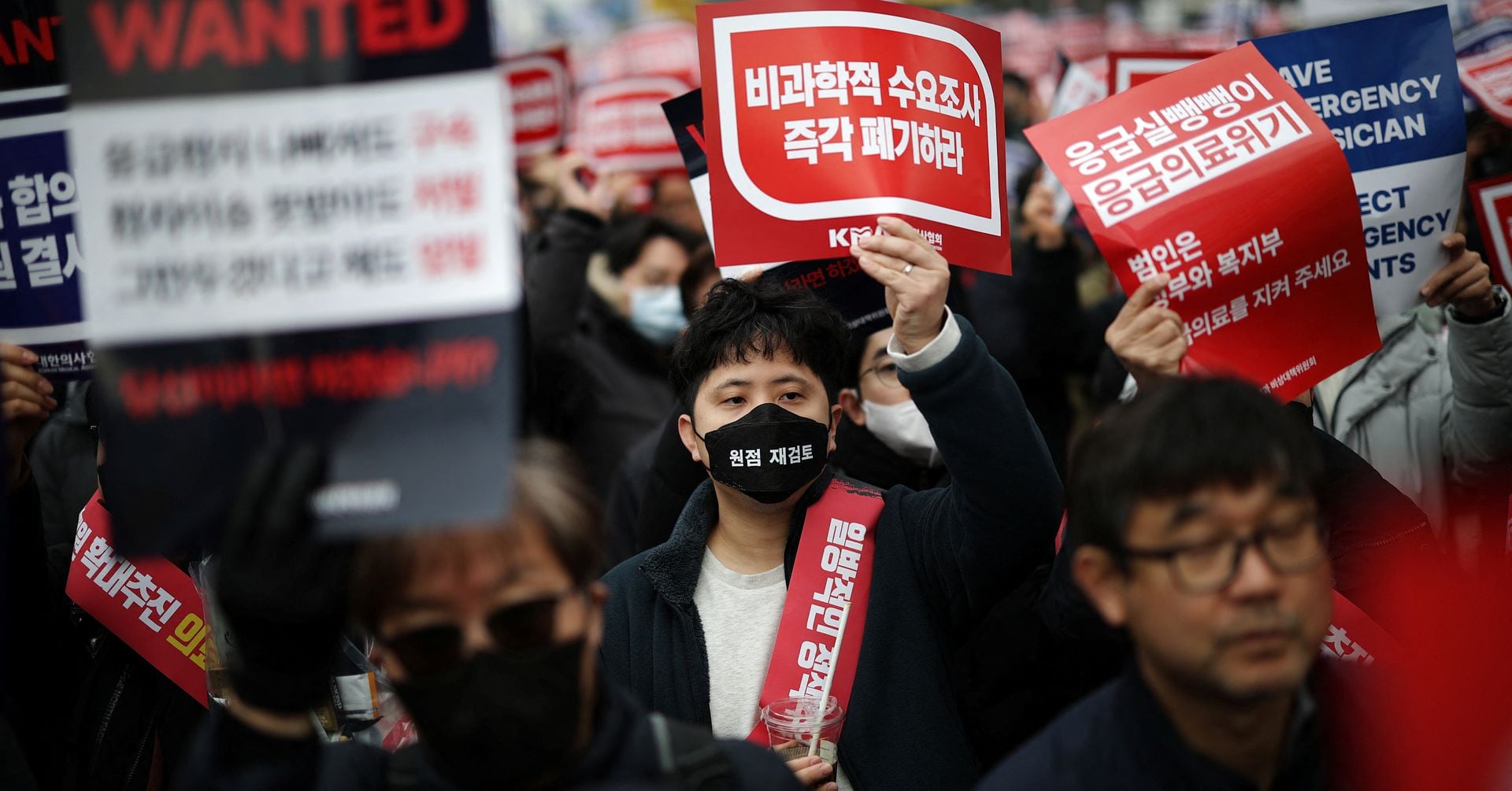
South Korean President Yoon Suk Yeol is open to talks with doctors opposing his plan to increase medical school admissions, apologizing for the inconvenience caused by the ongoing strike by trainee doctors while accusing the medical sector of prioritizing their own interests over public health. More than 90% of the country's 13,000 trainee doctors have been staging walkouts since Feb. 20 in protest against the government's plan to boost medical school admissions by 2,000 starting in 2025 from 3,000 now, as South Korea faces a shortage of doctors. Yoon refuted claims by doctors' groups and highlighted the necessity of medical reform, urging them to propose a unified idea with solid scientific evidence for a compromise.
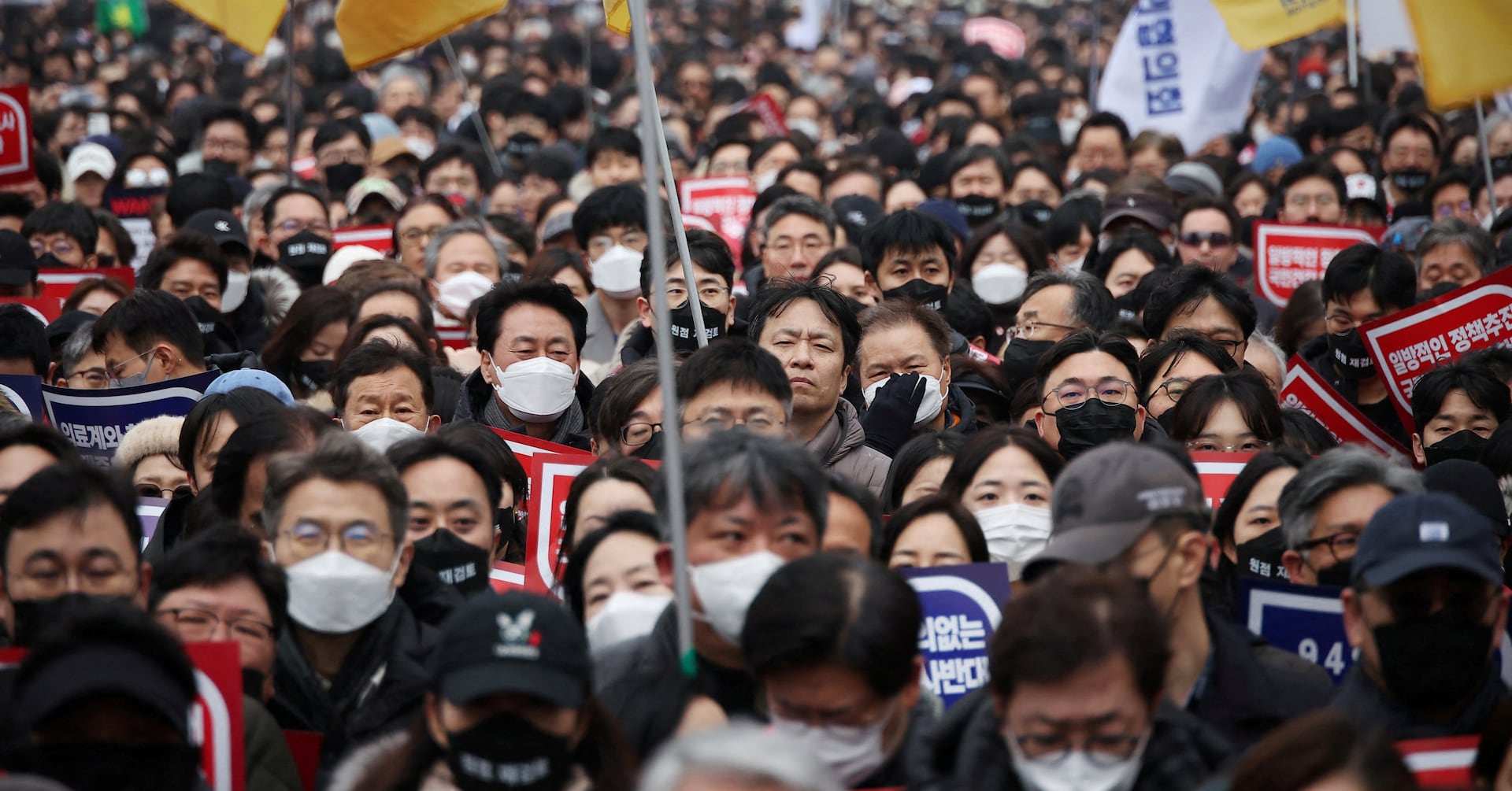
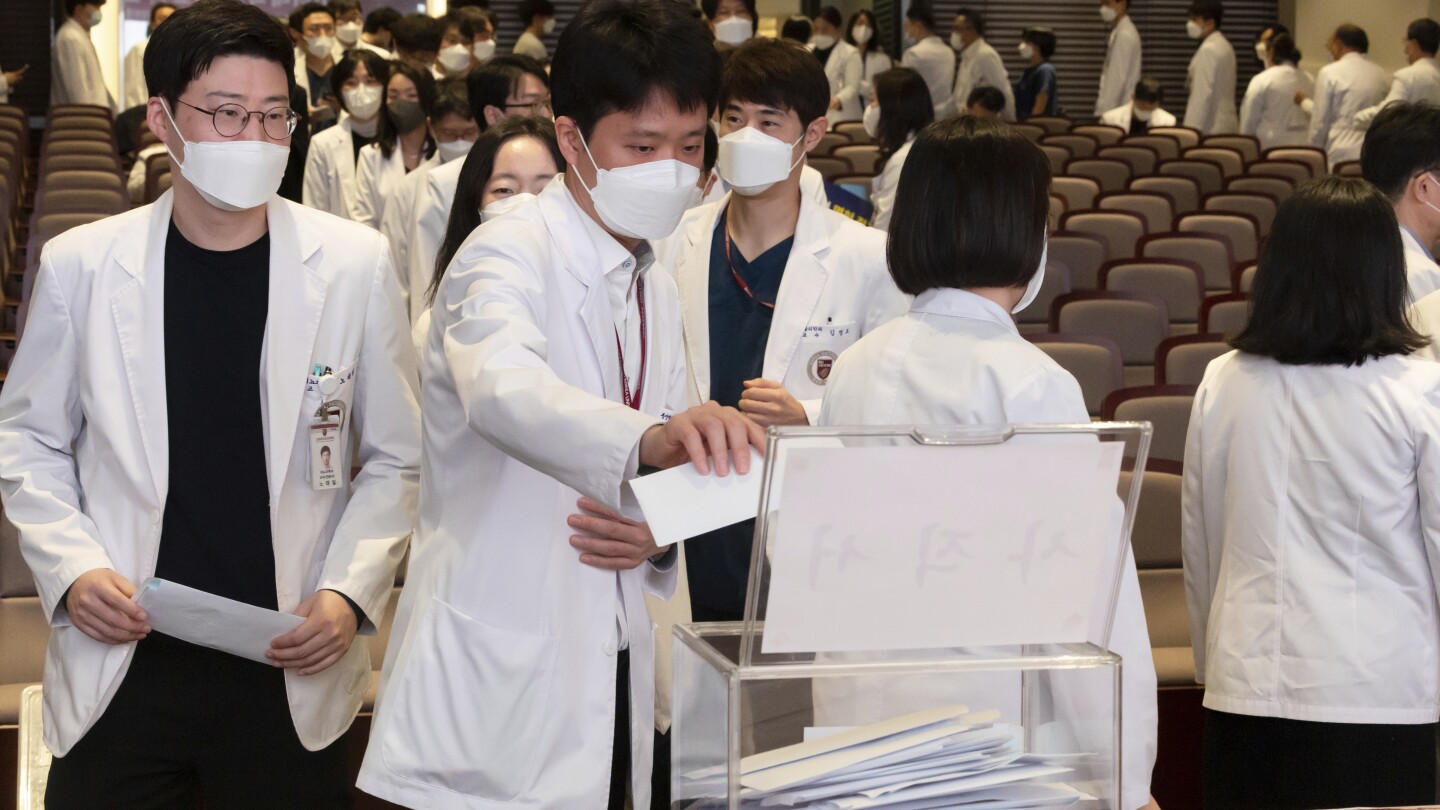
Senior doctors in South Korea are submitting resignations in support of medical interns and residents who have been on strike for five weeks over the government's plan to increase medical school admissions. The striking doctors oppose the plan, saying it would overwhelm schools and harm medical services, while officials argue that more doctors are urgently needed due to the country's aging population and low doctor-to-population ratio. The government has shown willingness to soften punitive measures against the striking doctors and engage in dialogue, but the dispute remains unresolved, with potential implications for next month's parliamentary elections.
Thousands of junior doctors in South Korea face license suspensions and police investigations as they continue their strike against a government plan to increase medical school enrollment. The government argues that more doctors are needed to address the country's aging population, but many doctors believe that the sudden increase in students will harm the overall medical service. The government has begun administrative steps to suspend the licenses of the striking doctors, with officials stating that those who lead the walkouts may face police complaints. The striking doctors, who make up a significant portion of hospital staff, are determined to continue their protest despite potential legal consequences.
Patients share instances of doctors making inappropriate and unprofessional comments, including body shaming, dismissive attitudes, and lack of empathy. Professionalism in the medical field is crucial, encompassing excellence, accountability, altruism, humanism, respect for others, and honor and integrity. These stories highlight the need for medical professionals to prioritize patient care and uphold ethical standards.
South Korea's health minister announced plans to inspect hospitals and take legal action against trainee doctors who have continued their walkout over government plans to increase medical school admissions, despite warnings of penalties including suspension of medical licenses and fines. The government aims to suspend the medical licenses of around 7,000 protesting doctors. The protesting doctors argue that the government should address pay and working conditions before increasing the number of physicians, while the government insists that the plan to boost medical school admissions is necessary in a rapidly aging society with a low doctor-to-patient ratio. The standoff has led to concerns among patients and strained medical services, with little sign of resolution as both sides remain firm in their positions.
South Korea is set to suspend the licenses of trainee doctors who have continued their strike over government plans to increase medical school admissions, despite an ultimatum to return to work. The strike, involving about 9,000 junior doctors, has led to the cancellation of operations and treatments, affecting hospital emergency units. The government insists on increasing medical school admissions due to the aging population and low doctor-to-patient ratio, but the doctors argue that pay and working conditions should be addressed first. President Yoon Suk-yeol has taken a hard line on the strike, with public support for the plan to boost medical school admissions, while the doctors have pledged to continue their protest.
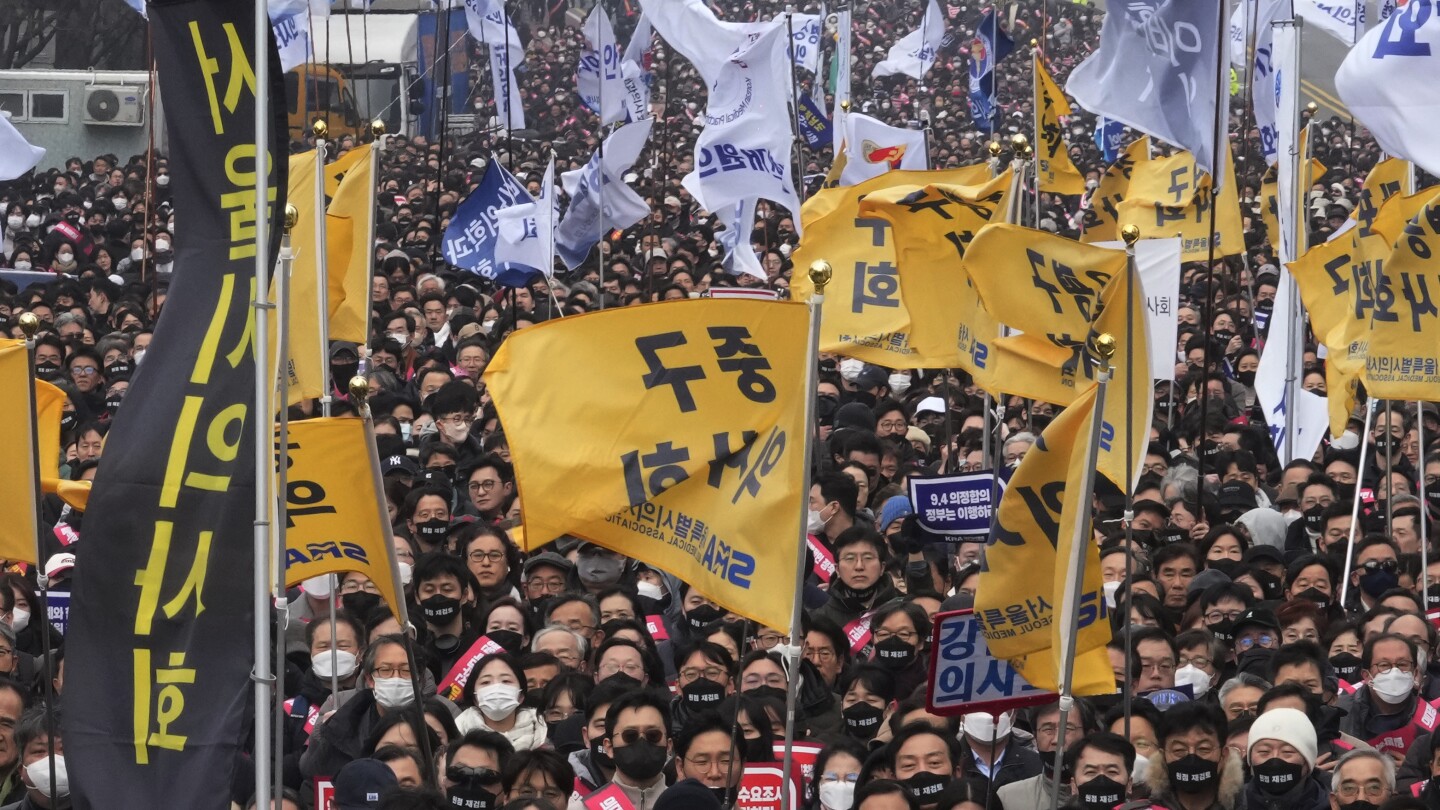
Thousands of senior doctors in South Korea rallied in support of junior doctors who have been on strike for nearly two weeks over a government plan to increase medical school admissions. The government threatened to suspend the licenses of nearly 9,000 medical interns and residents for defying orders to end their walkouts, which have disrupted hospital operations. The government aims to increase medical school enrollment, but many doctors argue that the plan would lead to a decline in the quality of medical education and exacerbate the shortage of doctors in essential specialties. The protests have not garnered public support, with a majority of South Koreans backing the government's plan.
Thousands of medical interns and residents in South Korea are defying government orders to return to work, risking suspensions of medical licenses and prosecution as they protest the government's plan to boost medical school enrollments. The government has warned of legal repercussions if the strikers don't return to their hospitals, but many are expected to continue the work boycott for weeks or months. The government aims to admit 2,000 more applicants to medical schools next year to address the country's aging population, but many doctors argue that universities aren't ready to provide quality education to that many new students and that the plan would fail to address the chronic shortage of doctors in essential specialties. The strike has caused the cancellation or delay of several hundred surgeries and other medical treatments, and if senior doctors join the walkouts, South Korea's medical service could suffer serious damage.
Junior doctors in South Korea have been given four days to end their walkouts protesting a government plan to increase medical school admissions, or they could face prosecution or have their medical licenses suspended. The government argues that adding more doctors is necessary to address the country's aging population, while the strikers believe the plan would not resolve the chronic shortage of doctors in key but low-paying areas. The government has threatened disciplinary action against the striking doctors if they do not return to work by the end of the month, while the striking doctors worry about increased competition and lower incomes. The walkouts have severely impacted hospital operations, leading to numerous cancellations of surgeries and treatments, and have sparked public debate and criticism.
Over 7,800 interns and residents in South Korea have resigned in protest against overwork, low pay, and lack of representation, leading to hospitals turning away patients and cancelled surgeries. The government aims to increase physician numbers to meet healthcare demands, but the protesting doctors argue that their pay and working conditions should take priority. They work long hours for low pay and are demanding better legal protection and changes to the healthcare system.