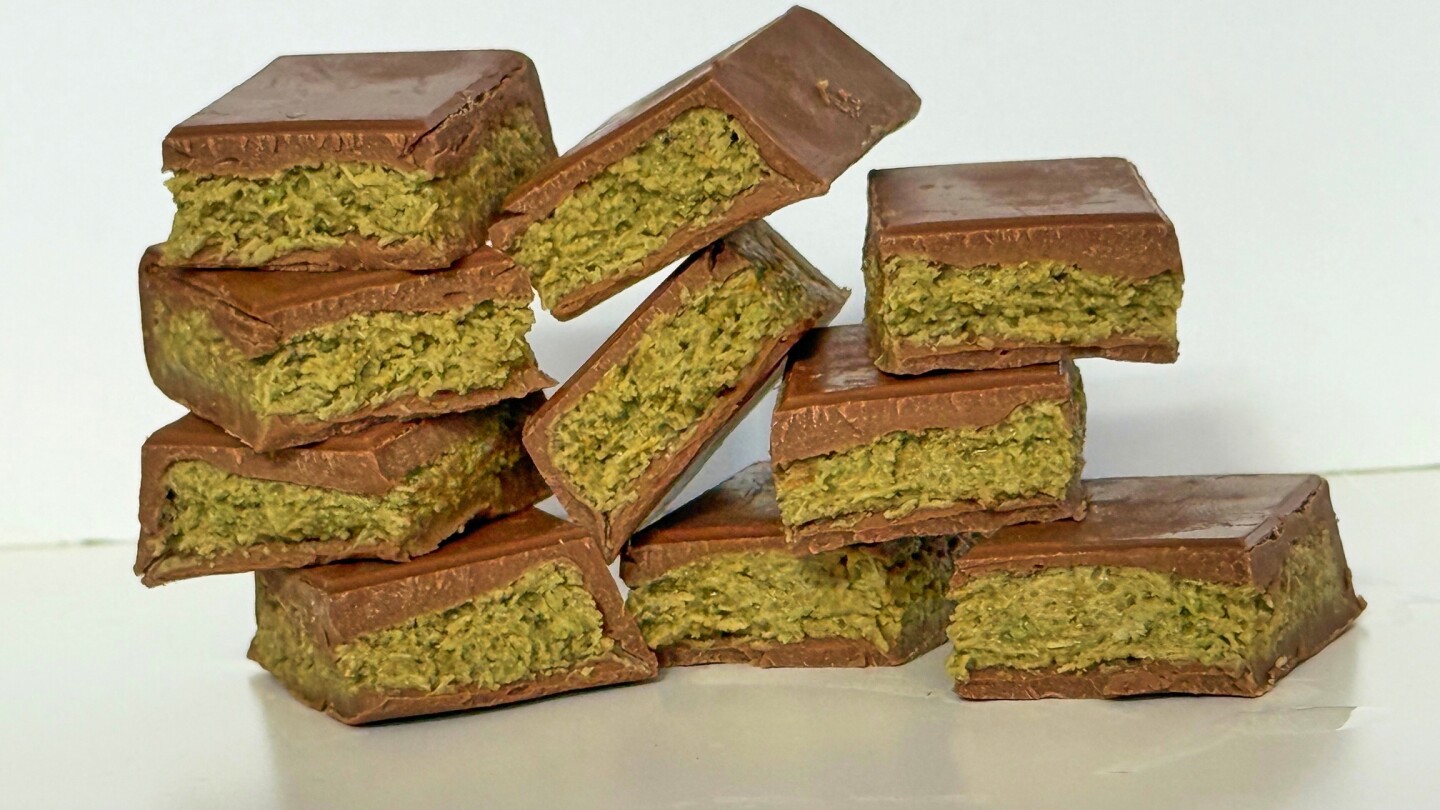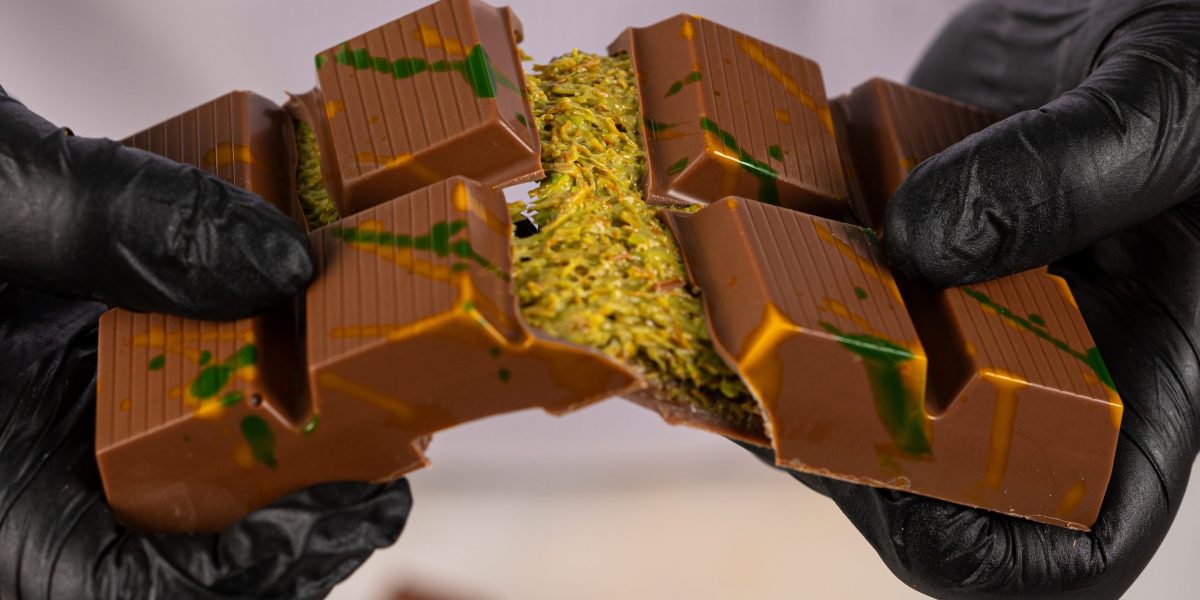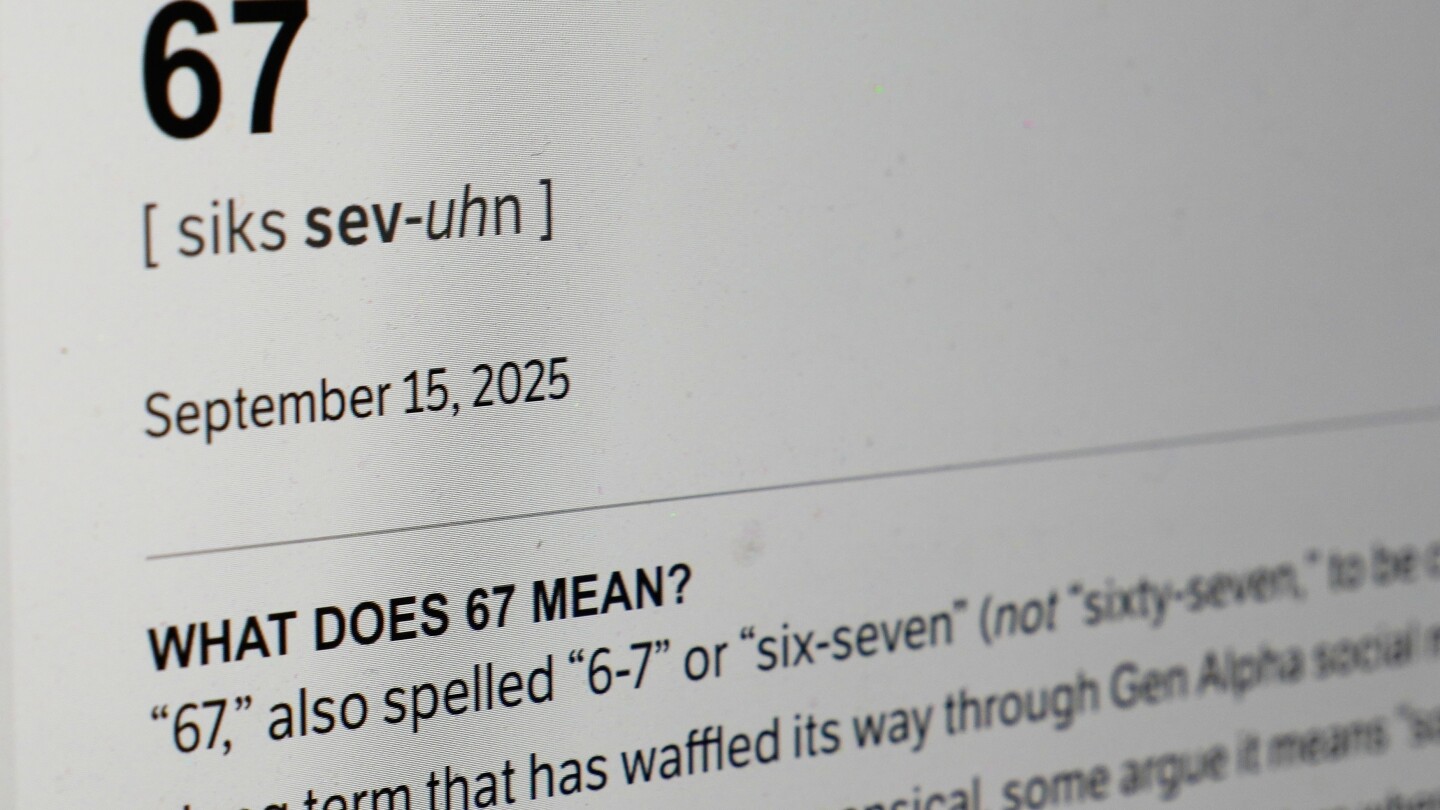
The article reflects on the trends and cultural shifts of 2025, including the fading of '6-7' slang, the importance of authentic positivity, the overconsumption of protein, the craze for Labubu collectibles, and the rise of Dubai chocolate, while offering a humorous look ahead to 2026. It emphasizes letting go of outdated trends and embracing healthier, more genuine attitudes in the new year.
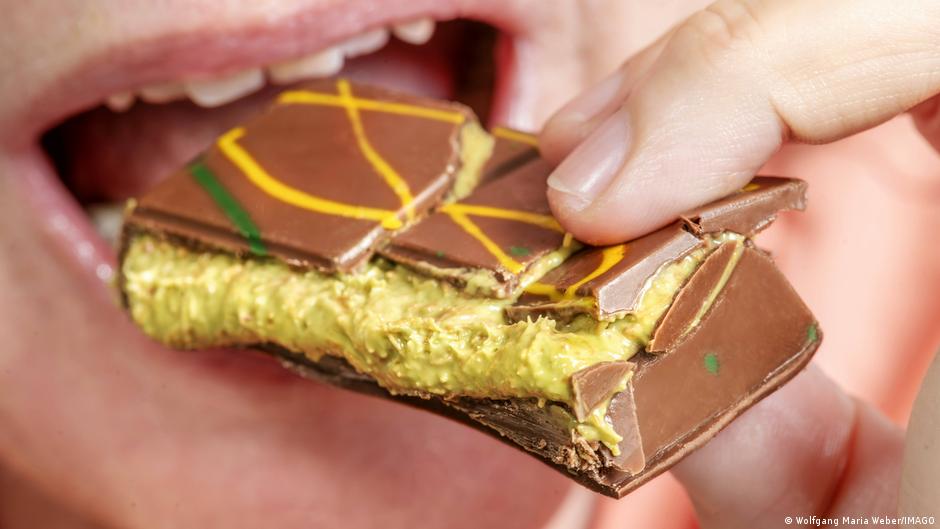
The article discusses the negative environmental and social impacts of popular food trends like Dubai chocolate, pistachios, matcha, and quinoa, highlighting issues such as water overuse, climate change effects, and monoculture farming, and emphasizes the need for more sustainable practices in food production.
The Dubai chocolate craze, originating with rich, thick bars filled with pistachio and kadayif, is expanding beyond bars into various confections and flavors, gaining popularity globally and attracting major retailers and brands with its unique texture and luxurious ingredients.
The viral success of "Dubai chocolate," a pistachio-filled delicacy created by British-Egyptian entrepreneur Sarah Hamouda, has sparked a craze across Europe, with bars selling for over €100. The trend, fueled by a TikTok video with over 100 million views, has led to widespread demand and even smuggling attempts. Copycat versions have emerged, including one by Swiss manufacturer Lindt, which saw customers queuing for hours in Germany. The high demand has turned the chocolate into a lucrative resale item, with some bars fetching up to €300 online.