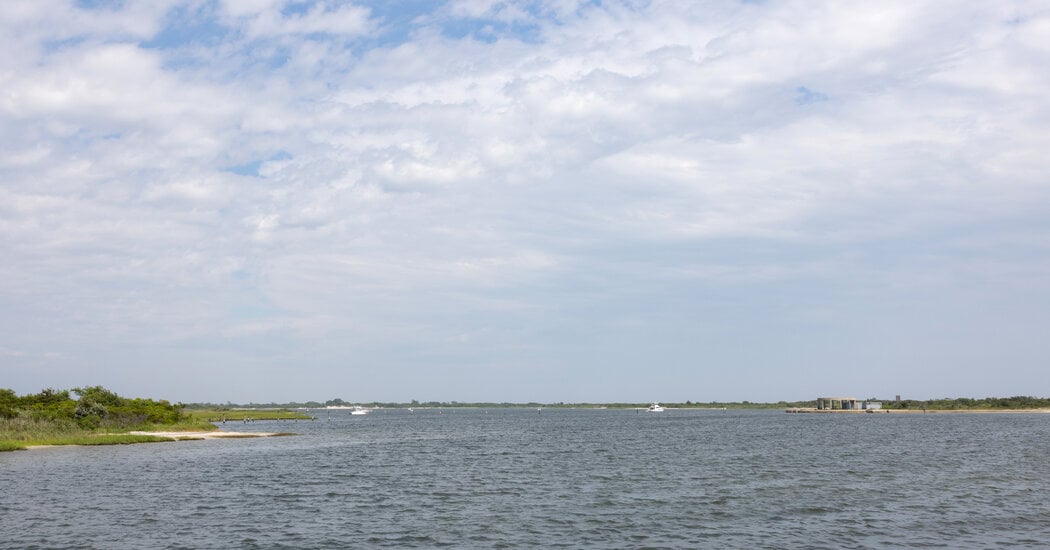
A woman was likely bitten by a juvenile sand tiger shark at Jones Beach, Long Island, resulting in minor injuries and prompting a temporary beach closure for safety measures. This incident marks the first shark attack of the season at a New York State park, amid recent global shark attack reports, highlighting ongoing safety advisories for swimmers.
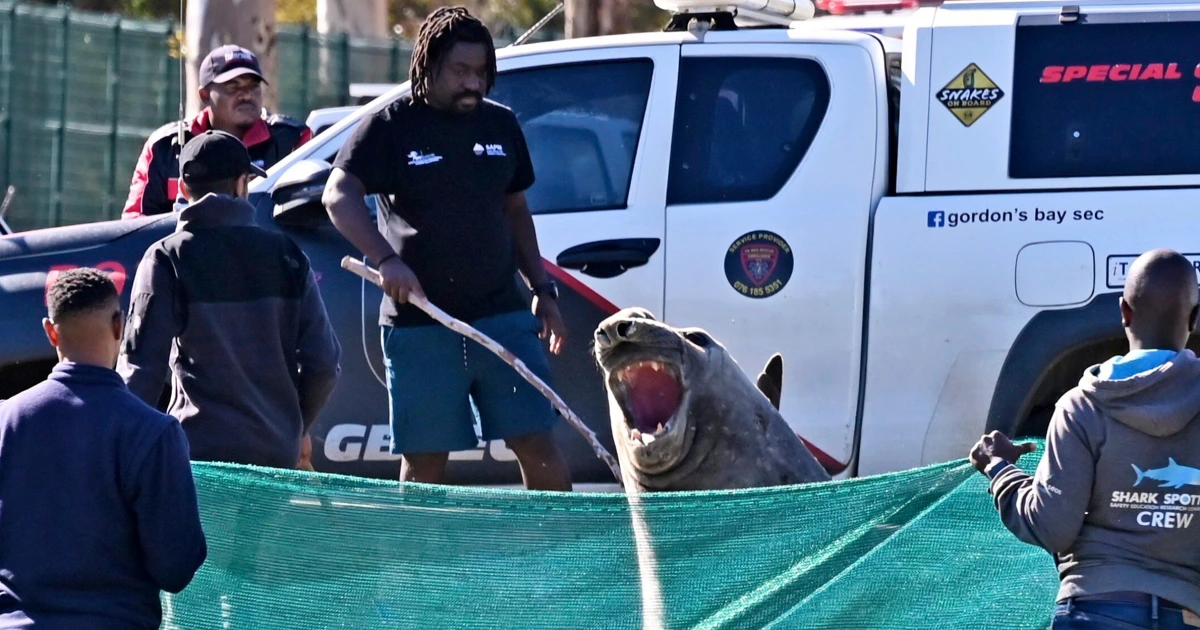
A young male elephant seal, weighing around two tons, wandered into a suburb of Gordon's Bay near Cape Town, South Africa, surprising residents. Marine wildlife specialists sedated and transported the seal back to the ocean, highlighting a successful rescue effort.
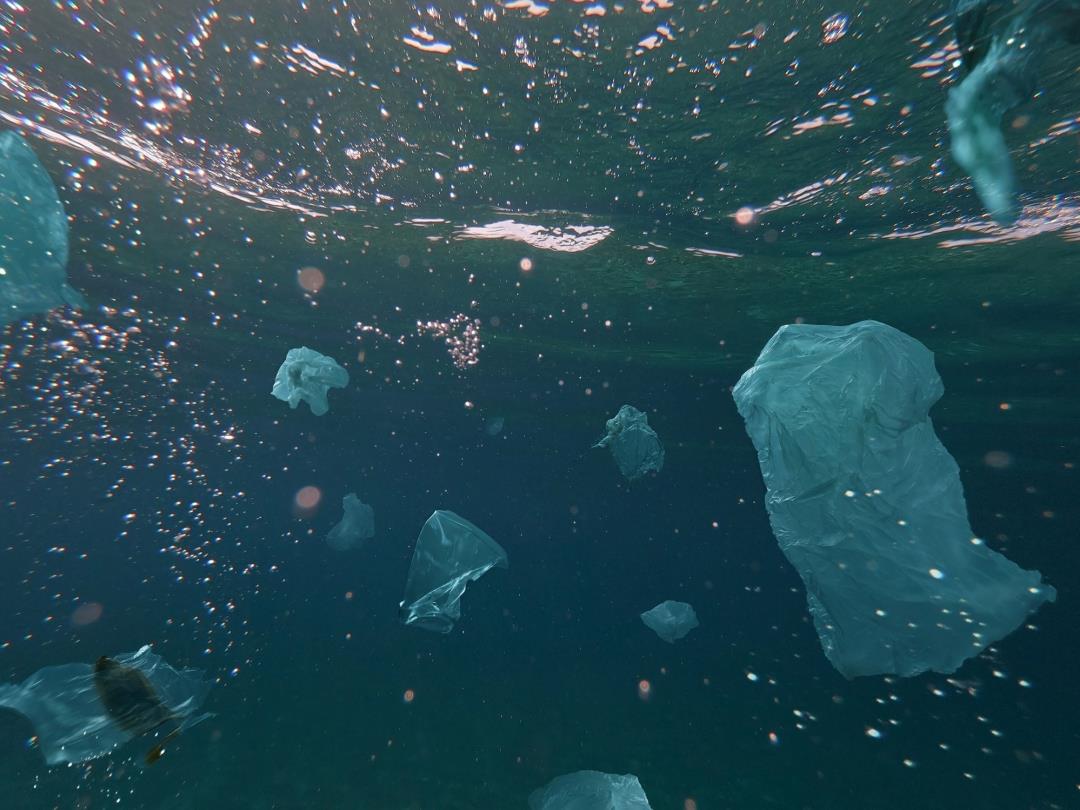
Researchers studying plastic waste in the Pacific Ocean found equally large quantities of microplastics in a remote marine reserve northwest of Hawaii, challenging previous assumptions about plastic distribution. The study highlights the widespread impact of plastic pollution on the entire ocean ecosystem and emphasizes the urgent need for global efforts to address the issue efficiently.
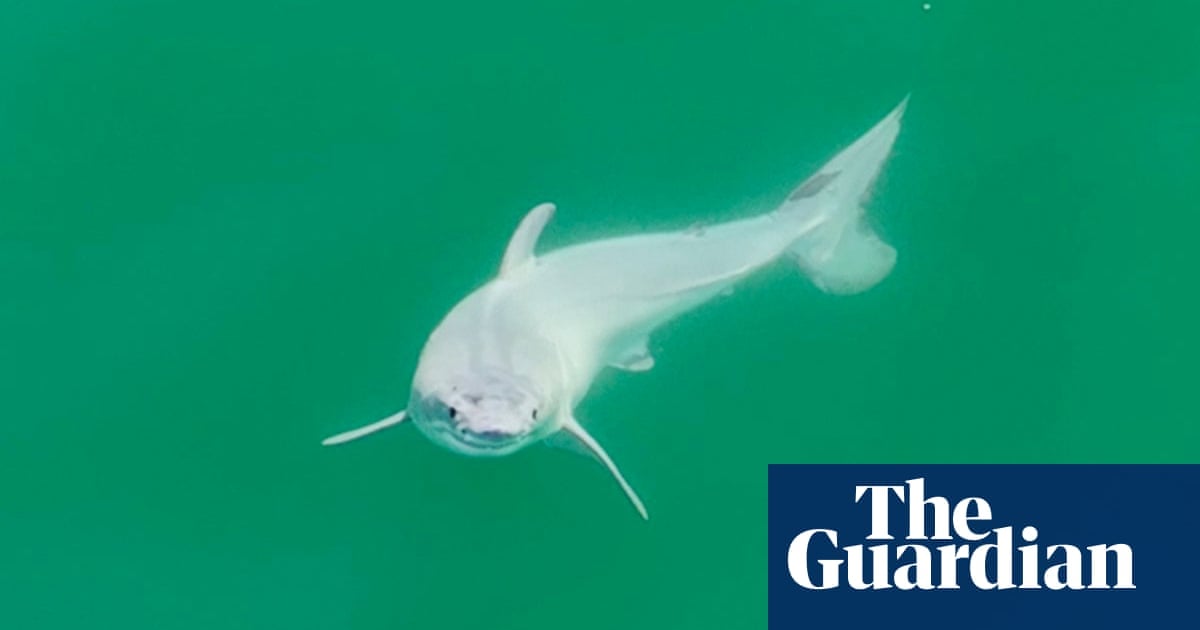
Researchers in California may have captured the first ever image of a newborn great white shark, about 5ft long and pure white, shedding its embryonic layer in drone images taken near Santa Barbara. The finding, documented in the Environmental Biology of Fishes journal, is considered a "holy grail" of shark science, as no one has previously observed a newborn great white shark in the wild. Experts have hailed the observation as "hugely significant" in the field of marine biology.
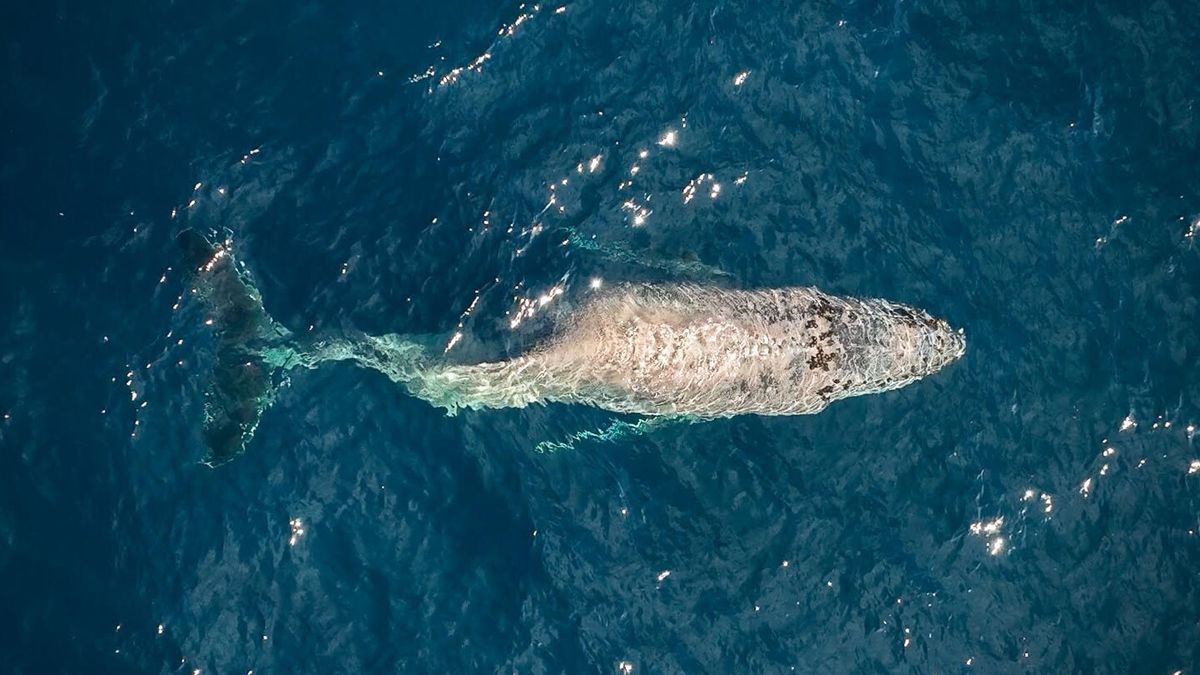
A humpback whale with a broken back, likely from a ship collision, was spotted off the coast of Baja California Sur, Mexico, and is expected to die from its injuries. The whale's ability to swim, feed, and survive is severely impacted, highlighting the threat of ship collisions to marine wildlife. Efforts to mitigate such incidents, including speed regulations for vessels, are in place, but more comprehensive measures are needed to prevent future whale deaths.
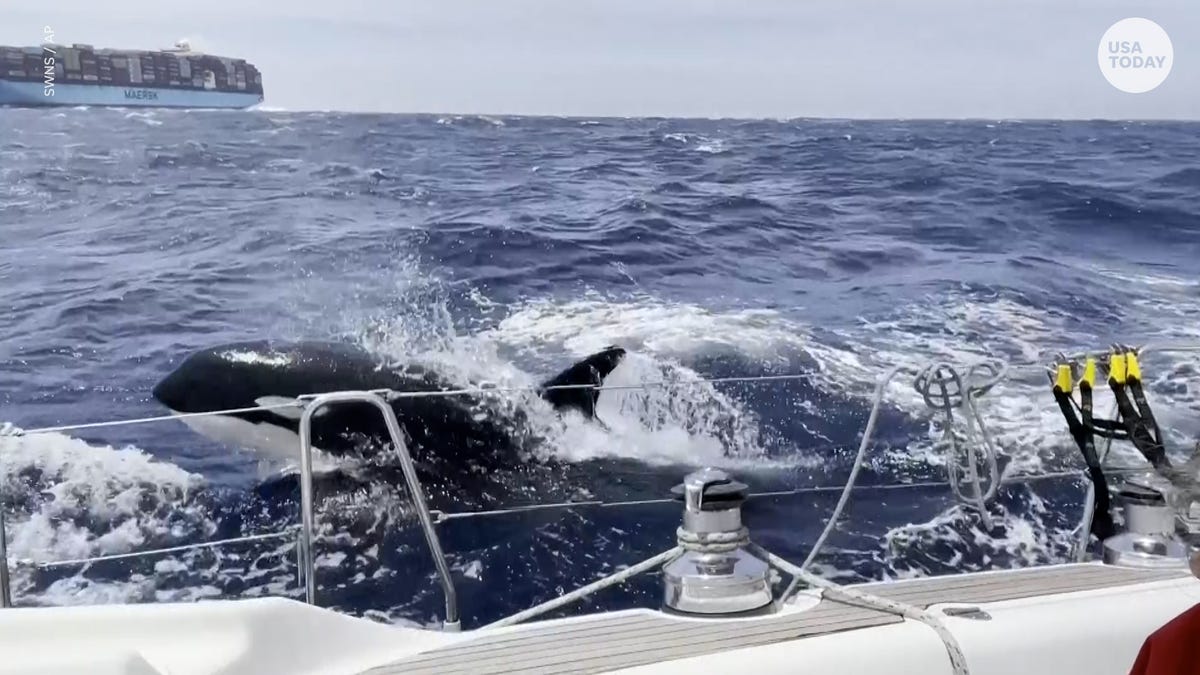
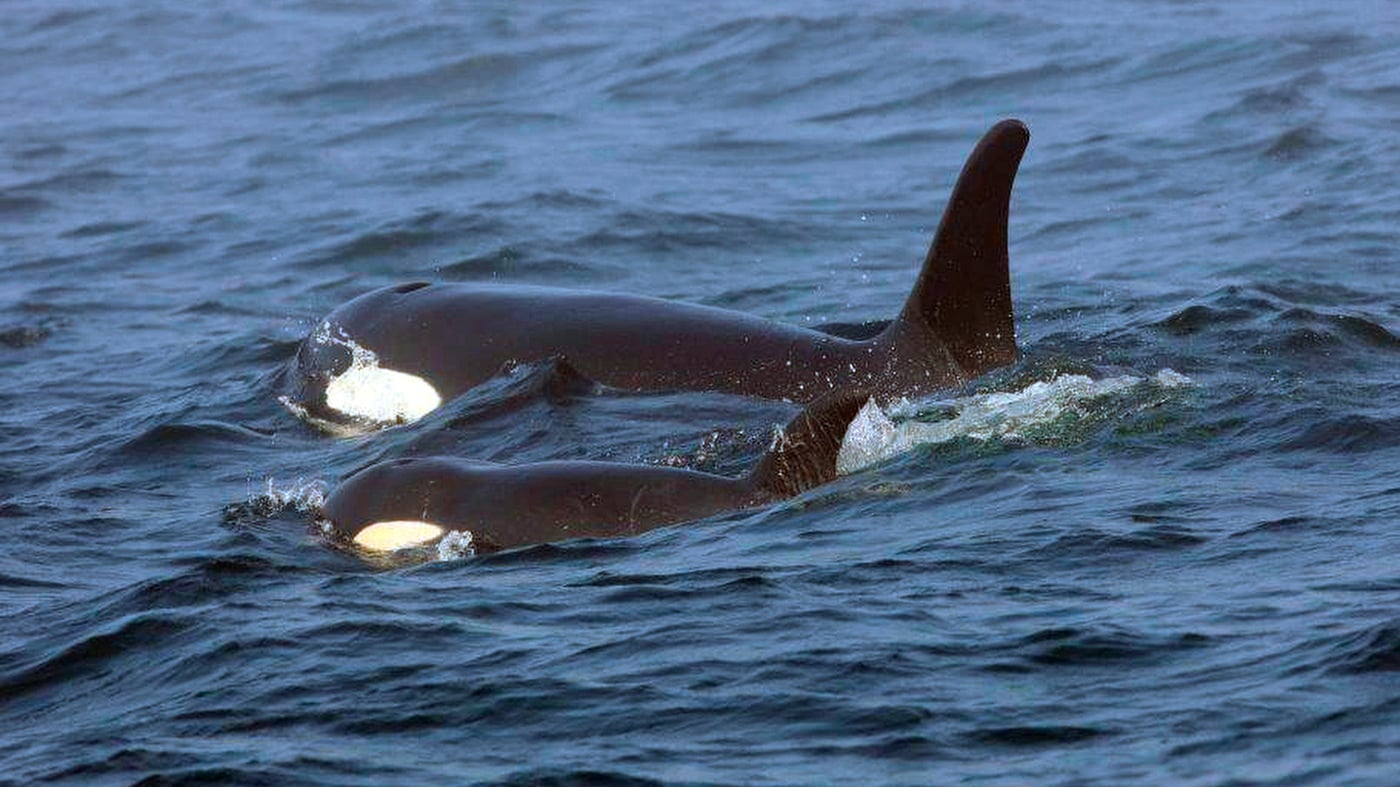
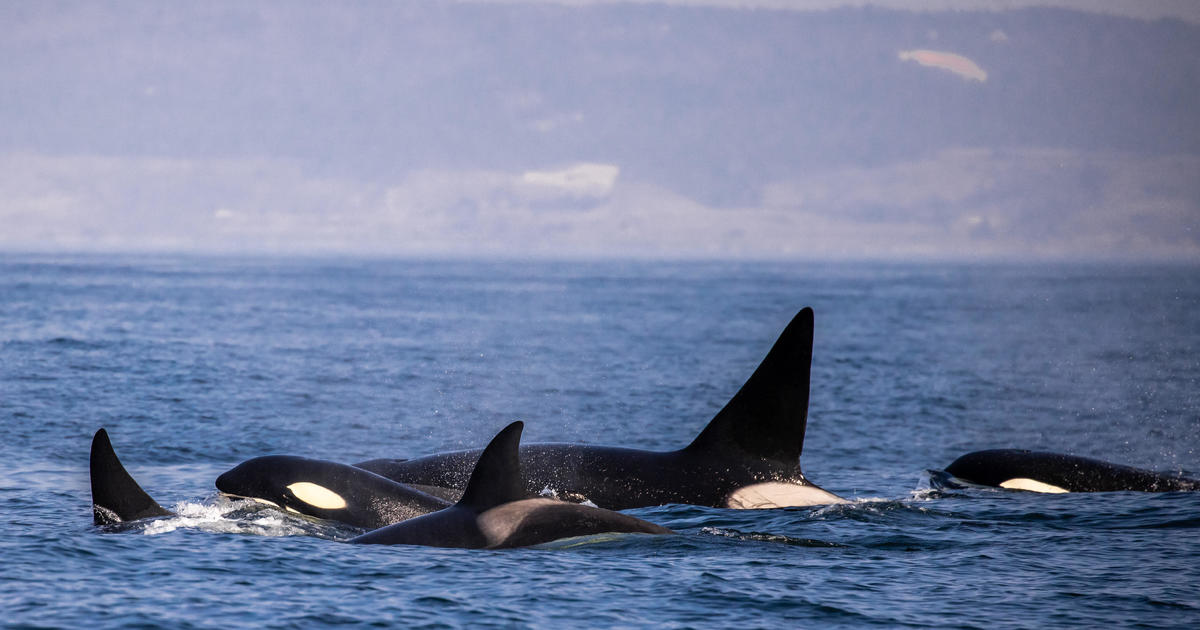
A pod of orcas in southwestern Europe has sunk a sailing boat, marking the fourth incident in two years where orcas are blamed for sinking ships in the region. The attack occurred off the coast of Morocco in the Strait of Gibraltar, with the yacht's rudder sustaining major damage from repeated hits by the orcas. No human injuries or deaths have been reported in these incidents, but the behavior of the orcas remains a mystery. Experts believe the orcas may be engaging in "play" or have negative experiences with boats, but emphasize that there is typically no threat to humans in boats from these marine predators.
A pod of orcas attacked and sank a yacht in the Strait of Gibraltar, causing major damage and leakage. The crew was rescued, but the vessel was lost. This incident is part of a series of recent "attacks" by orcas in the region, with about 500 encounters between orcas and boats reported since 2020. The cause of this behavior is still unclear, with theories ranging from playful behavior to frustration with sailboats without engines or possible revenge due to previous traumatic encounters with fishing boats. Researchers caution against projecting narratives onto these animals and emphasize the need for further evidence to understand their motivations.
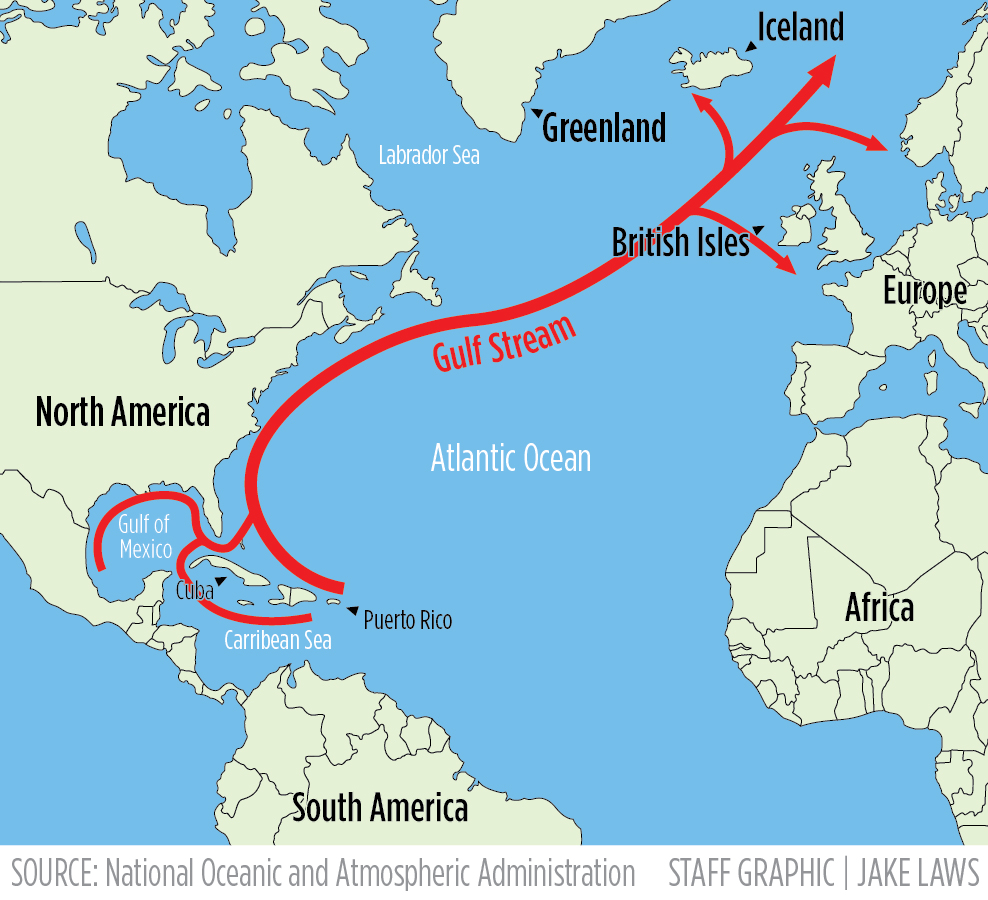
The Gulf Stream, a tropical ocean current, has warmed faster than the global oceans and moved closer to the U.S. eastern continental shelf over the past 20 years, increasing the risk of sudden impacts on coastal fisheries, according to a study by the Woods Hole Oceanographic Institution. Warm-water breakaways from the Gulf Stream can temporarily increase temperatures in the Gulf of Maine, affecting marine wildlife. The balance between the Labrador Current and the Gulf Stream is shifting, with the Gulf Stream becoming warmer and wider. The warming trend in the Gulf of Maine is four times faster than the global oceans, with significant consequences for the region's ecosystems and communities.
Two great white sharks, named Simon and Jekyll, have surprised researchers by traveling together for thousands of miles along the Atlantic coast. This discovery challenges the belief that great white sharks are solitary creatures. The nonprofit research organization OCEARCH, which tagged the sharks, is now analyzing blood samples to determine if the sharks are related. The development is considered potentially groundbreaking and sheds new light on the behavior of these apex predators.
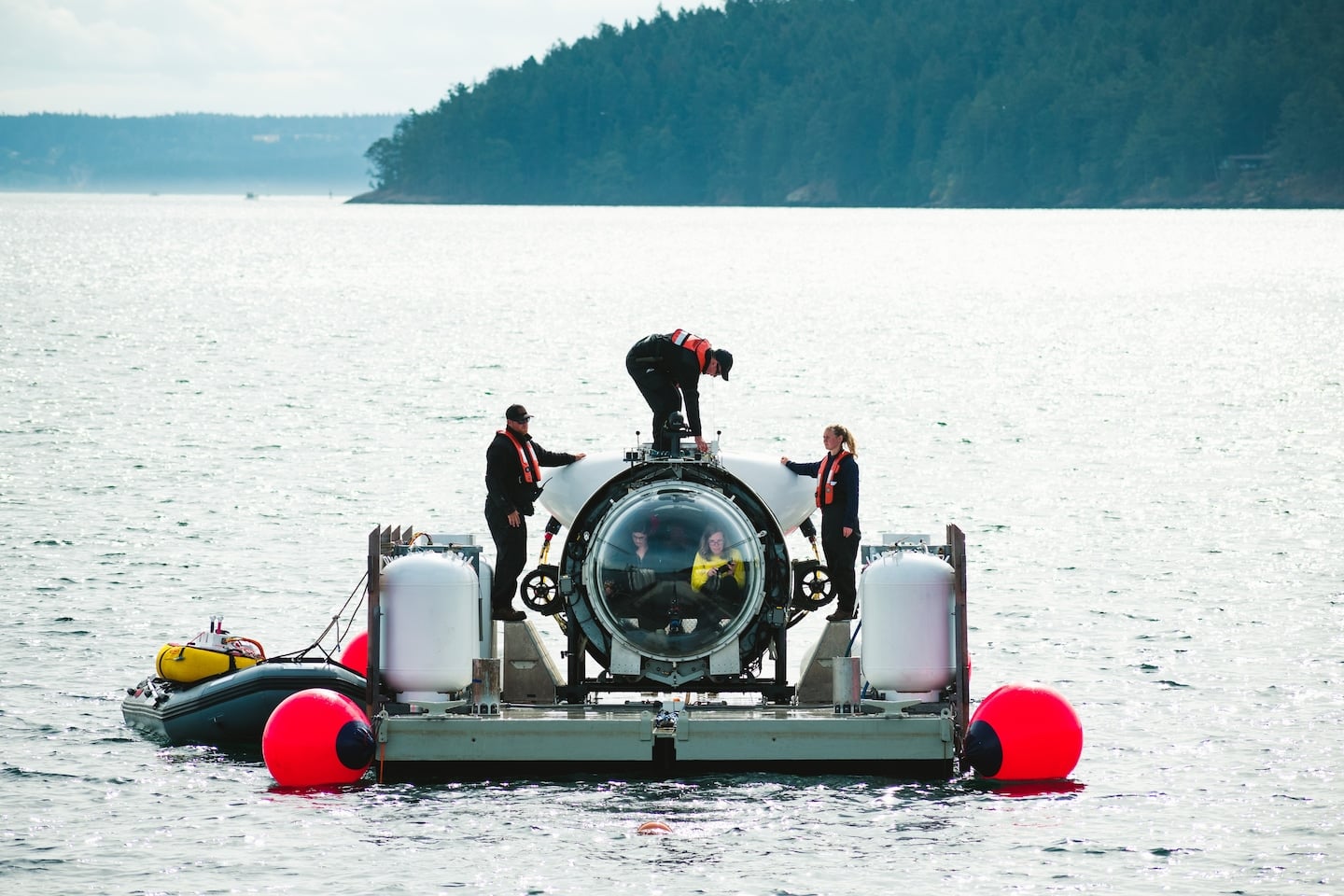
Before the tragic loss of OceanGate's submersible, Titan, the company's vessels were used for scientific expeditions and research projects in the Pacific Northwest. OceanGate partnered with SeaDoc Society in 2018 for three projects to study a local species of sea urchin and its kelp-filled ecosystem. The company's submersible, Cyclops 1, traveled to depths of around 290 meters for these projects. OceanGate also assisted in archaeological missions and created a 3D model of a sunken steamboat. The company's high-end tourism helped subsidize its deep-sea research, which wasn't financially sustainable on its own.
Boat captain Dan Kriz has experienced two ambushes by pods of orcas, with the second attack seeming more targeted. The orcas bit off both rudders and seemed to know exactly what to do to prevent the boat from traveling any farther. Kriz is one of several people to experience encounters with orcas off the coasts of Portugal and Spain in recent months. The reason why killer whales have been ramming into boats remains a mystery, but incidents have more than tripled in the past two years.
A 15-year-old girl, Maggie Drozdowski, was likely bitten by a small shark while surfing in Stone Harbor, New Jersey. She received six stitches in her foot and leg after the incident. Marine wildlife experts examined her injuries and confirmed that they appear consistent with a shark bite. With warming waters, more sharks have been found off the coast of New Jersey looking for food. Stone Harbor officials are urging people to be vigilant in the ocean but are not restricting any beach activity.
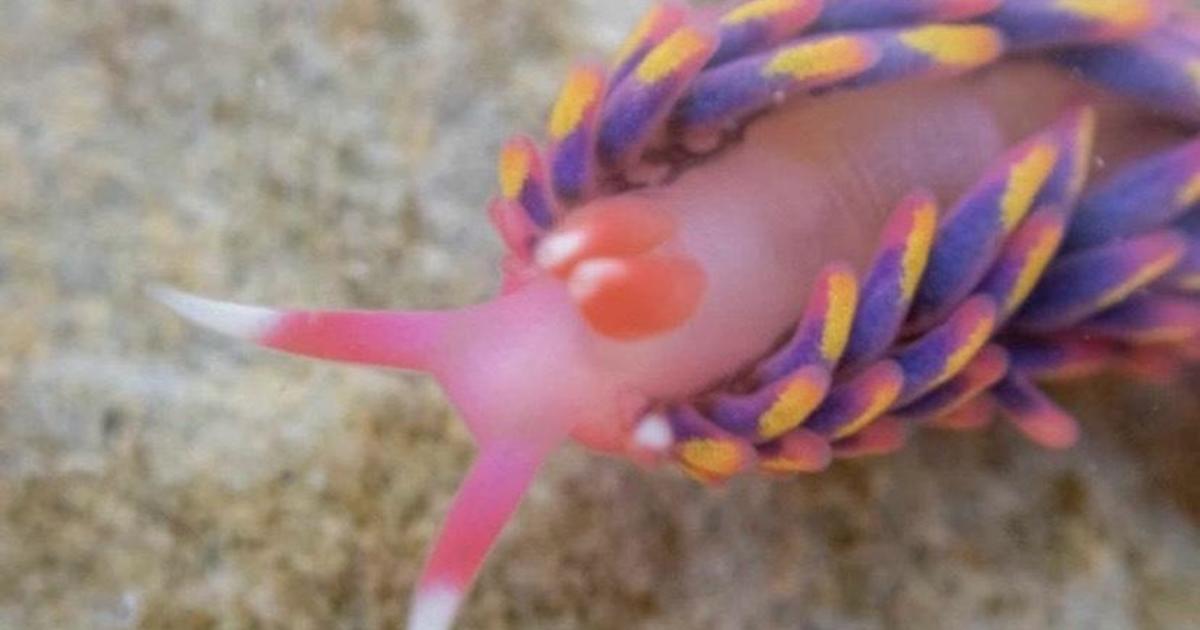
An "extremely rare" rainbow sea slug, typically found off the coasts of Spain, Portugal and France, was discovered in a rock pool in Falmouth, UK by Vicky Barlow, a member of The Rock Pool Project. The discovery is part of the "massive changes" sea life has experienced in the Southwest UK in recent years due to warming waters. Marine biologist Ben Holt expects more sightings of the rainbow sea slug, which thrives in warm water.
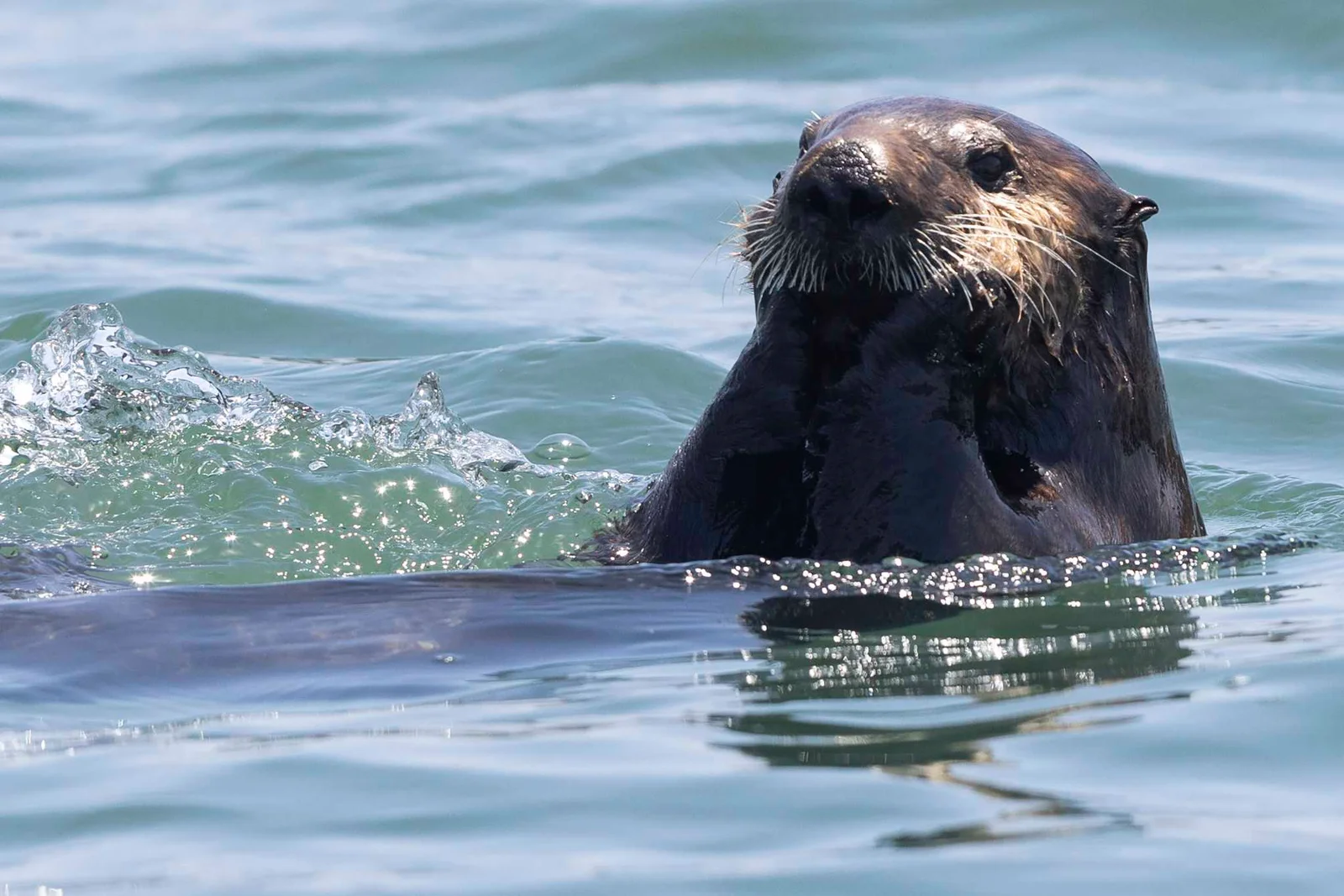
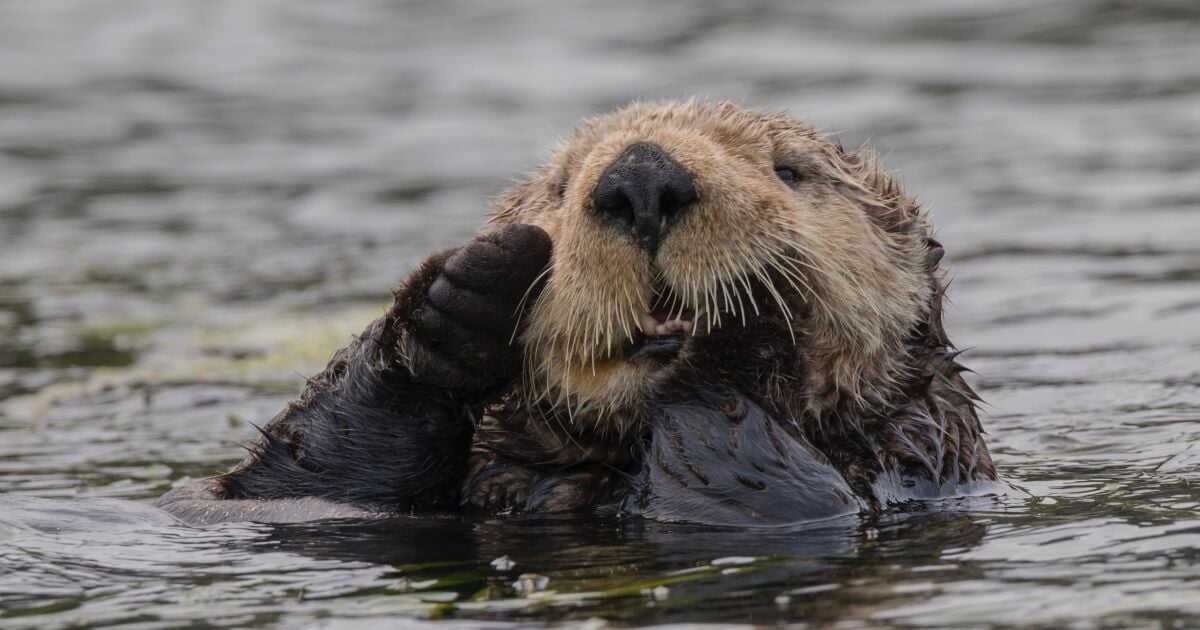
Four sea otters found dead along the California coast between 2020 and 2022 were killed by a toxic parasite called Coug, a strain of toxoplasmosis that has never been detected in an aquatic animal before. The parasite, carried by wild and domestic cats, can infect humans and other animals, making it a potential threat to marine wildlife and humans. Scientists warn that the discovery of the parasite in sea otters could be an indicator of a larger threat to other marine wildlife.
Four sea otters that washed ashore on the California coast died from an unusual parasite called Toxoplasma gondii, which could infect other marine wildlife and humans. The microscopic parasite could infect any warm-blooded animal or find its way into the food chain, including marine animals like mussels, clams, oysters, and crabs that are consumed raw or undercooked. The COUG genotype was present in all four otters, and the first otter washed ashore in San Simeon in San Luis Obispo County in February 2020. The type of inflammation of the fat associated with toxoplasmosis has been reported in Hawaiian monk seals.