Tag

Killer Whales

All articles tagged with #killer whales

science-and-technology1 year ago

"Rogue Killer Whales: Reshaping Marine Biology with Brutal Hunting Tactics"

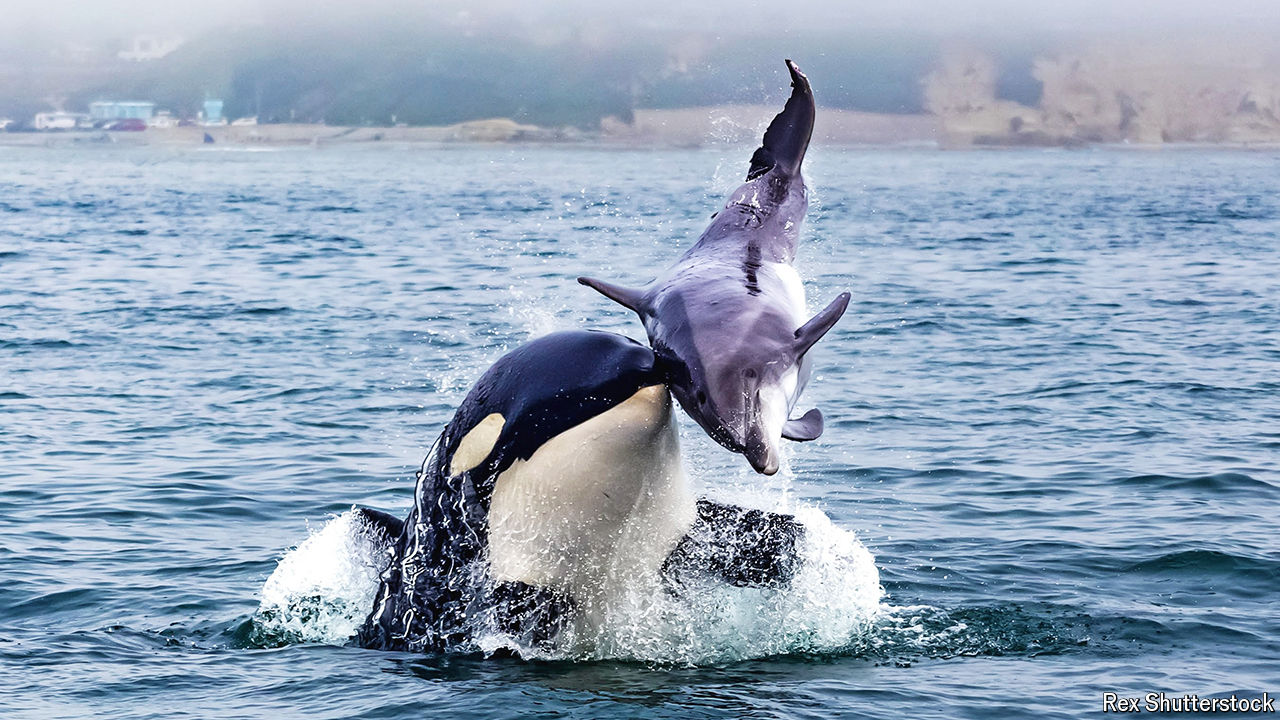
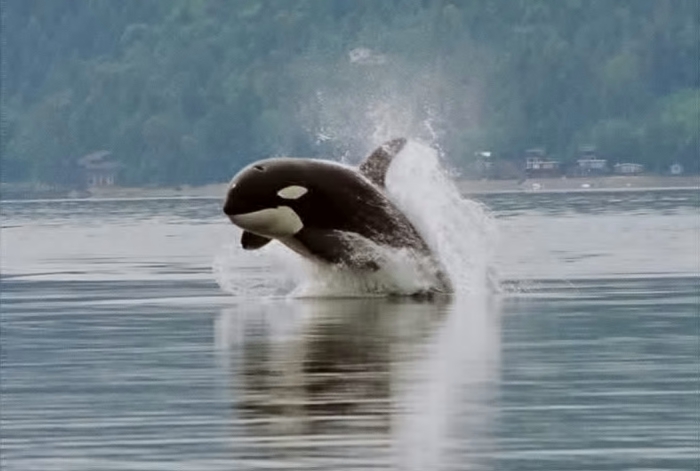
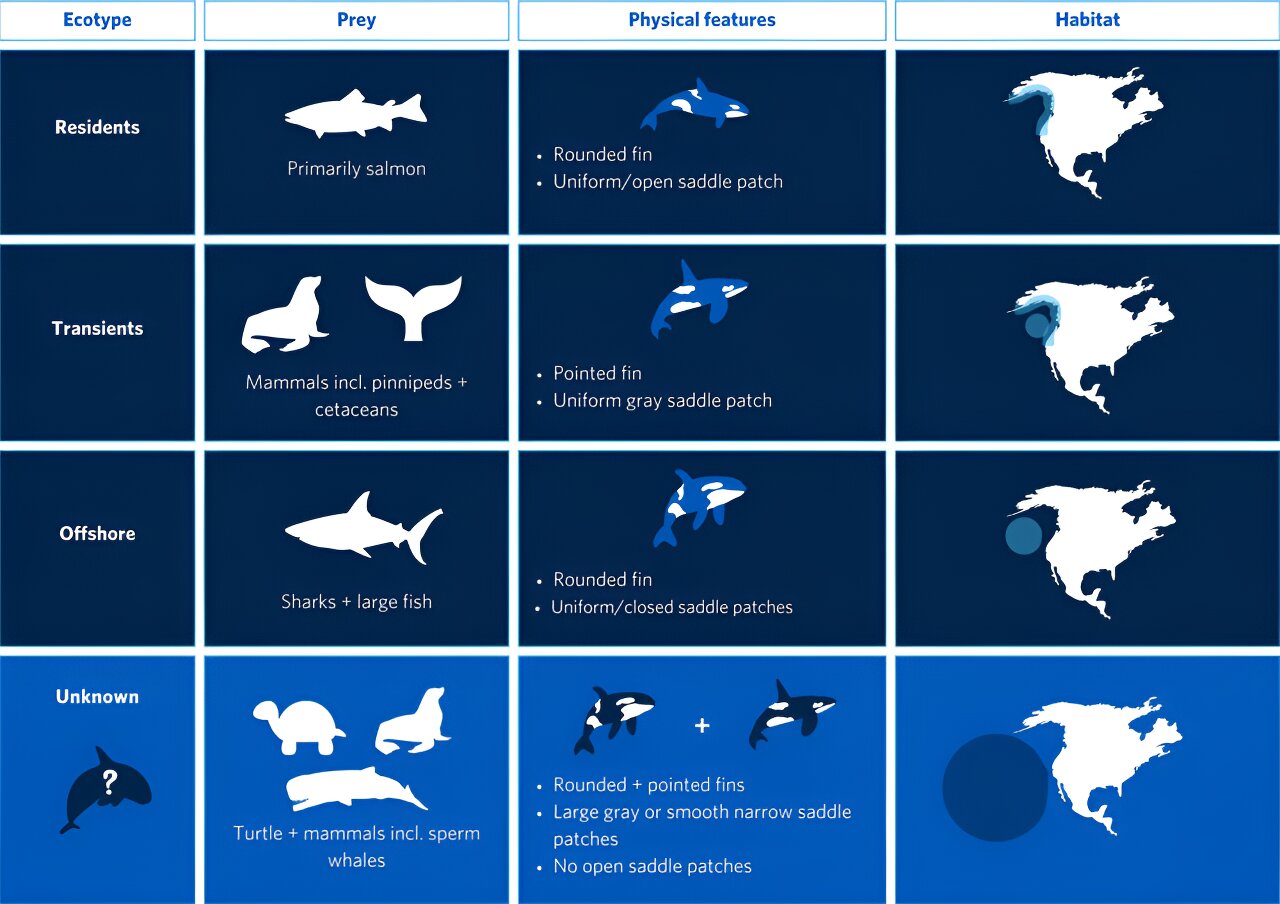
Killer whales in the Monterey Submarine Canyon off the coast of California deploy brutal, co-ordinated attacks when hunting, targeting mother and calf pairs of grey whales. Different killer-whale ecotypes have distinct hunting cultures and communicate using unique dialects. A study led by Josh McInnes revealed specialized hunting strategies of outer-coast transient killer whales, including repeated battering and drowning of grey whale calves. Additionally, a newly discovered population of killer whales was observed hunting large marine mammals in the north Pacific, showcasing impressive predatory force. Further genetic data collection is needed to fully describe these new ecotypes.

biology1 year ago

"Unraveling the Enigma of Shark-Bitten Orcas in Deep-Sea Canyons"

A new study suggests that a group of killer whales spotted off the coast of California and Oregon over two decades may represent a previously uncategorized population of orcas. These orcas exhibit unique behavior and ecology, including deep-sea habitat preferences and distinctive scarring from encounters with cookiecutter sharks. The study's findings shed light on the presence of a distinct oceanic population of killer whales and highlight the importance of further research and observation to understand their behavior and ecological significance.

marine-biology1 year ago

"Sperm Whales' Unconventional Defense: Using Giant Poop Bombs to Thwart Orca Attacks"

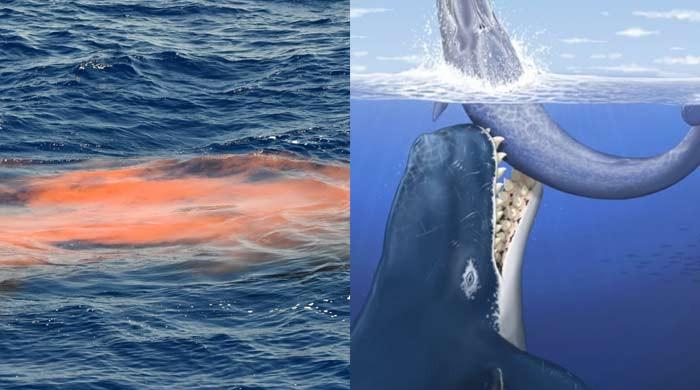
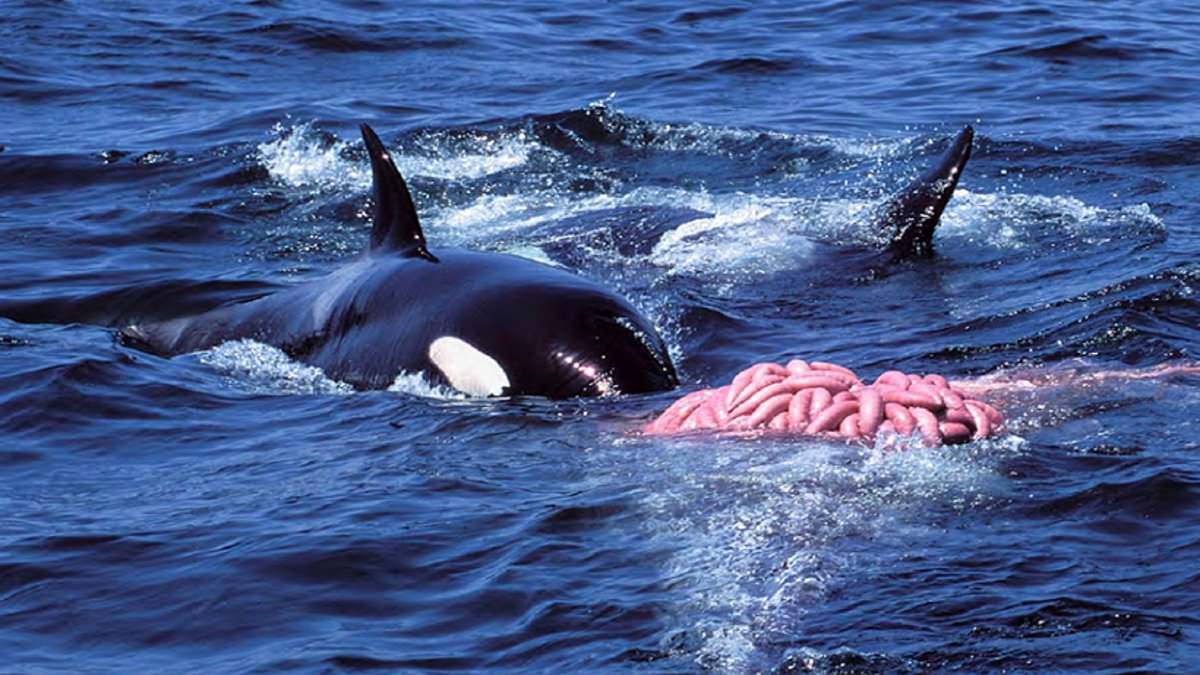
Sperm whales off the coast of Western Australia were observed using a unique defense mechanism against a group of killer whales by releasing a large cloud of reddish-colored poop, known as "defense defecation." This strategy helped the sperm whale pod escape a potentially fatal attack by at least 30 killer whales, as the cloud of diarrhea confused and deterred the attackers. Marine biologists witnessed this rarely seen behavior during a whale-watching excursion in the Bremer Canyon.

marine-biology1 year ago

"Orca Whales' Ingenious Ambush Tactics and Unusual Prey Choices Revealed"

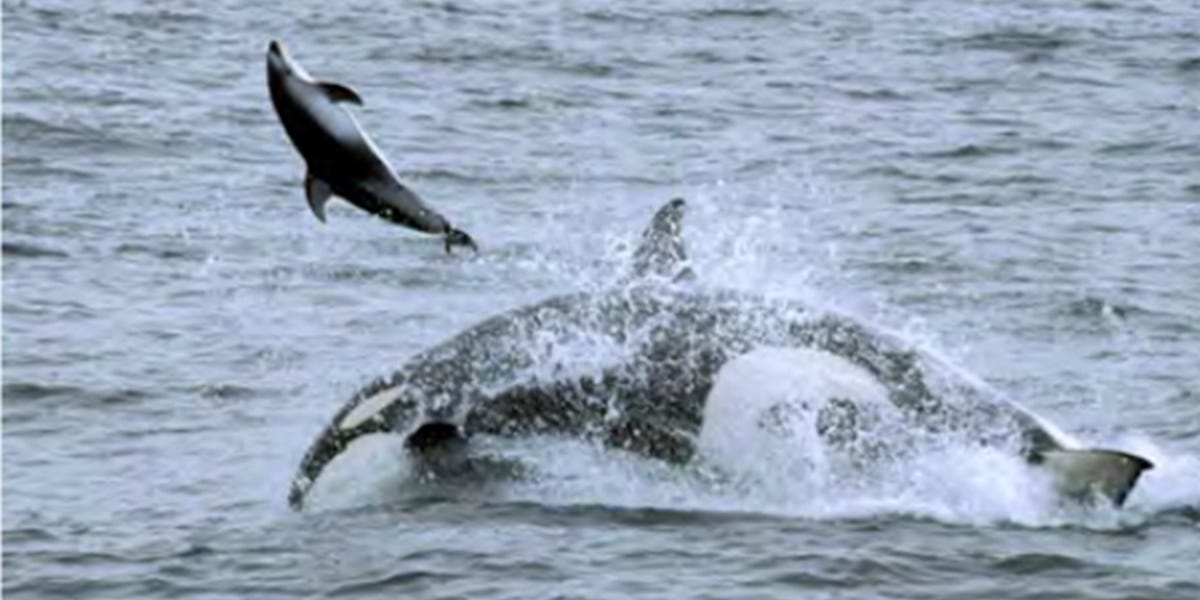
A new study reveals that a pod of 183 killer whales off the coast of California has been using a deep-sea canyon to trap and ambush their prey, including gray whale calves, elephant seals, minke whales, and dolphins. The orcas employ tactics such as tail slaps and body-blocking to separate and exhaust their prey before finishing them off and feeding on their carcasses. Understanding these behaviors is crucial for comprehending the impact of orcas on marine ecosystems and shaping conservation efforts to protect them from human threats.

marine-biology1 year ago

"Orcas' Savage Tactics: Thriving as Apex Predators in the Open Sea"

Scientists have discovered a potential new population of killer whales, dubbed the oceanics, that thrive in the open ocean and hunt large whales and other sizable prey. These orcas, distinct from known ecotypes, have been observed in the North Pacific, displaying unique physical characteristics and feeding behaviors. The study suggests that the oceanics may have formed as prey drew them farther from shore, and further research is needed to understand this mysterious population's genetic makeup and ecological impact.

science-and-nature1 year ago

"Study Reveals Californian Killer Whales' Specialized Hunting Tactics"

A study of killer whales in Monterey Bay has revealed their violent hunting techniques, including headbutting and tail slapping to stun prey. The whales predominantly hunt sea lions, grey whale calves, and elephant seals, using different tactics depending on the environment. The research provides insights into predator-prey interactions in the area's submarine canyon and deep-water environment, shedding light on the behavior of these apex predators. The study also highlights the distinct hunting behaviors of different killer whale groups, such as transients, residents, and offshores, and their adaptation to changing environmental conditions.

wildlife1 year ago

"Killer Whales Circle Blue Shark in Baffling Display off California Coast"

Naturalists captured a stunning video of a blue shark being threatened by a pod of five killer whales off the coast of California. This encounter comes amid reports of increasingly aggressive behavior by killer whales towards humans and other animals, including attacks on boats. Scientists have observed killer whales displaying new assertiveness, with some individuals even preying on and consuming great white sharks. However, experts believe that these behaviors should be seen as playful social behavior rather than revenge, as killer whales are intelligent, social animals living in what may be an under-stimulating environment for their mental capacity.

wildlife1 year ago

"Massive Ocean Predators Investigate Surprised Blue Shark Near California Coast"

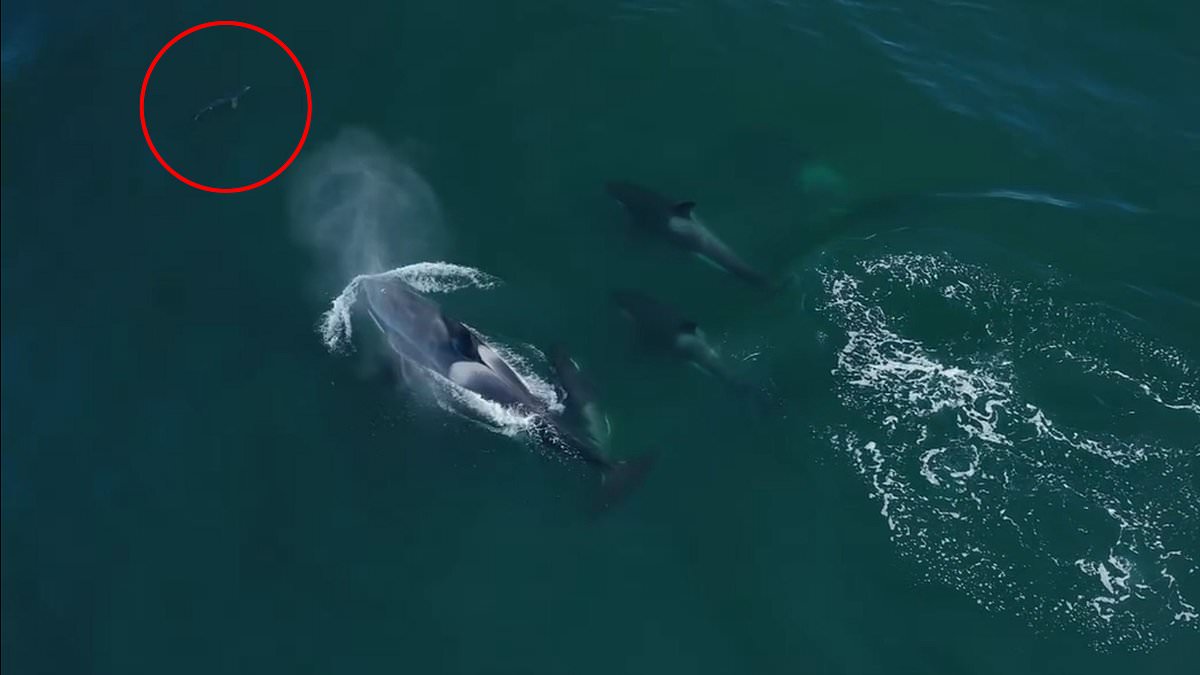
A video captured by Monterey Bay Whale Watch shows a blue shark being startled by a pod of killer whales in the Pacific Ocean near California. The orcas, known as Bigg’s killer whales, were merely curious and did not harm the shark. The encounter, which took place near Monterey, was described as a rare and lucky event by marine biologist Colleen Talty. Killer whales, the largest members of the dolphin family, are top predators that mainly feed on marine mammals and fish, while blue sharks primarily feed on fish, squid, and crustaceans.

marine-biology1 year ago

"Discovery of Mysterious Shark-Bitten Orcas Reveals New Killer Whale Population"

A newly identified population of 49 killer whales off America's west coast has puzzled marine biologists with their mix of physical characteristics and fearless behavior, including attacking sperm whales, a northern elephant seal, and a turtle, while also carrying marks of frequent duels with sharks. The population, observed since 1997, exhibits traits associated with different orca populations, leading researchers to hypothesize that they may represent a distinct oceanic subpopulation or an undescribed oceanic population feeding on marine mammals and sea turtles in the open ocean beyond the continental shelf break.

science-and-environment1 year ago

"Discovery of New Killer Whale Population in Northeastern Pacific"

Researchers have potentially identified a new population of 49 killer whales off the coasts of California and Oregon, exhibiting unique hunting behaviors and physical traits. The orcas, observed engaging in rare hunting tactics and bearing cookiecutter shark bite scars, may represent a distinct subpopulation or an entirely new oceanic population. This discovery underscores the rich biodiversity of the open ocean and emphasizes the need for continued exploration and conservation efforts to understand and protect marine ecosystems.

biology-and-ecology1 year ago

"Discovery of New Population of Shark-Hunting Orcas in Northeastern Pacific"

Researchers from the UBC Institute for the Oceans and Fisheries suggest that a group of 49 orcas observed hunting marine mammals in the open ocean off California and Oregon could represent a new population of killer whales. These orcas, distinguishable by cookie-cutter shark bite scars and physical differences from known ecotypes, have been encountered multiple times from 1997 to 2021. The researchers hope to gather more data, including acoustic and genetic information, to further investigate the unique characteristics of this potential new population.

marine-ecology1 year ago

"The Impact of Orcas Predating on Great White Sharks on the Fishing Industry"

A recent study detailed a rare event of a lone male killer whale, known as Starboard, attacking and eviscerating a juvenile white shark off the coast of South Africa. This behavior challenges the conventional cooperative hunting behaviors of killer whales in the region and raises concerns about the larger ecosystem implications of shark-hunting killer whales. The loss of white sharks in South Africa's waters due to orca predation could disrupt the fishing industry and impact tourism, as well as raise concerns about the coastal marine ecology balance.

environment1 year ago

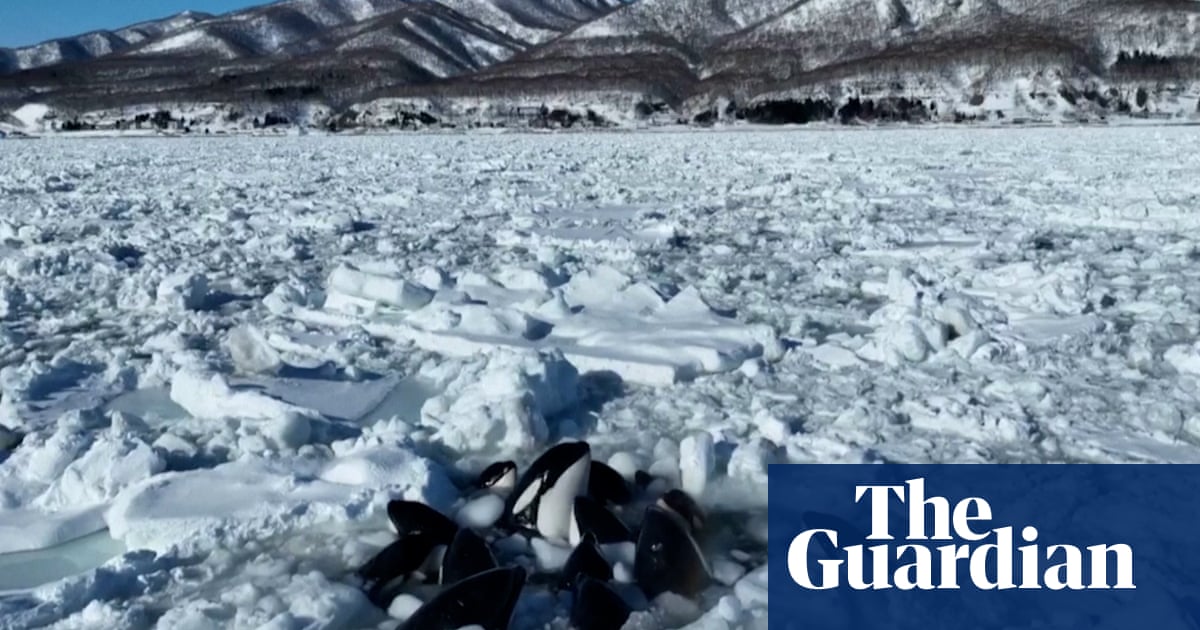
Trapped Killer Whales Escape Ice Off Japan's Hokkaido Coast

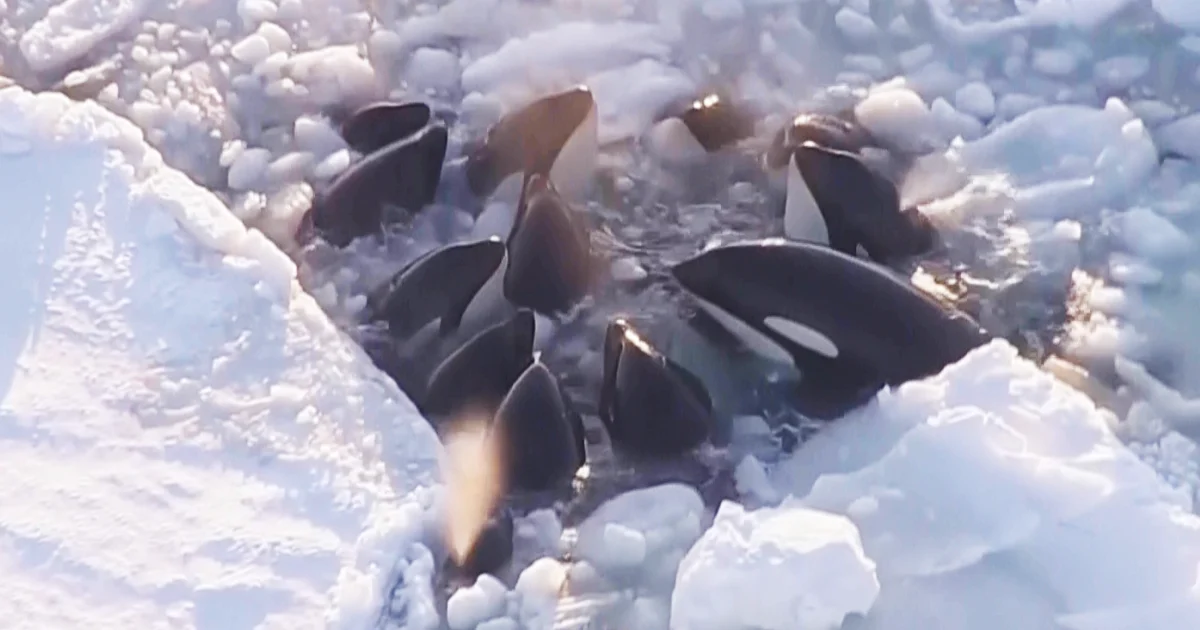
A pod of killer whales trapped in drift ice off the coast of Hokkaido, Japan, has apparently safely escaped, according to officials. After concerns were raised by environmental groups, town officials observed about a dozen orcas in a tiny gap surrounded by drift ice, but later saw that the pod had moved to the north and eventually disappeared. Footage of the trapped whales prompted pleas for the Japanese government to help, but officials stated that the orcas were not a designated endangered species and were monitoring the situation.

environment1 year ago

"Trapped Pod of Killer Whales in Japan Escapes Ice Safely"

A pod of killer whales trapped in drift ice off Japan's Hokkaido island has apparently safely escaped, as confirmed by officials after analyzing drone footage. Concerns were raised about the whales' conditions, prompting pleas for government assistance, but it is believed that the whales were able to free themselves as gaps in the ice grew. The incident occurred near a disputed island between Japan and Russia, adding a geopolitical dimension to the situation.