A 55-year-old woman swimming off Monterey Bay disappeared after witnesses reported a possible shark encounter, with a large splash and a shark breach observed. Despite searches by authorities, including the Coast Guard, her whereabouts remain unknown, and beach advisories are in effect.
A record-breaking 13.8-foot male great white shark named Contender, tagged and studied off the US East Coast, spent the summer near popular beaches, raising concerns about shark encounters despite advances in bite-resistant wetsuit materials.
Cases of the potentially deadly flesh-eating bacteria Vibrio vulnificus are above average along the Gulf Coast in 2025, likely due to warm water temperatures, with increased risks for those with wounds or consuming raw seafood. Health officials advise avoiding water with cuts and being cautious with seafood, especially oysters, to prevent infection.
Originally Published 5 months ago — by Rolling Stone
Malcolm-Jamal Warner drowned in Costa Rica due to high currents at Playa Grande, where no lifeguards were on duty as they were patrolling other beaches; the volunteer group responsible for safety expressed regret and highlighted the need for government support and better safety policies to prevent future incidents.
Sea lice, tiny parasitic creatures found in South Carolina's saltwater beaches, can cause itchy, stinging rashes when they come into contact with skin, especially during the summer months. To prevent irritation, swimmers should promptly rinse off and remove contaminated clothing, and treat symptoms with cold compresses, topical creams, or antihistamines. If severe reactions occur, medical attention is advised.
Dermatologists share their expert tips for protecting skin during a day at the beach, emphasizing thorough sunscreen application, wearing UPF clothing and hats, seeking shade, timing outdoor activities to avoid peak UV hours, and reapplying sunscreen every two hours to prevent skin damage and aging.
A rising threat along U.S. beaches, Vibrio vulnificus is a flesh-eating bacteria that can cause severe infections and amputations, especially in warm waters, with cases increasing due to climate change and rising ocean temperatures. Victims often suffer rapid tissue destruction, and the CDC reports rising infection trends, emphasizing the need for caution among beachgoers and seafood consumers.
A woman walking on Popham Beach in Maine experienced quicksand, sinking to her hips before her husband pulled her out. Quicksand, or supersaturated sand, can occur outside of Hollywood settings, and climate change has contributed to its presence at the beach. The incident highlights the need for public awareness and safety measures.
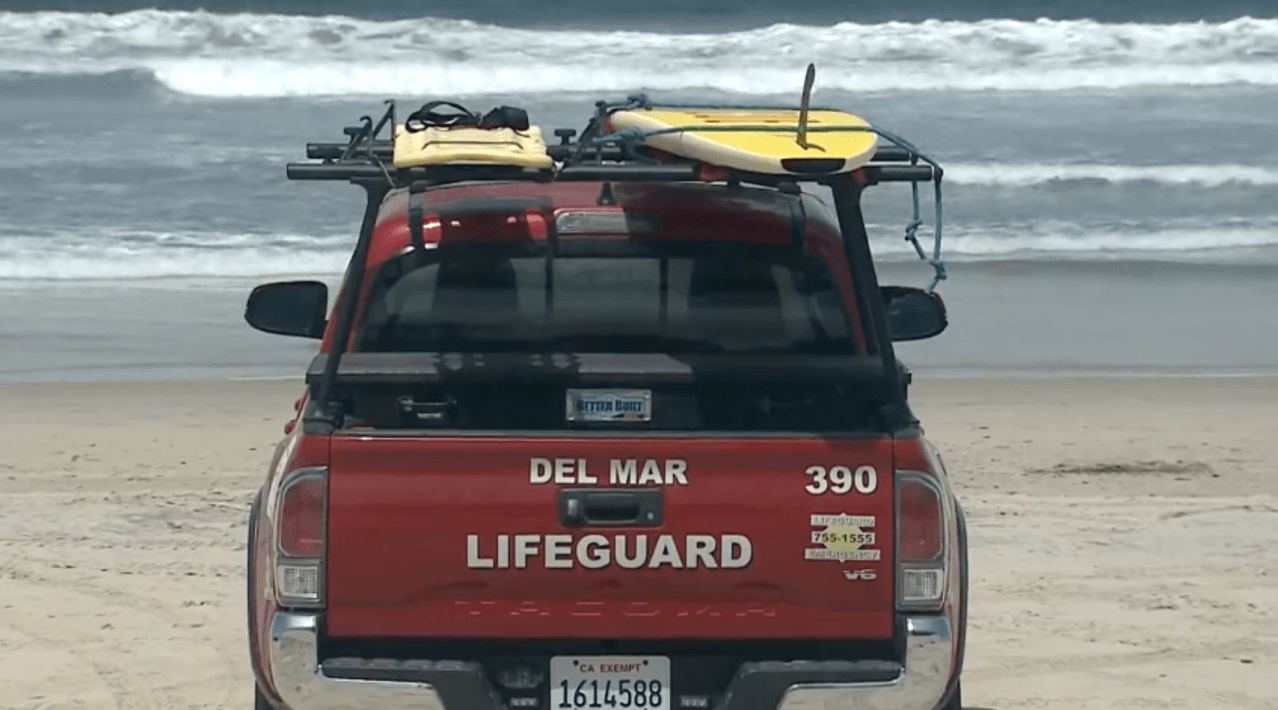
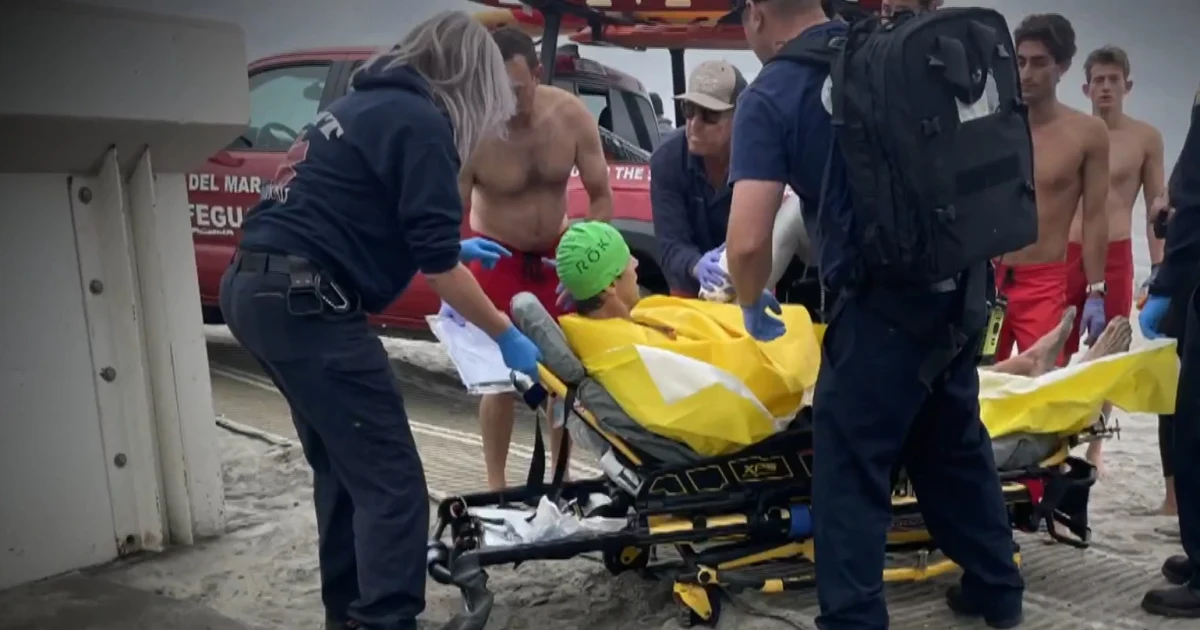
Three swimmers rescued a 46-year-old man named Caleb who was attacked by a shark at Del Mar's 17th Street Beach in Southern California. Caleb sustained serious but non-life-threatening injuries and is recovering in the hospital. The rescuers described the terrifying ordeal and their quick actions to save him. Experts are investigating the type of shark involved in the attack, which has led to beach closures. Shark attacks in the area are rare, and the incident may have been due to the shark mistaking the swimmer for prey in murky waters.
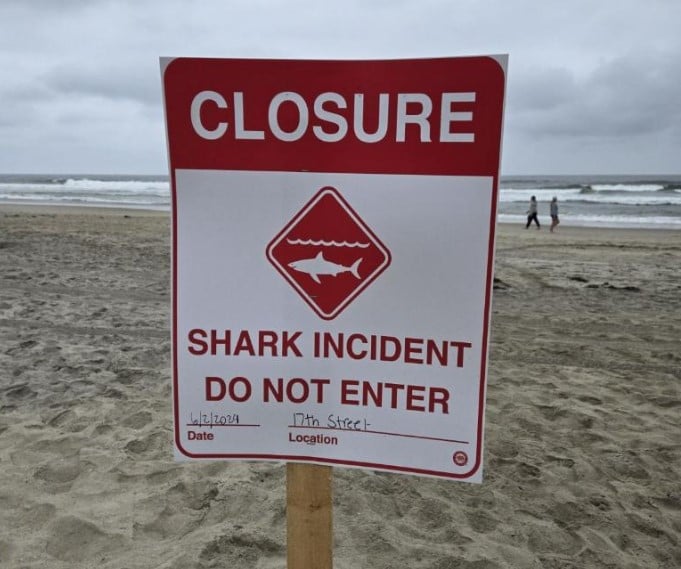
A shark attack near the 17th Street lifeguard tower in Del Mar, California, left a swimmer hospitalized, prompting an investigation to identify the shark species involved. The victim was rescued by fellow swimmers and is currently recovering. The Shark Lab at California State University, Long Beach, is analyzing DNA samples to determine the type of shark. Despite the incident, experts emphasize that such attacks are rare and that sharks and humans are learning to coexist. The beach is expected to reopen if no further shark sightings occur.
Two men heroically rescued a 46-year-old swimmer named Caleb from a shark attack near Del Mar, San Diego. Despite the terrifying situation, they managed to pull him to safety with the help of a surfer and an off-duty ER doctor. Caleb was taken to the hospital with non-life-threatening injuries, and a water closure is in effect until Tuesday morning.
A 46-year-old man survived a shark attack at a California beach by punching the shark in the nose before being rescued by fellow swimmers. He sustained serious but non-life-threatening injuries and was taken to Scripps Memorial Hospital. The beach was closed following the incident, and experts advise swimmers to stay in groups and avoid certain risky areas to reduce the chance of shark attacks.
A 46-year-old man was bitten by a shark off the coast of Del Mar, California, while swimming with a group. He sustained non-life-threatening injuries and was taken to the hospital. Lifeguards have closed the beaches for swimming and surfing in the area until June 4 as a precaution.
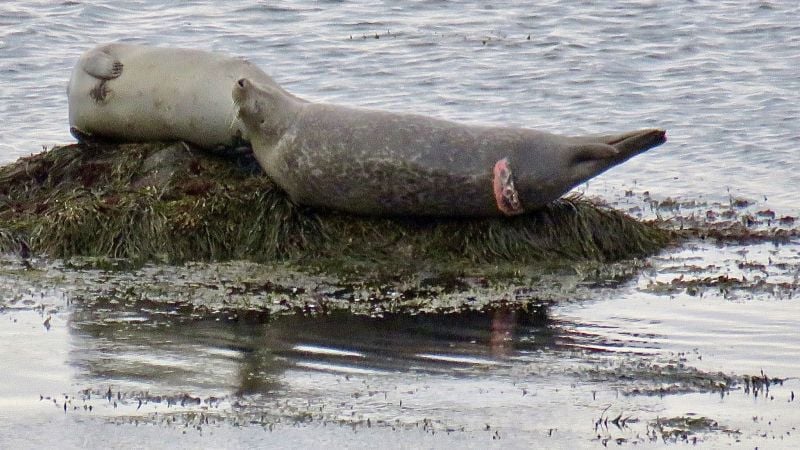
The New England Aquarium has warned beachgoers to be cautious of white sharks in Massachusetts waters as Memorial Day weekend approaches. Recent sightings and shark-bitten marine mammals indicate increased shark activity, which is typical for this time of year. The public is advised to follow shark safety guidelines and report sightings through the Sharktivity app.
As beach weather arrives in New England, scientists urge beachgoers to report white shark sightings and follow shark safety guidelines, especially with Memorial Day weekend approaching. Increased shark activity has been noted, including a recent shark bite on a minke whale. Efforts to track white sharks, including deploying camera tags, are ongoing to better understand their population.