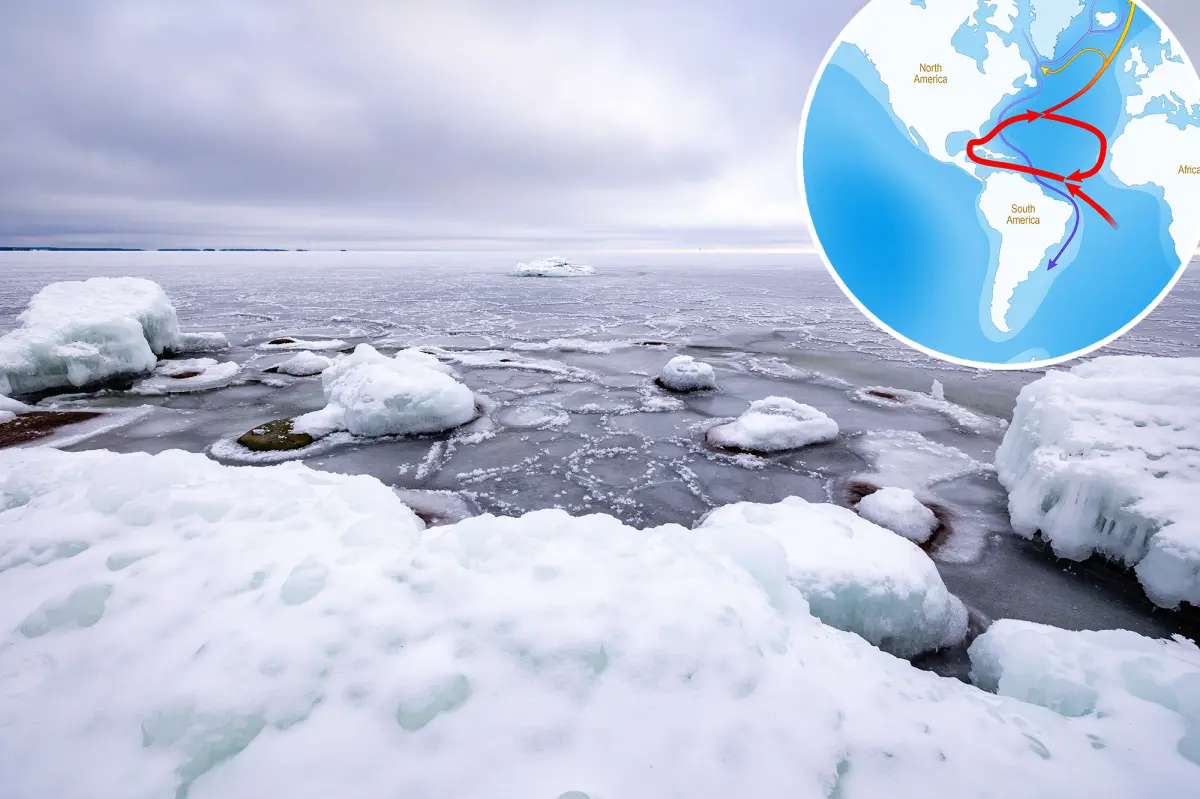
Scientists warn that climate change could cause the collapse of the Atlantic Meridional Overturning Circulation (AMOC), including the Gulf Stream, within decades, potentially triggering a new ice age and significant sea level rise, with Iceland declaring it a national security threat.
Scientists warn that the Atlantic Meridional Overturning Circulation (AMOC), including the Gulf Stream, could collapse after 2100 under high-emission scenarios, leading to extreme European winters, dry summers, and global weather disruptions, with the risk increasing if greenhouse gas emissions are not reduced.
The EU climate chief warns that the Gulf Stream could collapse within our lifetime, posing severe risks to global climate stability, as Europe faces increasing wildfires and environmental challenges.
A study using Bermuda stalagmites reveals that the Gulf Stream has shifted northward since 1449, indicating a long-term weakening of the Atlantic Meridional Overturning Circulation (AMOC), which could lead to significant global climate disruptions if it continues to weaken due to rising global temperatures.
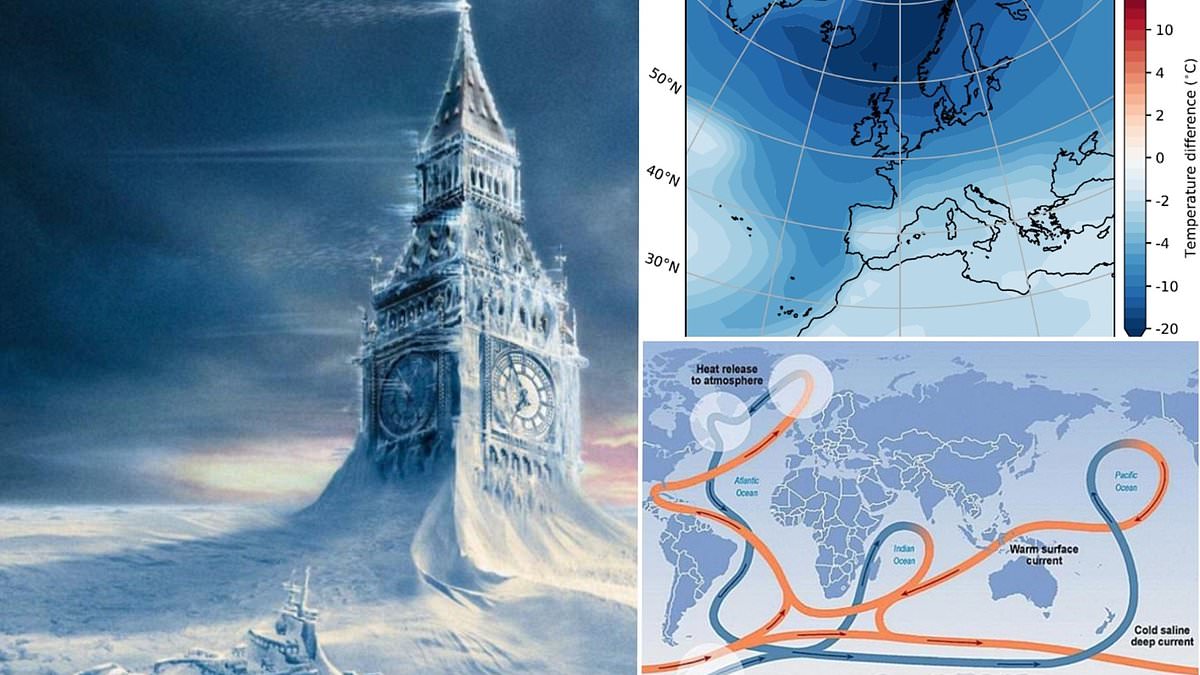
A new study from University College London suggests that climate change could weaken the Gulf Stream, potentially causing temperatures in Europe to drop by up to 15°C (27°F). While this worst-case scenario is not imminent, it highlights the sensitivity of ocean currents to global warming and their crucial role in regulating climate.
A new study using the latest climate models suggests that if melting glaciers shut down the Atlantic Ocean's circulation, extreme climate changes could occur within decades. The study indicates that the circulation could fully shut down within a century of hitting the tipping point, leading to a significant drop in average temperatures in North America, parts of Asia, and Europe. The shutdown would result in dangerous cold in the North, with regions influenced by the Gulf Stream experiencing substantial temperature drops. The study also identifies a physics-based early warning signal for when the Atlantic Ocean circulation is nearing its tipping point, with potential severe impacts on society and ecosystems.
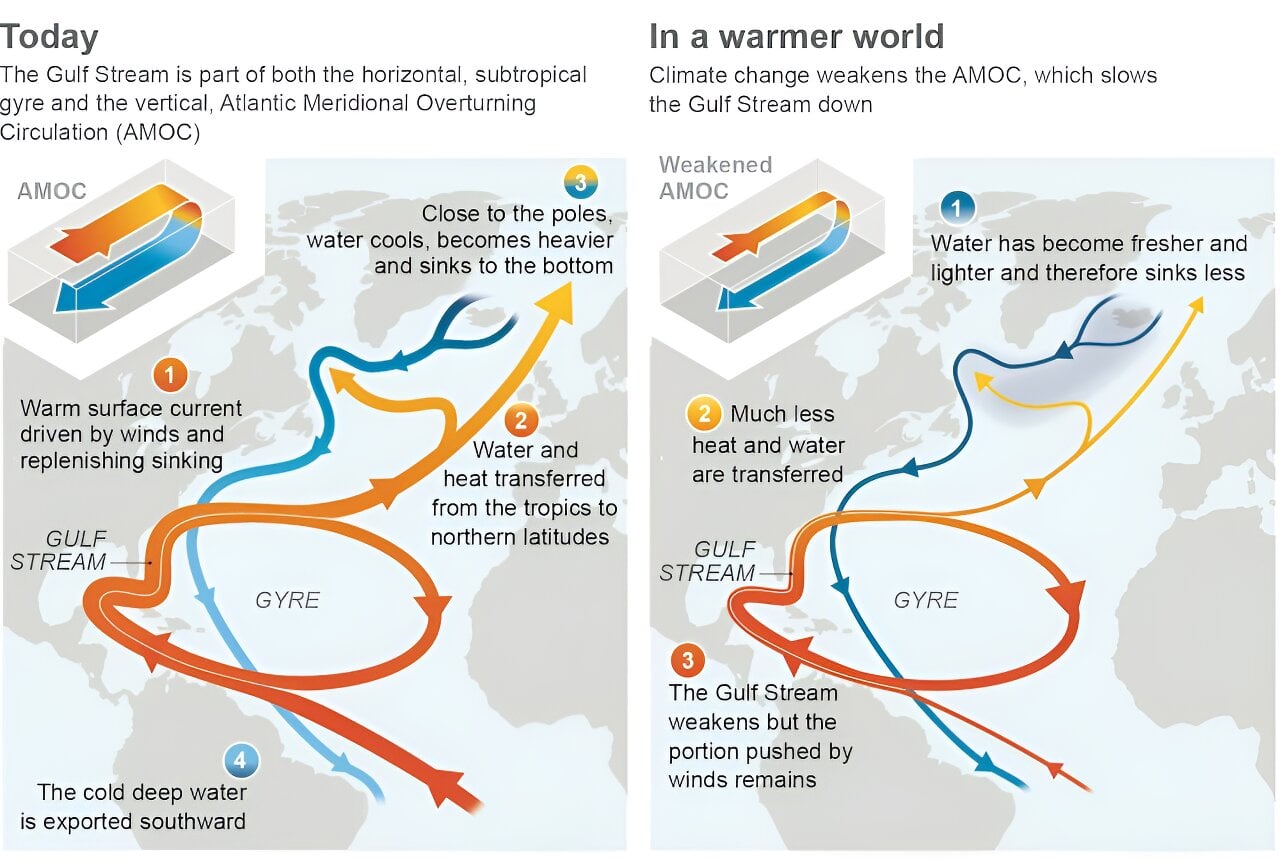
The Atlantic Ocean's circulation, crucial for carrying heat from the tropics to the northern latitudes, has observably slowed over the past two decades, possibly to its weakest state in almost a millennium. Studies suggest that the circulation has reached a dangerous tipping point in the past and could hit that point again as the planet warms and glaciers and ice sheets melt. Fresh water from melting glaciers and the Greenland ice sheet can dilute the saltiness of the water, preventing it from sinking and weakening the ocean conveyor belt, potentially leading to an abrupt shutdown of the circulation within a century. This could result in average temperature drops in North America, parts of Asia and Europe, and severe and cascading consequences around the world.
Scientists warn that the Gulf Stream, a crucial system of ocean currents that brings warmth to the northern hemisphere, could collapse as early as 2025 due to melting glaciers, leading to severe and cascading consequences worldwide. The collapse of the Atlantic Meridional Overturning Circulation (AMOC) could cause a temperature decrease of more than 5.4°F (3°C) per decade in parts of Europe, triggering abrupt climate shifts, plunging northwestern European temperatures, and disrupting global weather patterns. The collapse would extend Arctic ice further south, increase drought in the Sahel in Africa, and greatly affect food production in the UK.
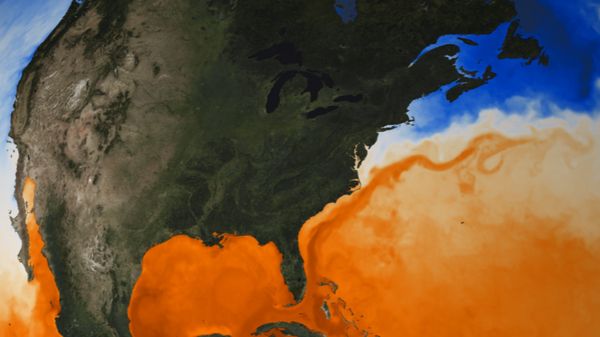
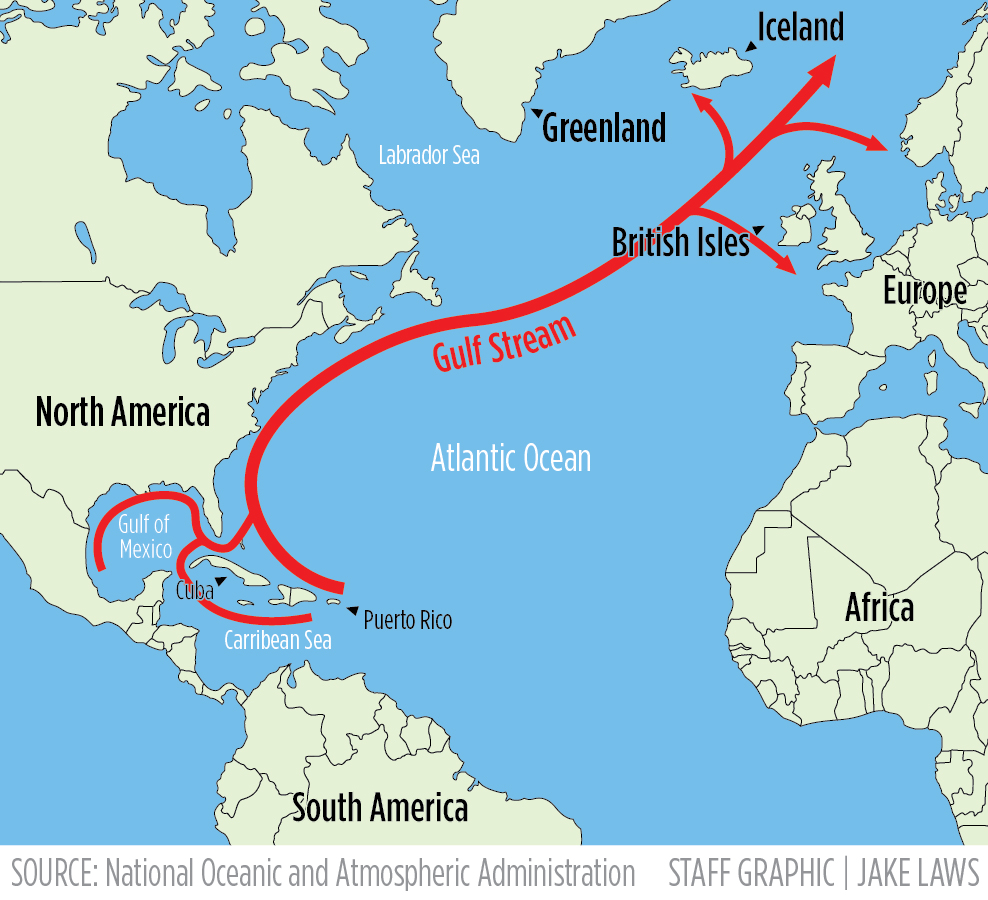
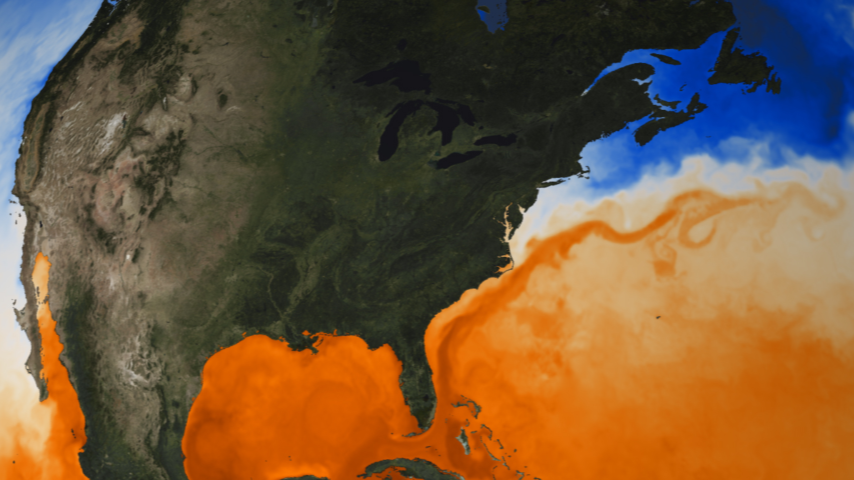
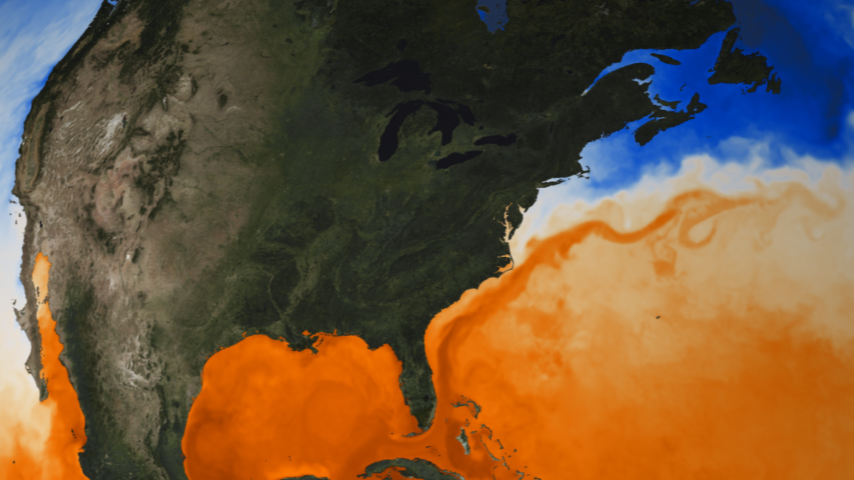
The Atlantic meridional overturning current (AMOC), also known as the Gulf Stream, is a crucial ocean current that transports heat from the Equator north along the East Coast of America and then down the west coast of Europe. Recent research suggests that the AMOC is slowing and could potentially stop flowing in the next few decades, leading to dramatic climate changes such as cooling in Europe, rising sea levels along North America's east coast, and erratic temperature fluctuations worldwide. The potential collapse of the AMOC is attributed to global warming and the increase in meltwater from the Greenland and Arctic ice sheets. This highlights the urgent need to address climate change and reduce reliance on fossil fuels to mitigate the potential catastrophic consequences.
A new study using the latest climate models suggests that the Atlantic Ocean's circulation is headed for a tipping point due to melting glaciers and ice sheets, which could lead to extreme climate changes within decades. If the circulation shuts down, average temperatures would drop by several degrees in North America, parts of Asia and Europe, with severe and cascading consequences around the world. The study also identified a physics-based early warning signal for when the tipping point is nearing, and the impacts of such a collapse would be significant, affecting temperature, sea level, and precipitation patterns.
A new study confirms that the Gulf Stream, a crucial ocean current that transports heat and regulates sea levels, is weakening. Over the past four decades, the flow of warm water through the Florida Straits has slowed by 4%, with potential grave implications for global climate. The Gulf Stream is part of the thermohaline circulation, a global conveyor belt of ocean currents that helps control sea levels and hurricane activity. As Earth's climate warms, the influx of cold, fresh water from melting ice sheets could further disrupt the Gulf Stream. Scientists will need to differentiate between natural variability and the impact of global heating to definitively prove climate change's role in the weakening of the current.
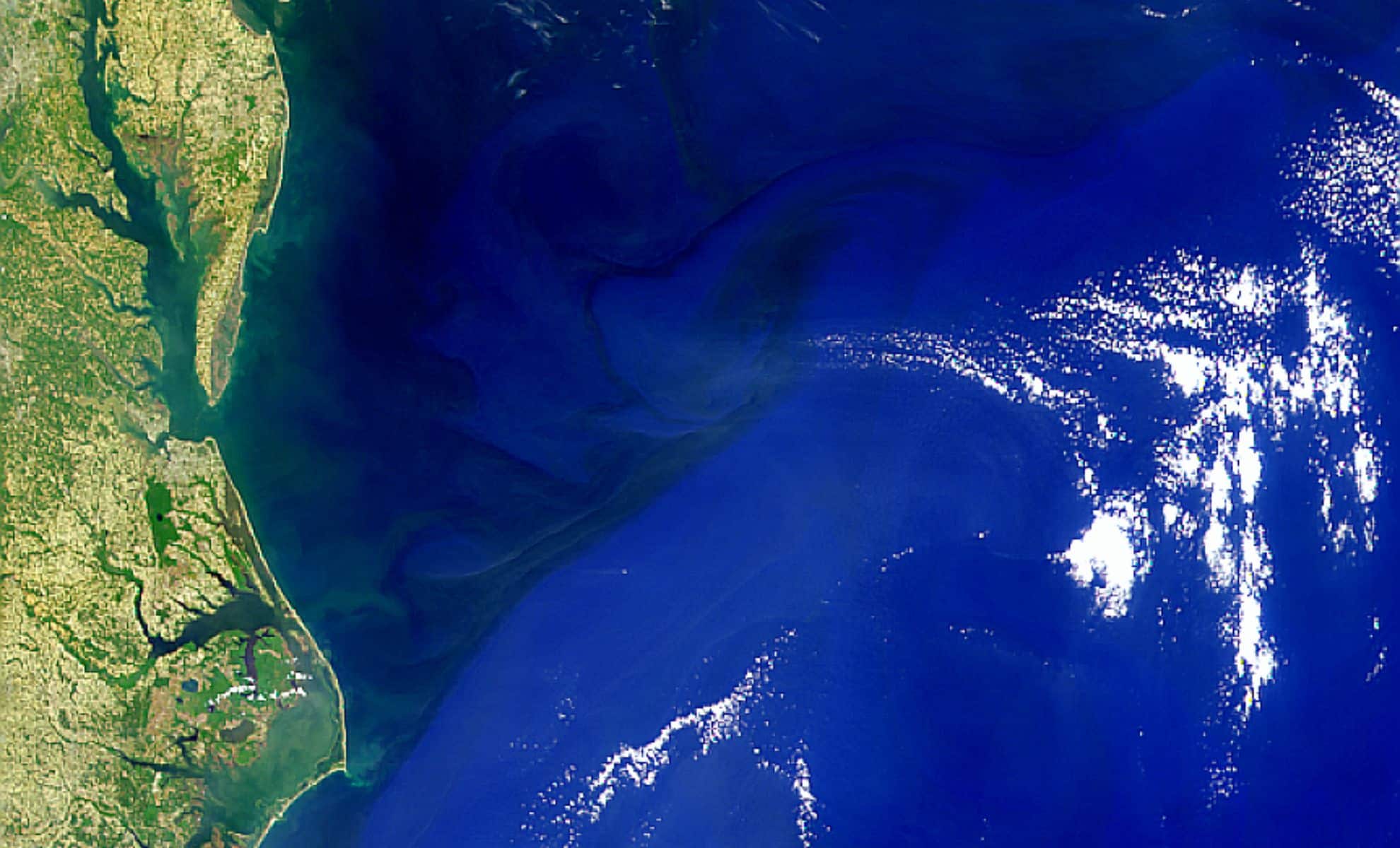
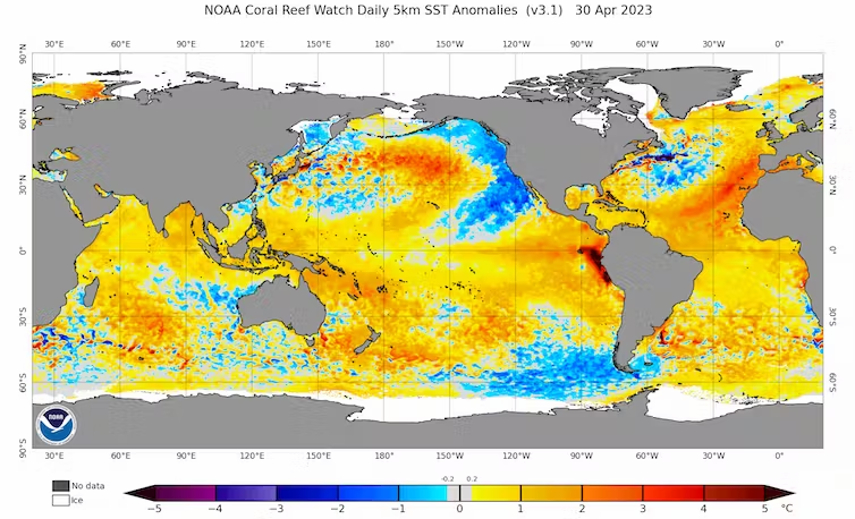
The Gulf Stream, a tropical ocean current, has warmed faster than the global oceans and moved closer to the U.S. eastern continental shelf over the past 20 years, increasing the risk of sudden impacts on coastal fisheries, according to a study by the Woods Hole Oceanographic Institution. Warm-water breakaways from the Gulf Stream can temporarily increase temperatures in the Gulf of Maine, affecting marine wildlife. The balance between the Labrador Current and the Gulf Stream is shifting, with the Gulf Stream becoming warmer and wider. The warming trend in the Gulf of Maine is four times faster than the global oceans, with significant consequences for the region's ecosystems and communities.
A new study confirms that the Gulf Stream, a crucial ocean current that transports heat from Florida to Europe, is weakening. Over the past four decades, the flow of warm water through the Florida Straits has slowed by 4%, with significant implications for global climate. The Gulf Stream is part of the thermohaline circulation, a global conveyor belt of ocean currents that regulates sea levels and helps control hurricane activity. The slowing of the Gulf Stream could disrupt temperate conditions and lead to rising sea levels along the U.S. East Coast. Scientists are concerned that this slowdown may be just the beginning, and further research is needed to understand the impact of climate change on ocean currents.
A new study confirms that the Gulf Stream, a crucial ocean current responsible for maintaining temperate conditions and regulating sea levels, is almost certainly weakening. Over the past four decades, the flow of warm water through the Florida Straits has slowed by 4%, with potential grave implications for the world's climate. The Gulf Stream is a small component of the thermohaline circulation, a global conveyor belt of ocean currents that moves oxygen, nutrients, carbon, and heat around the planet. As Earth's climate warms, the influx of cold, fresh water from melting ice sheets could cause the Gulf Stream to slow or even collapse. Scientists analyzed data spanning 40 years to find definitive evidence of the stream's slowdown, with a 4% shift observed. However, further research is needed to distinguish between natural variability and the impact of global heating on ocean flows.