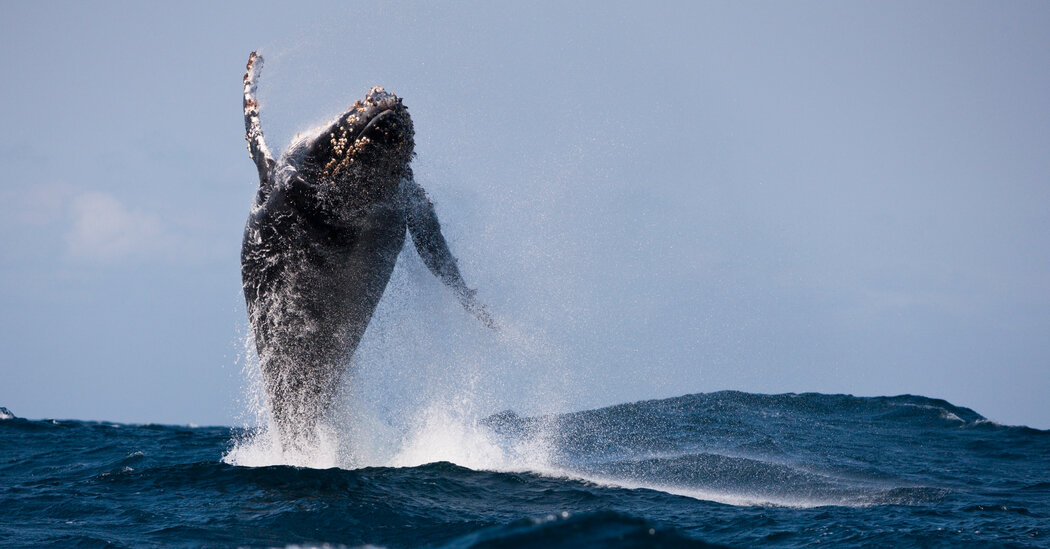
Humpback Whale Shatters Migration Record with Epic Ocean Journey
A humpback whale has set a new record for the longest distance traveled by a mammal, highlighting the remarkable migratory capabilities of these marine creatures.

All articles tagged with #humpback whale
A humpback whale has set a new record for the longest distance traveled by a mammal, highlighting the remarkable migratory capabilities of these marine creatures.
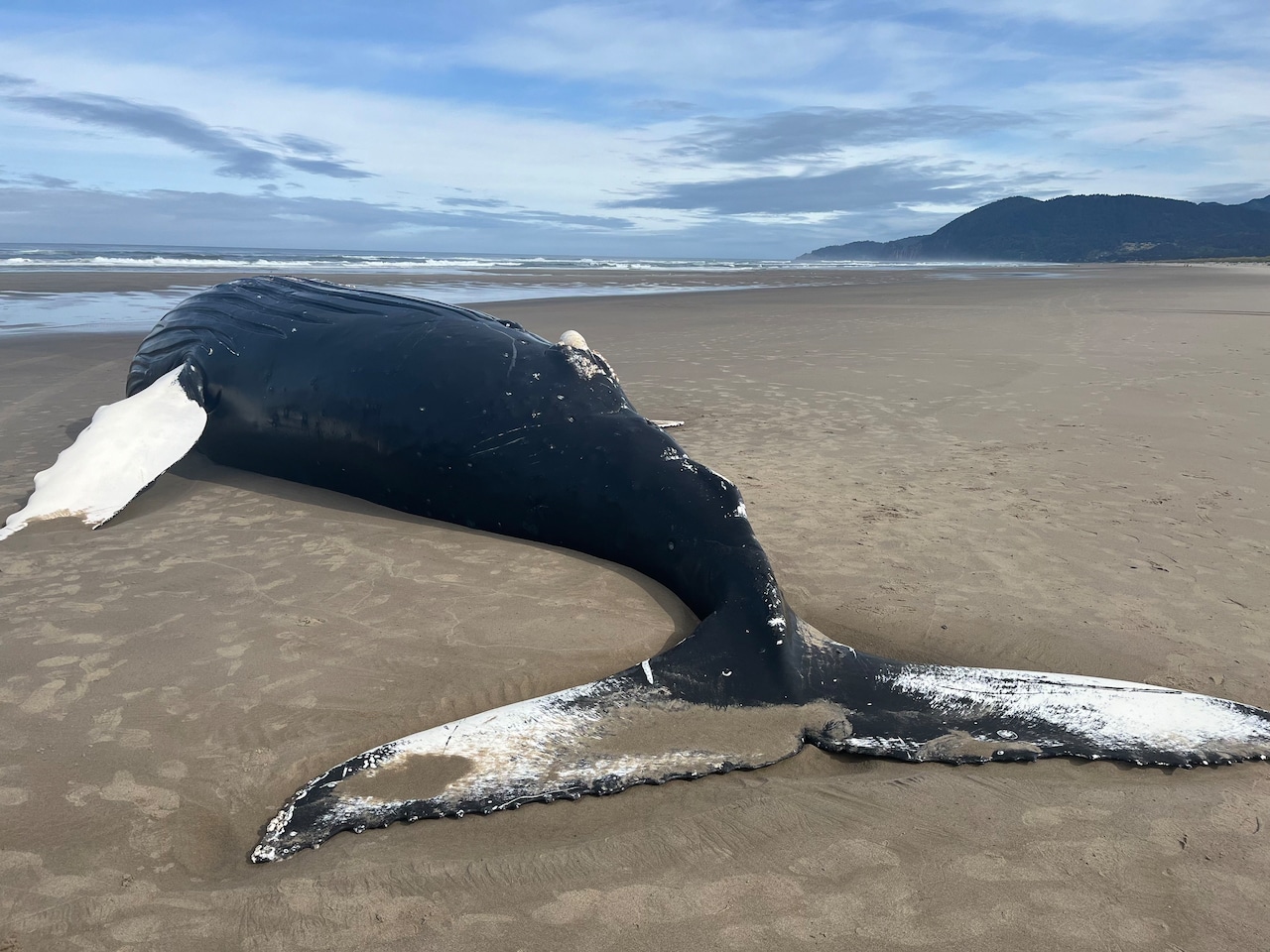
Officials are urging the public to avoid Nehalem Bay State Park after a dead humpback whale washed ashore, as they investigate the cause of death and its potential connection to a mysterious tar-like substance found on Oregon beaches. The area is also a protected habitat for endangered snowy plovers.
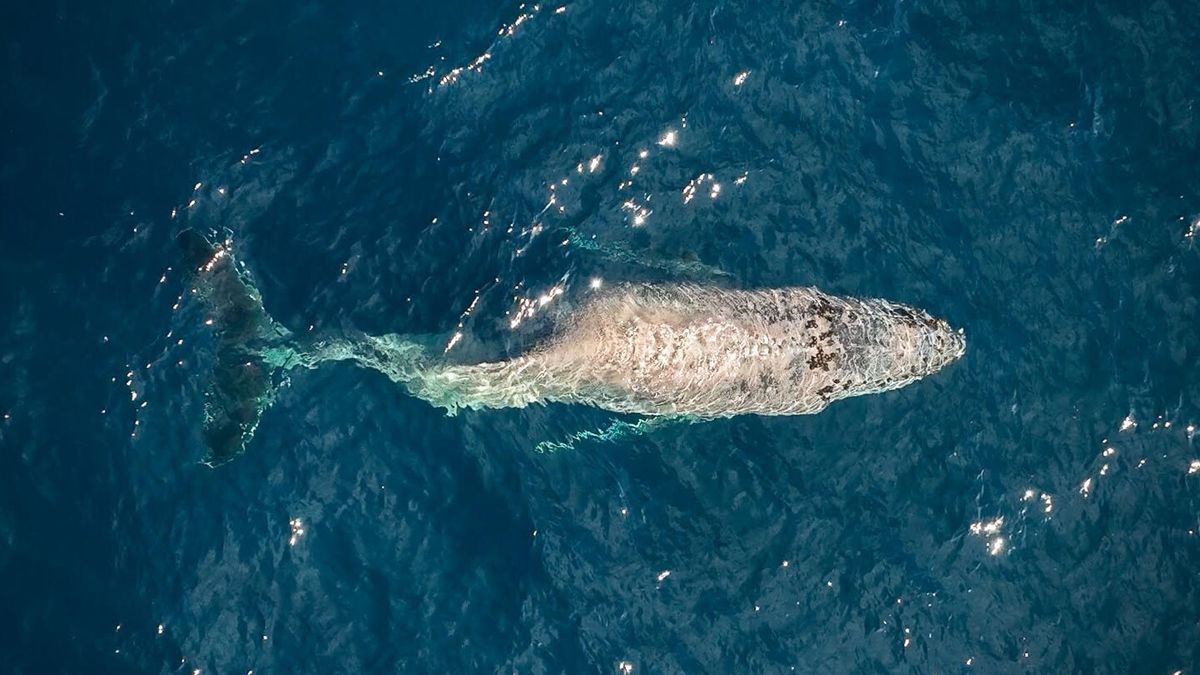
A humpback whale with a broken back, likely from a ship collision, was spotted off the coast of Baja California Sur, Mexico, and is expected to die from its injuries. The whale's ability to swim, feed, and survive is severely impacted, highlighting the threat of ship collisions to marine wildlife. Efforts to mitigate such incidents, including speed regulations for vessels, are in place, but more comprehensive measures are needed to prevent future whale deaths.
A team including a UC Davis professor and a scientist from SETI has had a 20-minute "conversation" with a humpback whale in the wild, leading to breakthroughs in understanding non-human intelligence communication. The study suggests that studying humpback whales can help develop "intelligence filters" for the search for extraterrestrial intelligence. The researchers observed turn-taking and matching of rhythm during the exchange, indicating cohesion and bonding. The team also plans to study humpback whale communication through bubble rings. This research challenges the assumption that narrow-band radio signals are the only way to make contact with extraterrestrial intelligence.
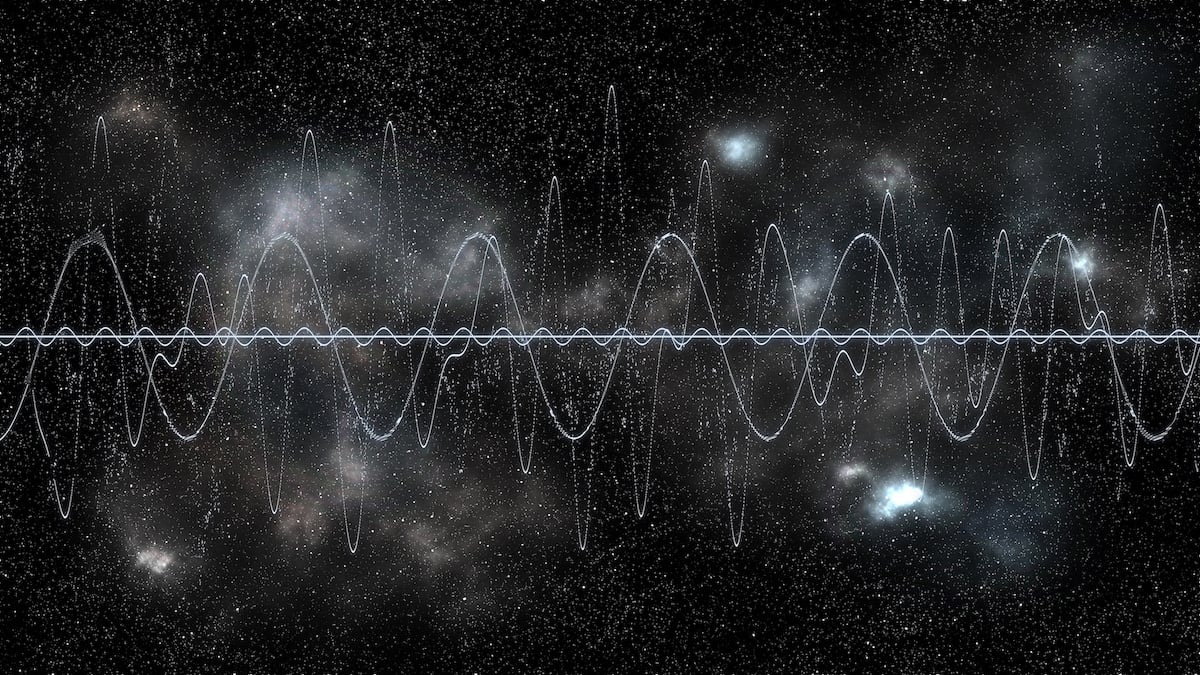
Scientists have reported a 20-minute "conversation" with a humpback whale named Twain, where the whale responded to recorded whale calls. The study, conducted by researchers from the University of California, Davis, the SETI Institute, and the Alaska Whale Foundation, suggests that this preliminary research could provide insights into communicating with other intelligent species, both on Earth and potentially beyond. The researchers believe that this study could be a starting point for future attempts to communicate with extraterrestrial life.
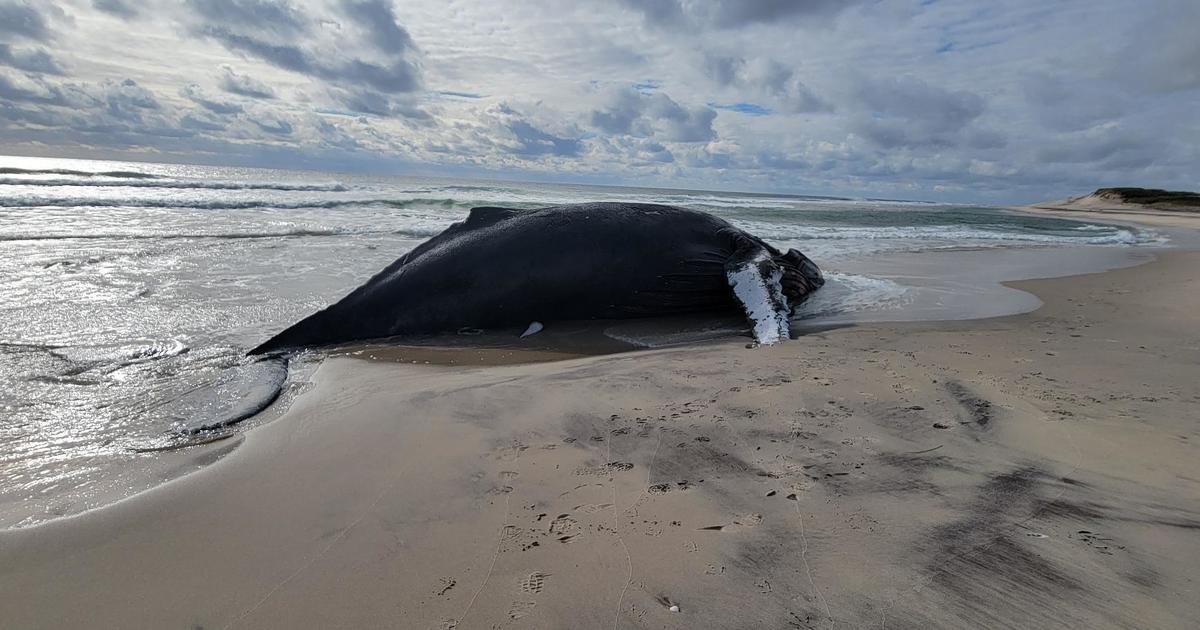
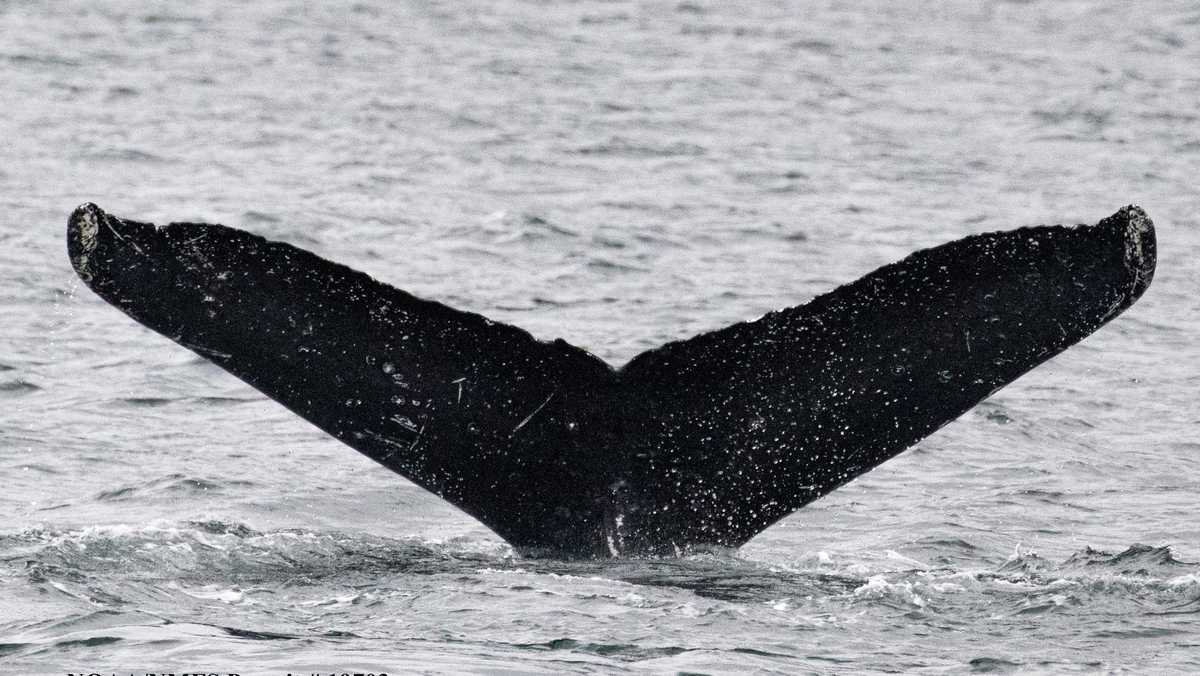
A humpback whale, last seen three decades ago, was found alive but died after washing ashore on Sable Island National Park Reserve in Canada. The remote location and dangerous surf conditions made it impossible for veterinary partners to help or euthanize the whale. The whale's tail was photographed while it was still alive, allowing researchers to confirm its identity as a humpback first spotted in 1982. The cause of death and the whale's activities over the past decades remain unknown.
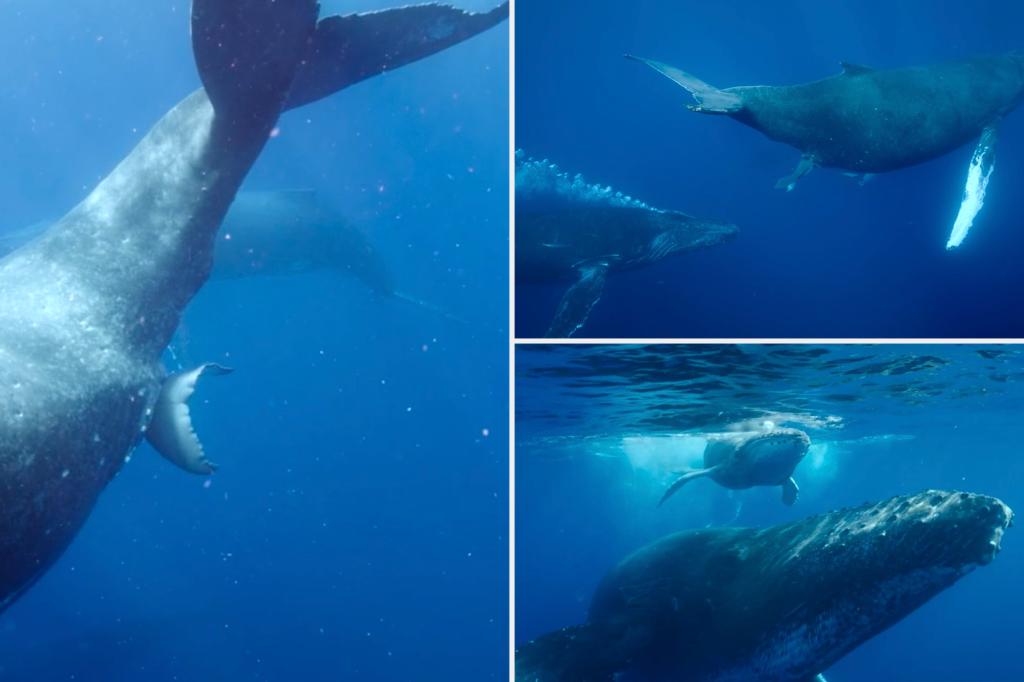
Scientists have captured rare footage of a humpback whale giving birth, a sight that had never been seen before. The video, part of National Geographic's new series "Incredible Animal Journeys," shows the birthing process from start to finish. The footage also revealed previously unknown insights into the birthing process, including the presence of several male humpbacks during delivery. The males were observed blowing bubbles, possibly to trigger the release of feel-good hormones. The video showcases the beauty of the moment as the mother and calf lovingly interact before embarking on their new life.
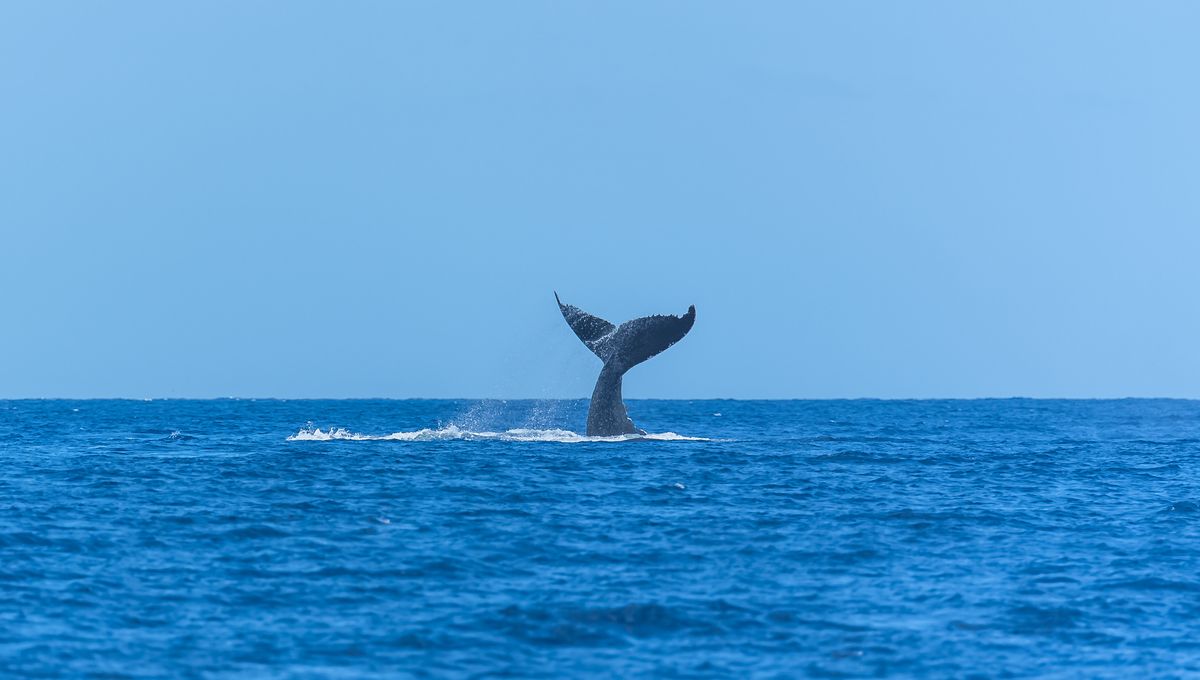
A video captured the rare phenomenon of a humpback whale engaging in "tail sailing," where its tail is perfectly poised above the water's surface. This behavior, observed in female whales with calves, could be a way for mothers to rest while their calves swim nearby. It is also possible that the whale is cooling down, as the tail contains high levels of blood vessels that could benefit from evaporative cooling. The exact reasons for tail sailing are not fully understood by scientists.
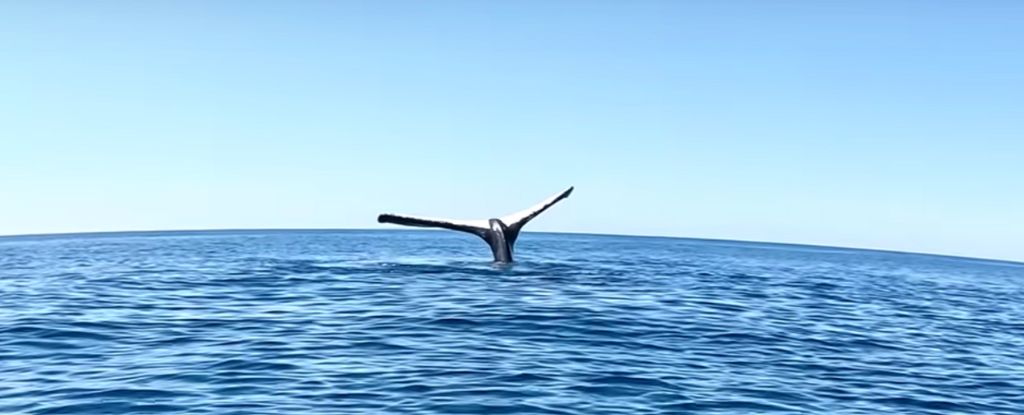
An Australian TikTok celebrity, Brodie Moss, captured a rare and mesmerizing sight of a humpback whale engaging in a behavior known as "tail sailing." While paddling in a transparent kayak, Moss encountered a humpback whale with its tail sticking out of the water, seemingly frozen in place. He observed a baby whale swimming around the tail, and the two whales could be heard singing to each other. This behavior, occasionally witnessed by observers, has puzzled scientists for decades. Moss hopes his footage will contribute to a better understanding of this intriguing behavior.
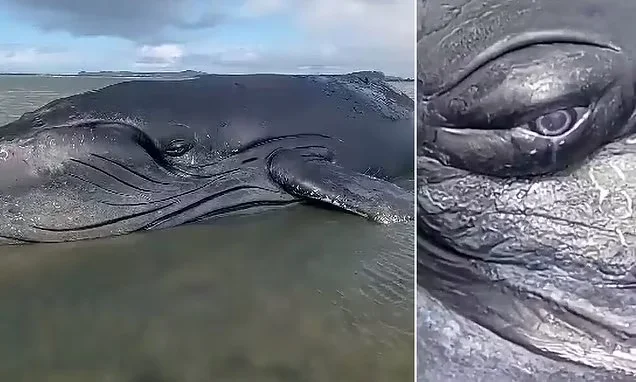
A beached humpback whale on Caipe Beach in Sao Francisco do Conde, Brazil, appeared to weep as it drew its final breaths after being stranded. Despite efforts to save it, the whale died, as it can only survive for a few hours out of the water. The animal had previously washed up on Mare Island and was returned to the sea twice before becoming stranded again. Experts believe the whale had a dislocated or fractured fin, making its survival impossible. While scientists reject the claim that the whale was crying, witnesses have reported the emotional distress exhibited by stranded whales.
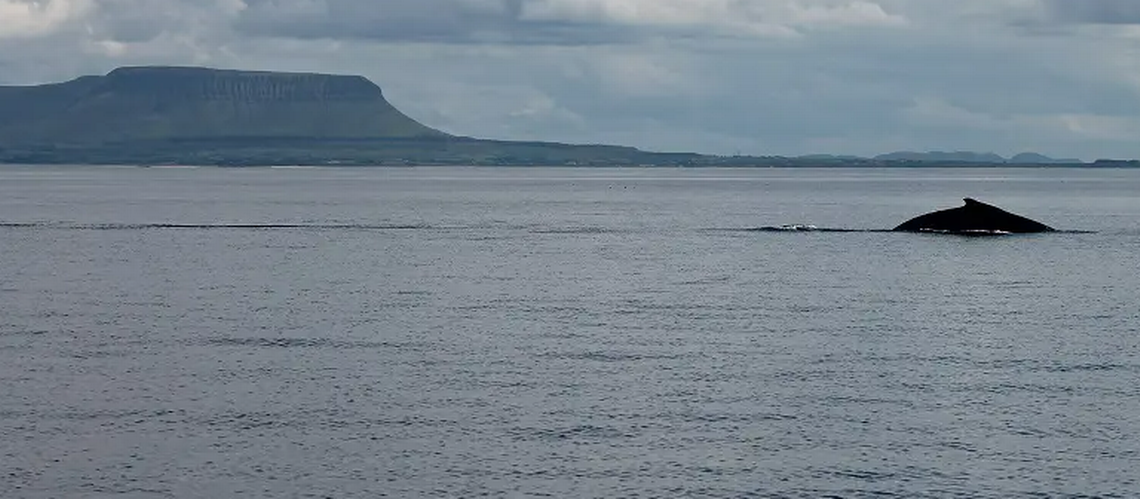
A humpback whale known as HBIRL24 put on a 30-minute show in Donegal Bay, Ireland, during a feeding frenzy with other whales and dolphins. Experts have noticed a "complete shift" in humpback whale sightings as they move north, with 11 validated sightings in Northwest Ireland since June 1. This could be evidence of "range expansion" among the Irish cohort of humpbacks, which could provide more opportunities for whale watching enthusiasts in the area.
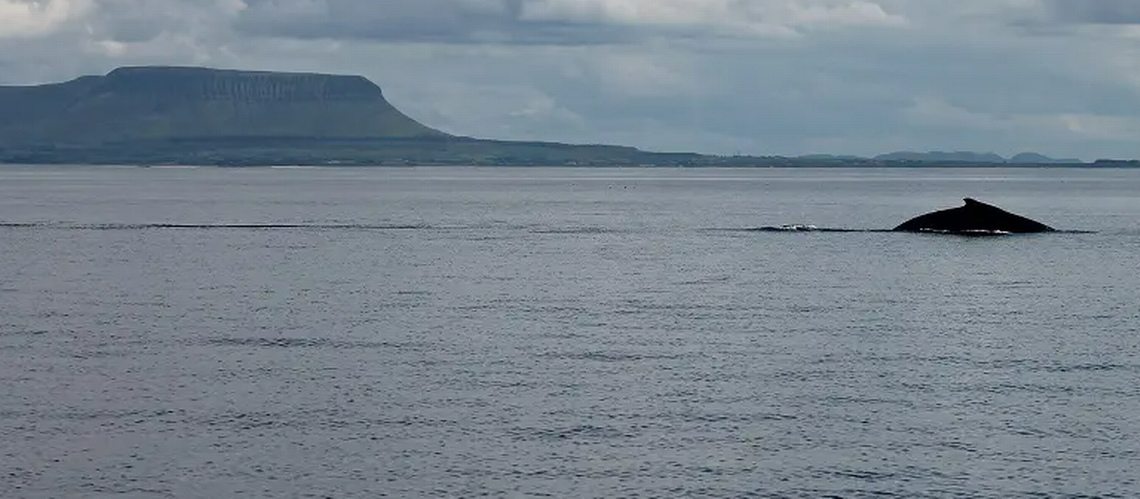
A humpback whale known as HBIRL24 put on a 30-minute show in Donegal Bay, Ireland, during a feeding frenzy with other whales and dolphins. Experts have noticed a "complete shift" in humpback whale sightings as they move north, with 11 validated sightings in Northwest Ireland since June 1. This could be evidence of "range expansion" among the Irish cohort of humpbacks, which could provide more opportunities for whale watching enthusiasts in the area.
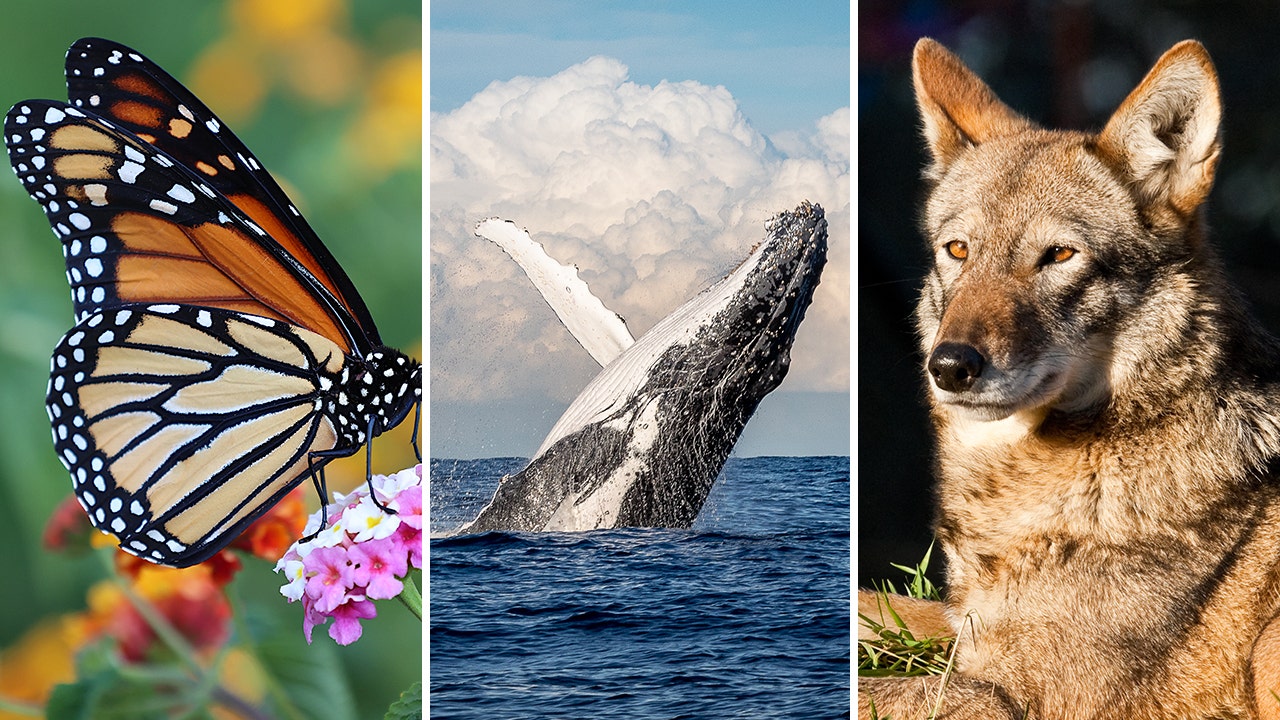
In honor of National Endangered Species Day, here are some quick facts about endangered species in the US, including the humpback whale, Black Warrior waterdog, monarch butterfly, loggerhead sea turtle, and red wolf. The monarch butterfly was recently added to the endangered species list, while the red wolf population is believed to be as low as 15-17 individuals. Conservation efforts are underway to protect these species from extinction.