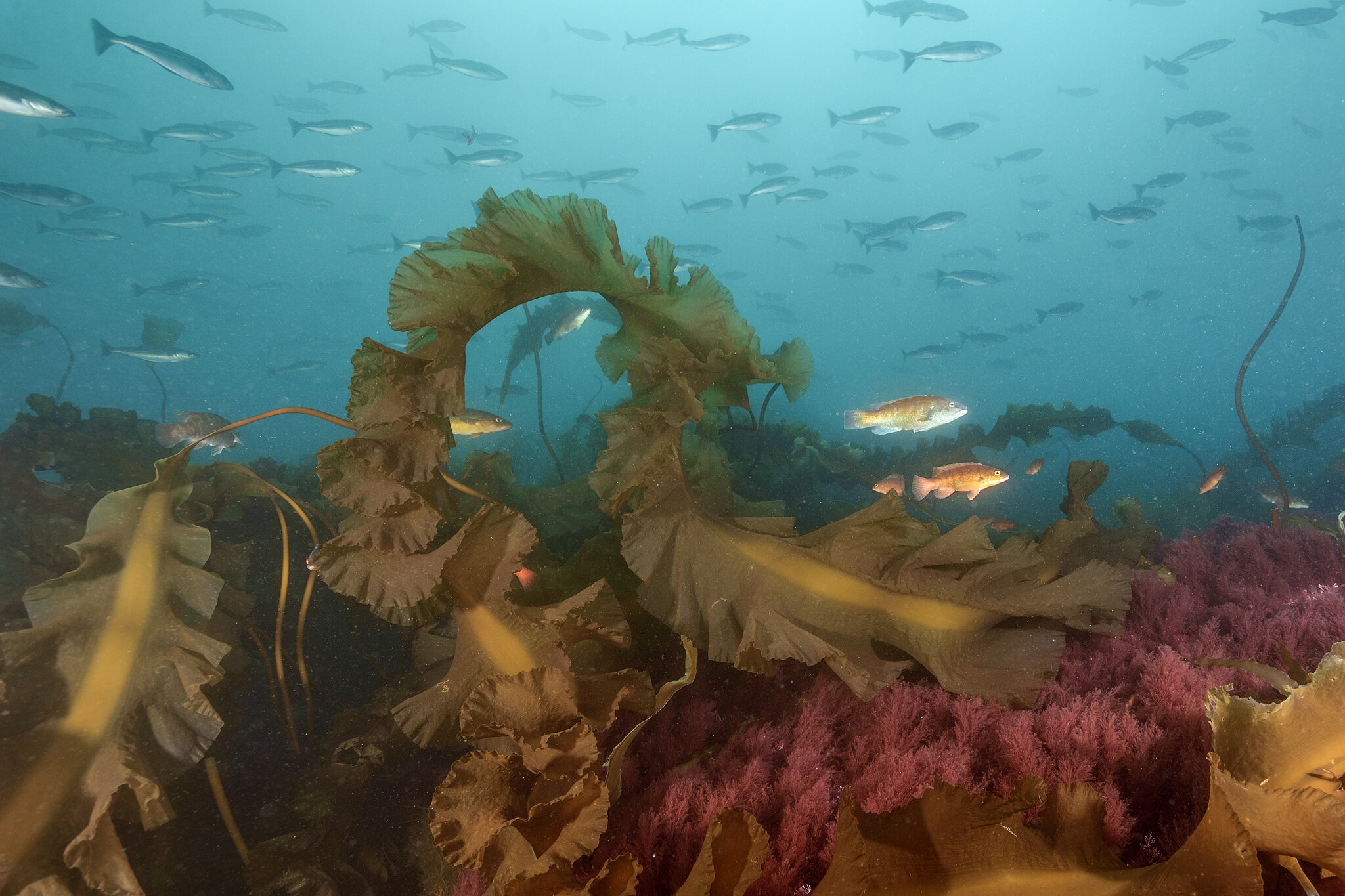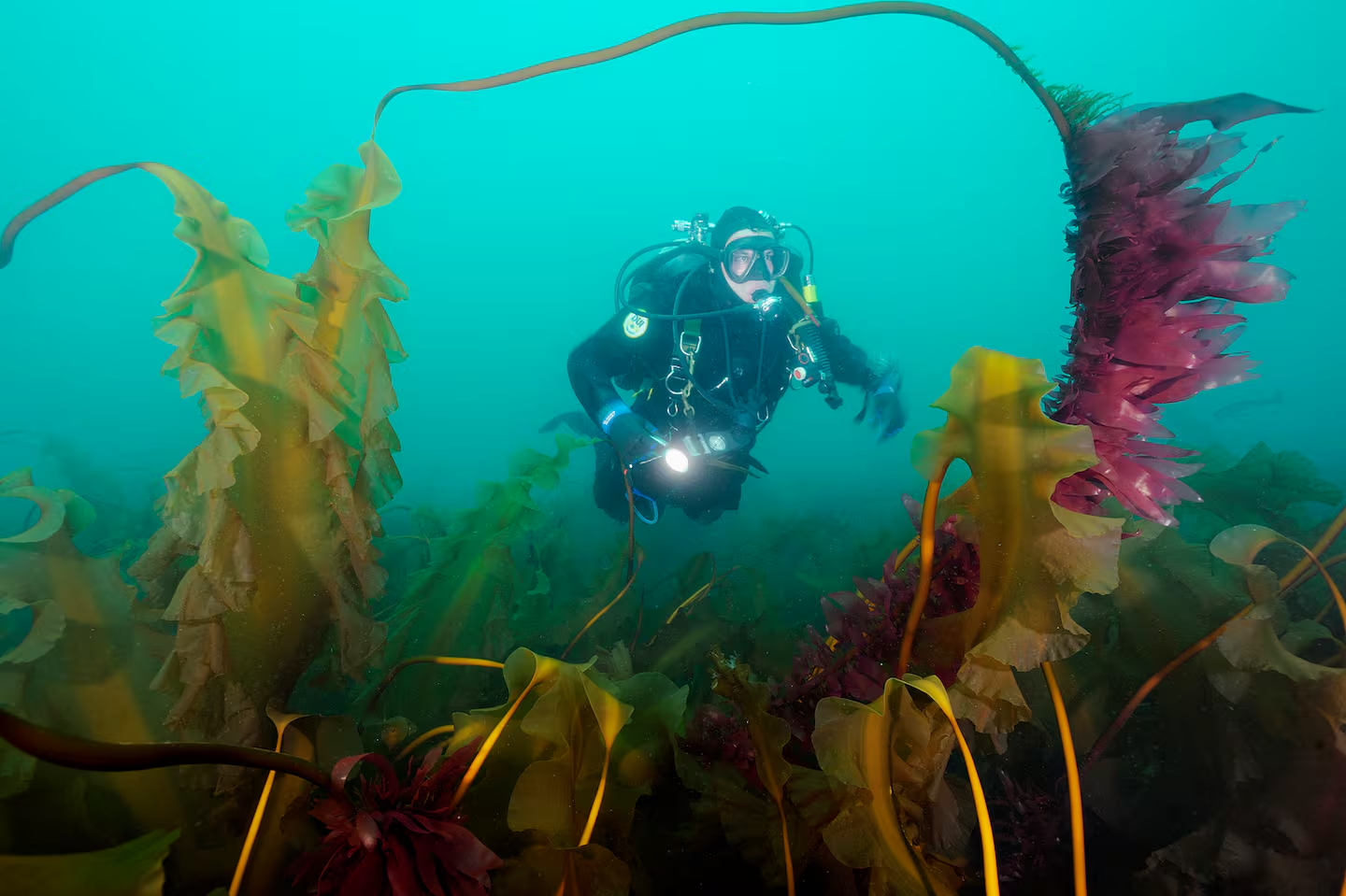
Kelp forests along the Gulf of Maine have declined significantly, leading to a shift in the local food web where fish now rely more on phytoplankton instead of kelp for energy, fundamentally altering ecosystem dynamics and highlighting the importance of kelp as a foundational species.
Kelp forests in the Gulf of Maine, crucial for marine life and the lobster industry, are declining due to warming ocean temperatures. While northern areas remain somewhat resilient, southern regions have reached a tipping point, with kelp being replaced by red algae. The warming is driven by climate change, altering ocean currents and impacting the entire ecosystem. Scientists warn that this decline signals broader ecological shifts, with potential long-term consequences for marine biodiversity and fisheries.
Researchers from Boothbay-based Bigelow Laboratory have discovered that mixotrophic plankton, which can both photosynthesize and consume prey, are increasing in abundance in the warming Gulf of Maine. This finding suggests that these flexible feeders may be more resilient to climate change, potentially impacting nutrient cycling and the marine food web. The study, based on 60 years of data, highlights the importance of long-term environmental monitoring to understand oceanic changes.
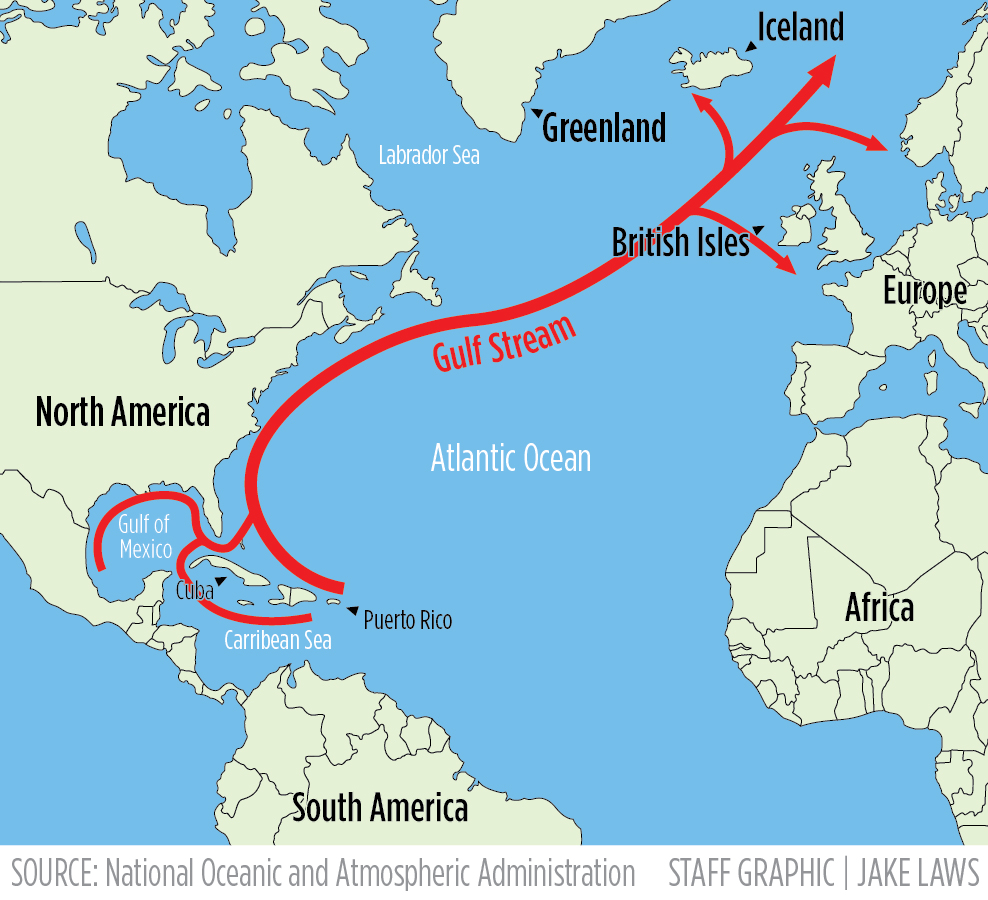
The Gulf Stream, a tropical ocean current, has warmed faster than the global oceans and moved closer to the U.S. eastern continental shelf over the past 20 years, increasing the risk of sudden impacts on coastal fisheries, according to a study by the Woods Hole Oceanographic Institution. Warm-water breakaways from the Gulf Stream can temporarily increase temperatures in the Gulf of Maine, affecting marine wildlife. The balance between the Labrador Current and the Gulf Stream is shifting, with the Gulf Stream becoming warmer and wider. The warming trend in the Gulf of Maine is four times faster than the global oceans, with significant consequences for the region's ecosystems and communities.
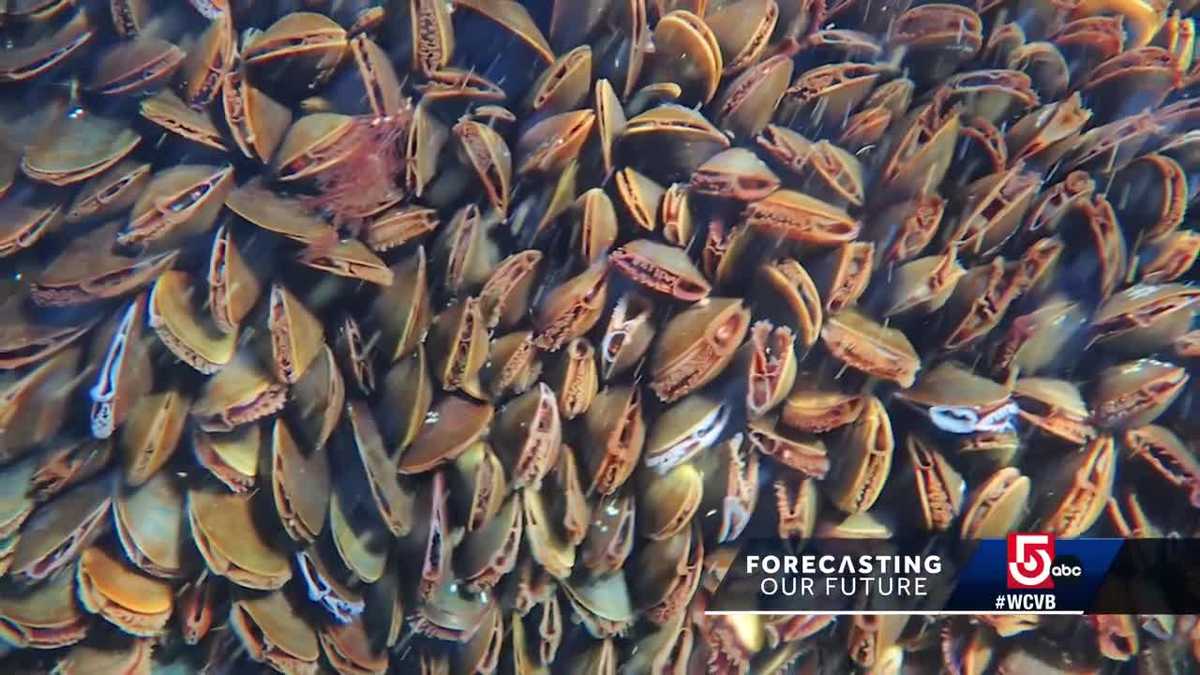
Warming seas are causing mussels to die off along the New England shoreline, with the Gulf of Maine warming 99% faster than any other large body of water on the planet. Professor Brian Helmuth and his team at Northeastern University are using tiny logging devices and robotic mussels to measure the temperature of the rock surface where the mussels live, finding that it's too hot for them to survive. The decline of mussels is seen as a warning sign for the health of the entire ecosystem, and researchers are studying how other organisms, such as sea stars, are responding to climate change as well.