Scientists have discovered that corals can regulate their skeleton-building mechanisms to adapt to increased ocean acidity, offering hope for the survival of coral reefs amid climate change, though broader environmental threats still pose significant risks.
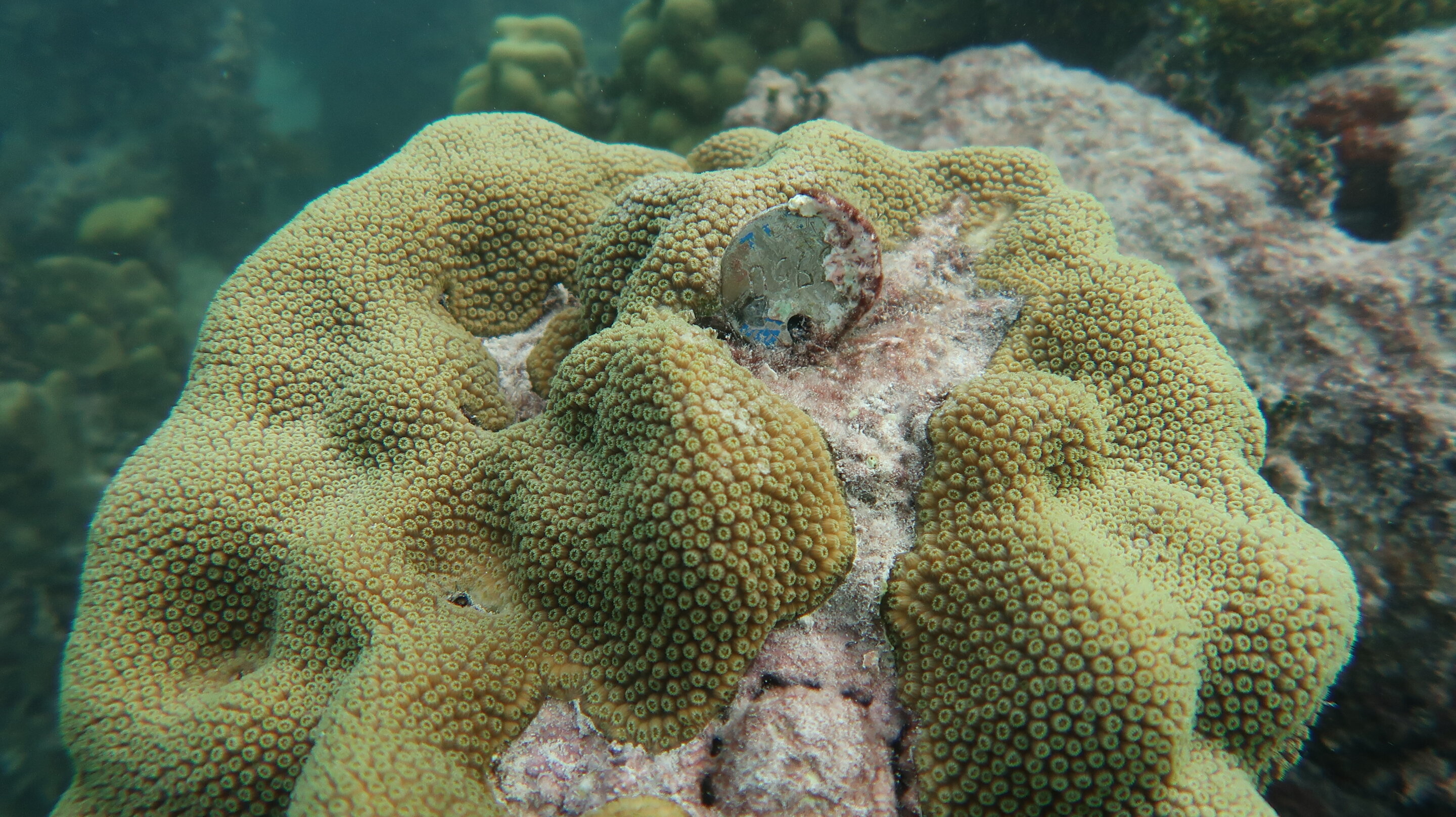
A study published in the journal Global Change Biology reveals surprising findings about the resilience of mountainous star coral, Orbicella faveolata, which could help efforts to save coral reefs from the impacts of climate change. Contrary to expectations, the study found that offspring from a less heat-tolerant population performed better when exposed to high temperatures compared to their counterparts from a heat-tolerant population. This challenges the belief that if coral parents can handle heat, so should their offspring. The research suggests that factors such as the history of bleaching and other environmental pressures may influence the ability of coral offspring to handle heat. The study highlights the need for a more comprehensive approach to coral rescue, considering genetic diversity and external stressors affecting overall well-being.