
Tag

Hunga Volcano

All articles tagged with #hunga volcano

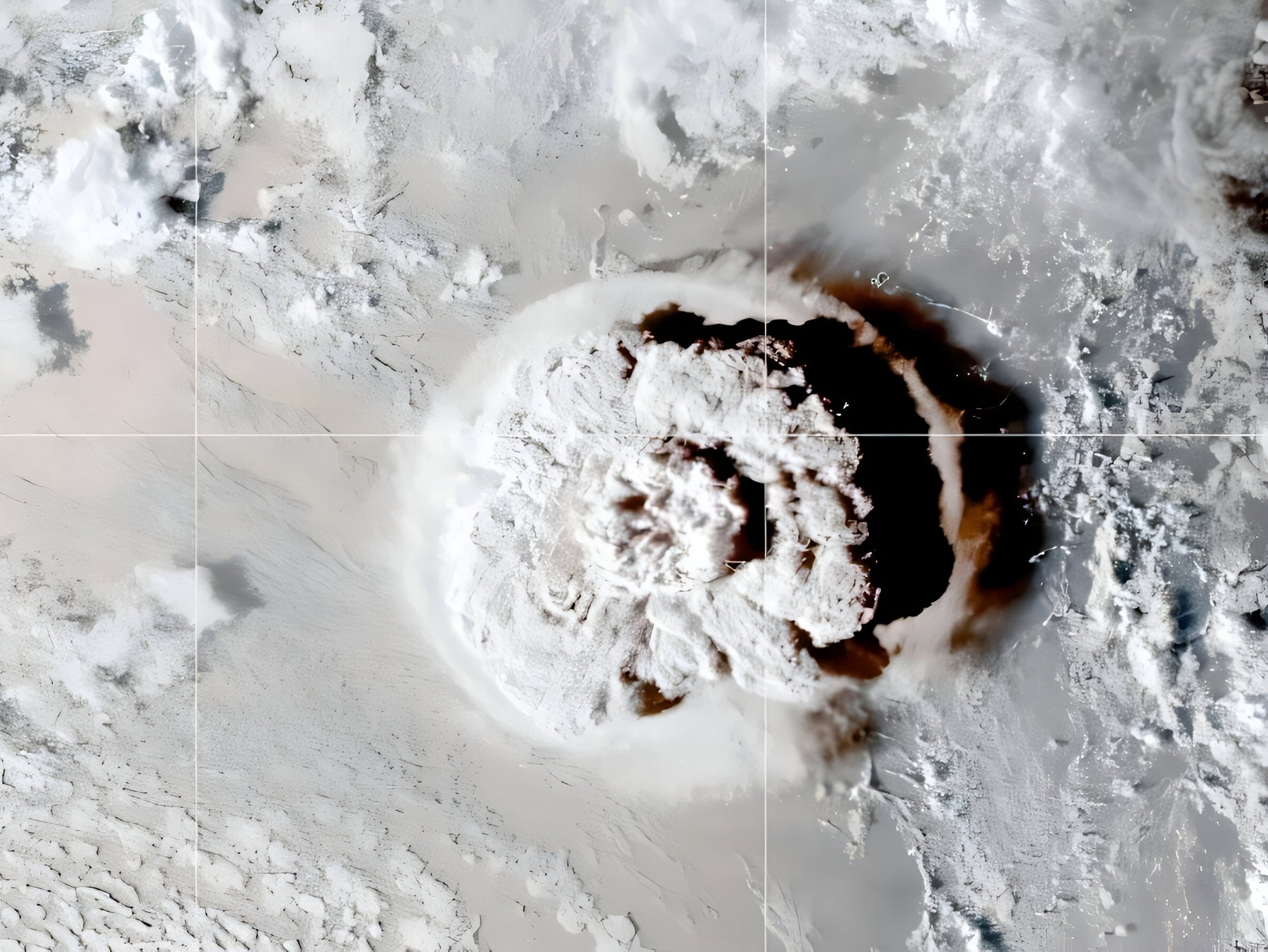
Underwater Eruption Chokes Marine Life with Ash Clouds

Originally Published 6 months ago — by Earth.com

Featured image for Underwater Eruption Chokes Marine Life with Ash Clouds
Source: Earth.com

The 2022 eruption of the Hunga volcano caused significant ash deposition on the seafloor, damaging deep-sea ecosystems and affecting Tonga's coral reefs and local livelihoods. The study highlights the environmental impact of underwater volcanic activity and raises concerns about future deep-sea mining, which could cause similar or greater ecological harm.
Tonga's Hunga Eruption Sets Lightning Intensity Record

Originally Published 2 years ago — by SciTechDaily

Featured image for Tonga's Hunga Eruption Sets Lightning Intensity Record
Source: SciTechDaily

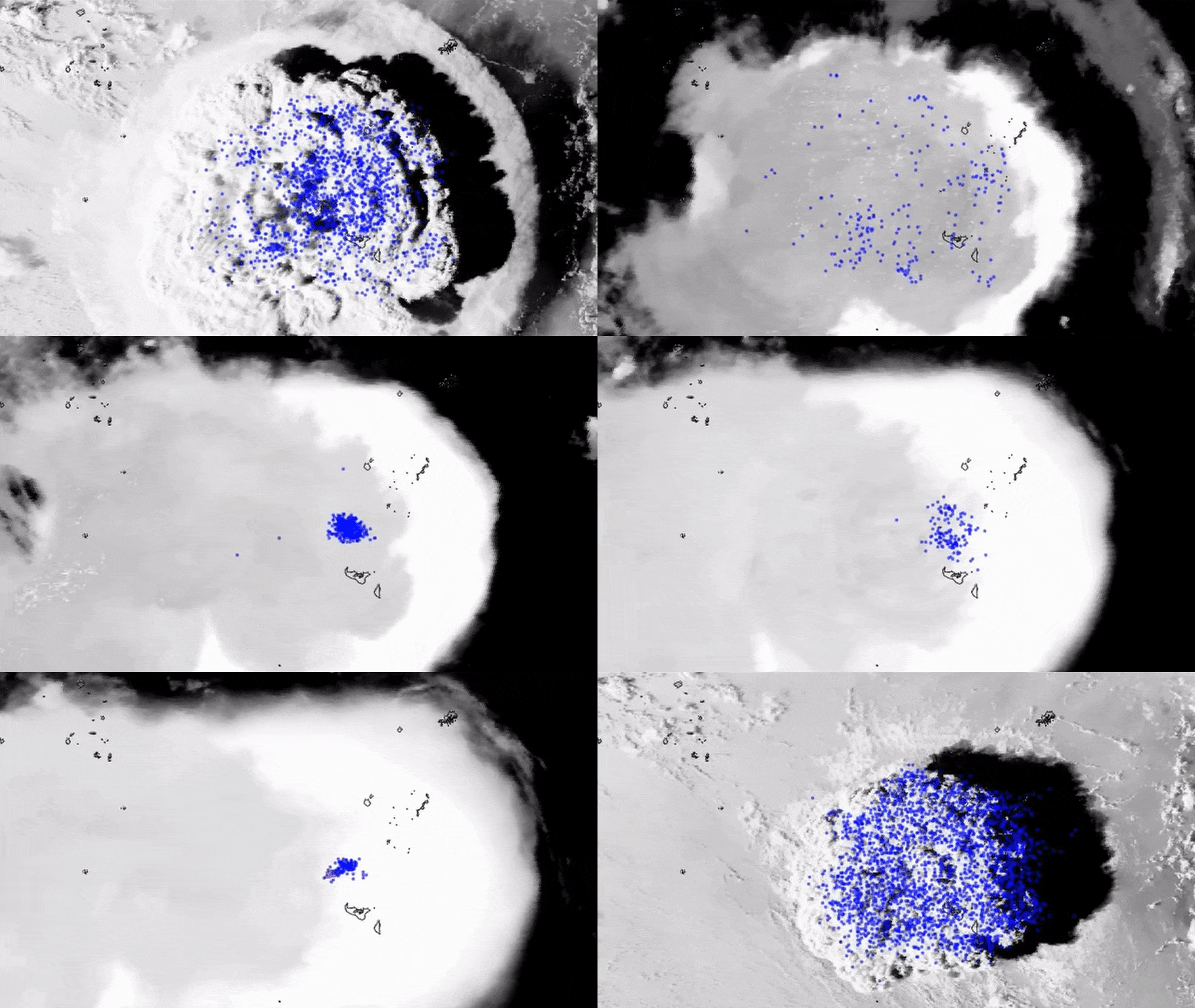
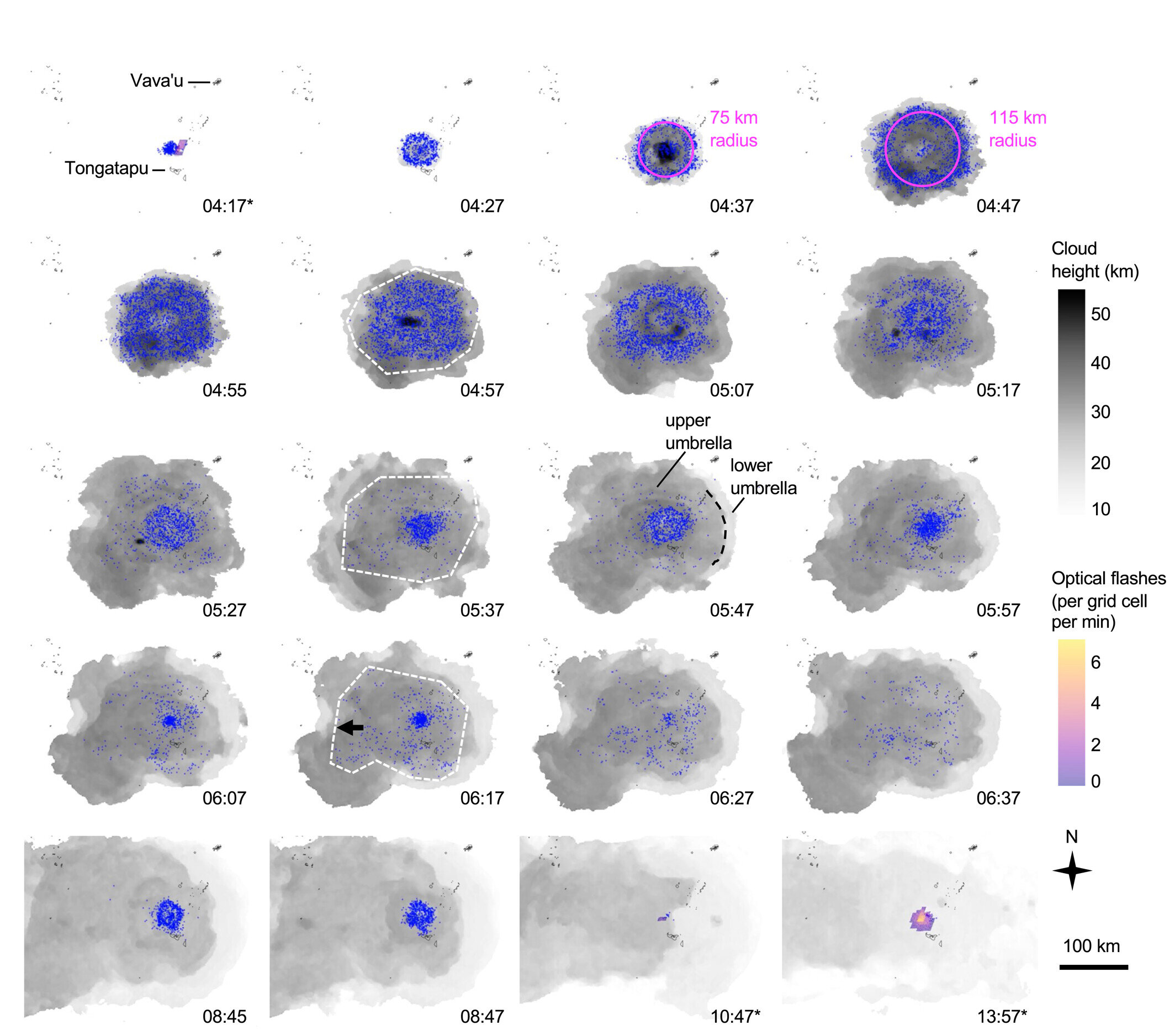
The January 15, 2022, eruption of Tonga's Hunga Volcano produced the most intense lightning ever recorded, with over 200,000 lightning flashes occurring throughout the eruption, peaking at more than 2,600 flashes every minute. The lightning provided new insights into the eruption's timeline, revealing previously unknown phases of the eruption and informing future volcanic hazard monitoring. The eruption lasted at least 11 hours, several hours longer than previously known, and produced the highest-altitude lightning flashes ever measured, 20 to 30 kilometers above sea level. Harnessing all the long-range observations available, including lightning, improves early detection to keep aircraft and people out of harm's way.

Tonga's Hunga eruption caused record-breaking lightning storm.

Originally Published 2 years ago — by Phys.org

Featured image for Tonga's Hunga eruption caused record-breaking lightning storm.
Source: Phys.org

The January 15, 2022, eruption of Tonga's Hunga Volcano produced the most intense lightning ever recorded, with nearly 200,000 lightning flashes in the volcanic plume throughout the eruption, peaking at more than 2,600 flashes every minute. The eruption created a "supercharged" thunderstorm because the highly energetic expulsion of magma vaporized seawater, which rose up into the plume and eventually formed electrifying collisions between volcanic ash, supercooled water, and hailstones. The lightning provided insight into not only the duration of the eruption but also its behavior over time, which can provide better monitoring and nowcasting of aviation-related hazards during a large volcanic eruption, including ash cloud development and movement.