Humans are currently the most numerous mammal species on Earth, with a population of 8 billion as of November 2022. However, among non-human mammals, the brown rat (Rattus norvegicus) is the most numerous due to its high reproductive rate. The house mouse also has a significant population, closely linked to human habitats. The global human population growth rate is slowing, with projections indicating it will take until 2037 to reach 9 billion.

Scientists studying Antarctic ice cores have found a connection between past levels of atmospheric carbon dioxide and global pandemics over the past 2,000 years. The Law Dome and West Antarctic Ice Sheet (WAIS) Divide ice cores show discrepancies in their measurements of CO2 levels, with the Law Dome core indicating a rapid decrease around 1610 CE, possibly due to human population decline and reforestation. However, a new study suggests a more gradual decline in CO2 levels, supporting the idea of large-scale land use changes following the New World-Old World contact. This research sheds light on the potential impact of historical pandemics on Earth's atmosphere and climate.
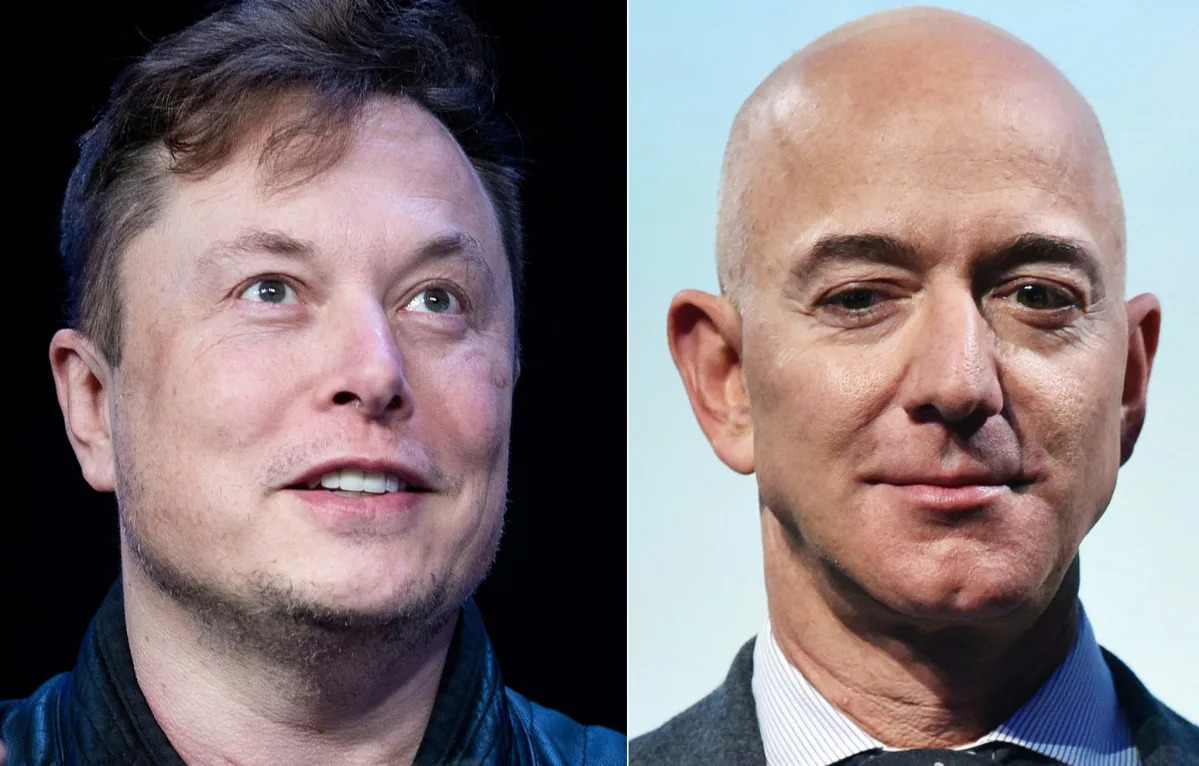
Jeff Bezos and Elon Musk, two of the world's richest billionaires, believe that the human population is not nearly big enough and that we need more humans for the future. Bezos envisions a trillion humans living in the solar system, creating a vibrant and intelligent society. He aims to build space infrastructure to support future generations of space entrepreneurs. Musk, on the other hand, emphasizes the need for humanity to become a multi-planet species and establish a permanent human presence on Mars. Both billionaires warn about the dangers of declining birth rates and advocate for the importance of having children to ensure the survival and progress of civilization.
Jeff Bezos and Elon Musk, two of the world's richest billionaires, believe that the human population is not nearly big enough and advocate for a future with a trillion humans living in the solar system. Bezos envisions a future with space stations and heavy manufacturing in space, while Musk emphasizes the need for humanity to become a multi-planet species, with a permanent human presence on Mars. Both agree on the importance of building space infrastructure and using resources in space to preserve the Earth's environment. They also express concerns about declining birth rates and warn of the dangers of underpopulation.
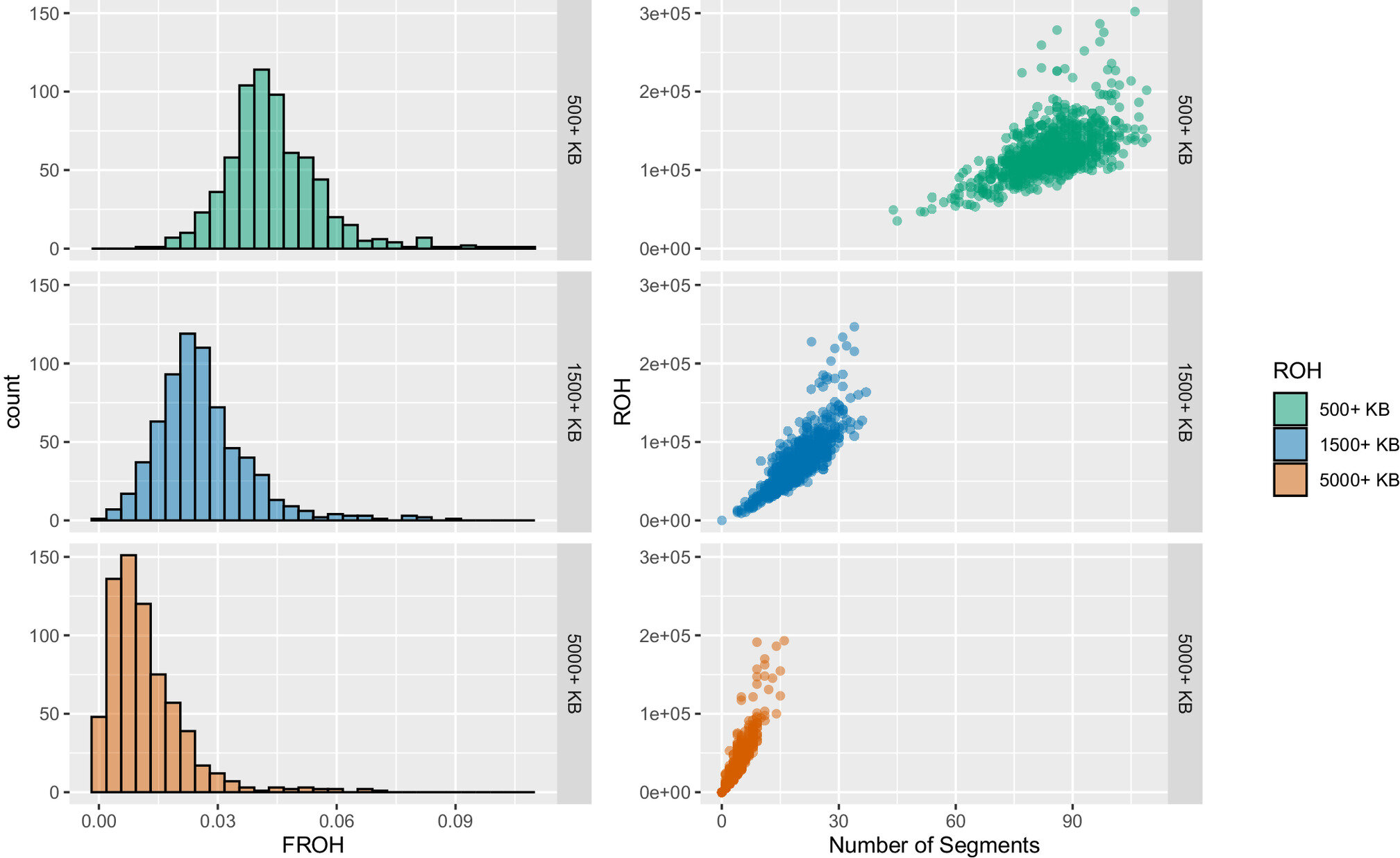
A study from the University of California, Davis, provides direct evidence that increased homozygosity, or having two identical alleles in a genome, can have negative effects on fertility in a human population. The research focused on the Himba community in Namibia, an isolated population that practices endogamy, or marrying within the same group. The study found that genetic markers indicating inbreeding were present in the Himba population, and the accumulation of these genetic effects over time can impact fertility. The research suggests that having common ancestors can jeopardize fertility for generations.
Start-up companies are working towards making human reproduction in space a reality, addressing the challenges of building a self-sustaining human population on Mars. Scientists need to determine how reproduction can occur in a hostile space environment, which lacks gravity, is bombarded with harmful radiation, and lacks essential resources.
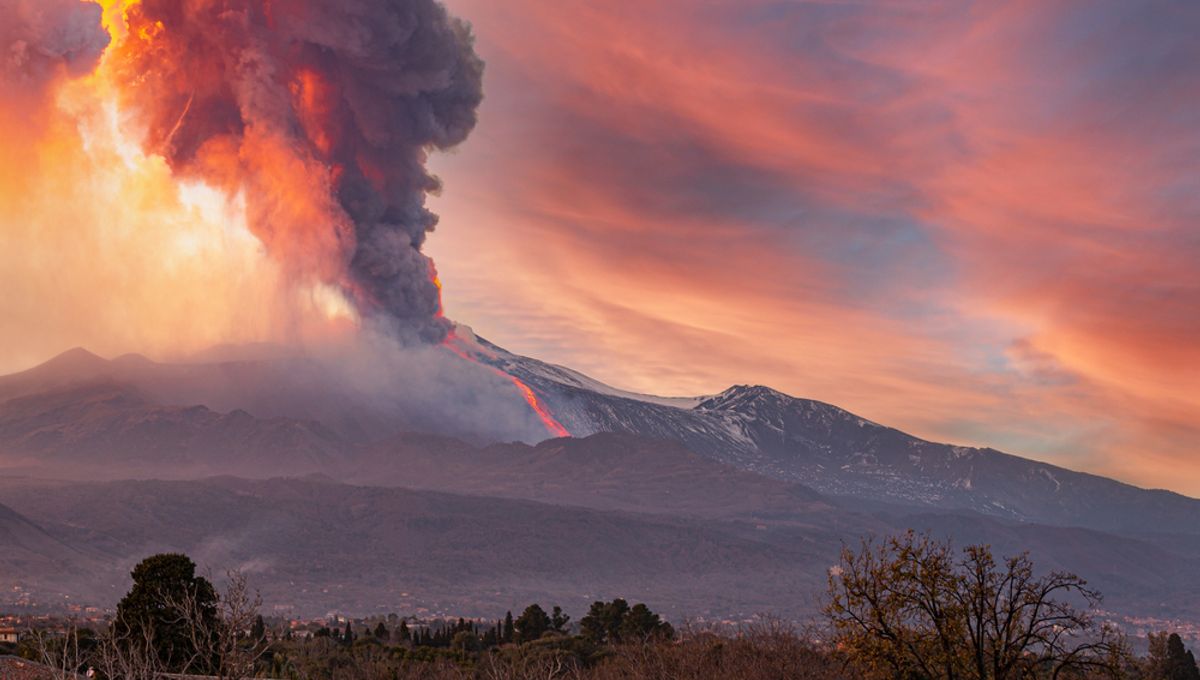
The Toba catastrophe theory suggests that a supervolcano eruption around 74,000 years ago on the Indonesian island of Sumatra may have caused a global catastrophe that nearly wiped humans off the planet, leaving only a few thousand individuals. While this theory has been disputed, evidence shows that humankind underwent a "genetic bottleneck" around 60,000 years ago, indicating a sudden population crash. Despite this, humans bounced back and the past 40,000 years of human history have seen significant technological growth and cognitive development, leading to the advent of agriculture and civilizations. Today, the human population stands at 8 billion.