The article discusses the increasing militarization of space, highlighting recent incidents of satellite dogfights between the US and China, where satellites maneuver aggressively near each other in orbit, raising concerns about space security and strategic dominance.
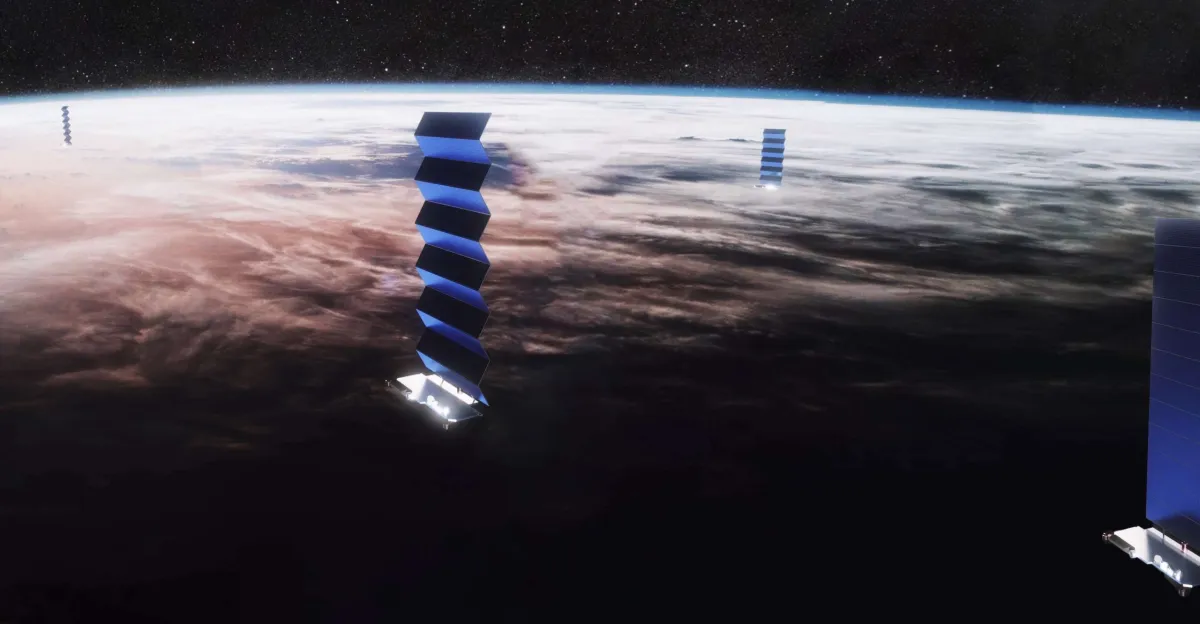
Starlink and Chinese satellites nearly collided last week, highlighting ongoing concerns about space safety and satellite management. The incident underscores the importance of tracking and coordinating satellite movements to prevent collisions in increasingly crowded orbits.
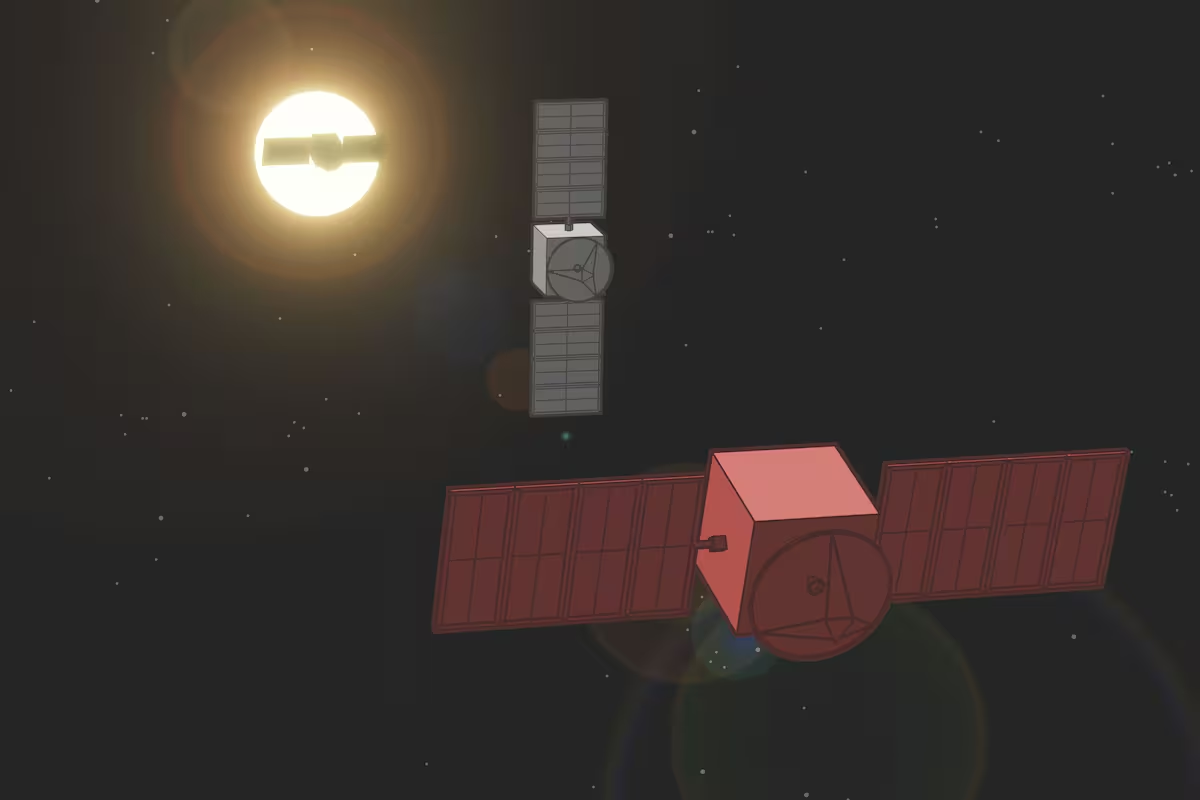
China's Shijian-21 and Shijian-25 satellites are maneuvering in geostationary orbit for a rendezvous and docking, likely to demonstrate on-orbit refueling capabilities, amid nearby U.S. surveillance satellites, highlighting advancements in satellite servicing and strategic space activities.
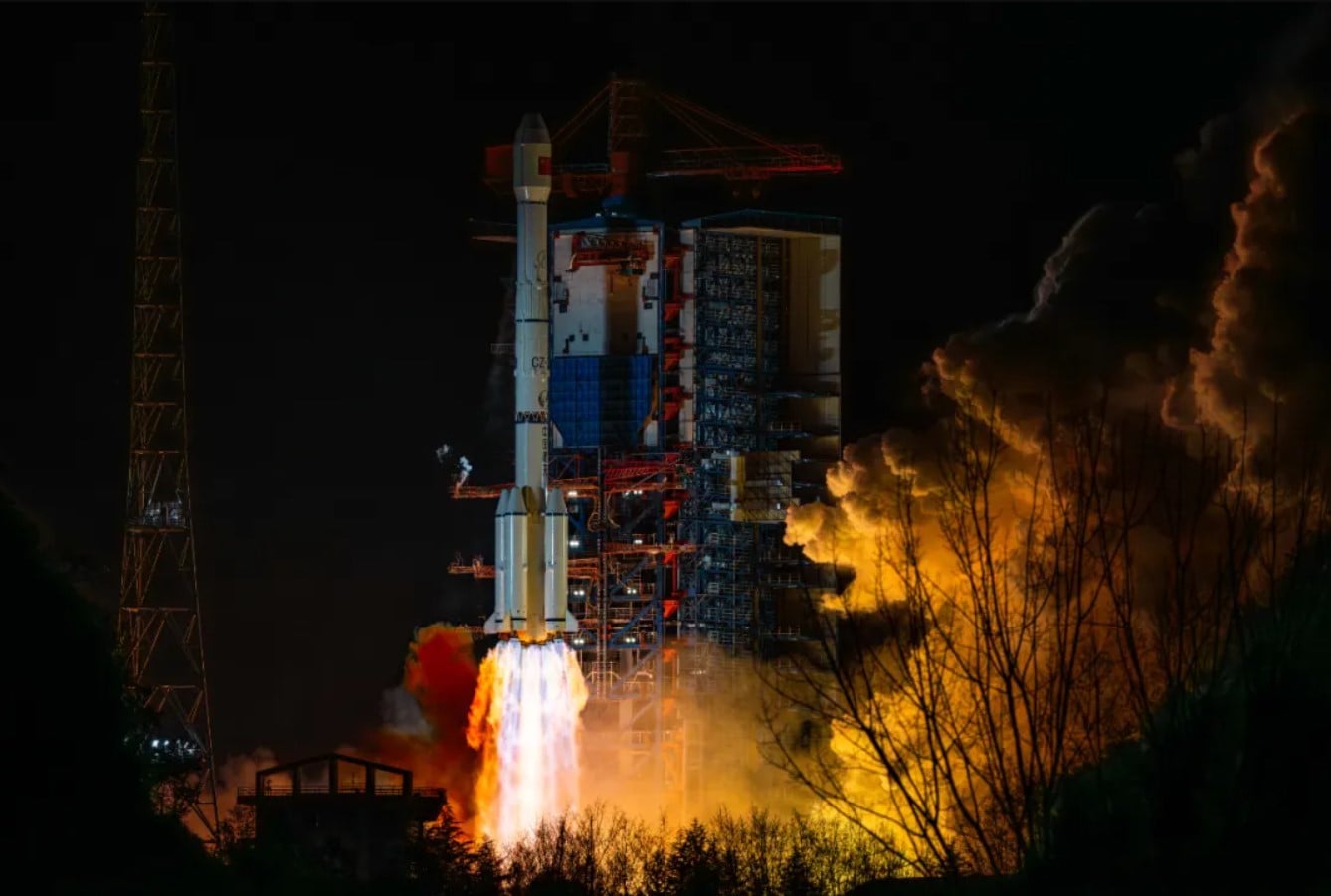
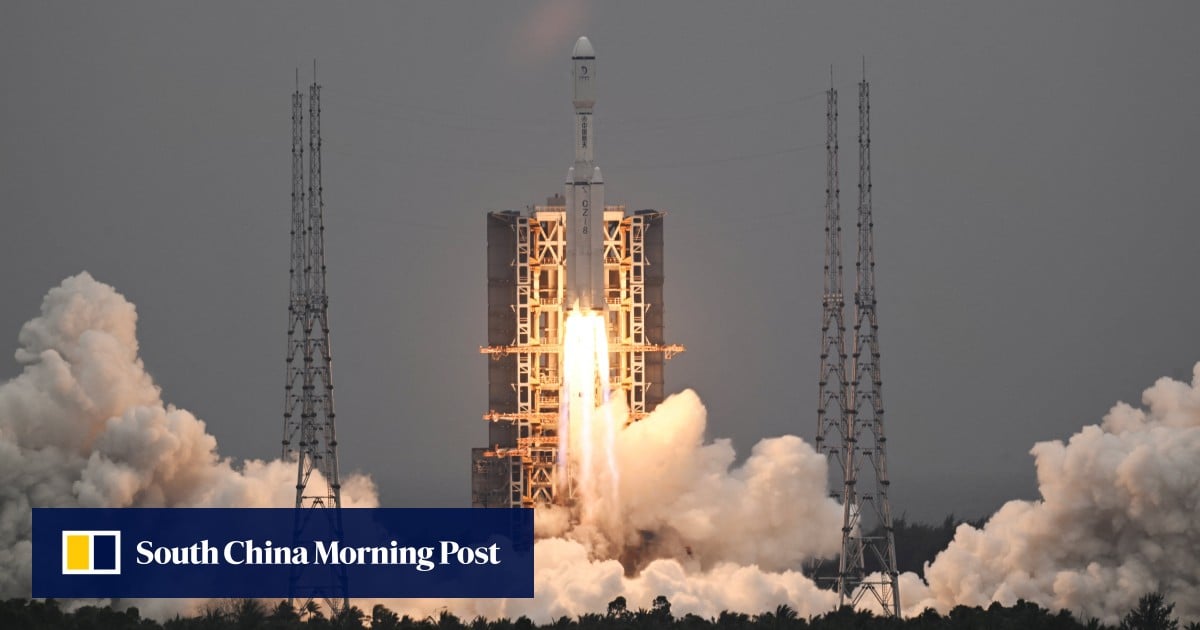
Three Chinese satellites, including the Queqiao-2 communication relay satellite, have successfully entered lunar orbit, while the fate of two others remains unclear after apparent rescue efforts. The two smaller satellites, Tiandu-1 and Tiandu-2, also successfully entered lunar orbit to test lunar navigation technologies. The status of the DRO-A/B satellites, which failed to reach their designated altitude due to an upper-stage rocket issue, remains uncertain. Queqiao-2 will conduct communication tests with the Chang'e 4 spacecraft on the moon's far side and pave the way for China's upcoming Chang'e 6 mission to collect and return moon samples from the lunar far side.
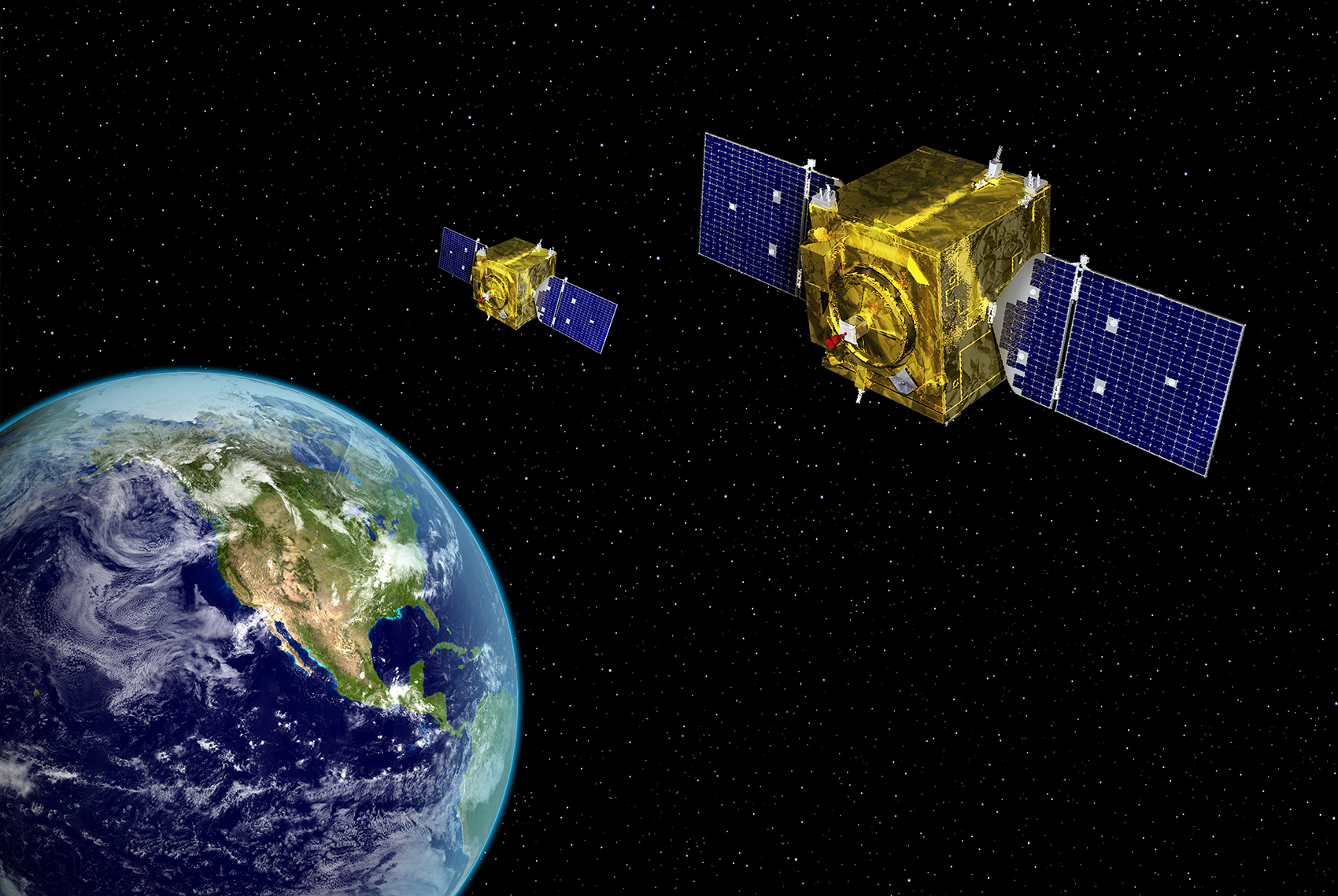
A Chinese study published in the journal Infrared and Laser Engineering has highlighted the close approaches made by U.S. Geosynchronous Space Situational Awareness Program (GSSAP) satellites to Chinese spacecraft in the geostationary belt, describing them as threats. The study identified 14 potential close approaches in 2020 and 2021, with one incident being as close as 9.54 kilometers. The researchers simulated imagery to demonstrate the potential for high-resolution imaging of targeted space objects. The study concludes that these close approaches pose a serious threat to China's high-value assets in GEO. The issue of uncoordinated close approaches in GEO has generated shared concern among countries, but there have been no proposals yet on how to address these threats.