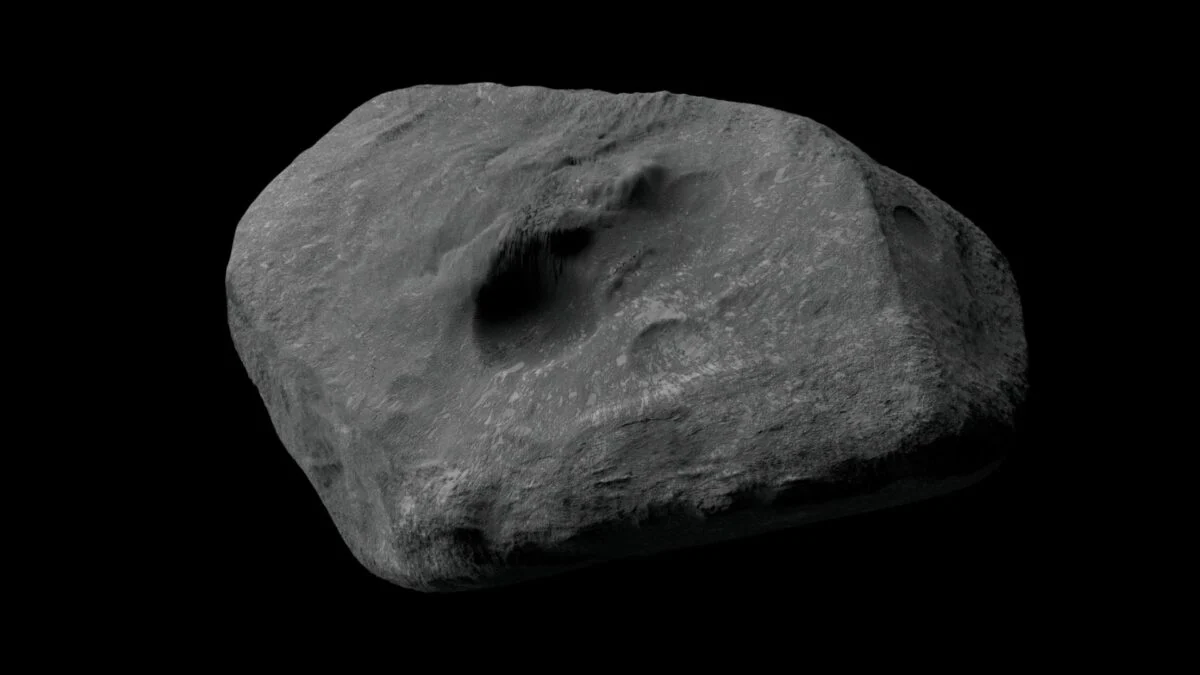
Researchers identify carbon-rich asteroids containing minerals like olivine and spinel as promising targets for future space mining, highlighting the potential for extracting valuable metals and rare earth elements, despite current technological and economic challenges.
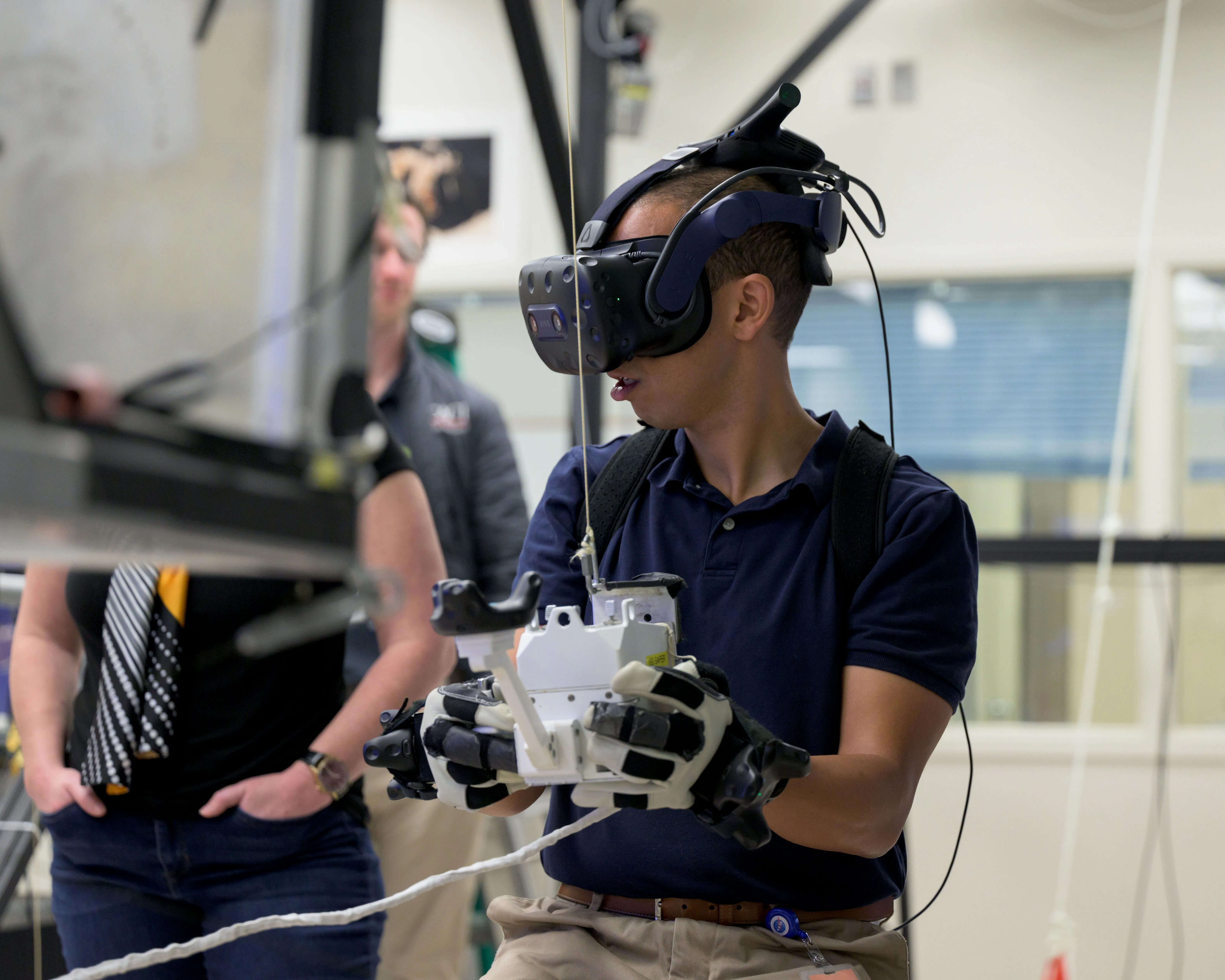
NASA's newest astronaut candidates began rigorous training at Johnson Space Center, preparing for missions to low Earth orbit, the Moon, and Mars through comprehensive coursework, simulations, and practical exercises, with many opportunities for future space exploration roles.
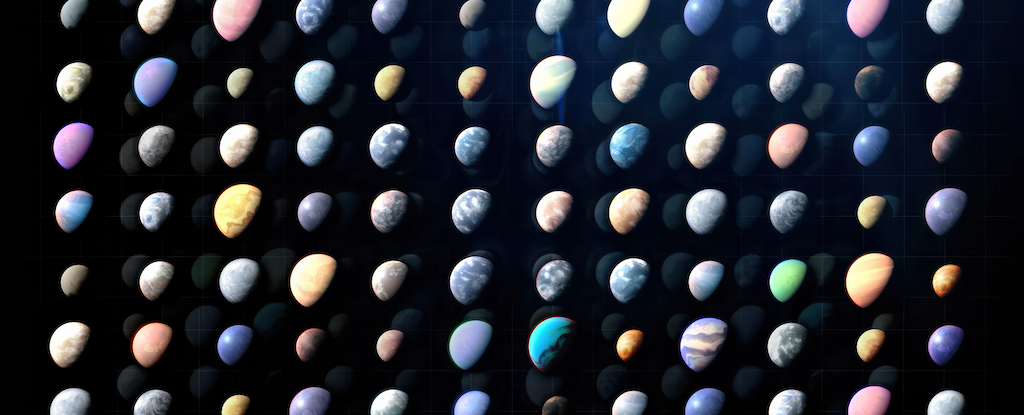
NASA has confirmed the discovery of 6,000 exoplanets beyond our solar system, highlighting the rapid progress in space exploration and the variety of planets found, which range from hot Jupiters to potentially habitable worlds. Advances in technology and upcoming missions aim to discover more, especially Earth-like planets, to answer the fundamental question of whether we are alone in the universe.
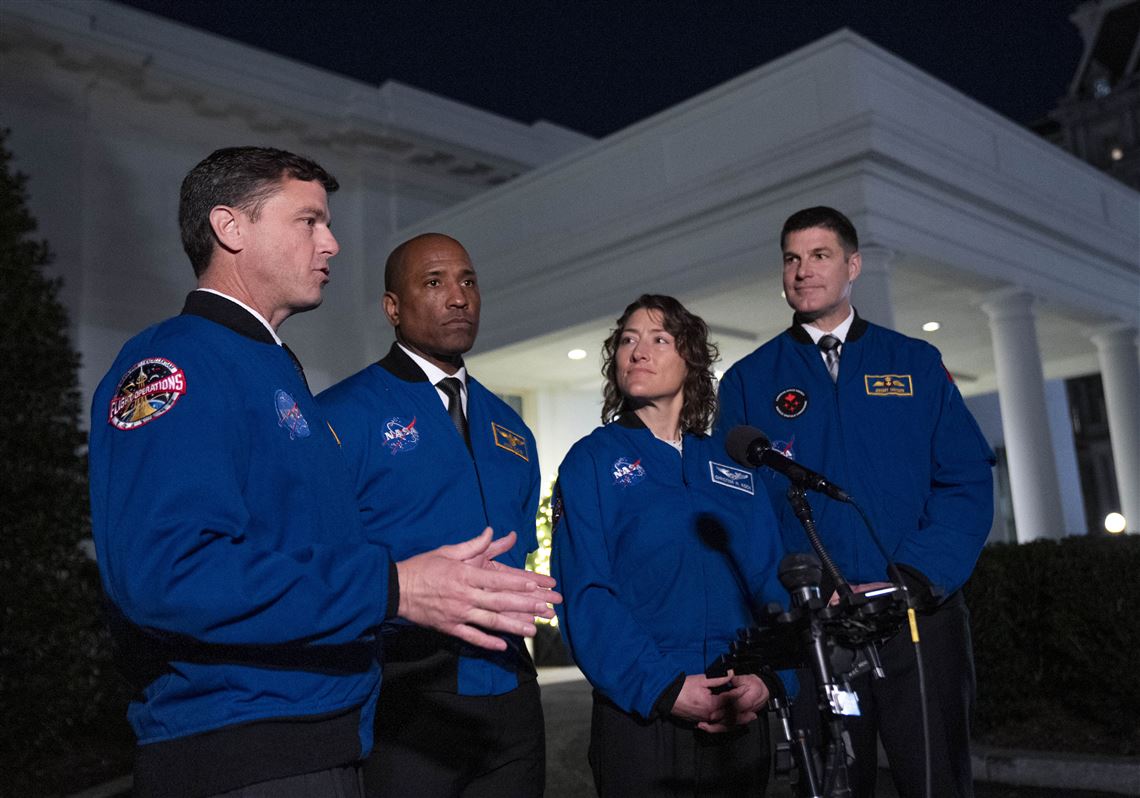
An international astronaut will be invited to participate in a future NASA moon landing, as part of the agency's efforts to promote international collaboration and cooperation in space exploration. This decision reflects NASA's commitment to expanding its partnerships and involving astronauts from various countries in its upcoming missions to the Moon.
The Propulsion Module (PM) of Chandrayaan-3, which successfully completed its mission objectives in the lunar orbit, has been moved to an orbit around Earth. This unique experiment aims to derive additional information for future lunar missions and demonstrate mission operation strategies for a sample return mission. The PM was re-orbited to a suitable Earth orbit to continue operating the SHAPE payload for Earth observation, while ensuring collision avoidance with the Moon's surface and Earth's GEO belt. The return maneuvers carried out by the PM have provided valuable insights for planning trajectory and maneuvers, gravity-assisted flybys, and avoiding debris creation.
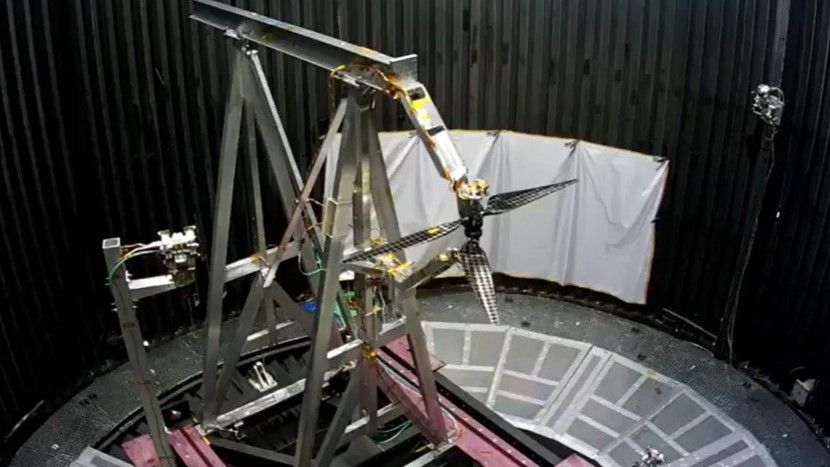
NASA is testing a new dual rotor system for future Mars missions, following the success of the Ingenuity helicopter. The new design features carbon-fiber blades that are longer than Ingenuity's, and they were tested in a vacuum chamber to simulate the conditions of interplanetary space. Meanwhile, Ingenuity continues to break records, with its highest flight reaching an altitude of 79 feet. The fact that NASA can conduct simultaneous tests of hardware in both simulated and off-world environments demonstrates significant progress in space exploration and highlights the agency's commitment to innovation.
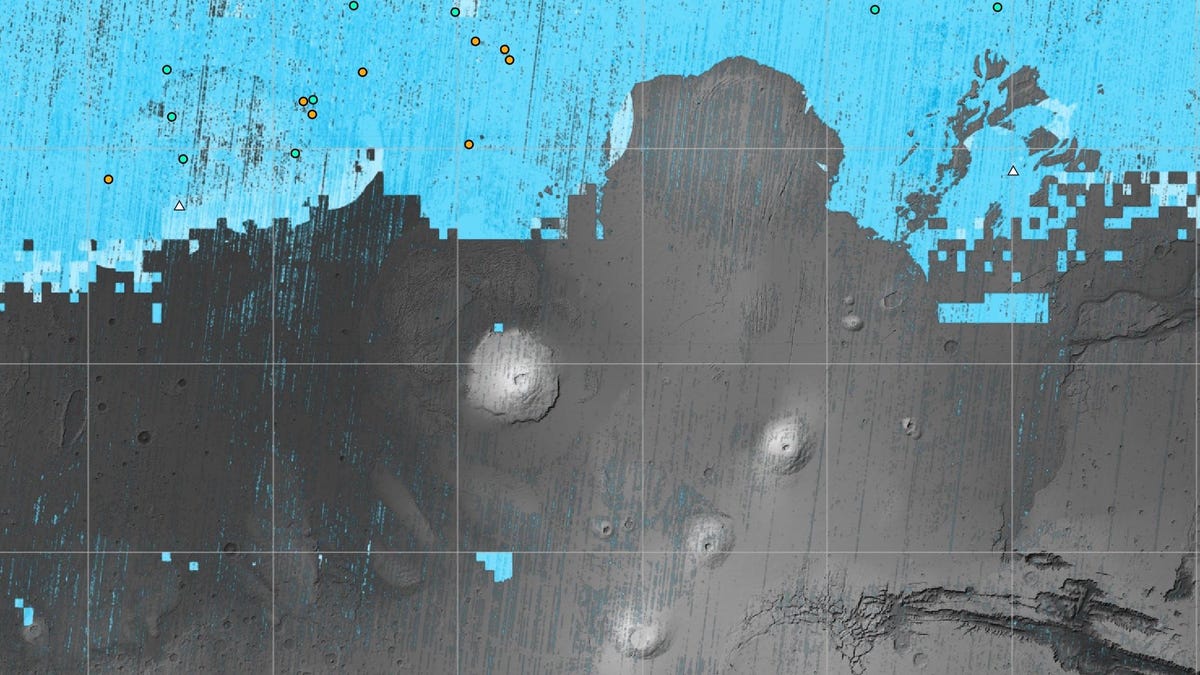
The NASA-funded Subsurface Water Ice Mapping project (SWIM) has released its most detailed map yet of subsurface water on Mars, identifying regions where ice may be buried beneath the surface for future astronauts to use. The map, created using data from NASA missions including the Mars Reconnaissance Orbiter, Mars Odyssey, and Mars Global Surveyor, reveals the possible locations of subsurface ice. The map shows that the ideal landing spot for future missions would be at the southernmost edge of the northern mid-latitudes region, where it is close enough to the buried ice but also not too far from the equator for slightly warmer weather. Subsurface ice is a valuable resource for astronauts, as it can be used for drinking water and making rocket fuel. The map could also provide insights into Mars' climate history.
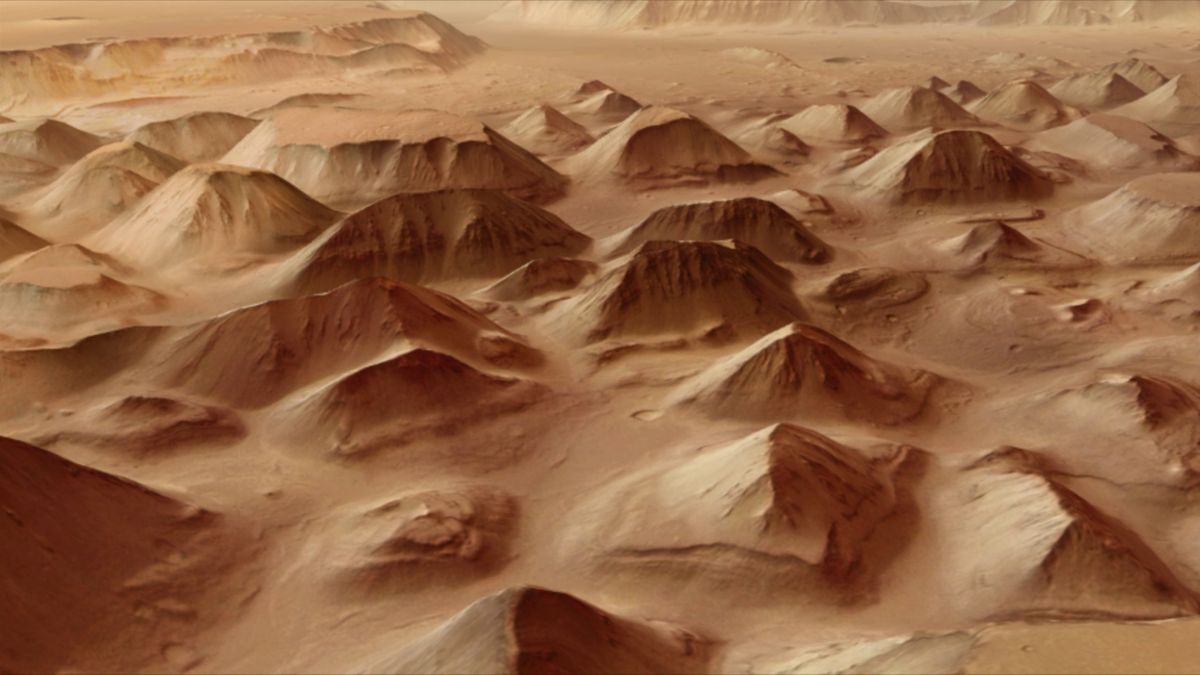
Planetary scientists have identified what they believe to be the remnants of a Martian mud lake in Hydraotes Chaos on Mars, suggesting the possibility of hidden signs of life. The study indicates that a surge of water from a buried reservoir may have created the mud lake, leaving behind potential biosignatures. Future missions could examine the sediment in the area for further evidence of past life on Mars.
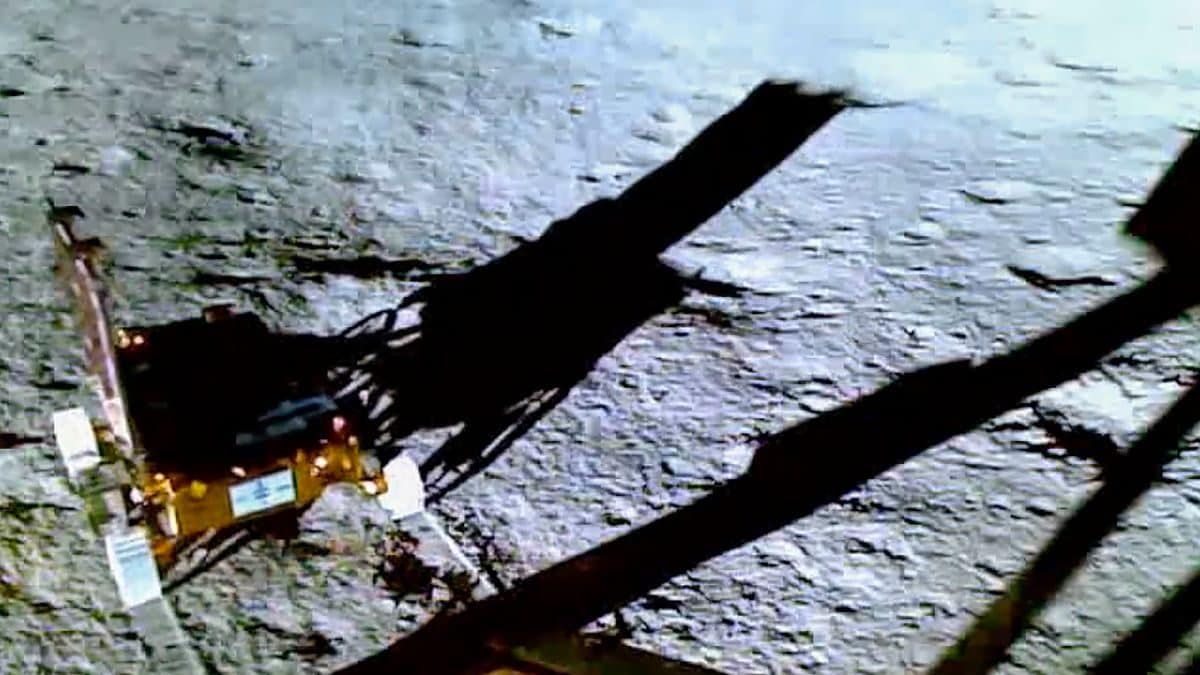
The Indian Space Research Organisation (ISRO) is planning future lunar missions capable of returning samples to Earth based on the findings from Chandrayaan-3, particularly the successful hop experiment carried out by the Vikram lander on the Moon's surface. The hop was a demonstration of the larger plan, and ISRO aims to develop systems that can undertake a return flight. This achievement enthuses future sample return and human missions, as only a few countries have demonstrated the ability to make the hop.
As the Indian Space Research Organisation (ISRO) awaits communication from the Chandrayaan-3 lander (Vikram) and rover (Pragyan), scientists are analyzing the data sent by the instruments on board. One of the key findings expected is new knowledge about the lunar soil, which could be valuable for future missions, including those involving human exploration of the Moon. The optimal conditions for the systems to wake up are a sun elevation angle of 6° to 9° and a rise in temperature. If the lander and rover wake up, it will provide additional data, but even the existing data is expected to yield new insights. Scientists are studying various parameters such as surface characteristics, seismicity, temperature, and regolith properties to understand the lunar topsoil better.
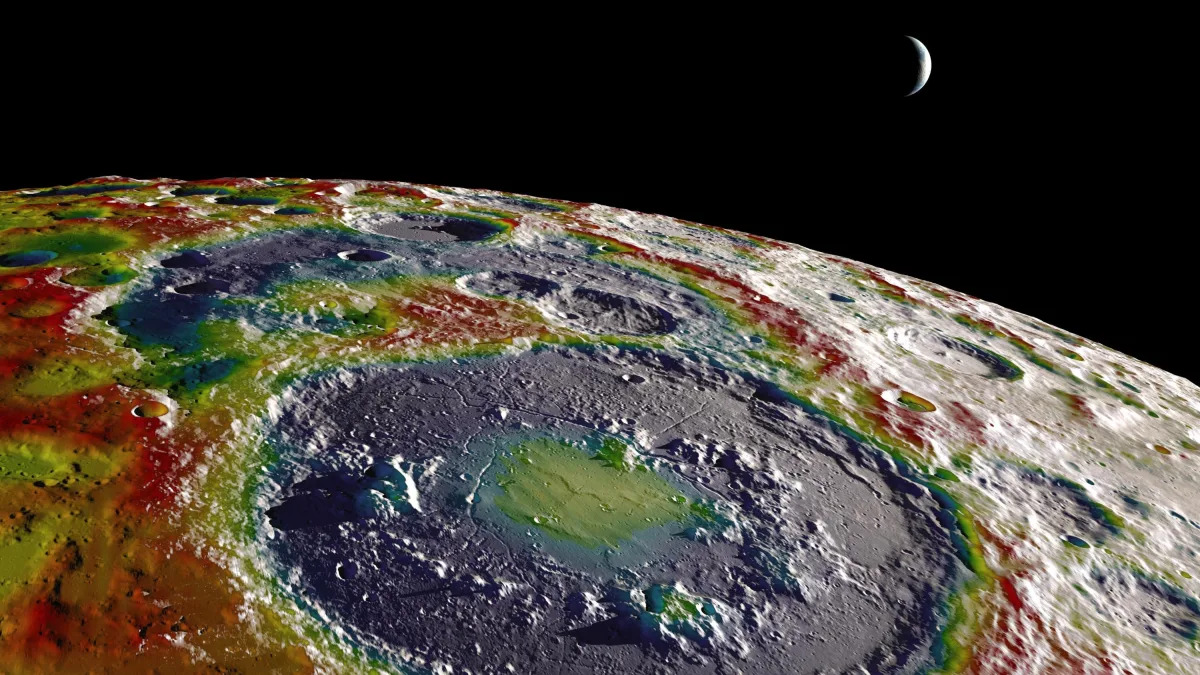
Interest in visiting the moon is surging once again, with spacefaring nations focusing on the lunar south pole due to the potential abundance of frozen water that could be used for life support and rocket fuel. India recently became the first nation to touch down near the lunar south pole, while Russia's attempt ended in a crash. China and NASA also have plans to send missions to the lunar south pole in the coming years. The goal for many nations is not just to visit, but to establish a permanent presence on the moon, using local resources for life support and manufacturing. This pursuit will also serve as a stepping stone for future missions to Mars.
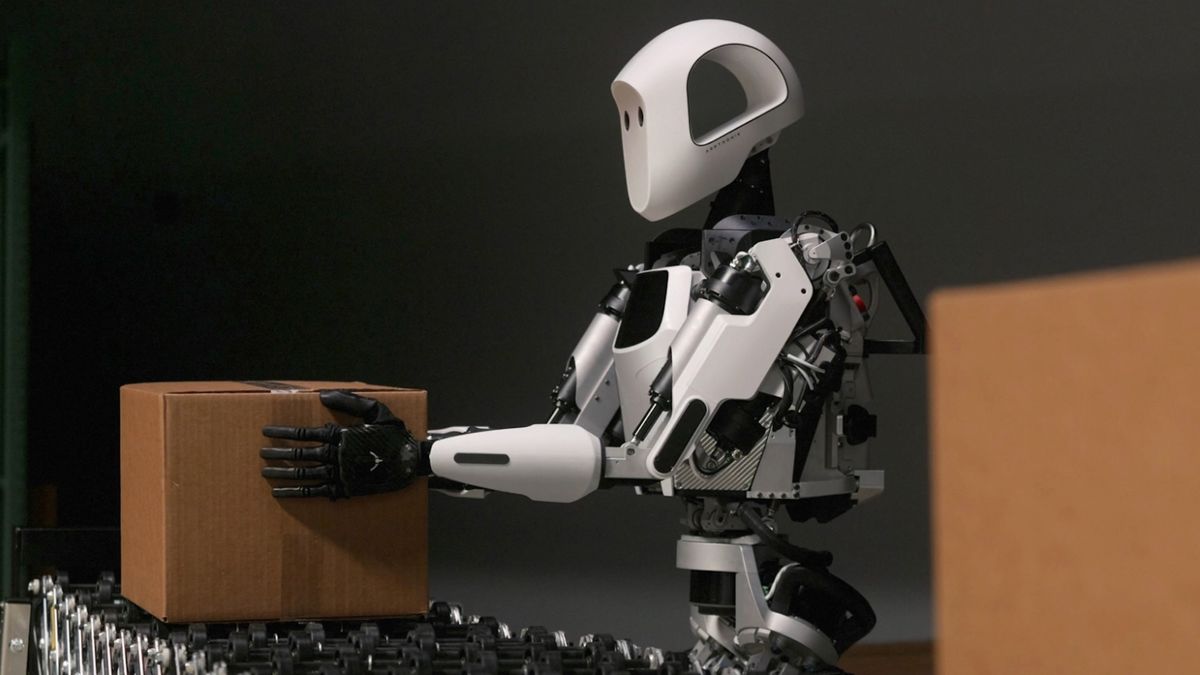
NASA is collaborating with Texas-based robotics firm Apptronik to develop humanoid robots, such as the Apollo robot, for use in space exploration. These robots could assist astronauts with tasks on the moon, Mars, and even orbit, potentially functioning as remote-controlled "avatars" for human operators on Earth. The modularity of the Apollo robot allows for adaptability and customization, making it suitable for various tasks. Incorporating robots into future missions could enhance scientific pursuits, reduce costs, and create a sustainable human presence on other celestial bodies. The collaboration between NASA and Apptronik is expected to benefit the economy and advance robotics technology for broader applications on Earth.
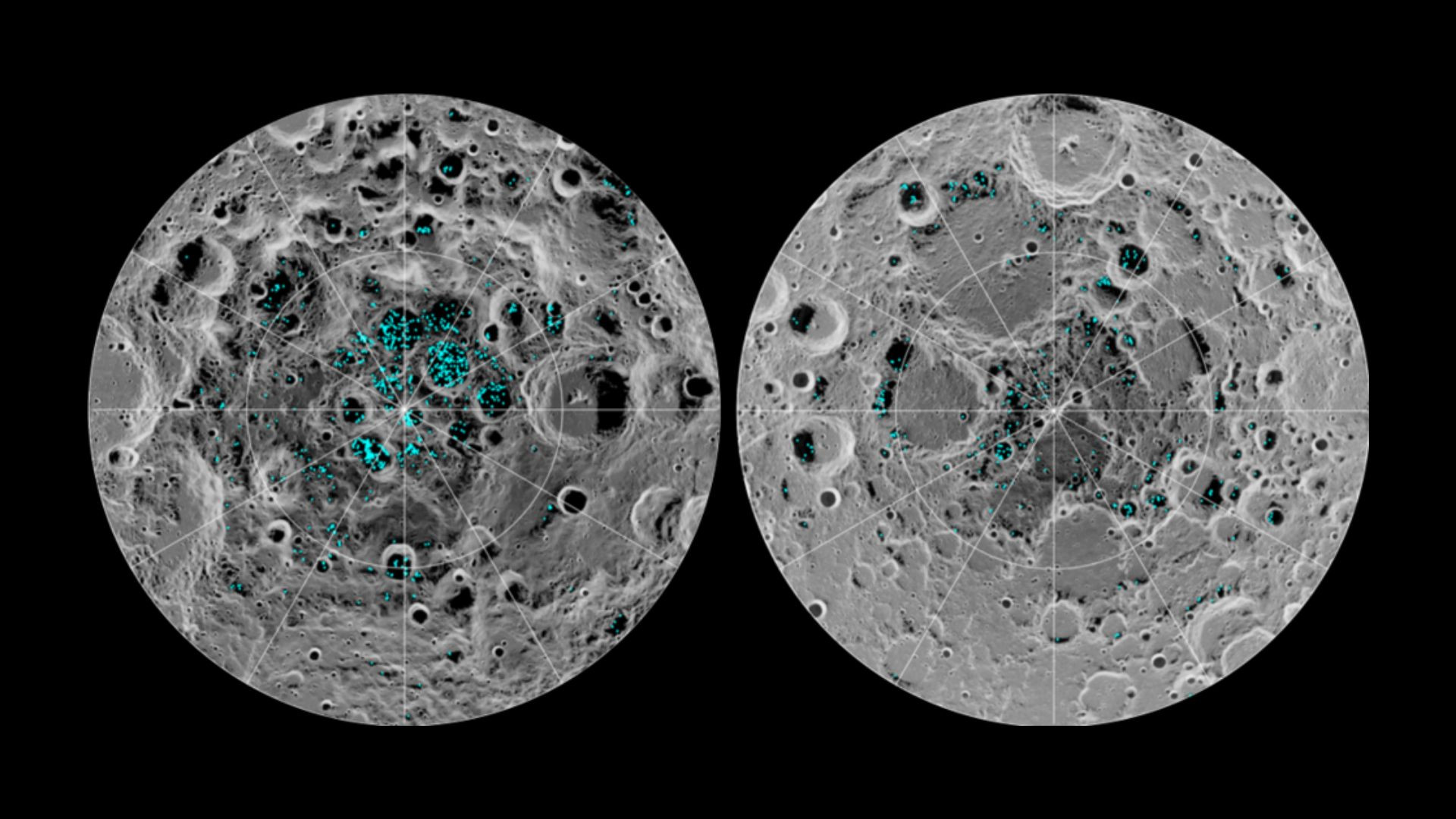
A new study led by Senior Scientist Norbert Schorghofer reveals that most of the Moon's permanently shadowed regions (PSRs), previously believed to contain ancient ice, are actually much younger than previously estimated. This discovery has significant implications for lunar exploration, as it recalibrates our understanding of the Moon's geology and the potential availability of water ice for future missions.
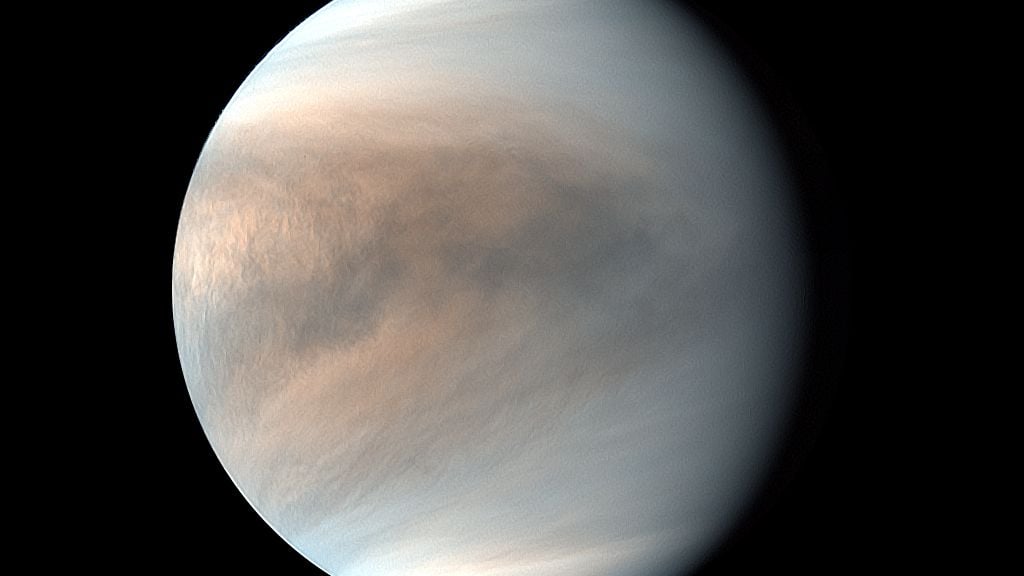
A new study suggests that the intriguing light flashes observed on Venus, previously thought to be lightning strikes, may actually be caused by meteors burning up in the planet's atmosphere. The study compared the number of flashes recorded by two surveys with the estimated number of meteors raining on Venus, and found that the space rocks burning up about 62 miles from the planet's surface could be responsible for most, if not all, of the observed flashes. This finding is important for future missions to Venus, as it suggests that lightning is not a significant threat to probes descending through the planet's atmosphere, but may pose a slightly higher risk for long-lived aerial platforms hovering in the clouds.
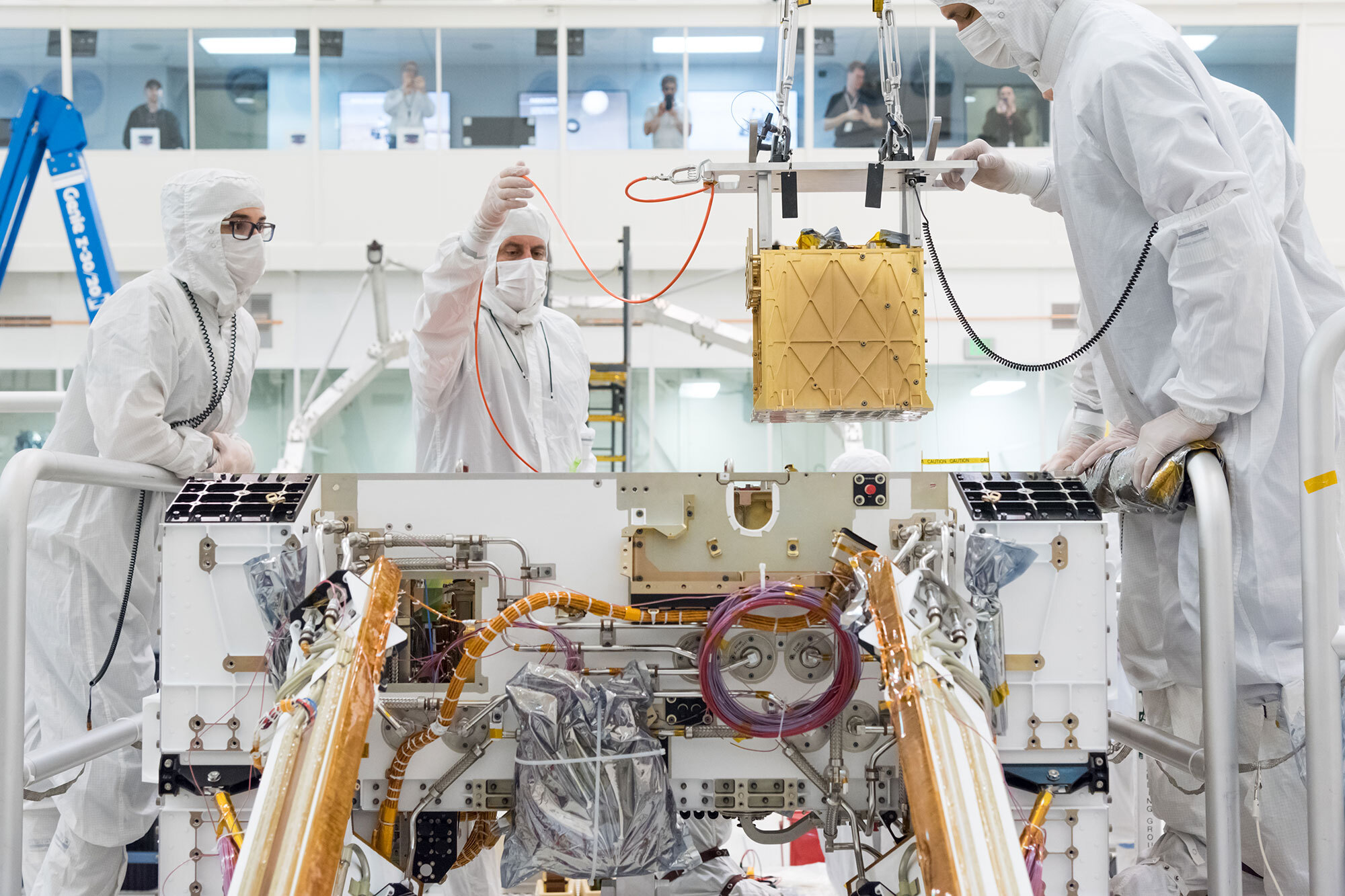
NASA's MOXIE (Mars Oxygen In-Situ Resource Utilization Experiment) aboard the Perseverance rover has successfully generated oxygen on Mars, proving its viability for future human missions. MOXIE has produced a total of 122 grams of oxygen during its 16 runs, exceeding expectations and demonstrating the potential to extract oxygen from Mars' atmosphere for breathable air and rocket propellant. The technology could enable astronauts to "live off the land" on Mars, reducing the need to transport large quantities of oxygen from Earth. NASA plans to develop a full-scale system that includes an oxygen generator and a way to liquefy and store the oxygen.