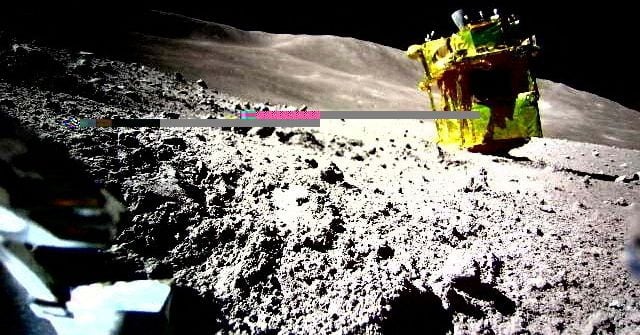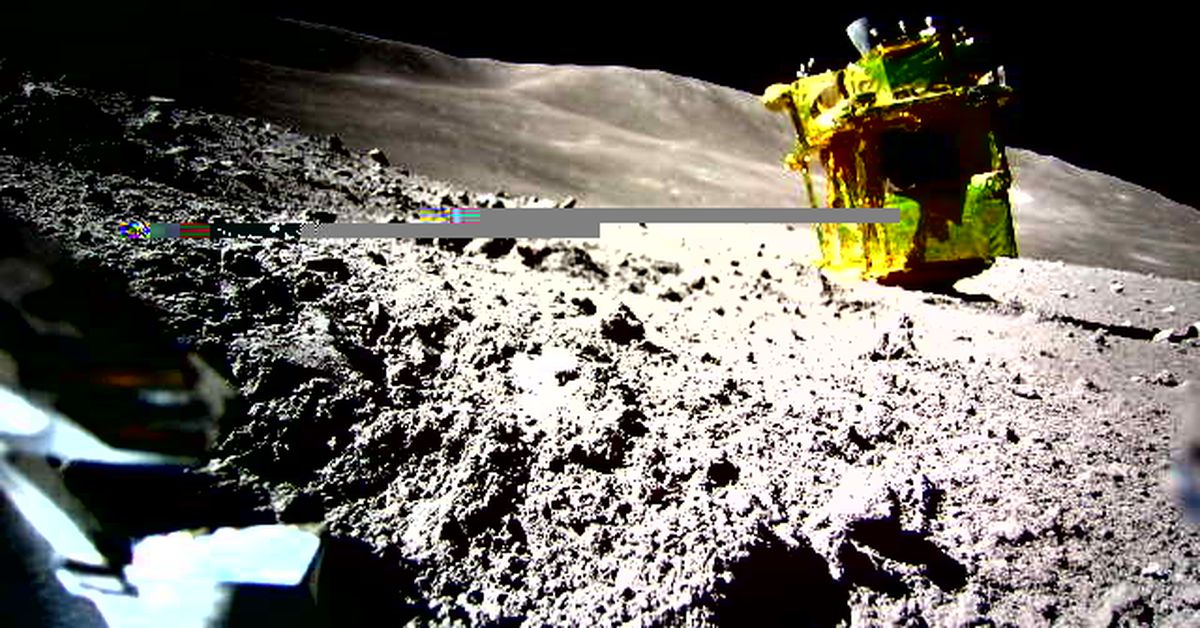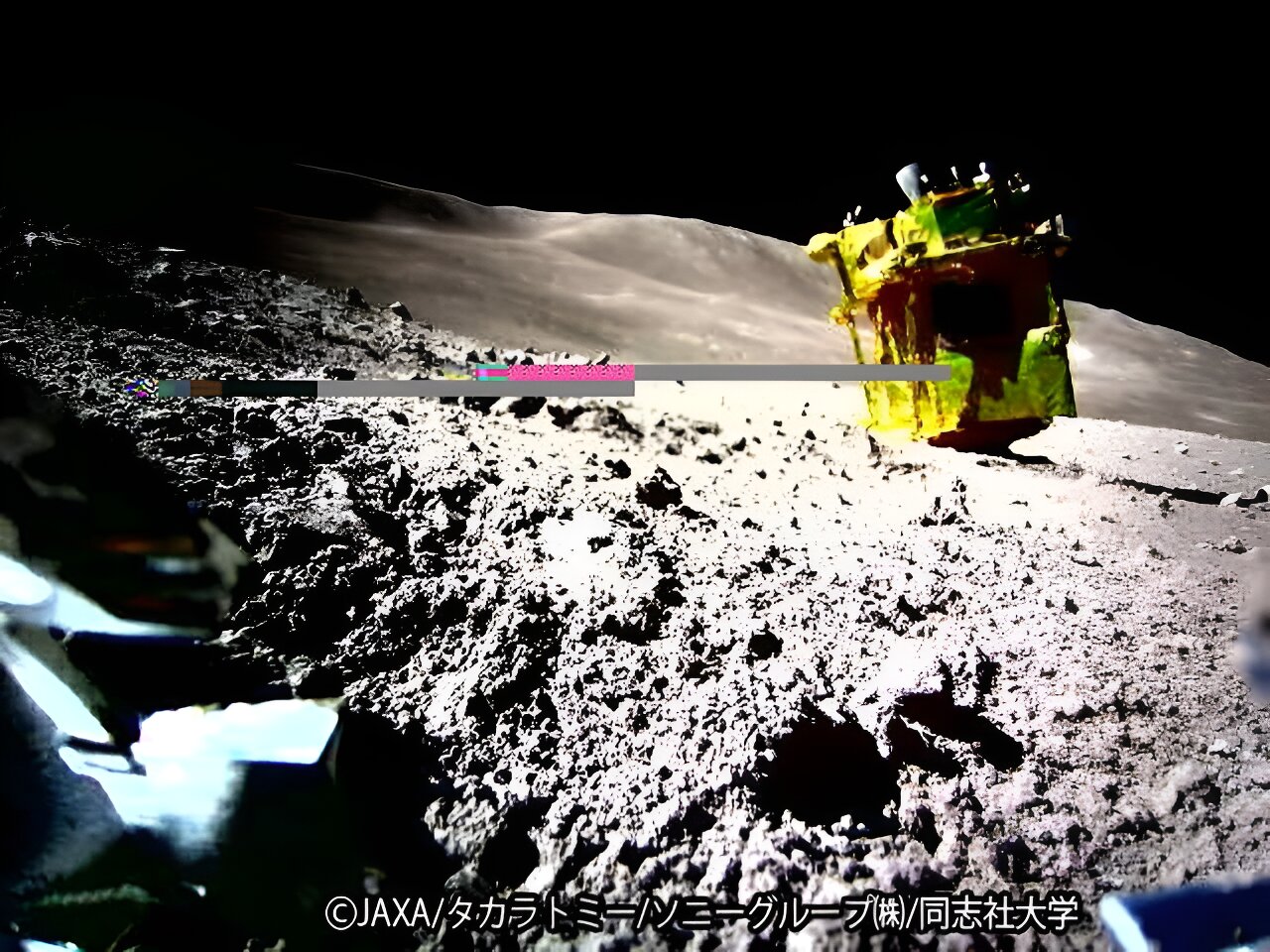
Japan's moon lander, the Smart Lander for Investigating Moon (SLIM), has survived a second lunar night and transmitted new images back to Earth, despite landing at a wonky angle that left its solar panels facing the wrong way. The Japan Aerospace Exploration Agency (JAXA) announced the probe's surprise awakening and shared images of the lunar surface. This success comes after a string of high-profile failures in Japan's space missions, making SLIM's survival a cause for celebration for the space agency.
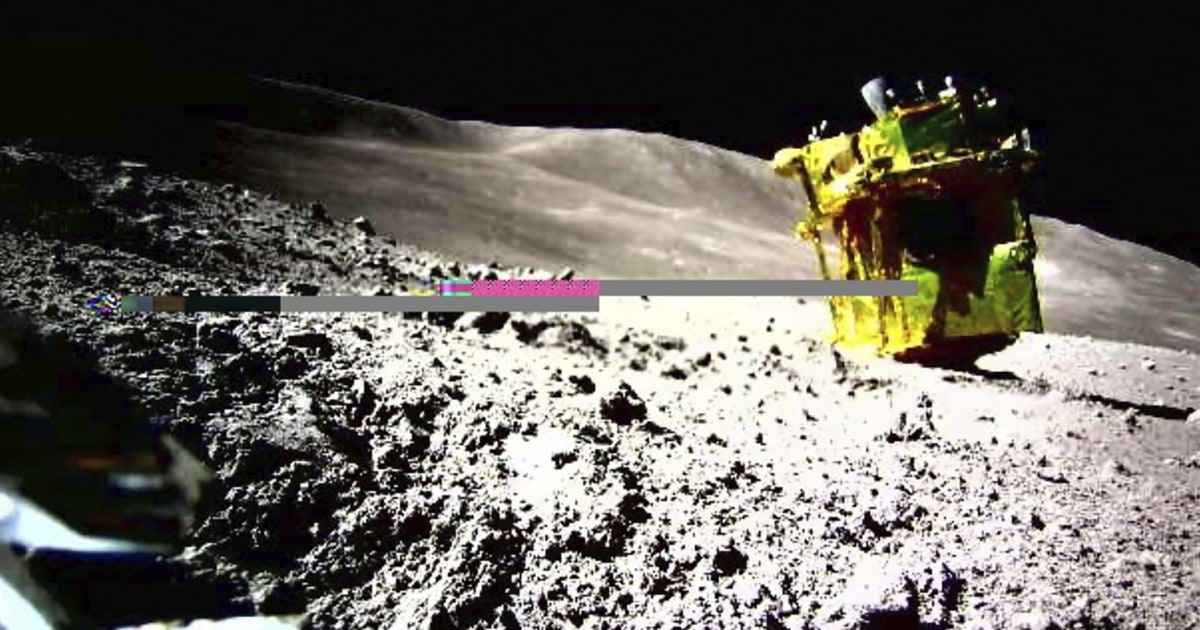
Japan's SLIM moon lander, which made a historic touchdown on the lunar surface last month, unexpectedly survived a freezing lunar night and re-established communication with Earth, more than a month after its initial landing. The spacecraft, operated by Japan's space agency, had run out of power shortly after landing but regained electricity when its solar panels received sunlight from a different direction, despite not being designed to survive a lunar night.
Japan's SLIM moon lander, which made a historic touchdown on the moon last month, unexpectedly survived a freezing lunar night and re-established communication with Earth after running out of power due to its tipped-over position. The spacecraft's solar panels regained electricity more than a week later, marking a significant achievement for Japan's space agency as countries and businesses race for the moon in search of resources and human habitability.
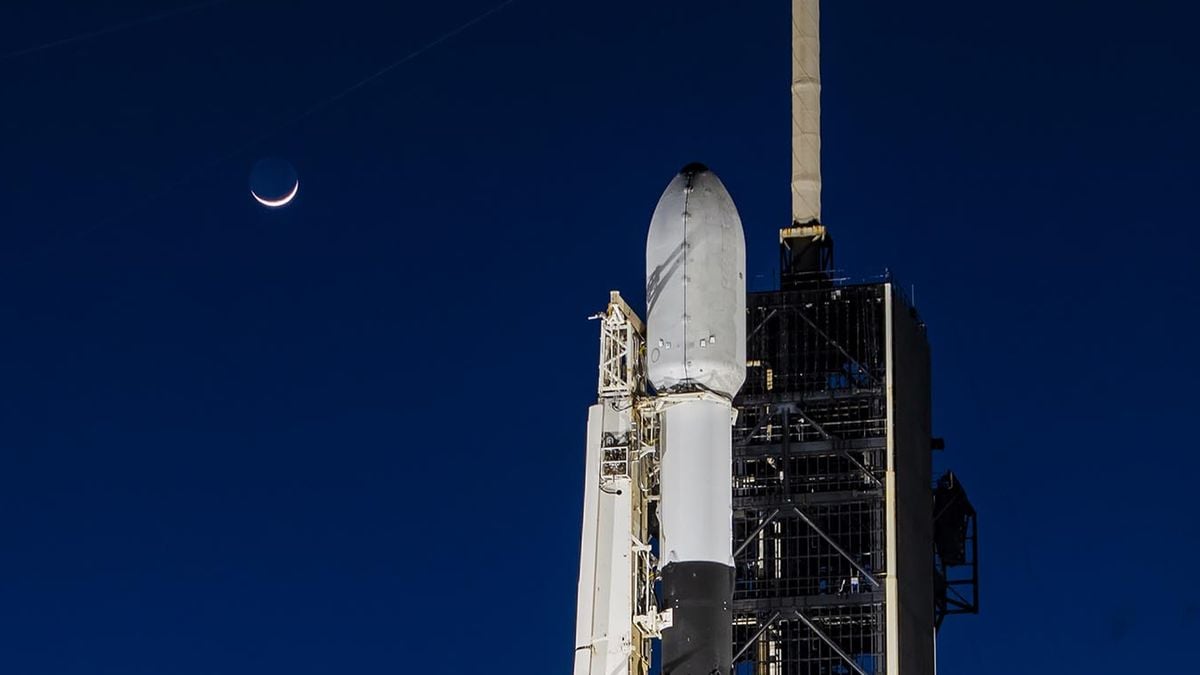
Valentine's Day 2024 will feature three rocket launches, including a private moon probe by SpaceX for Intuitive Machines, a classified payload for the U.S. Space Force, and a Russian Progress cargo ship launch to the International Space Station. Additionally, a congressional hearing will discuss NASA's plans to retire the ISS and develop private U.S. space stations as a replacement.
Japan's moon explorer, SLIM, has resumed its mission after being without sunlight to generate power. The probe is now taking pictures of the Moon's surface and analyzing the composition of olivine rocks with its multi-band spectral camera. The mission aims to gather clues about the Moon's origin and evolution. Despite a rough landing and initial challenges, the probe is back to work and is expected to continue operations for several earth days.
Japan's Smart Lander for Investigating Moon (SLIM) has regained power after landing upside-down on the Moon nine days ago, allowing the resumption of operations to investigate the Moon's origins. The Japan Aerospace Exploration Agency (JAXA) re-established communication with the spacecraft and predicted that a change in sunlight direction could recharge its battery from its awkwardly angled solar panels. Despite the landing issues, the successful soft landing makes Japan the fifth nation to land a spacecraft on the moon, showcasing vision-based "pinpoint" landing technology for future Lunar exploration.
NASA released images of Japan's SLIM moon probe taken by the Lunar Reconnaissance Orbiter, showing a change in reflectance due to engine exhaust after a successful pinpoint landing, making Japan the fifth country to land a spacecraft on the moon. Although SLIM faced orientation and power generation issues, it managed to deploy a robot and take an image of itself on the Moon's surface.
On January 9, 1973, the Soviet Union launched an unmanned satellite, Luna-21, towards the moon as part of its scientific exploration of the lunar environment. The satellite was first placed in orbit around the Earth before being sent towards the moon, with all systems reported to be working normally. This mission followed the successful launch of Luna-20 in February 1972, which collected samples of lunar rock and returned to Earth. Luna-21's main purpose was to further scientific studies of the moon and near-lunar space in line with the Soviet space study program.
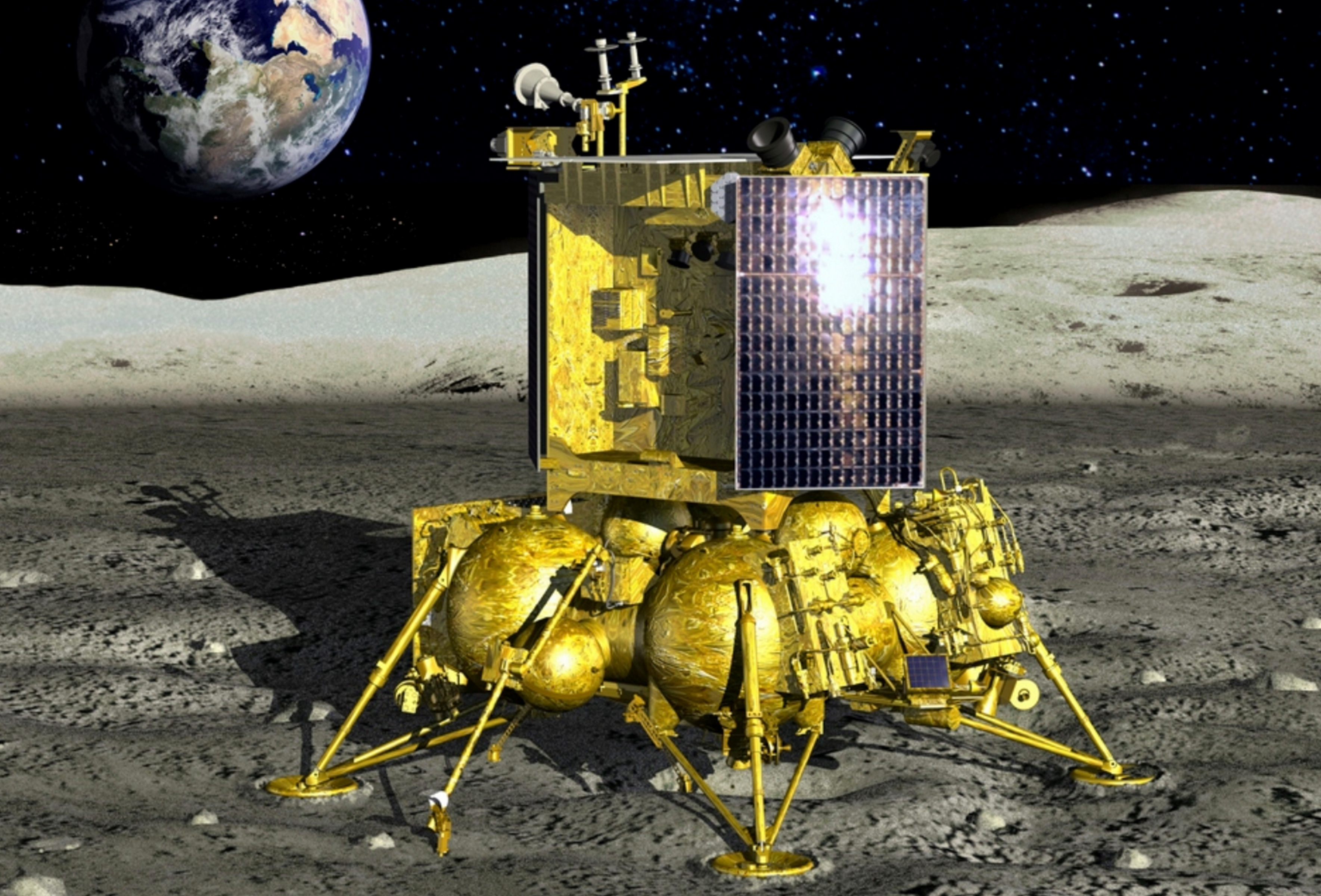
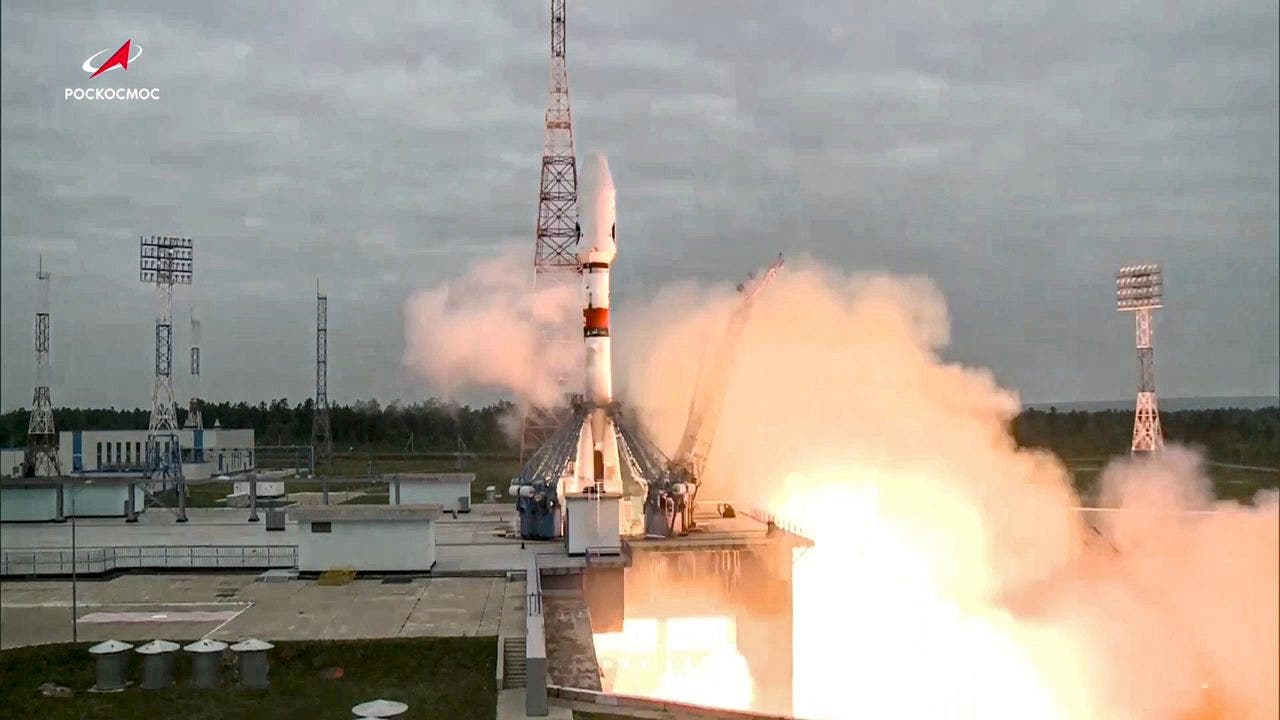
Russia's Luna-25 mission, its first lunar expedition since 1976, failed due to a malfunction in the probe's control unit, according to Roscosmos. The malfunction in the BIUS-L angular velocity measuring unit caused the propulsion system to blast for longer than planned, resulting in the spacecraft colliding with the lunar surface. The admission suggests that Western-imposed sanctions played a role, as Russia struggled to replace imported technology. A source familiar with Russia's military tech import networks claimed that corruption in government agencies contributed to the failure, as attempts to procure critical technology from the US and allies were hindered by sanctions, leading to the use of domestically-produced alternatives.
Russia's Luna-25 moon probe has successfully entered the moon's orbit, marking the country's first lunar mission since 1976. The spacecraft will circle the moon for approximately 5 days before attempting a touchdown on August 21. The mission aims to search for frozen water on the lunar surface, but its significance lies in the political competition between superpowers like China and the USA for space dominance. This mission, administered by Roskosmos, is unique as it plans to land on the moon's south pole, a previously unexplored area. The success or failure of this mission will set the tone for future Russian space endeavors.