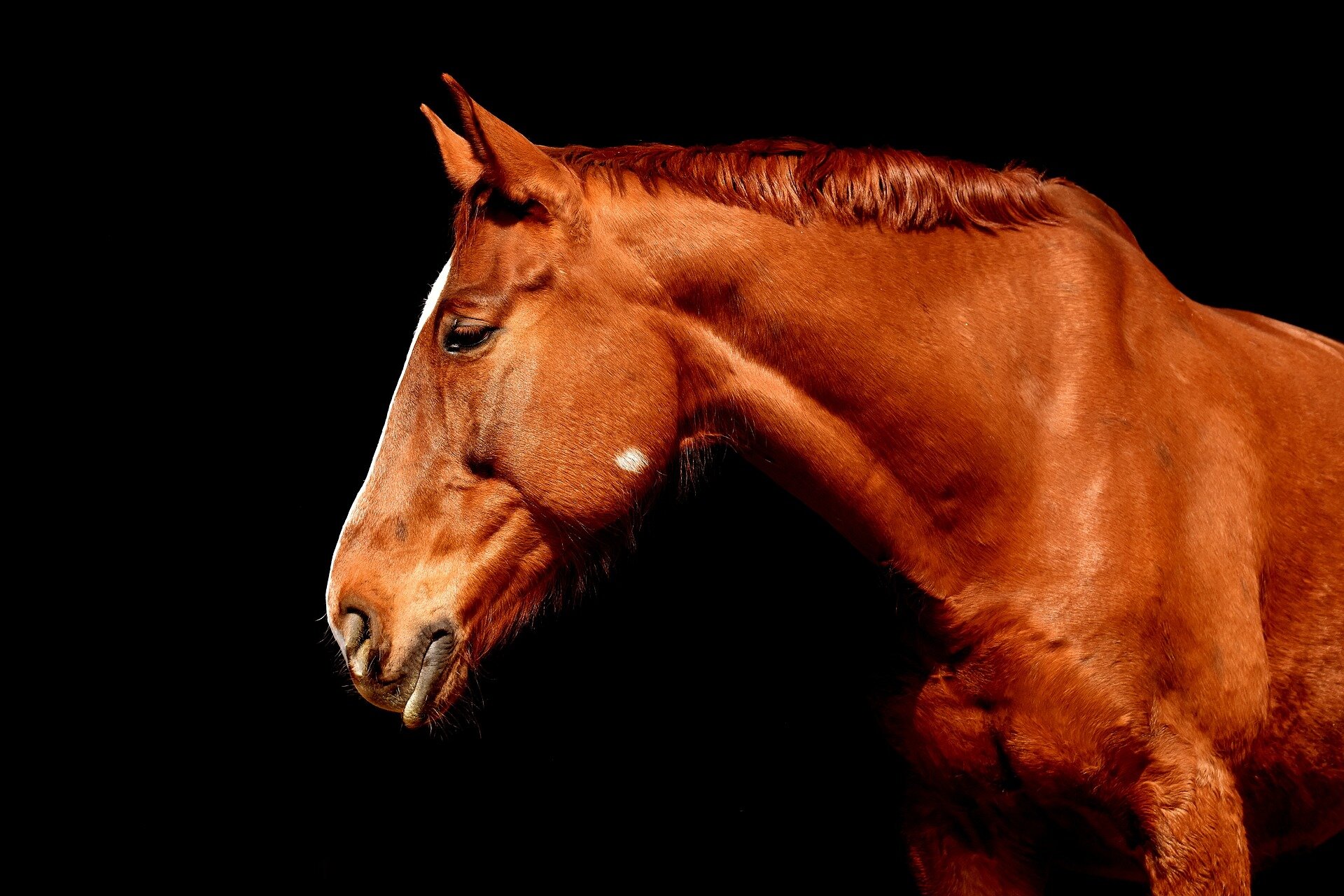
A new study suggests that a single genetic mutation in the GSDMC gene played a key role in transforming wild horses into rideable domesticated animals around 4,200 years ago, by enhancing their body structure and locomotion capabilities.
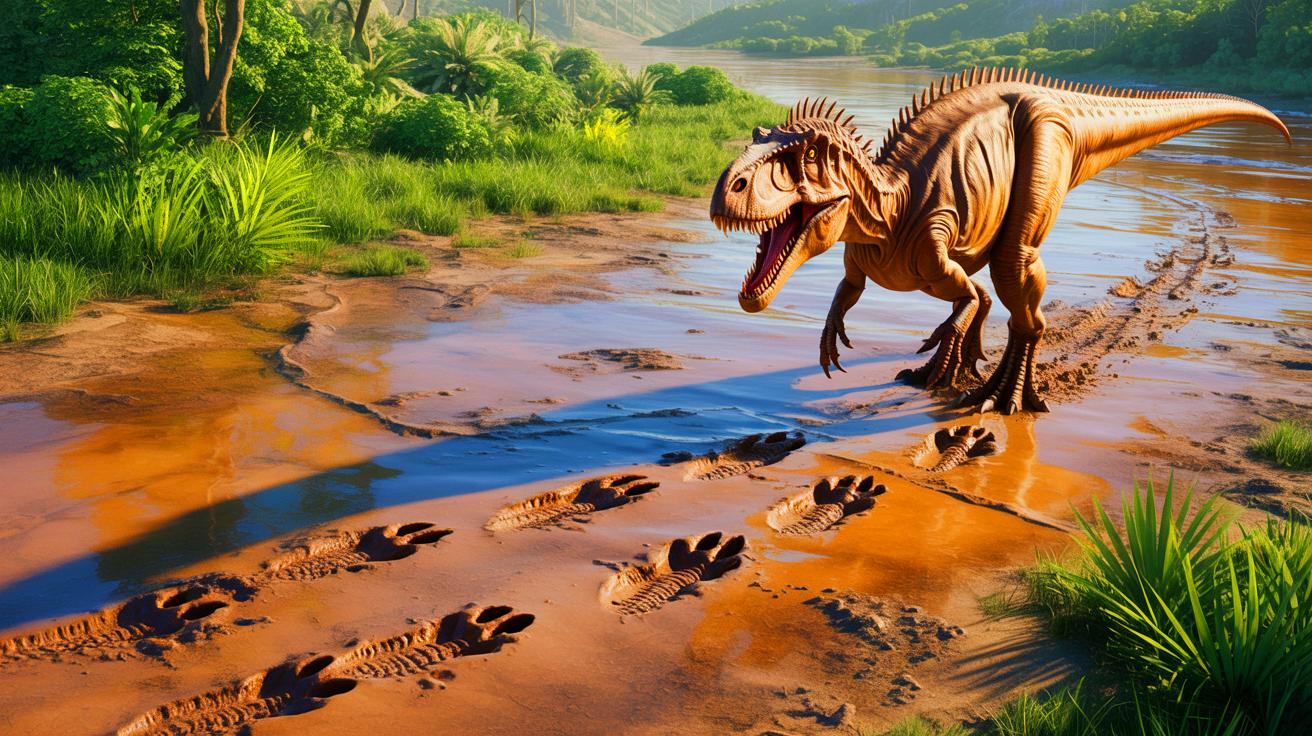
A new study suggests that previous estimates of dinosaur speeds based on fossil trackways may have been significantly overstated due to the influence of soft, muddy substrates, as demonstrated by modern bird experiments, prompting a reevaluation of dinosaur behavior and movement.
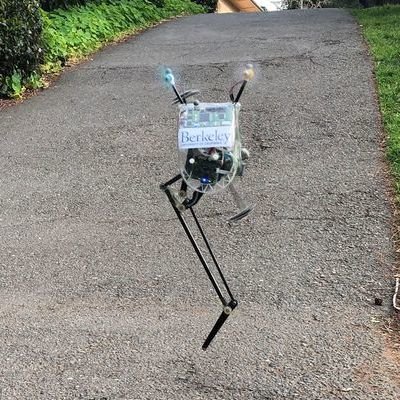
UC Berkeley researchers developed SALTO, a small, one-legged pogo robot capable of hopping up to 8 miles per hour, designed for navigating challenging terrains and potential space exploration, inspired by animals like kangaroos and squirrels, with applications ranging from disaster rescue to exploring moons like Enceladus.
Researchers at the University of Cologne have discovered that the rhythmic activation of nerve cells controlling leg muscles in stick insects is specific to each motor neuron pool, challenging previous assumptions about motor neuron activation. The study reveals that the depressor muscle's motor neurons receive unique rhythmic excitation, unlike other leg muscles, highlighting the role of central pattern generators (CPGs) in producing rhythmic movements and the complexity of neural networks in coordinating walking movements.
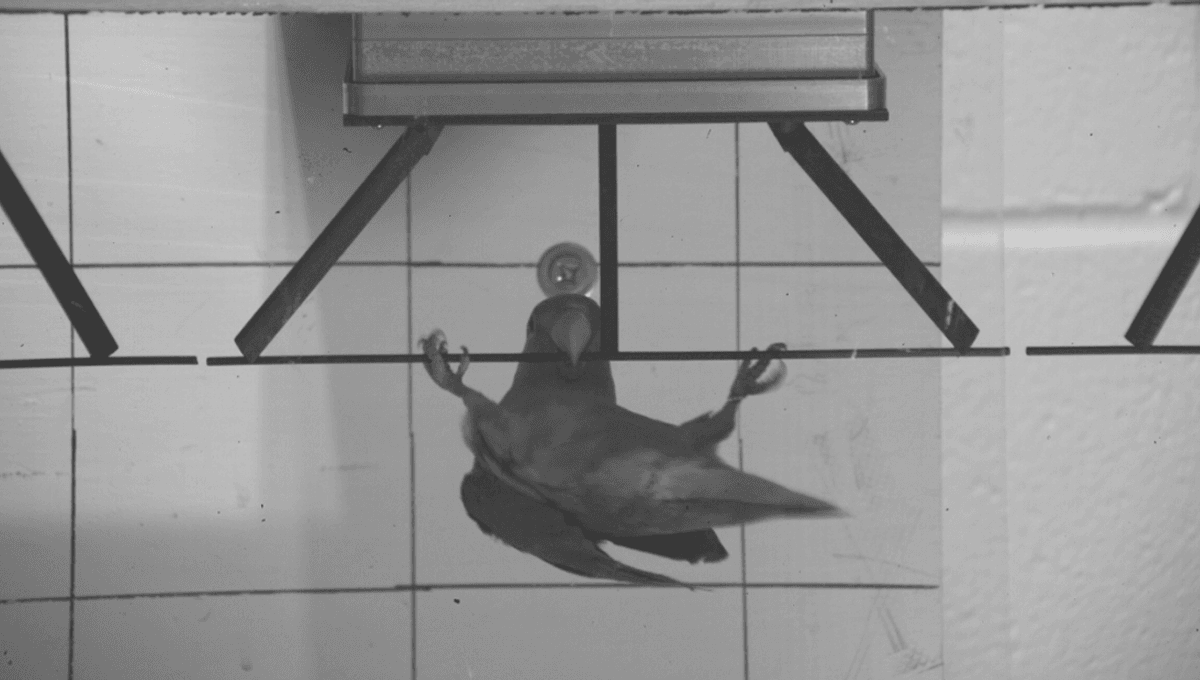
Researchers have observed a new method of locomotion in rosy-faced lovebirds called "beakiation," where the birds swing along a suspended pole using their beaks. This behavior, similar to how gibbons traverse tree tops, was discovered through experiments involving pressure plates and high-speed cameras. The force exerted on the beak during beakiation is comparable to that of a gibbon swinging through trees, but with a slower and more careful nature. This finding sheds light on the extraordinary capabilities of these birds and their beaks, and the study is published in the journal Royal Society Open Science.
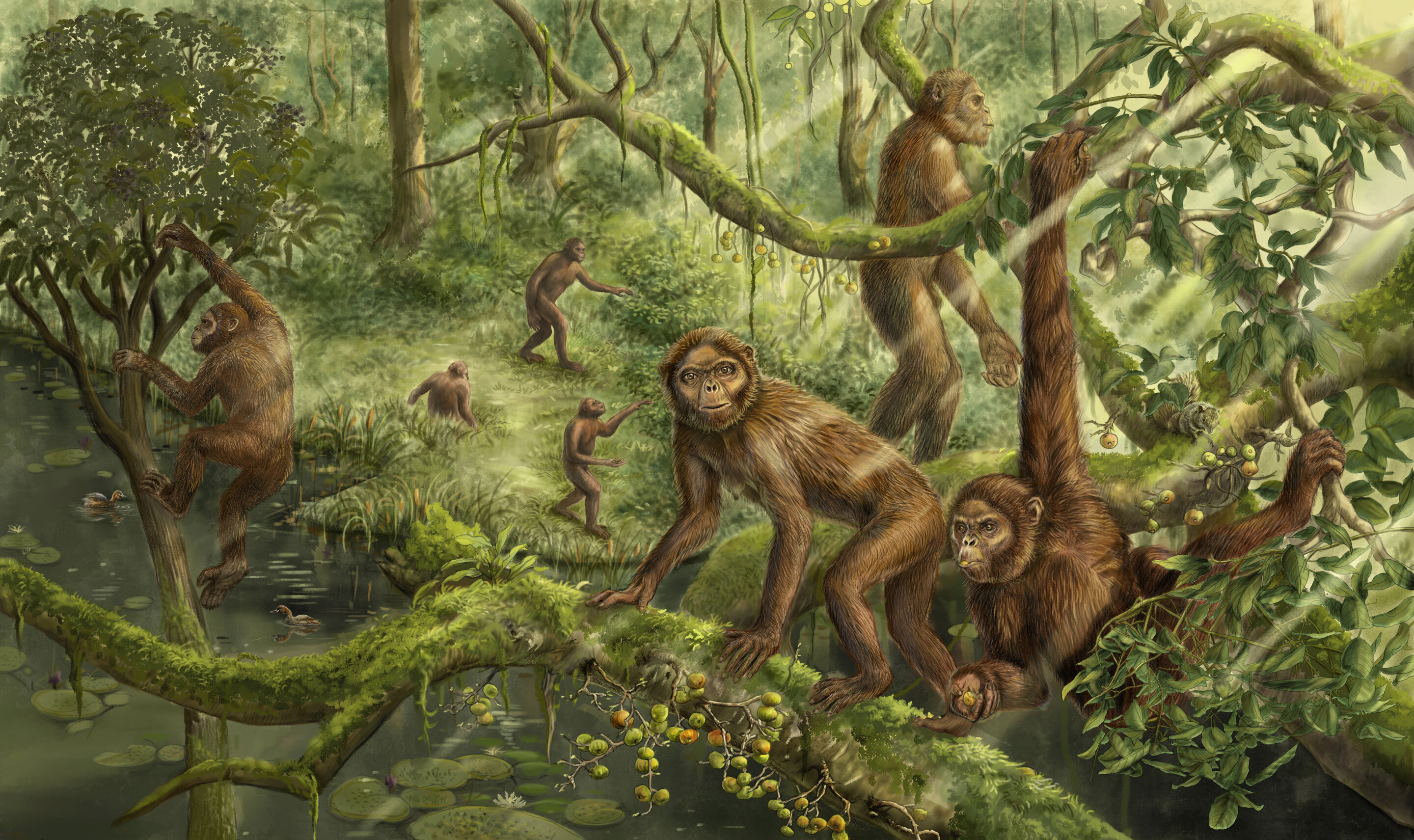
A study on the 6-million-year-old fossil ape, Lufengpithecus, sheds light on the evolution of human movement by analyzing its bony inner ear region using CT-scanning. The research suggests a three-step evolution of human bipedalism, indicating that the last common ancestor of apes and humans had a locomotor repertoire similar to Lufengpithecus, involving climbing, clambering, forelimb suspension, arboreal bipedalism, and terrestrial quadrupedalism. The study also proposes that climate change may have played a role in promoting the locomotor diversification of apes and humans.
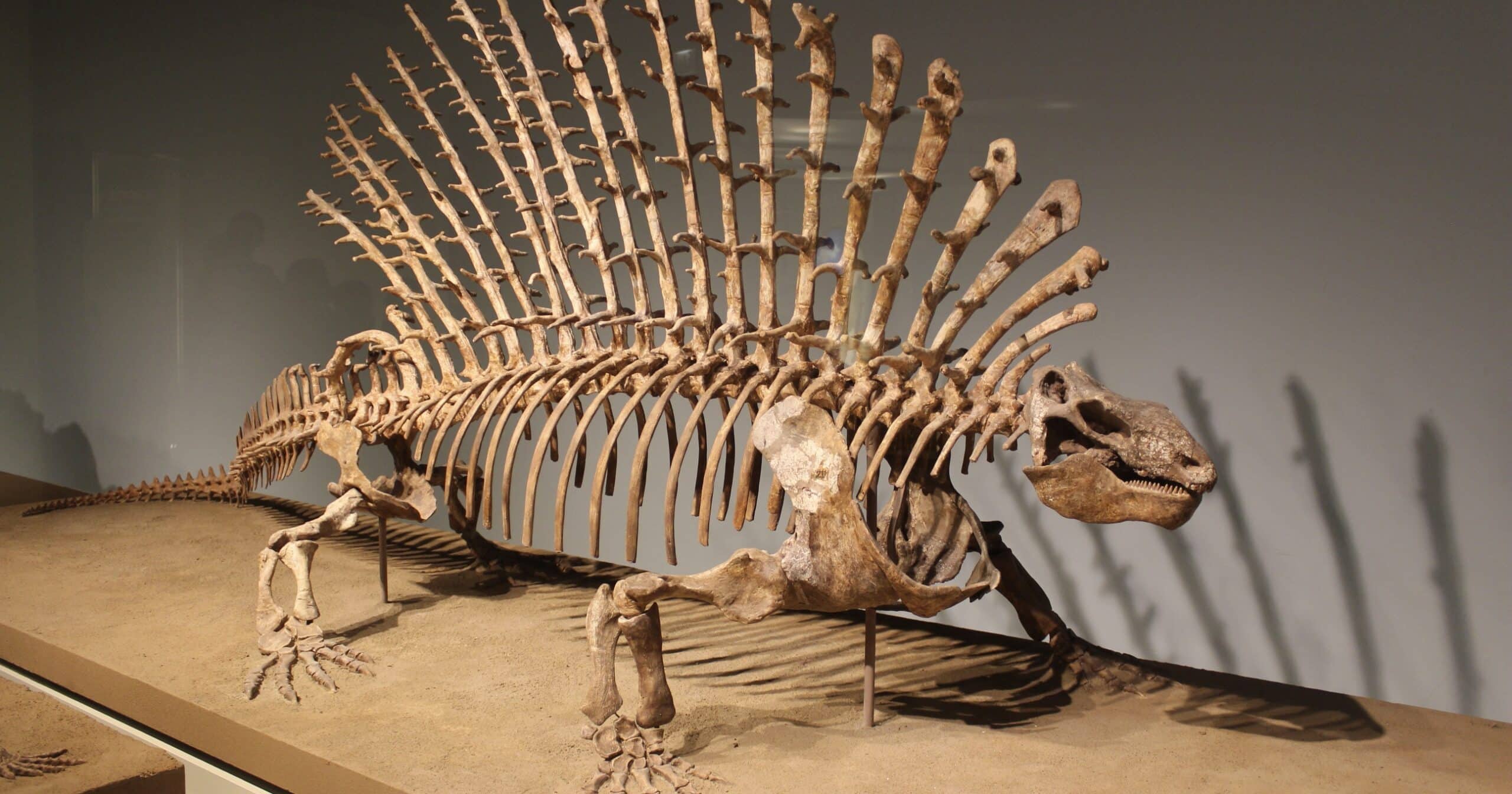
A new study led by Harvard challenges the widely accepted hypothesis that mammals evolved from reptile-like ancestors with a transition in locomotion posture from lateral to sagittal. The researchers argue that relying solely on modern animals for evolutionary hypotheses may lead to incorrect conclusions. They emphasize the importance of examining the fossil record to trace anatomical changes and understand the selective pressures that drove their evolution. The study highlights the need for empirical data from the fossil record to support evolutionary theories.
Scientists at MIT have developed soft-bodied robots that can walk, crawl, and swim using a simple magnetic field. These robots, made from flexible magnetic spirals and soft polymers, require only a minimal magnetic force for activation. This breakthrough in robotics allows for three-dimensional locomotion controlled by a one-dimensional magnetic field.
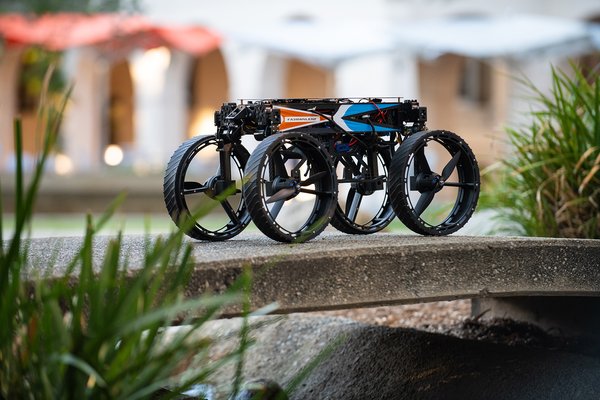
Researchers at Caltech have developed a bioinspired robot called M4 that can reconfigure its body to achieve eight distinct types of motion, including rolling, flying, walking, and standing on two wheels like a meerkat. The robot's flexibility of motion, coupled with artificial intelligence, allows it to choose the most effective form of locomotion based on the terrain ahead of it. The robot has been tested outdoors and has navigated the terrain of Caltech's campus.
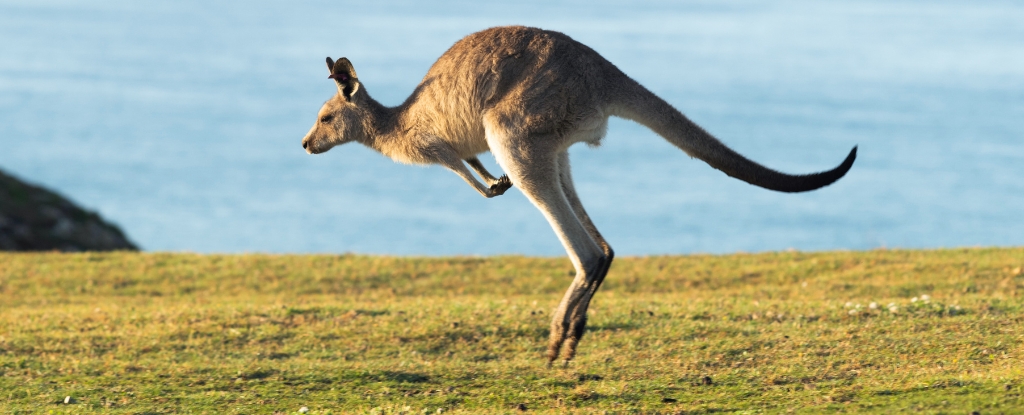
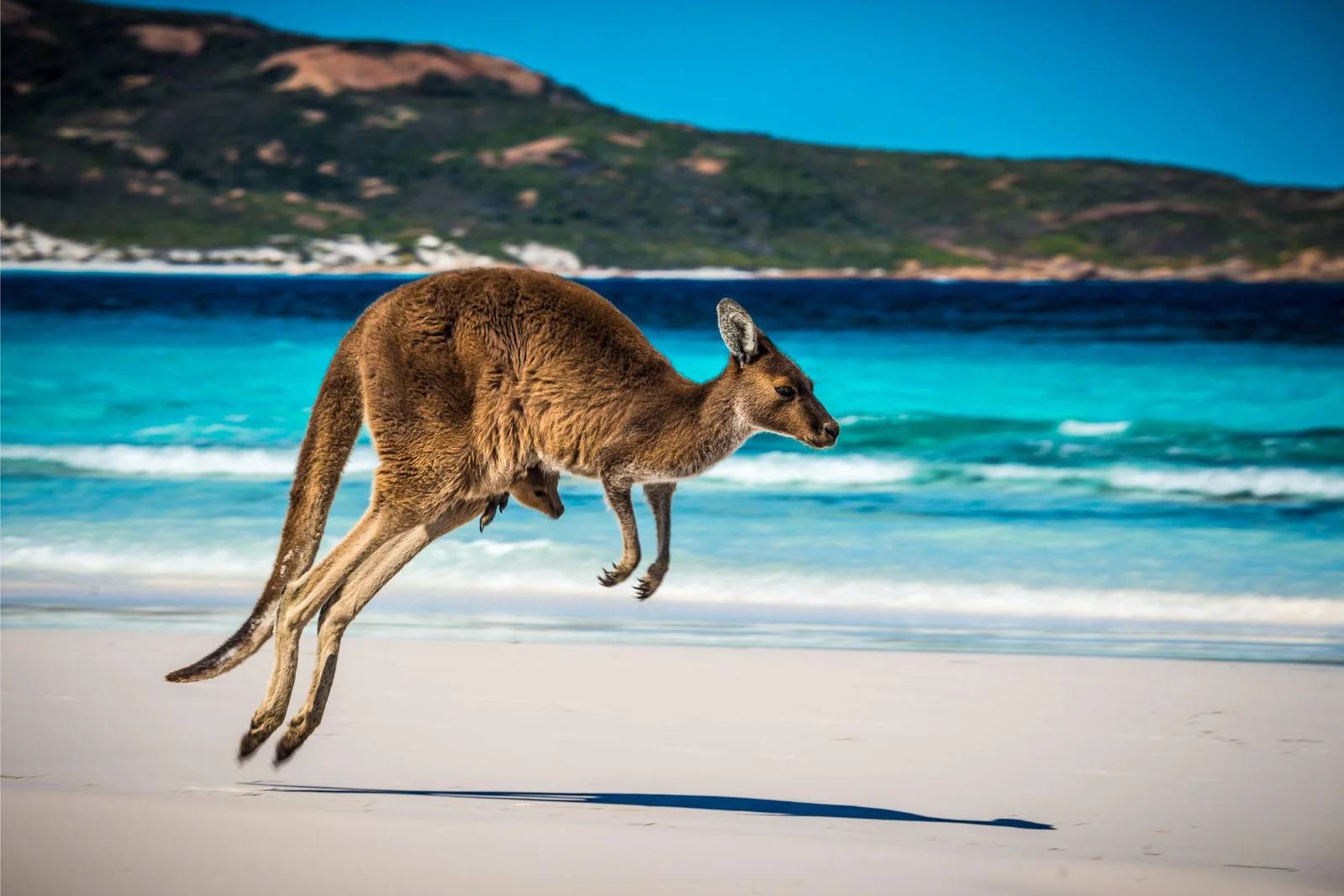
Scientists have found that extinct large kangaroos likely used other modes of transportation, like walking on two legs or all fours, and that modern large hopping kangaroos are the exception in kangaroo evolution. The researchers used fossil evidence and a new analysis of shin and ankle bone data to show how hop traits changed over time, separate from growing body mass. The study suggests that hopping is only one of many gait modes employed by kangaroos both in the past and today, and the fast endurance hopping of modern kangaroos should not be regarded as some 'evolutionary pinnacle'.
Extinct kangaroos displayed more diverse locomotion patterns than their modern counterparts, including quadrupedal bounding, climbing, and slower hopping, according to a review by researchers from the University of Bristol and the University of Uppsala. The study suggests that the high-speed endurance hopping seen in modern kangaroos was likely rare or absent in their ancestors, with many extinct species adopting alternative forms of movement, such as bipedal striding. The review is an extensive discussion of the fossil evidence of the locomotion of kangaroos and their relatives over the last 25 million years, and presents new analyses of limb bone and ankle bone metric data that add weight to previous locomotor hypotheses.
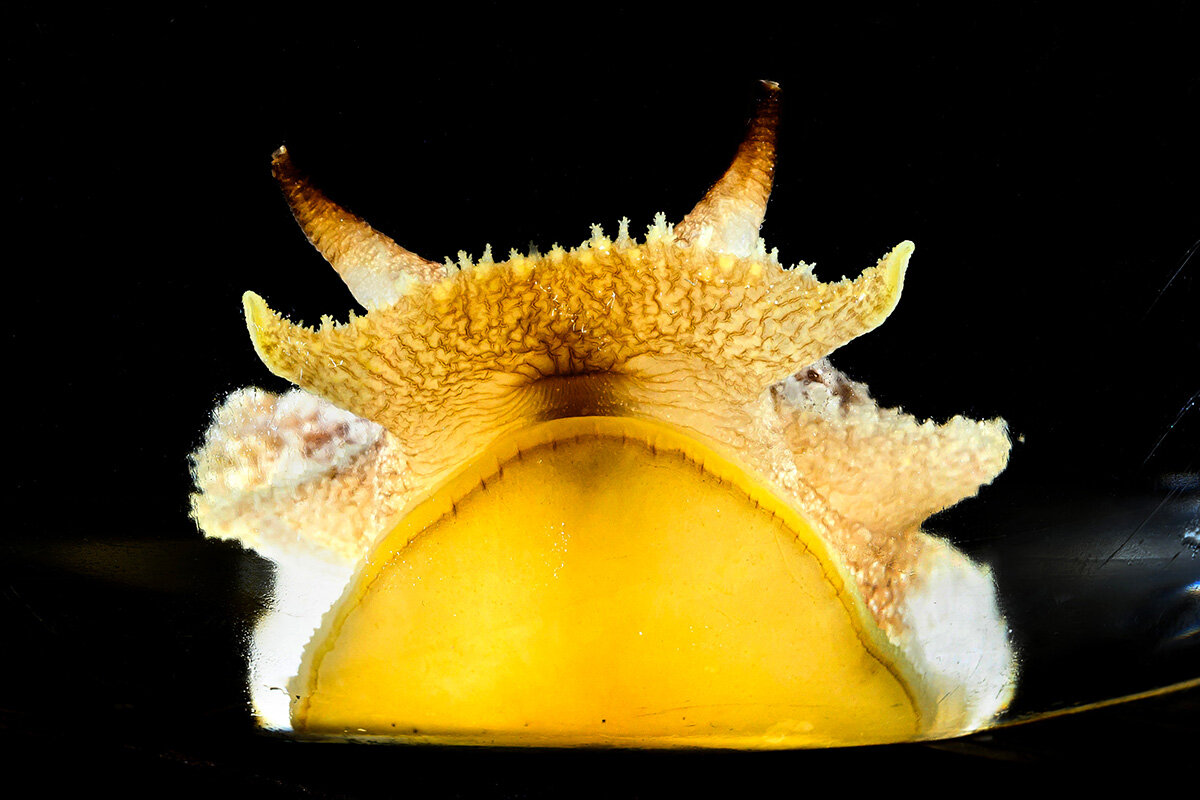
A new study finds that the brain architecture that drives locomotion in sea slugs is similar to that of more complex segmented creatures with jointed skeletons and appendages. The study suggests that the insects, crustaceans, and even vertebrates like mammals adapted a network of neurons, a module, that guided locomotion and posture in much simpler organisms. The circuits driving locomotion in animals with complex bodies and behaviors "have close functional analogies in the simpler gastropod mollusks and may share a common inheritance."