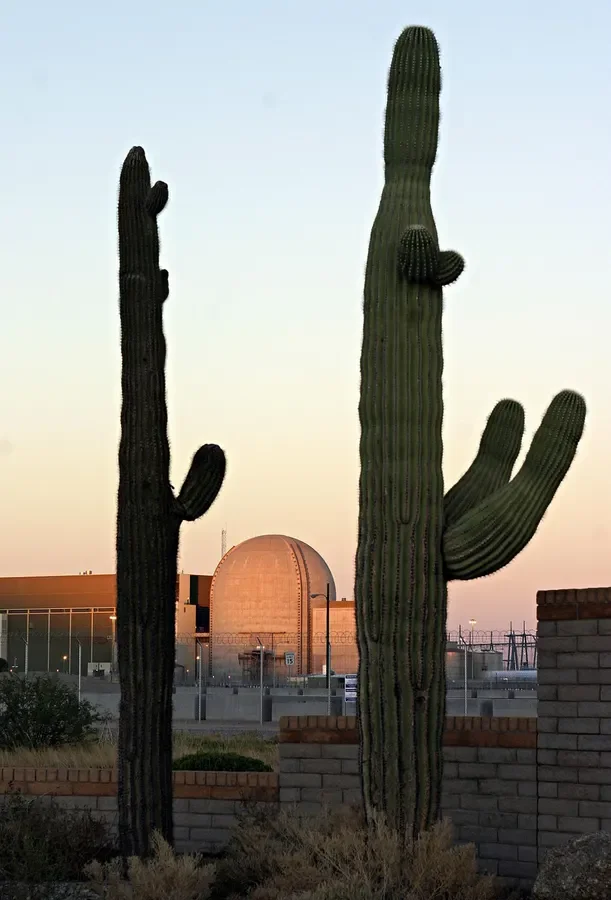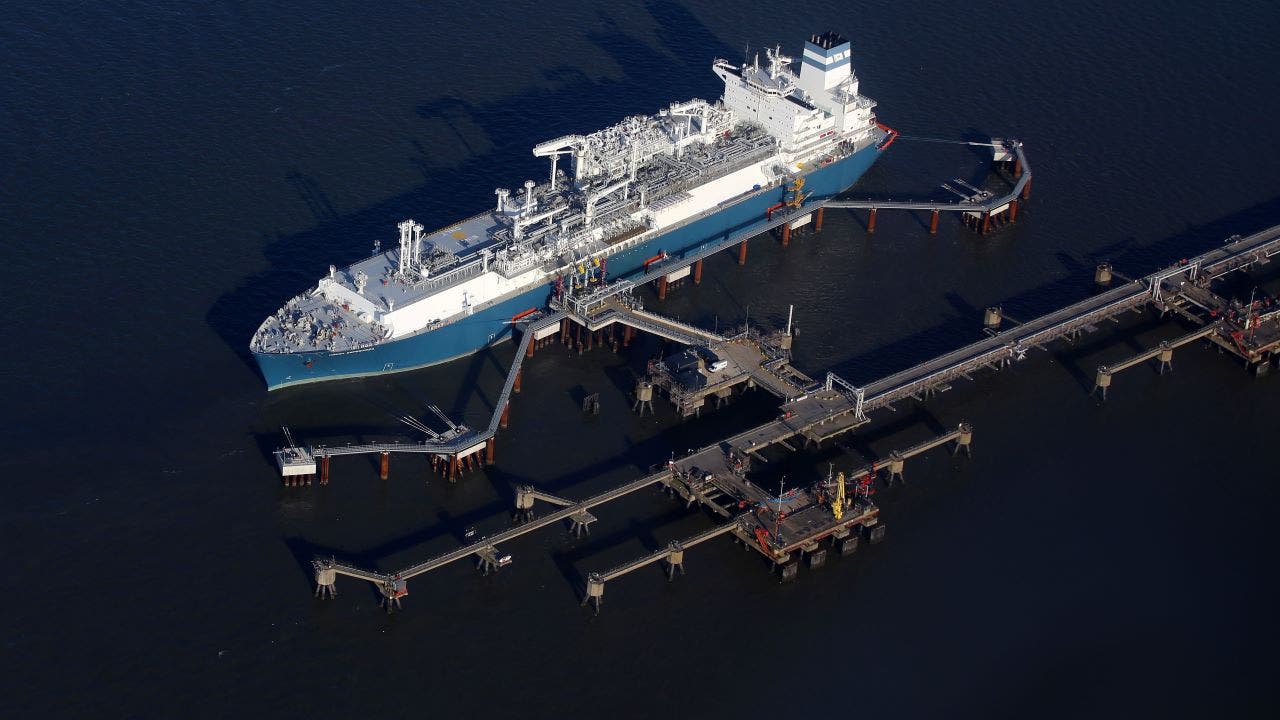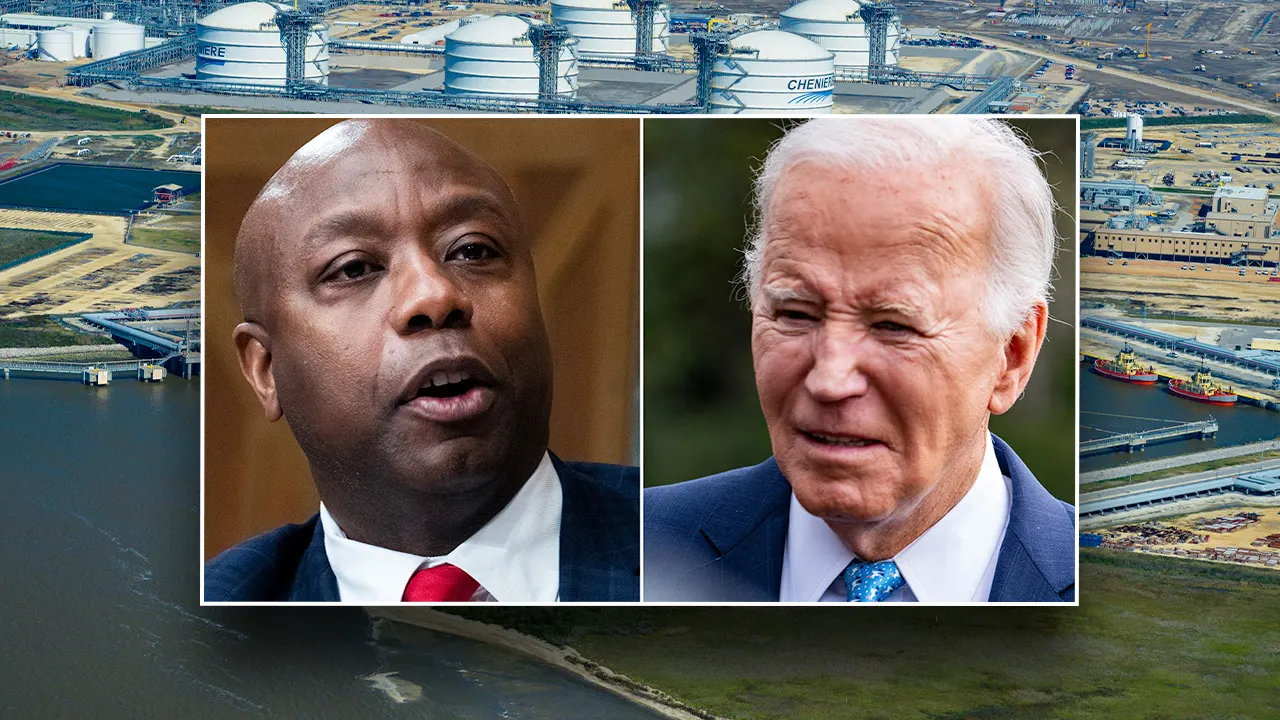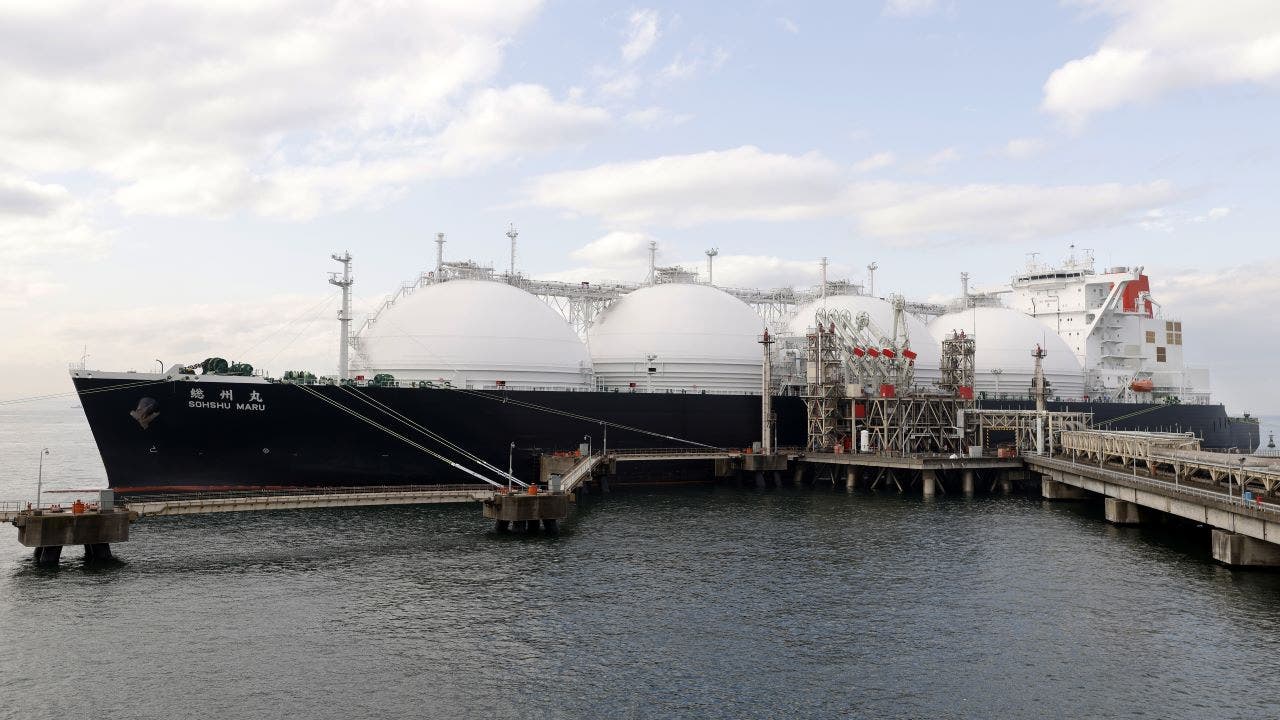
The surge in electricity bills across the U.S. is driven by factors such as the rise of energy-intensive AI data centers, increased LNG exports raising fuel costs, extreme heat waves stressing the grid, aging infrastructure, and policy delays in expanding capacity. Regions with abundant local resources like nuclear and hydro power, such as Phoenix and Idaho, are less affected, highlighting the importance of resource diversity and modernization for stable prices. The trend suggests higher bills are becoming a new normal unless significant grid and policy reforms are made.
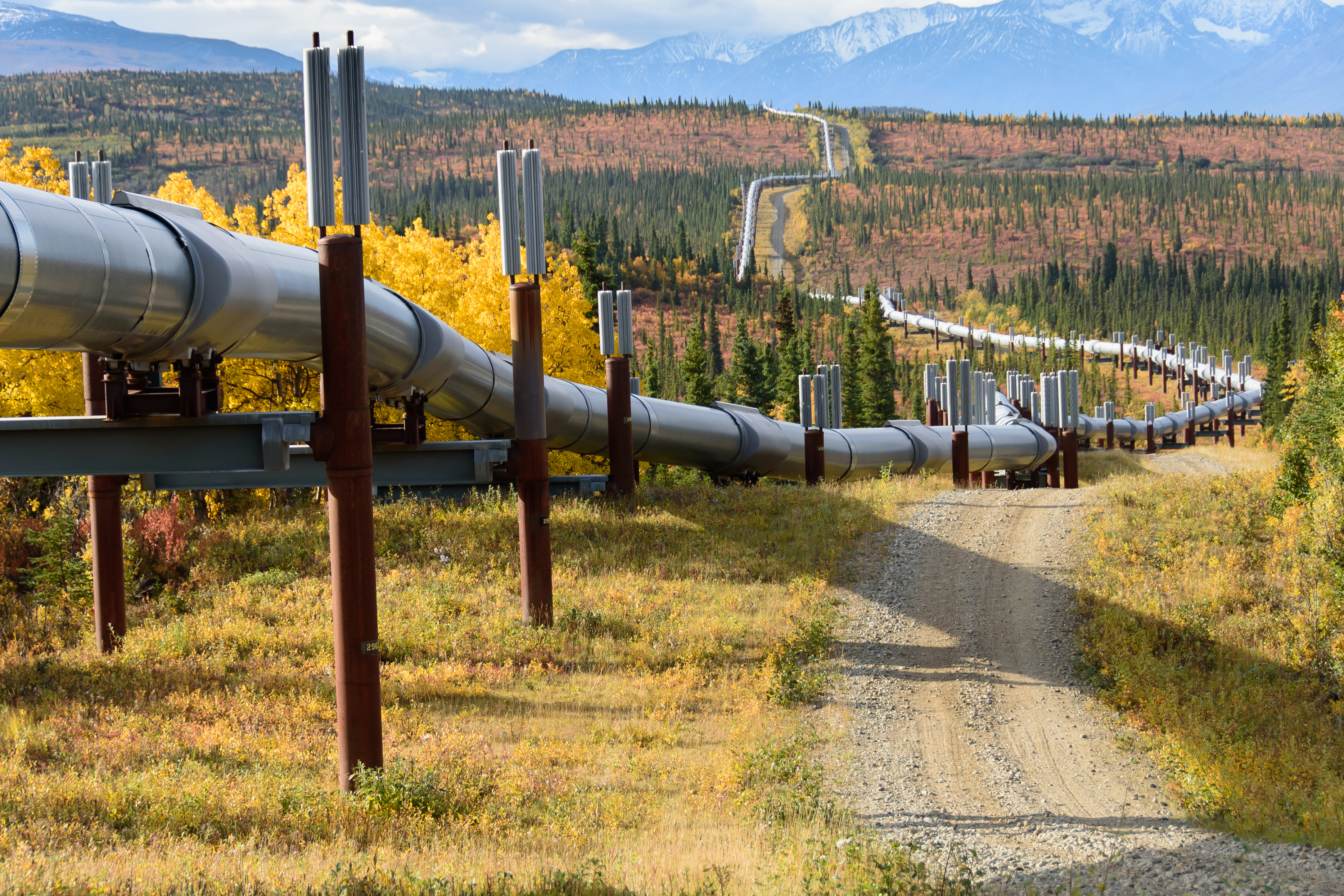
The article highlights five high-yield midstream stocks—Energy Transfer, Enterprise Products Partners, Western Midstream, MPLX, and Kinder Morgan—that offer dependable cash flow, growing distributions, and strong upside potential, driven by demand for natural gas, LNG exports, and AI-related infrastructure investments.
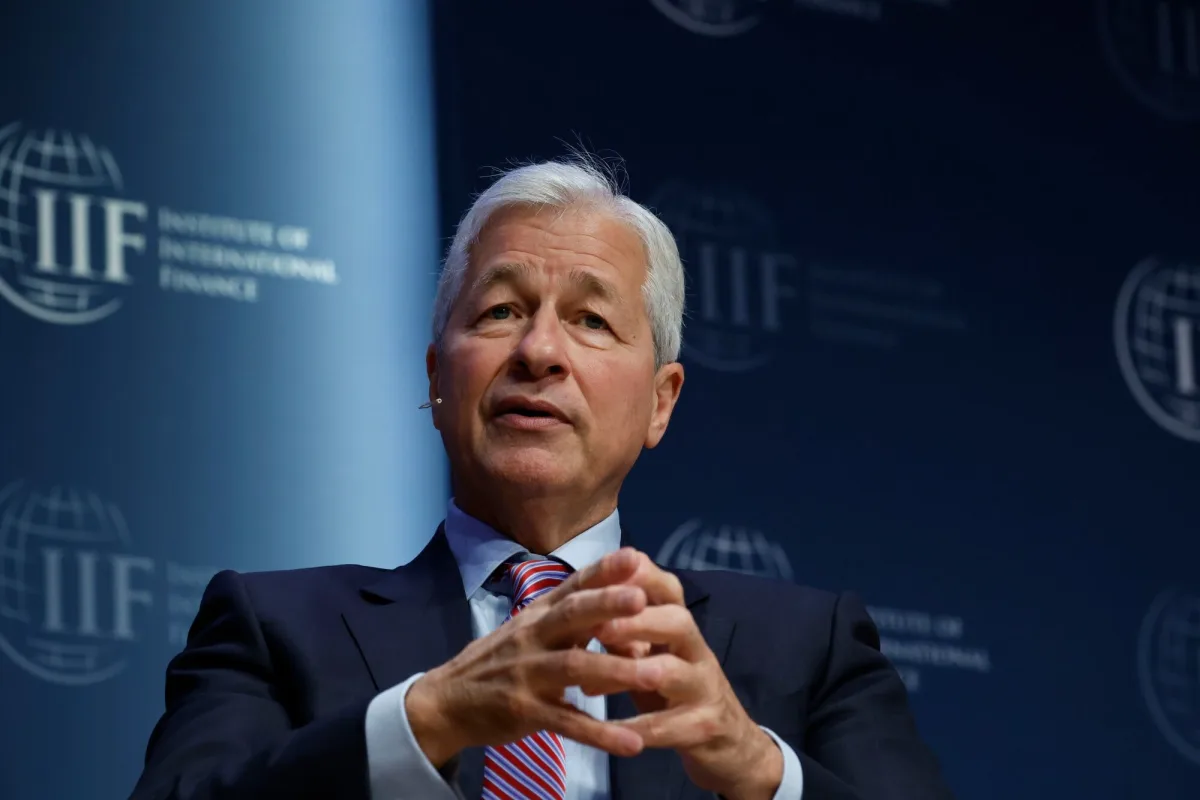
JPMorgan Chase CEO Jamie Dimon criticized US delays of liquefied natural gas projects, calling it "enormously naïve" to stop oil and gas projects. Dimon touted replacing coal with natural gas as a way to reduce carbon dioxide emissions and emphasized the economic and geopolitical advantages of US LNG exports. His comments come amid President Biden's permitting freeze on new LNG projects, with the White House highlighting record oil and gas production alongside investments in cleaner energy sources.
The White House is considering ending President Biden's pause on liquefied natural gas (LNG) exports in order to advance a Ukraine aid package in Congress, with Republican pressure and concerns about the impact on climate change playing a role in the decision-making process. The potential move to lift the pause on LNG exports is seen as a way to help unfund Russia's war effort in Ukraine, but it faces opposition from activists concerned about environmental impact and from hard-line conservatives in the House.
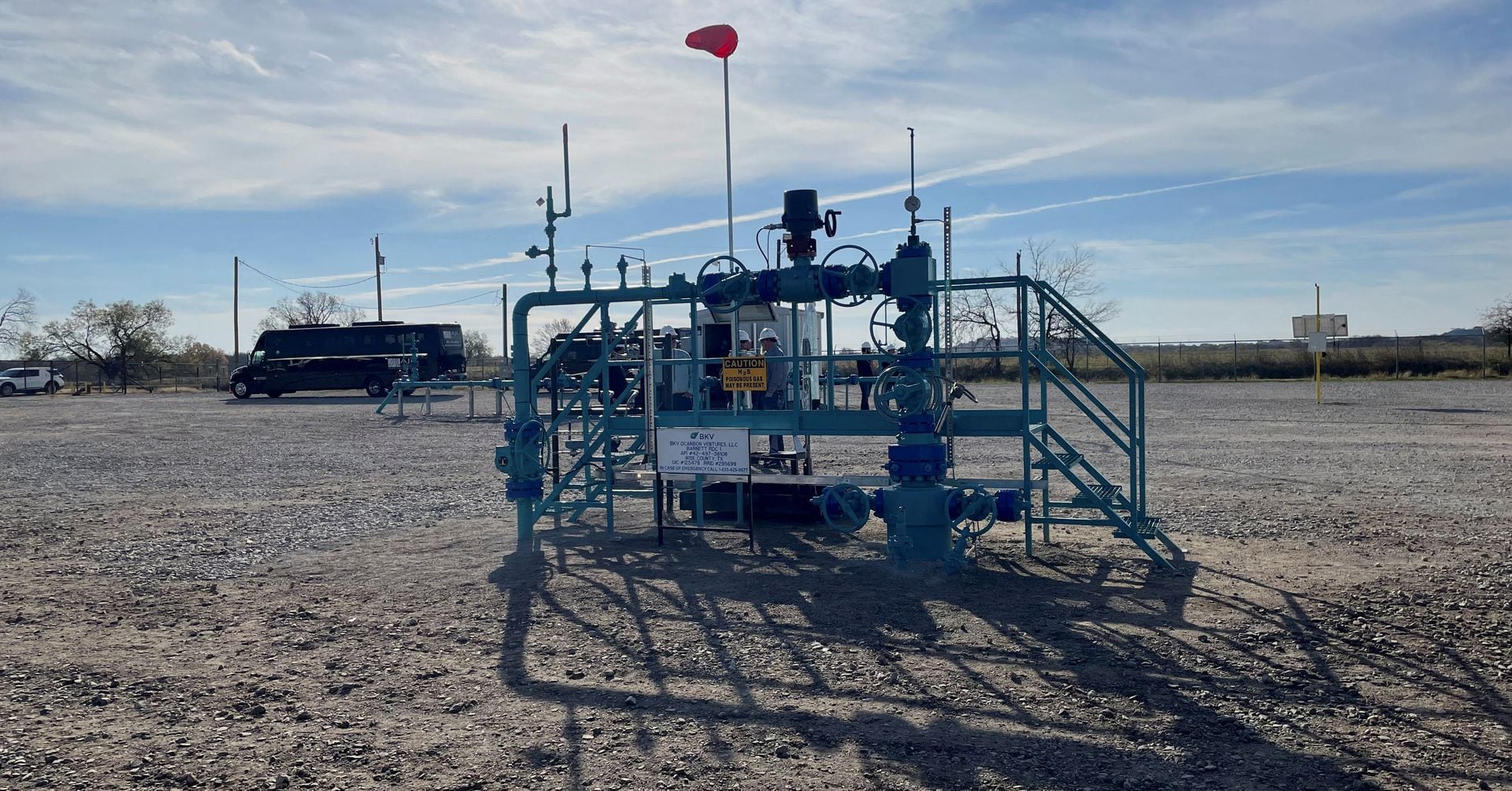
US natural gas prices have hit a 30-year low, causing significant challenges for producers. BKV Corp, a major player in the industry, has seen its ambitious expansion plans derailed by the price drop, leading to stalled IPO plans and a scuttled carbon joint venture. The relentless expansion of US natural gas output, particularly from oil companies, has overwhelmed efforts to curtail drilling, resulting in a price drop that has hurt producers. However, there is hope that future LNG exports and rising demand could restore profitability to the industry by 2025, despite potential delays in new LNG plant permits.
The US House passed a bill to reverse President Biden's pause on liquefied natural gas (LNG) exports, aiming to strip the administration's power to freeze approvals and leave it to the Federal Energy Regulatory Commission. The bill faces challenges in the Senate and a potential presidential veto, with critics arguing over its impact on jobs, energy security, and environmental concerns. The pause, initiated to assess environmental and economic impacts, has sparked debate between supporters of US LNG exports as a global energy security measure and climate advocates pushing for a transition to cleaner energy sources.
The U.S. Energy Information Administration forecasts that the U.S. benchmark Henry Hub natural gas spot price will average higher in 2024 and 2025 than in 2023, but remain below $3.00 per MMBtu. This is due to faster growth in demand than supply in 2024, with supply remaining relatively flat. In 2025, supply and demand are expected to grow at similar rates, leading to high natural gas inventories. The increase in U.S. natural gas supply is expected to come from domestic production, particularly in the Permian region. Natural gas consumption is projected to grow in all sectors except the industrial sector in 2024, driven by domestic consumption and exports in 2025. U.S. natural gas exports are dependent on the timing of new LNG export terminals, with capacity additions expected to continue despite a pause on export determinations to non-free trade agreement countries.
America's largest natural gas producer, EQT Corporation, warns that the Biden administration's pause on liquefied natural gas (LNG) export approvals could have devastating long-term impacts on the industry and energy security for foreign allies, creating uncertainty for investors and disrupting plans to reach international markets. Concerns have been raised by energy leaders and House Republicans, who argue that the policy could leave allies vulnerable and harm global energy security and emission reduction efforts. The Biden administration has clarified that the ban doesn't extend to currently permitted LNG exports, but delays in approving new exports could still leave U.S. allies vulnerable.
The European Union and industry are in disagreement over the impact of the Biden administration's pause on LNG exports on Europe's energy security. While EU officials believe it won't have short-to-medium term impacts, industry groups are concerned about potential future supply shortages and price increases. The pause affects approvals of new LNG export projects, with some industry players warning of negative consequences for energy security. The Biden administration implemented the pause to consider whether exports to non-free trade agreement countries are in the public interest, but industry groups are urging the administration to allow the market to decide which LNG projects move forward.
Senate Republicans introduced the Unlocking Domestic LNG Potential Act to prevent the Biden administration from halting liquefied natural gas (LNG) export permits, arguing that the move is "pure politics" and harms American energy independence. President Biden's pause on LNG permits is part of his climate agenda, but critics argue that it will increase global emissions and make the U.S. and its allies more reliant on foreign adversaries like Russia. The bill seeks to give exclusive authority to the Federal Energy Regulatory Commission (FERC) to approve or deny LNG export projects, aiming to depoliticize the process.
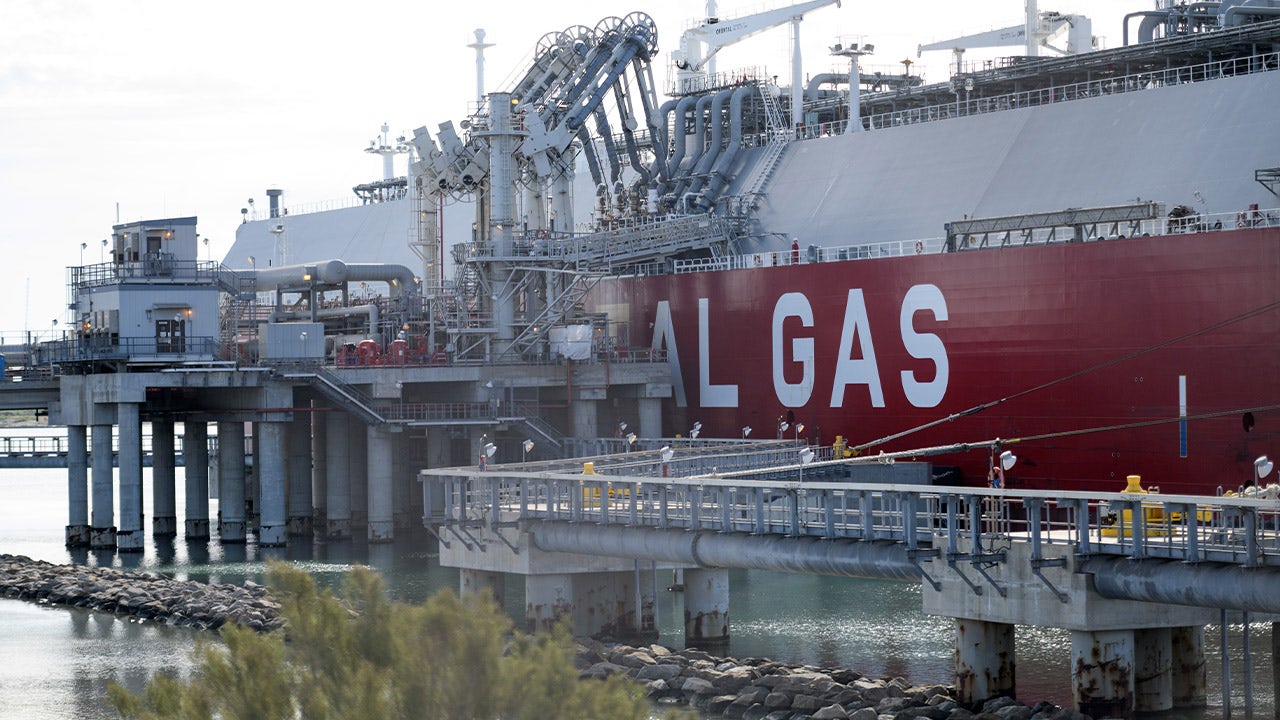
The Biden administration has paused the permitting process for new natural gas export projects, affecting only new terminals looking to export to non-free-trade-agreement countries. The move aims to align with climate change goals, but its impact on the economy, energy markets, and the environment remains uncertain. The pause reflects a broader reckoning as the US's oil and gas dominance intersects with climate ambitions, and it signals a shift in international energy policies. While LNG exports may aid in reducing greenhouse gas emissions compared to coal, the overall climate impact is debated, and the US faces challenges in leveraging LNG as a diplomatic tool. The pause's duration and potential implications for the global LNG market remain uncertain, with some viewing it as a temporary political move.
Business groups from the U.S., Europe, and Japan are urging President Biden to reconsider the pause on new LNG export applications, citing concerns about energy security and the role of American natural gas in meeting global energy and climate objectives. The Biden administration's pause on new LNG export permits to non-free trade agreement countries has prompted pushback, with business groups emphasizing the importance of LNG exports in reducing greenhouse gas emissions and providing critical energy supplies amid geopolitical tensions. The move has raised concerns about its impact on the global economy and U.S. natural gas producers, who have invested heavily in LNG exports.
The Biden administration's decision to pause approvals of new LNG terminals for increased natural gas exports is seen as a politically-motivated move to appease climate activists, but it could have negative consequences. The US has an abundance of natural gas and is a leading exporter, with the industry creating jobs and providing geopolitical advantages. The pause is criticized for benefiting Russia, hindering global climate progress, and impacting American allies and jobs.
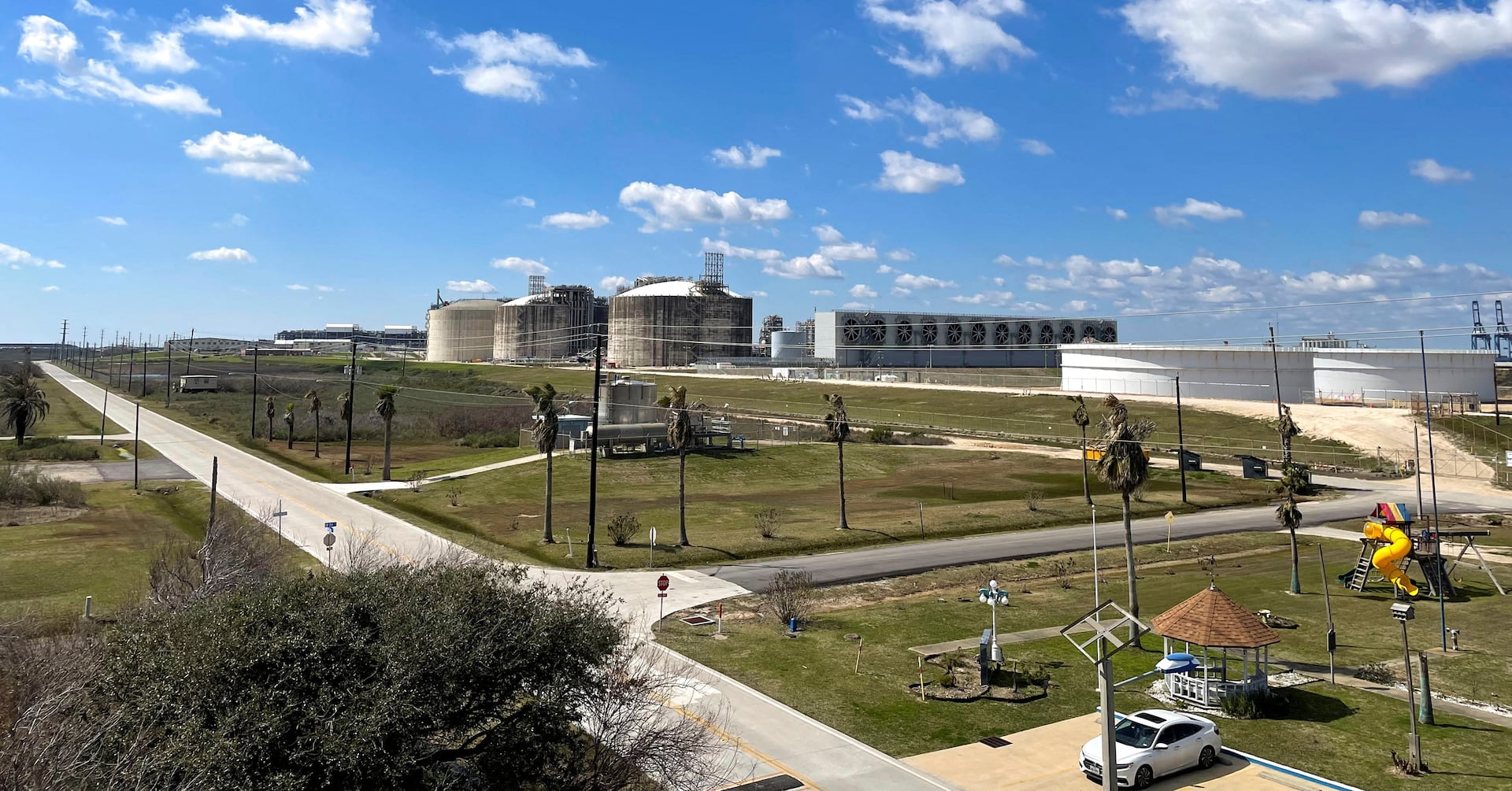
The Biden administration has temporarily paused decisions on new liquefied natural gas (LNG) exports in the U.S., prompting concerns from Texas Governor Greg Abbott and the energy industry. The pause aims to update criteria for authorizations and integrate environmental considerations, with the potential to impact 12 projects, including major expansions in Texas. While the pause won't affect already authorized projects or U.S. supplies to Europe and Asia, it could last for "some months" and delay decisions on pending projects until after the 2024 presidential election.