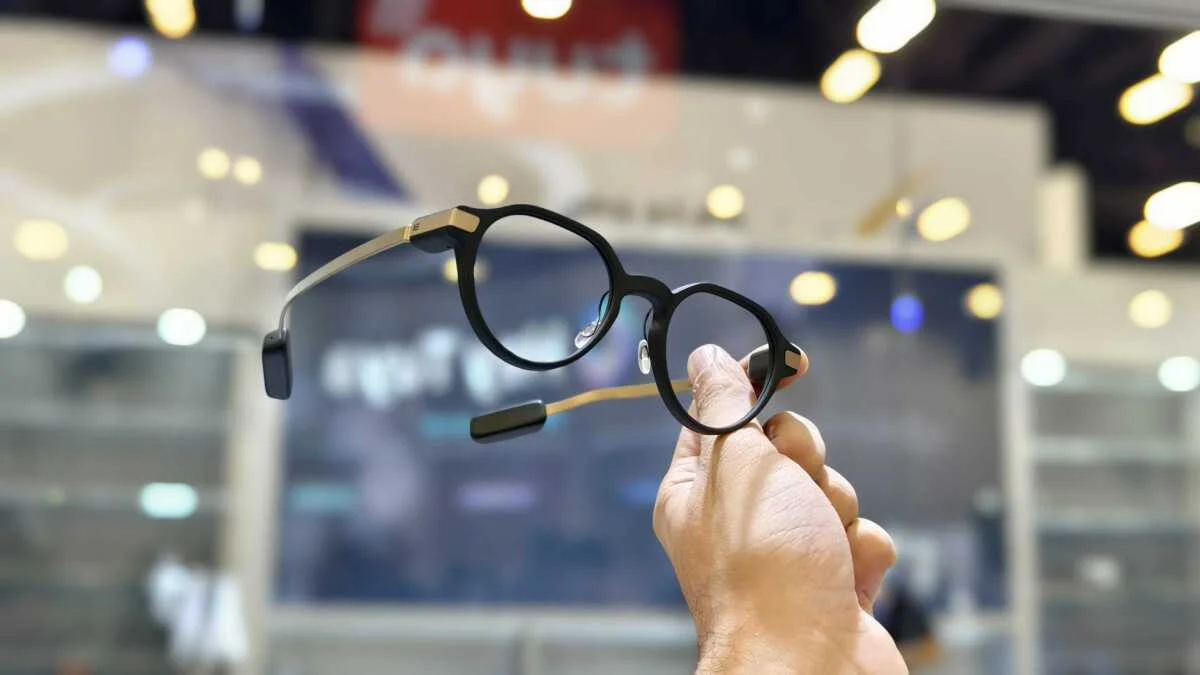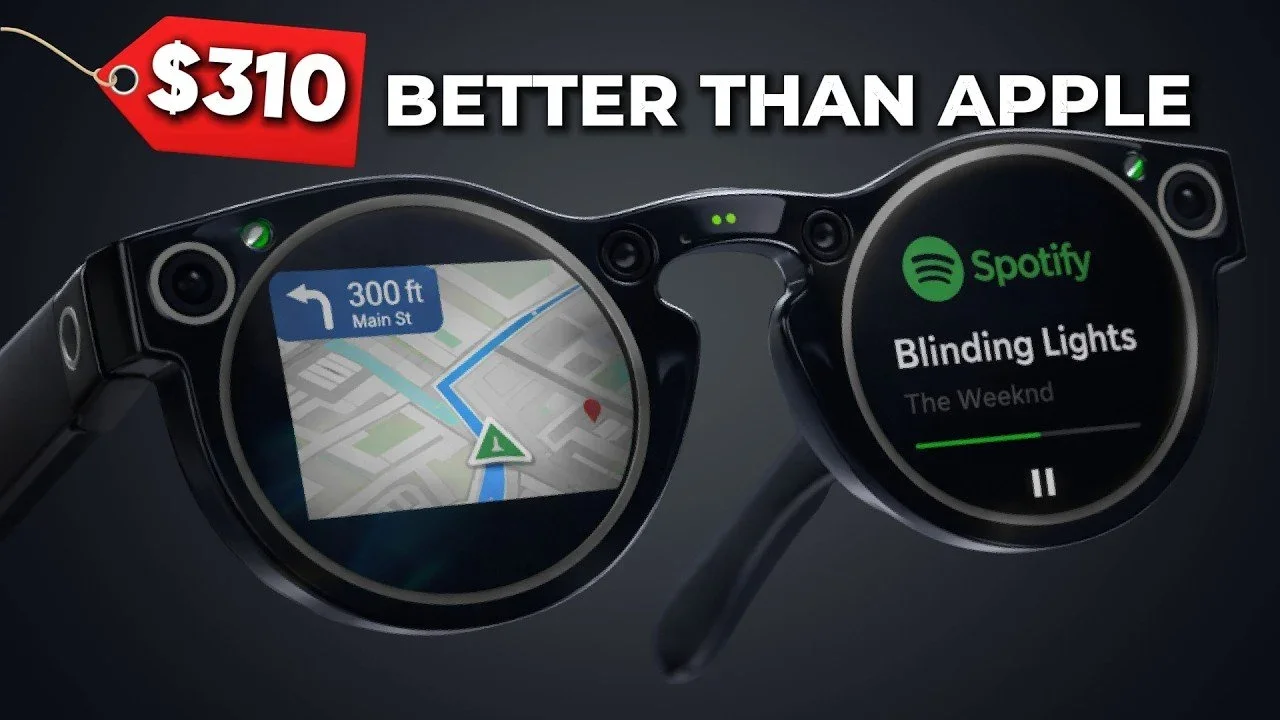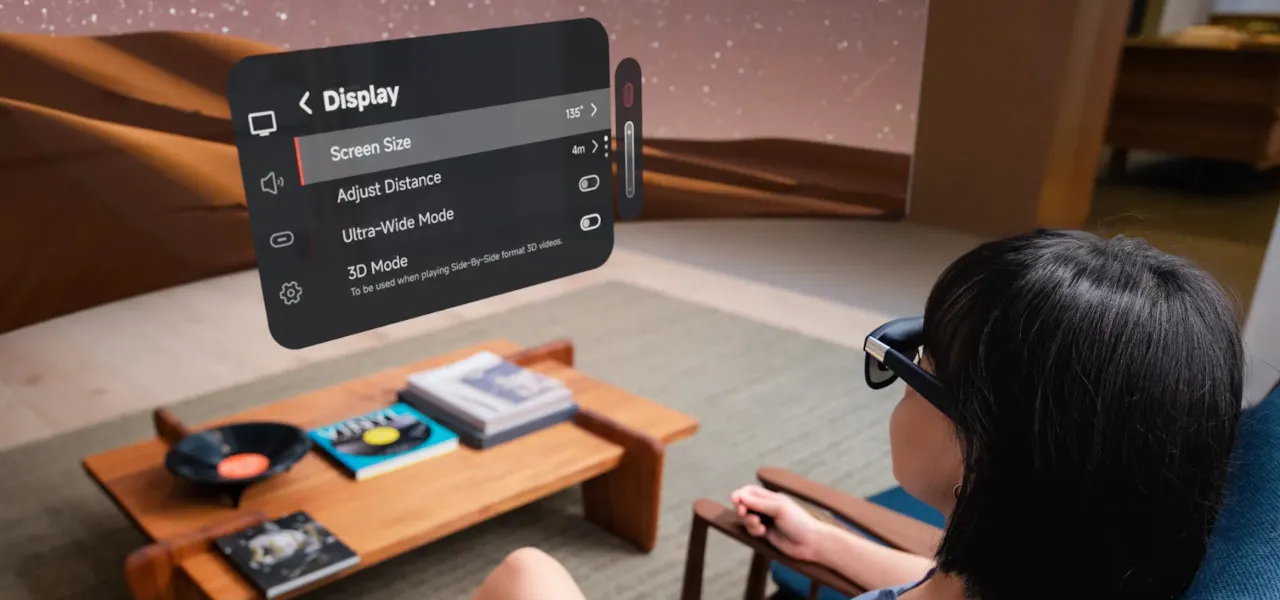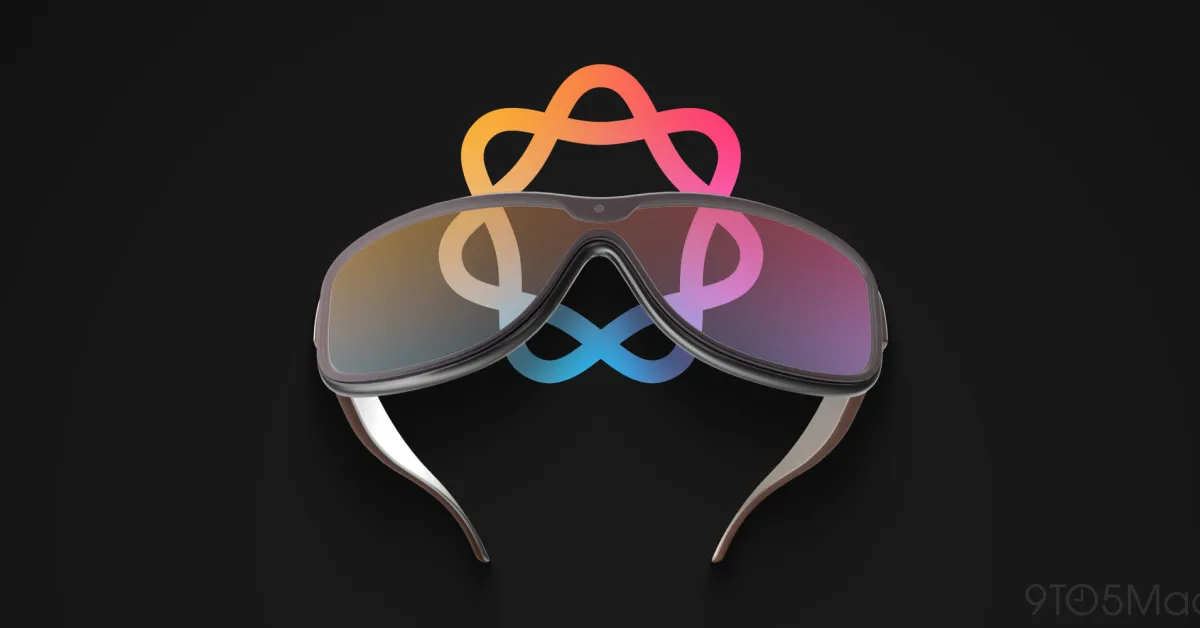
The article discusses the upcoming smart glasses of 2026, highlighting innovations like advanced AR, AI features, sleek designs, and ecosystem integration from brands like Android, Snapchat, Amazon, Apple, and Rokid, which aim to transform how we work, play, and connect.
The article discusses the current state and future potential of AR smart glasses, highlighting different designs from Xreal and Halliday, and featuring expert opinions suggesting that immersive AI glasses could replace smartphones within five years, though widespread adoption and compelling use-cases are still evolving.
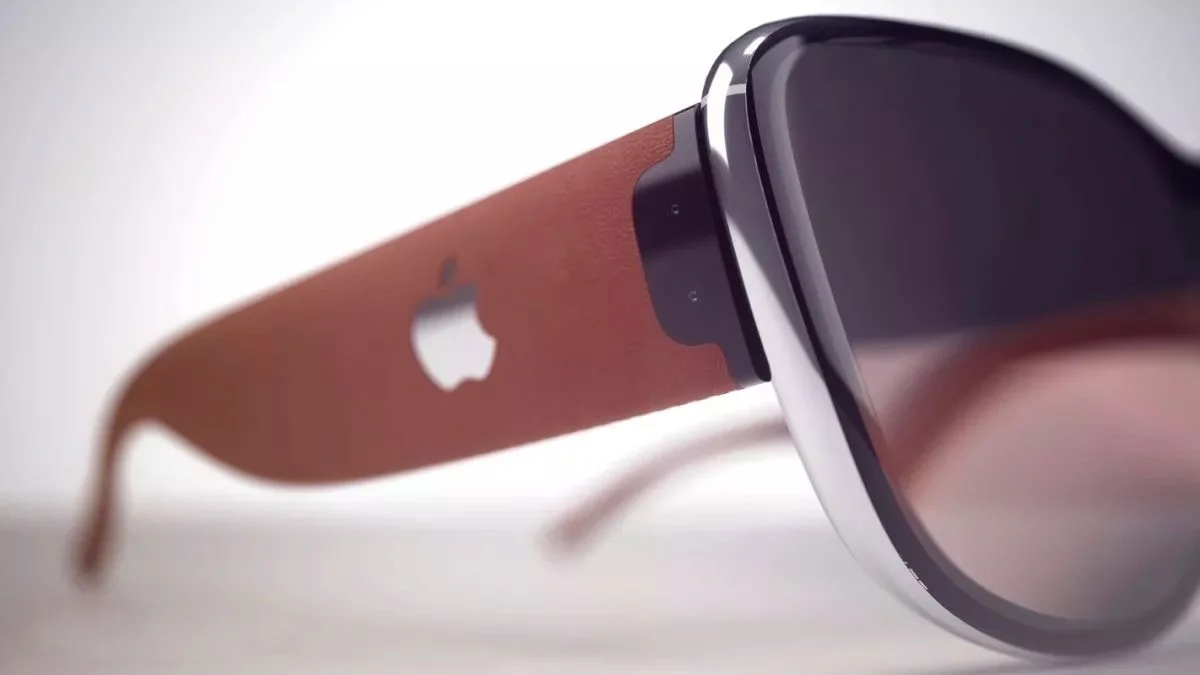
Next year, Apple plans to unveil over 20 new products, including Apple Glasses, which are a key step toward Tim Cook's top priority: developing true AR glasses. While the initial version may focus on Siri and AI rather than AR functionality, it will set the foundation for future AR hardware and software, with a full AR glasses launch possibly happening in 2026 or 2027.
Scientists from the University of Würzburg have developed the world's smallest bright pixel, measuring just 300x300 nanometers, which could revolutionize miniature displays in VR and AR devices by providing high brightness and resolution in an extremely tiny form factor, although challenges like full color coverage and efficiency remain.
Apple is prioritizing the development of Apple Glasses, which are expected to run a version of visionOS that can unlock full functionality when paired with a Mac, indicating a strategic move towards spatial computing and AR technology. This approach suggests that the glasses will offer AI features, cameras, and seamless integration with Macs, making them a potentially revolutionary wearable device.
Samsung is rumored to be developing AR smart glasses, potentially called 'Project Haean,' with a possible release as early as next year, amidst a growing industry push for smart glasses led by companies like Meta, Apple, and Google, which has shown prototypes and extended partnerships in this space.
Apple has reportedly abandoned plans for a lighter Vision Pro headset in favor of developing smart glasses, including models that will integrate with iPhones and feature displays to compete with Meta and other companies. The new focus aims to accelerate development and incorporate AI and voice controls, with some devices expected to launch as early as next year, although the Vision Pro may still see an updated release. Despite the shift, Apple is unlikely to completely abandon its Vision Pro headset, which remains in development.
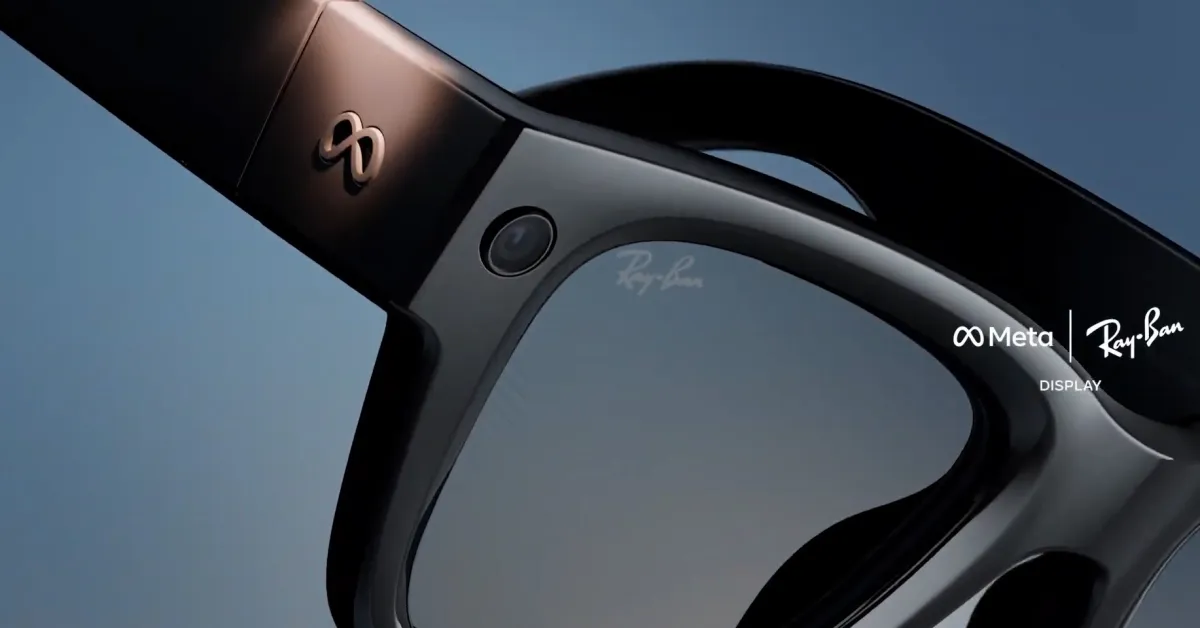
Meta has launched a new line of smart glasses, including the Ray-Ban Meta (Gen 2), Oakley Meta Vanguard, and the innovative Meta Ray-Ban Display, solidifying its lead in the AR glasses market with a strategic partnership, extensive user base, and a high price point that challenges competitors like Android XR, which faces delays and technical disadvantages. This positions Meta to dominate the market, raising concerns about long-term consumer impact and reduced competition.
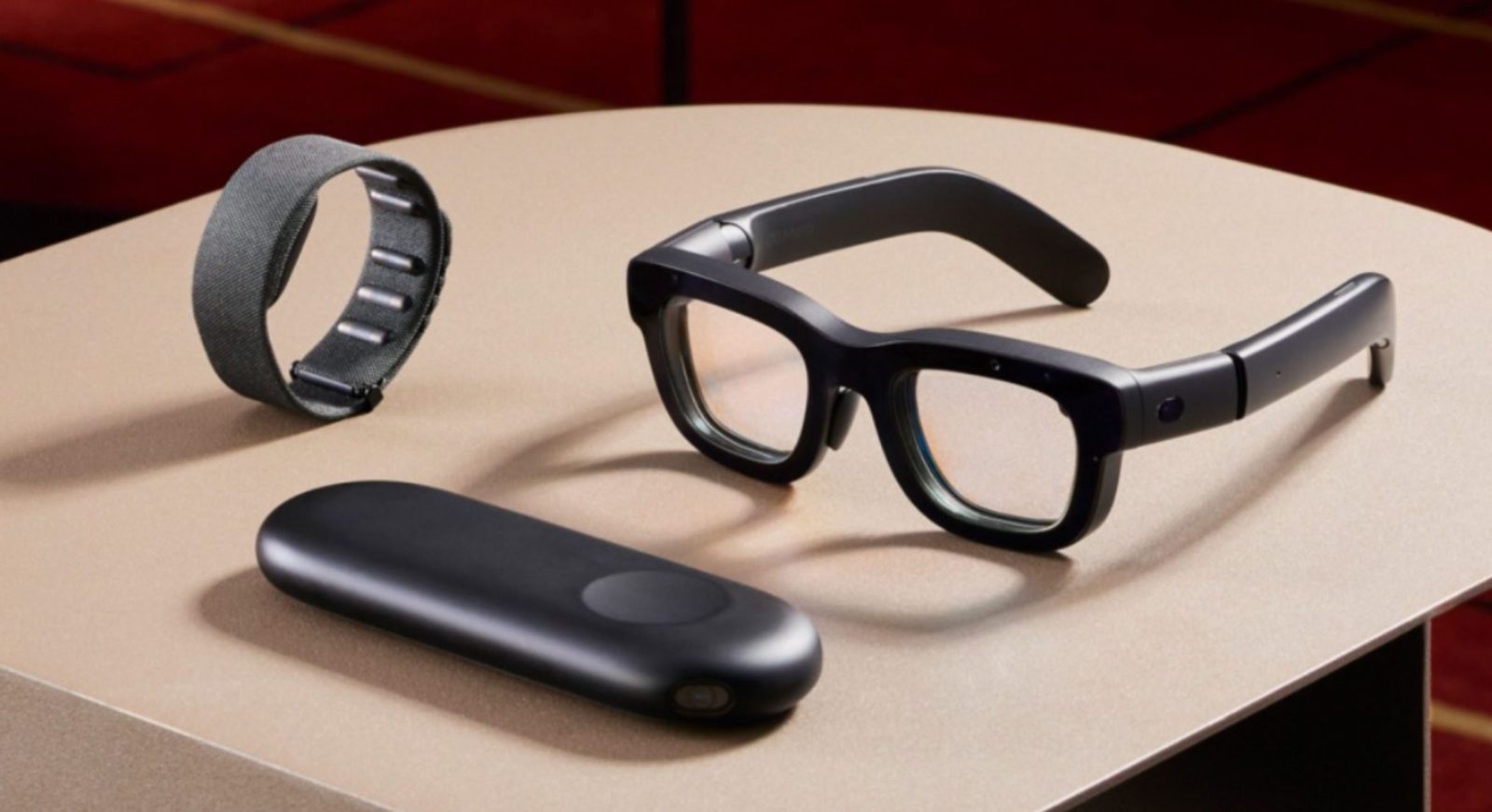
Meta is developing dual-display smart glasses that show messages, maps, and more directly in front of the user, as part of its efforts to make glasses a daily tech device, even before its full AR glasses are released in 2027. These glasses will feature two screens, one on each side, providing quick access to notifications and information, and are part of Meta's broader strategy to familiarize users with wearable displays amidst increasing competition from Apple and Samsung.
The Meta Ray-Ban Display glasses offer a practical, discreet smart glasses experience with a single, sharp display on one lens, intuitive gesture controls via a wristband, and features like notifications, video calls, and live captions, marking a significant step toward everyday wearable tech, priced at $799.
Meta is set to unveil new, refined smart glasses at its Connect event, a key hardware announcement during its annual developer conference, with live streaming available for viewers.
Meta has leaked a new version of its Ray-Ban smart glasses featuring an integrated heads-up display, voice control, and translation capabilities, with a thicker design and an expected release possibly sooner than the previously anticipated 2026, ahead of Meta Connect 2023.
Meta is expected to announce new AI-powered smart glasses at the Meta Connect conference, aiming to revolutionize user interaction and reduce reliance on smartphones, despite current market niche and financial losses in its Reality Labs division.
Snapchat has introduced the 'Imagine Lens,' a new AI-powered feature for Snapchat+ subscribers that allows users to generate and edit images using text prompts, enhancing their AR and creative experiences.
Meta Connect 2025 hints at the launch of a smart glasses SDK, likely for its upcoming Hypernova HUD glasses, with developer sessions and reports suggesting new tools for third-party app development, possibly involving server-side integrations and enhanced local computing capabilities.