Lucid, Nuro, and Uber unveiled their production intent robotaxi and in-cabin experience at CES 2026, with autonomous on-road testing already underway in the San Francisco Bay Area, aiming for a commercial launch later this year.
Elon Musk's deadline to launch fully unsupervised Tesla robotaxi rides in Austin has passed without meeting the target, causing Tesla's stock to decline. Despite Musk's optimistic claims about solving full self-driving, regulatory and technical hurdles remain. Tesla's Q4 vehicle deliveries are expected to be around 422,850, with a full-year forecast of 1.64 million vehicles, though global sales are expected to decline slightly in 2025. Tesla's stock has fallen from recent highs, amid broader EV market pressures and skepticism from investors like Michael Burry, but analysts remain optimistic about Tesla's potential catalysts in 2026.
Tesla's stock has risen despite declining earnings estimates and softer vehicle sales, as investors focus more on its AI and robotaxi ambitions, with potential expansion into multiple U.S. cities expected to influence its growth outlook.
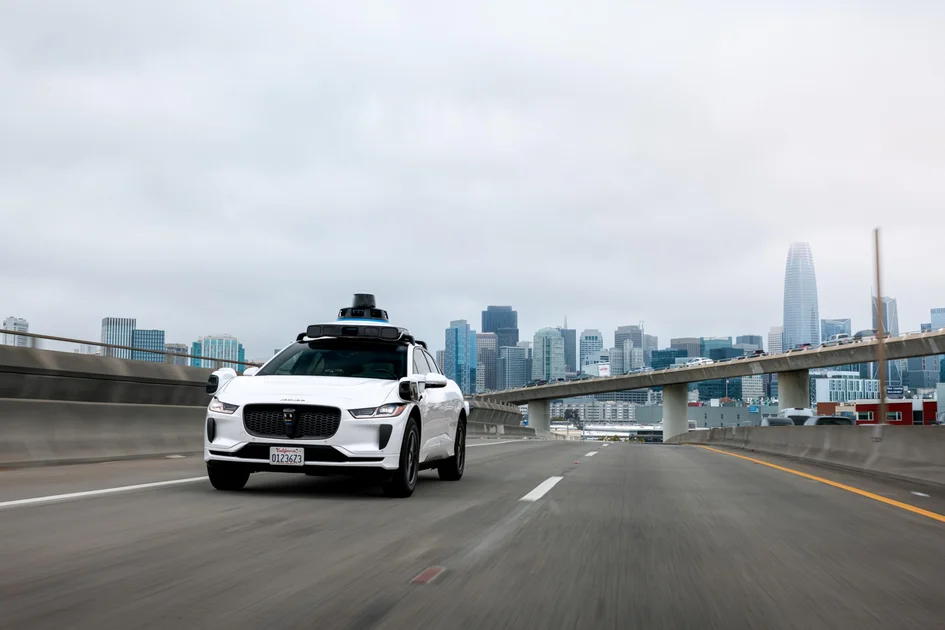
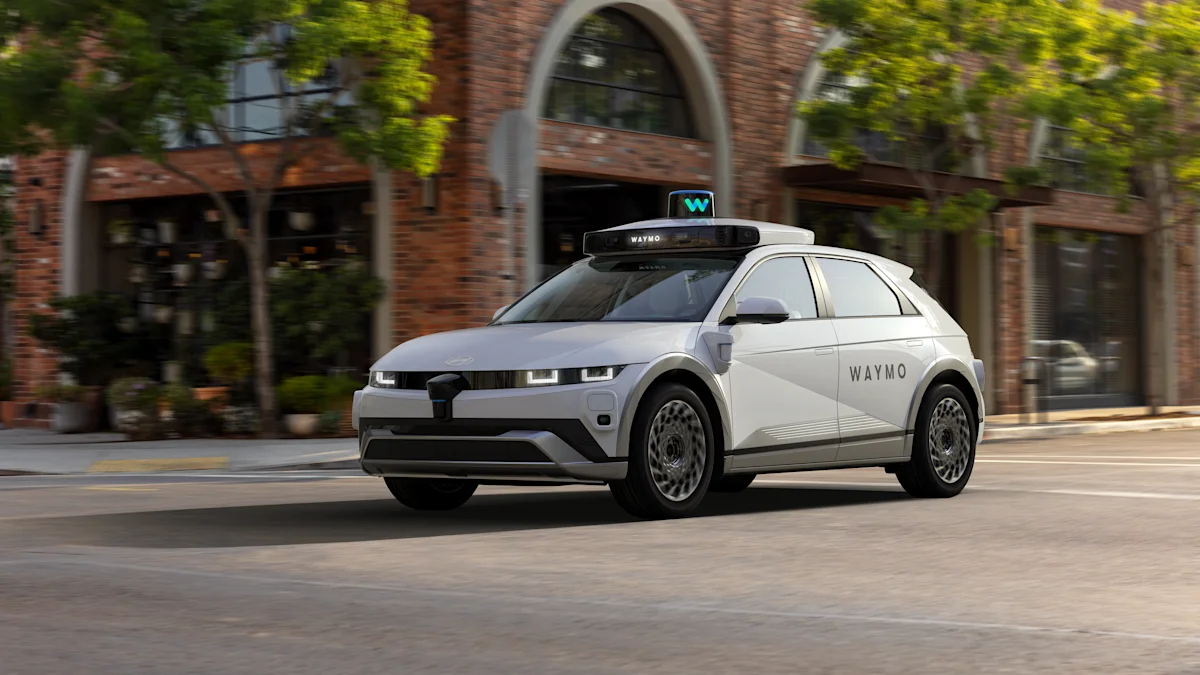
Waymo's autonomous robotaxi fleet in San Francisco faces repeated setbacks, including a recent suspension due to a storm warning and incidents highlighting its struggles to handle complex city scenarios, raising concerns about the safety and practicality of widespread autonomous vehicle deployment.
Waymo temporarily paused its robotaxi service in the San Francisco Bay Area due to flash flood warnings and recent power outages, highlighting safety and regulatory concerns as the company plans to expand its autonomous vehicle operations in the U.S.,
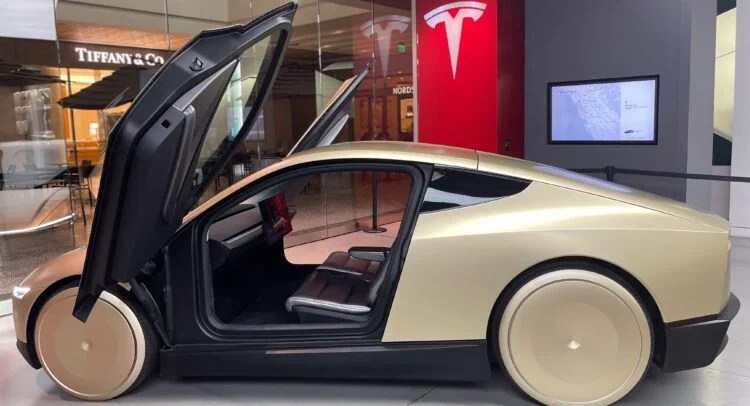
Tesla is preparing to launch its robotaxi service, centered around the Cybercab, in 2026, which could significantly boost the company's value. While progress is being made, regulatory approvals and mass production challenges remain, making 2026 a pivotal but uncertain year for Tesla's autonomous ride-hailing ambitions.
Waymo has temporarily suspended its driverless ride-hail service in San Francisco due to a widespread power outage caused by a substation fire, while Tesla's ride-hailing service, which requires human drivers, remains unaffected. The outage affected about 130,000 residents, and the situation highlights ongoing challenges and competition in autonomous vehicle services.
Tesla is recruiting factory workers and sales staff to operate its 'Robotaxi' fleet as AI drivers, aiming to expand its autonomous ride-hailing service in the Bay Area and other cities, with plans for full autonomy in the future.
Tesla has rapidly expanded its 'Robotaxi' fleet in California, registering over 1,655 vehicles for its ride-hailing service since August, although it is not registered as an autonomous vehicle service. The company operates with FSD technology and has increased its drivers and vehicles significantly, but faces competition from Waymo and Zoox, and has not yet obtained a driverless testing permit in California.
Market analyst Jed Dorsheimer views Tesla's $1 trillion CEO compensation package as reasonable given shareholder approval and highlights positive developments in Tesla's battery and robotaxi initiatives, though he remains cautious, rating the stock as Market Perform due to reliance on robotaxi success and awaiting further data. The stock forecast suggests a 14% potential loss over the next year.
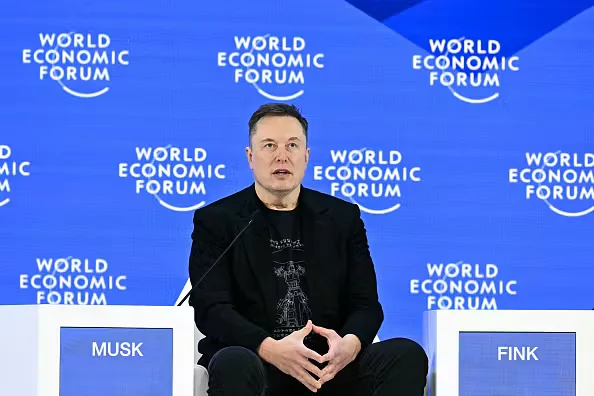
Tesla shareholders approved a nearly $1 trillion pay package for Elon Musk, contingent on achieving significant company milestones like increasing Tesla's market value to $8.5 trillion and launching self-driving Robotaxi vehicles, amid ongoing debates about Musk's focus on projects like the Optimus robot and regulatory challenges with Tesla's self-driving features.
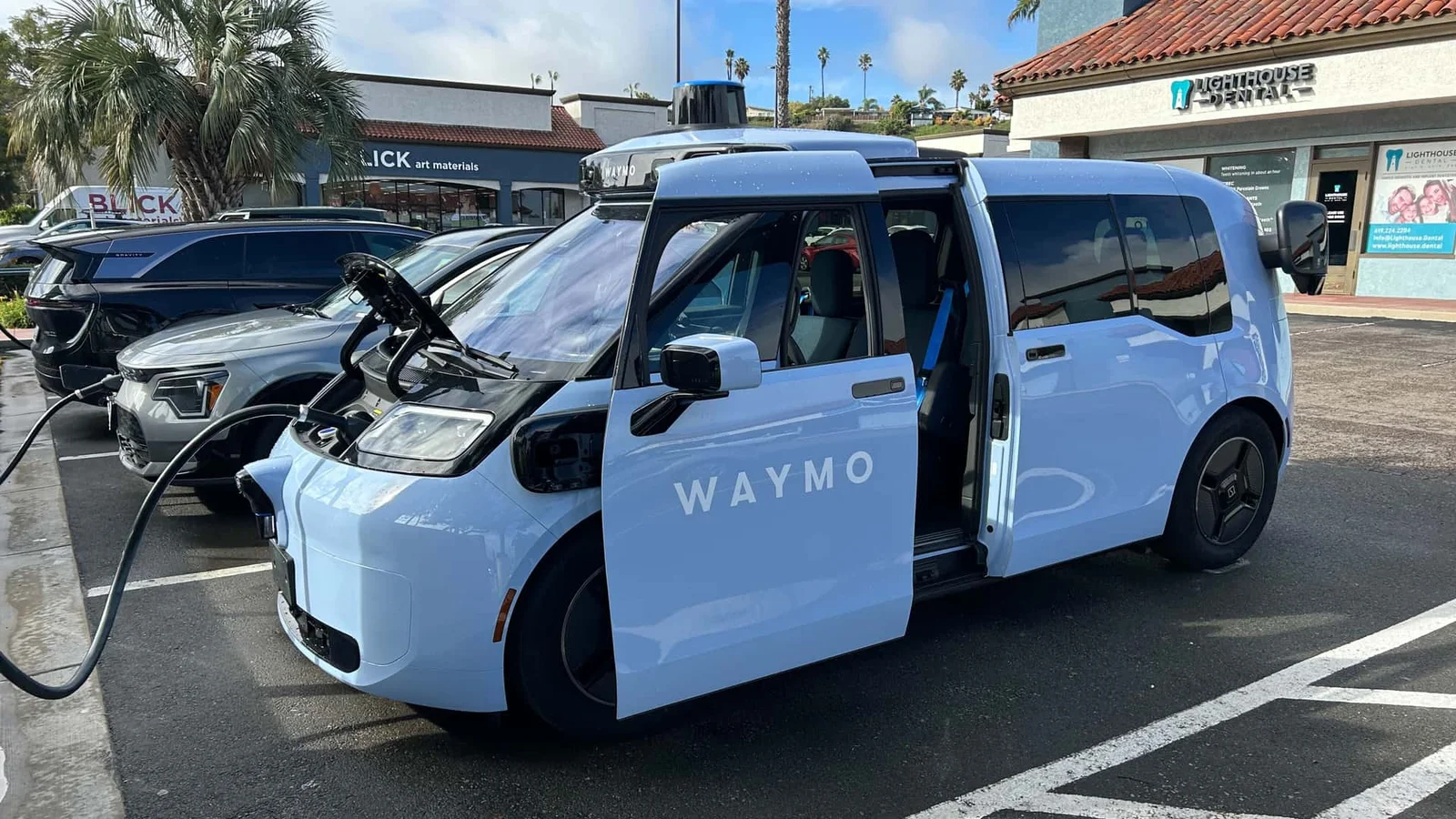
Waymo announced plans to expand its driverless robotaxi service to Las Vegas, San Diego, and Detroit next year, introducing new Zeekr vehicles designed for autonomous use, with operations already ongoing in several U.S. cities and ongoing testing in Michigan for winter conditions.
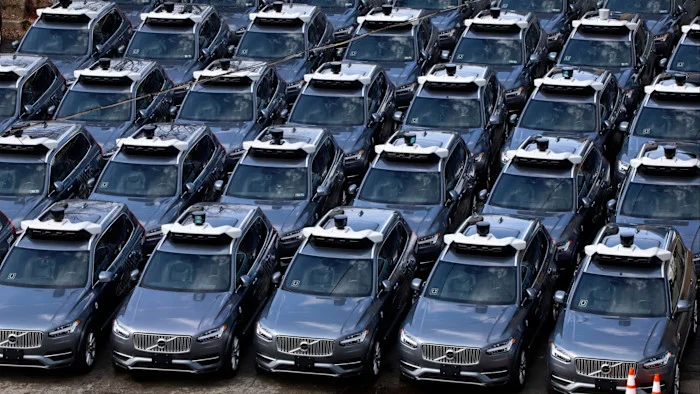
Uber is launching its new robotaxi service in San Francisco with Lucid and Nuro, aiming to challenge Waymo's dominance. The companies have begun testing their modified vehicles and are working to obtain necessary permits before offering paid rides. This move is part of a broader plan to deploy 20,000 autonomous vehicles across the US over six years, with the Bay Area serving as the launchpad. The competition between Uber and Waymo is intensifying, especially as both expand their presence in key markets like Austin, Atlanta, and Phoenix.
Uber is partnering with NVIDIA and Stellantis to deploy one of the world's largest networks of autonomous vehicles, including at least 5,000 NVIDIA DRIVE-powered Level 4 vehicles for robotaxi services globally, utilizing advanced AI architecture and a comprehensive data factory to accelerate autonomous mobility.
Tesla reported worse-than-expected Q3 earnings, with CEO Elon Musk emphasizing the need for greater control over the company's future projects like the humanoid Optimus robot and robotaxi expansion, while the stock experienced a slight decline amid mixed analyst reactions and upcoming shareholder votes on Musk's pay package.