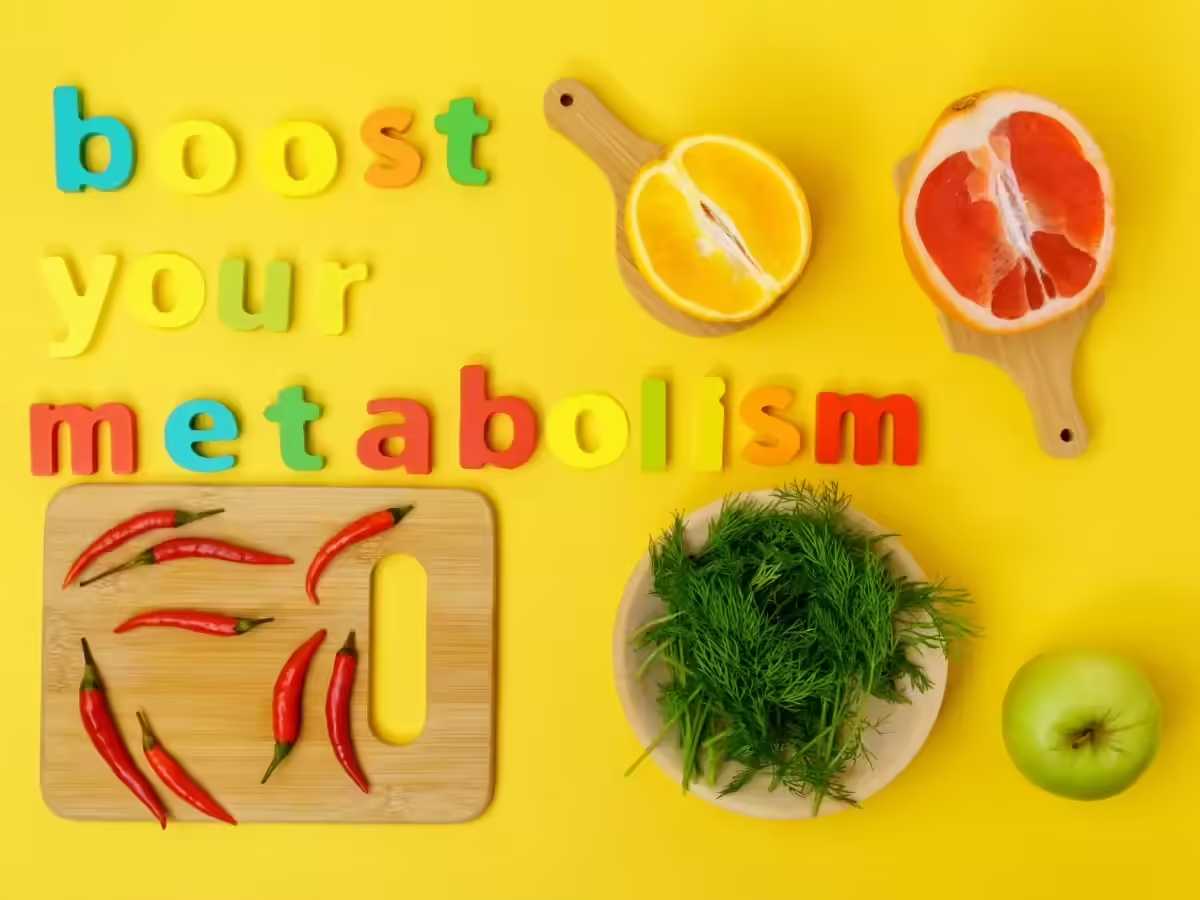
Incorporating foods like green tea, spicy peppers, lean protein, whole grains, coffee, and staying hydrated can naturally boost metabolism, leading to increased energy expenditure and improved weight management. However, it's important to maintain a balanced diet, regular physical activity, and proper hydration for overall health.
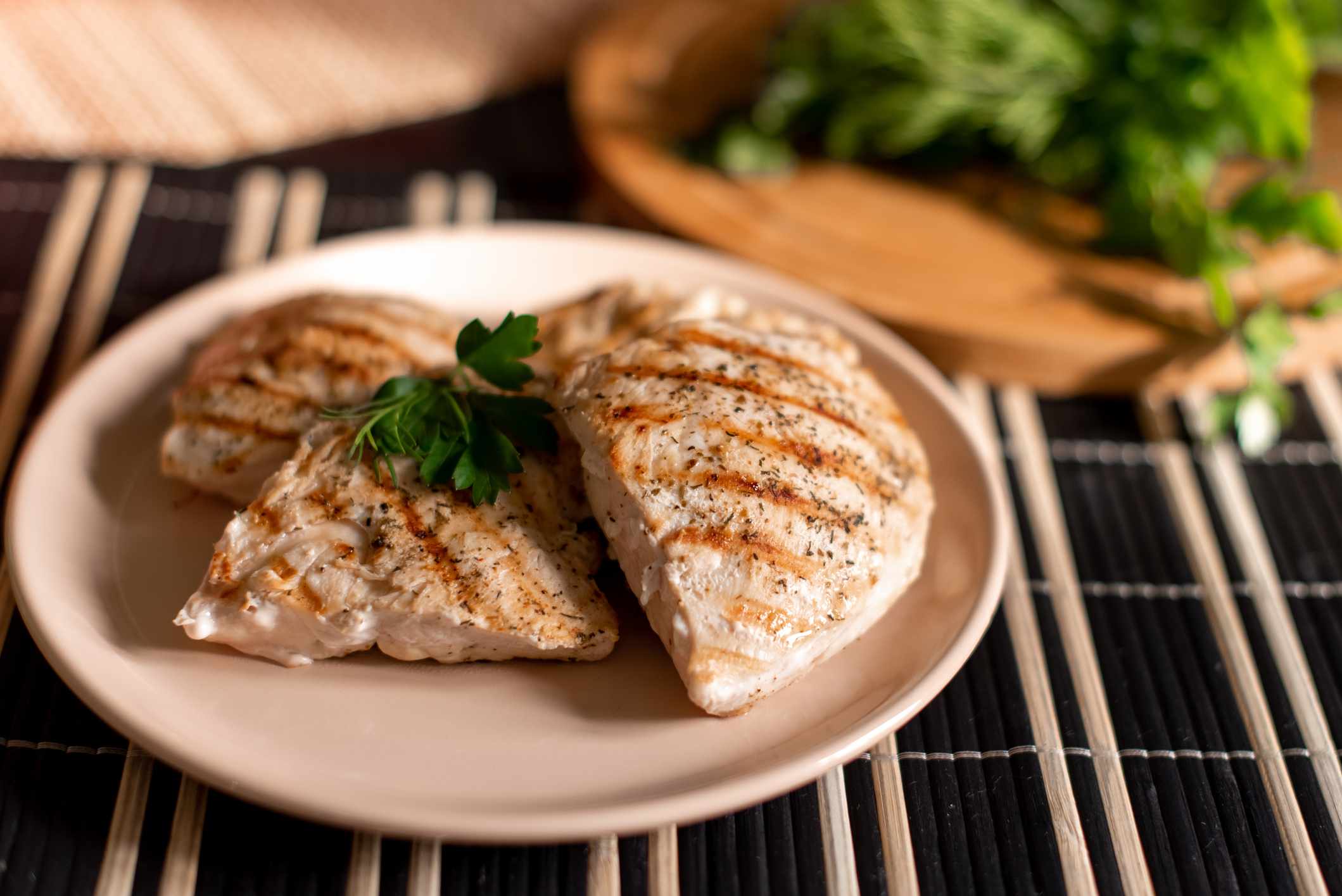
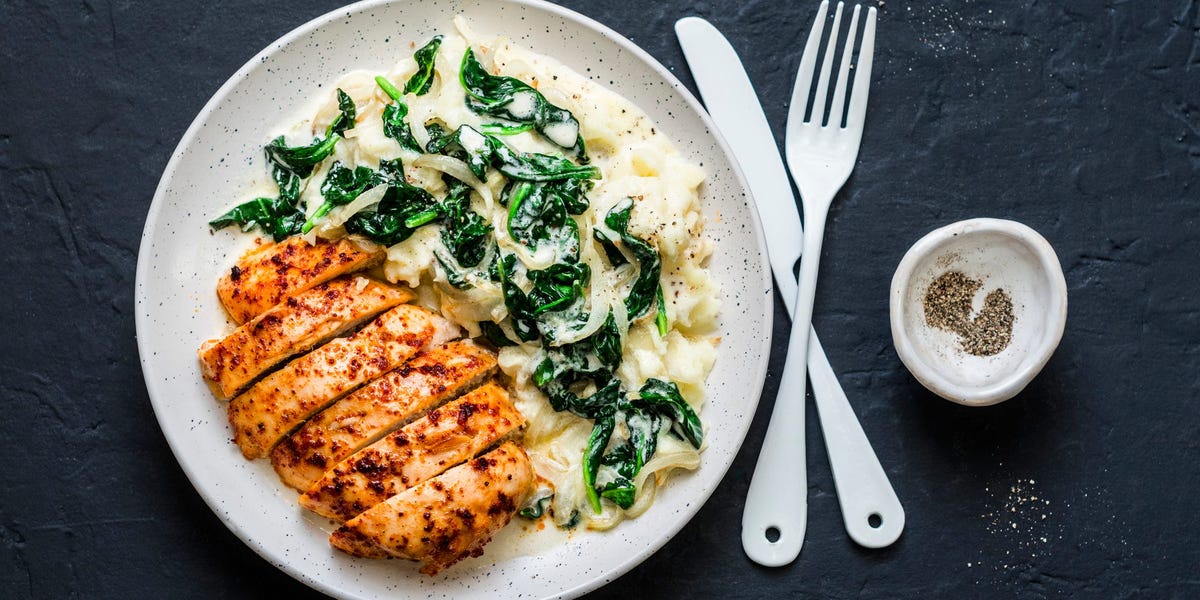
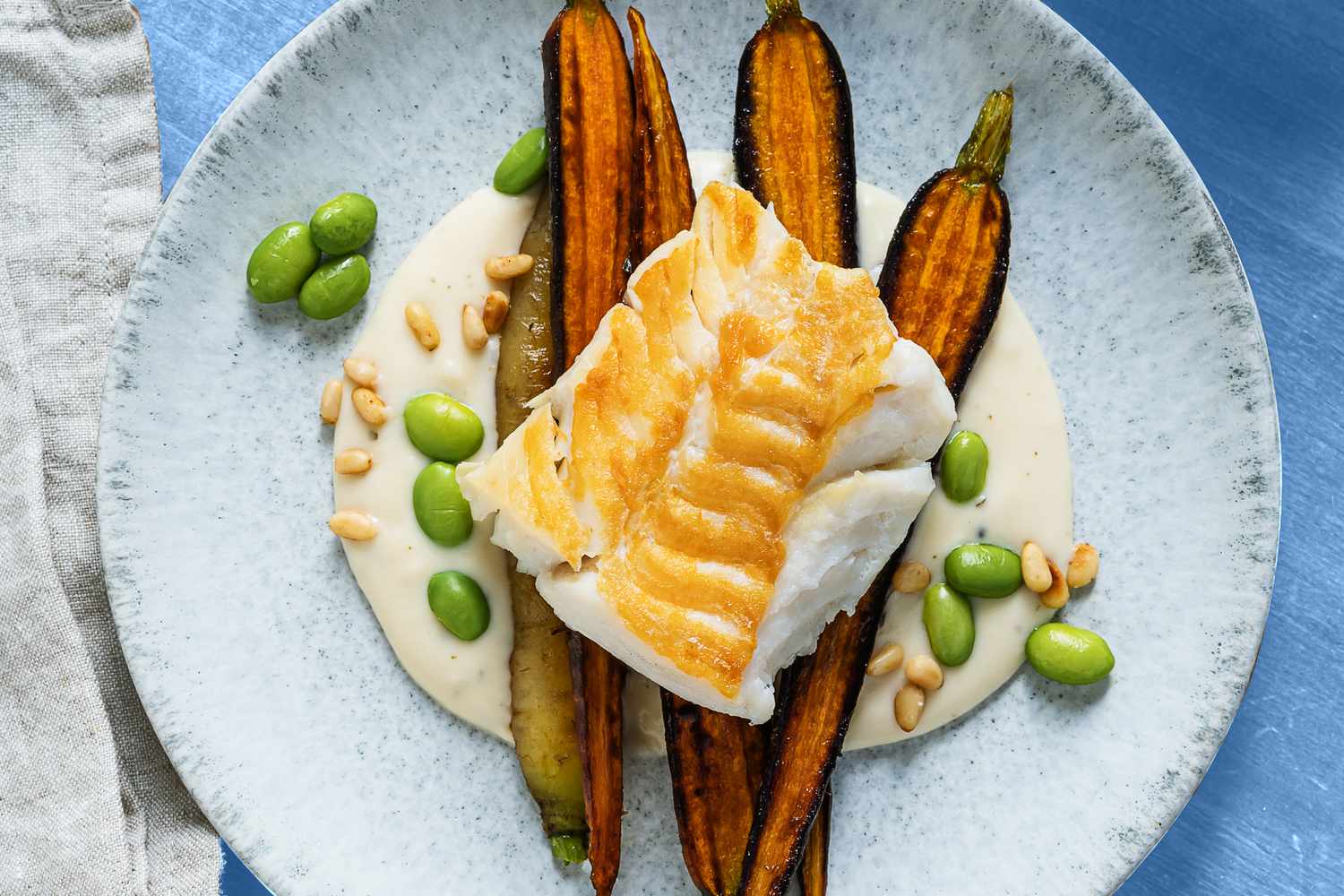
Consuming protein-rich meals and snacks is essential for health, and incorporating lean protein sources like skinless chicken breast, Greek yogurt, lentils, tofu, and seafood can help boost protein intake while keeping fat and calorie levels low. While lean proteins are beneficial for those needing to control certain health conditions or cut back on calorie intake, it's important to choose protein sources based on their overall nutritional value rather than just their fat and calorie content.
A 38-year-old man seeking to build muscle and lose fat had his daily eating routine reviewed by a dietitian. The dietitian recommended incorporating lean protein sources, colorful fruits and vegetables, and focusing on fat loss or muscle gain for a few months. Additionally, the dietitian emphasized the importance of proper training, such as strength training with progressive overload, to achieve body recomposition.
Consuming lean protein sources can promote weight loss by reducing overall calorie intake. Eggs, Greek yogurt, chicken, and salmon are excellent sources of lean protein. Eating a high-protein breakfast can reduce cravings later in the day, while grilled chicken and fatty fish like salmon provide healthy fats and omega-3 fatty acids that support digestion and immune health.
To build muscle and maintain overall health, prioritize high-protein meats such as fish, chicken, beef, and wild game. The Recommended Dietary Allowance for protein is a modest .8 grams per kilogram of body weight, but research indicates a high-protein diet can help people lose weight if their daily meal plan comprises roughly 25 percent protein. However, there's a ceiling when it comes to your body's ability to synthesize protein. Here's a list of the 20 best high-protein meats for carnivores looking to improve their physiques, ranked from most to least: Venison, chicken breast, turkey breast, yellowfin tuna, buffalo, 95% lean ground beef, bison, sardines, halibut, tilapia, ground turkey, canned tuna, eye round steak, shrimp, roast beef, mahi-mahi, scallops, Canadian bacon, pork tenderloin, and beef jerky.
Protein is a critical nutrient for supporting many bodily functions, and the type of protein we consume matters. Lean protein sources have less than 10 grams of total fat, 4.5 grams or less from saturated fat, and 95 milligrams of cholesterol or less per 3.5 oz serving. While there is conflicting evidence on the negative association between heart health and saturated fat and dietary cholesterol, it's best to prioritize lean protein options. Examples of healthy lean protein sources include skinless white meat poultry, lean pork, white fish, shellfish, fatty fish, eggs, low-fat dairy, tofu and tempeh, legumes, and quinoa.