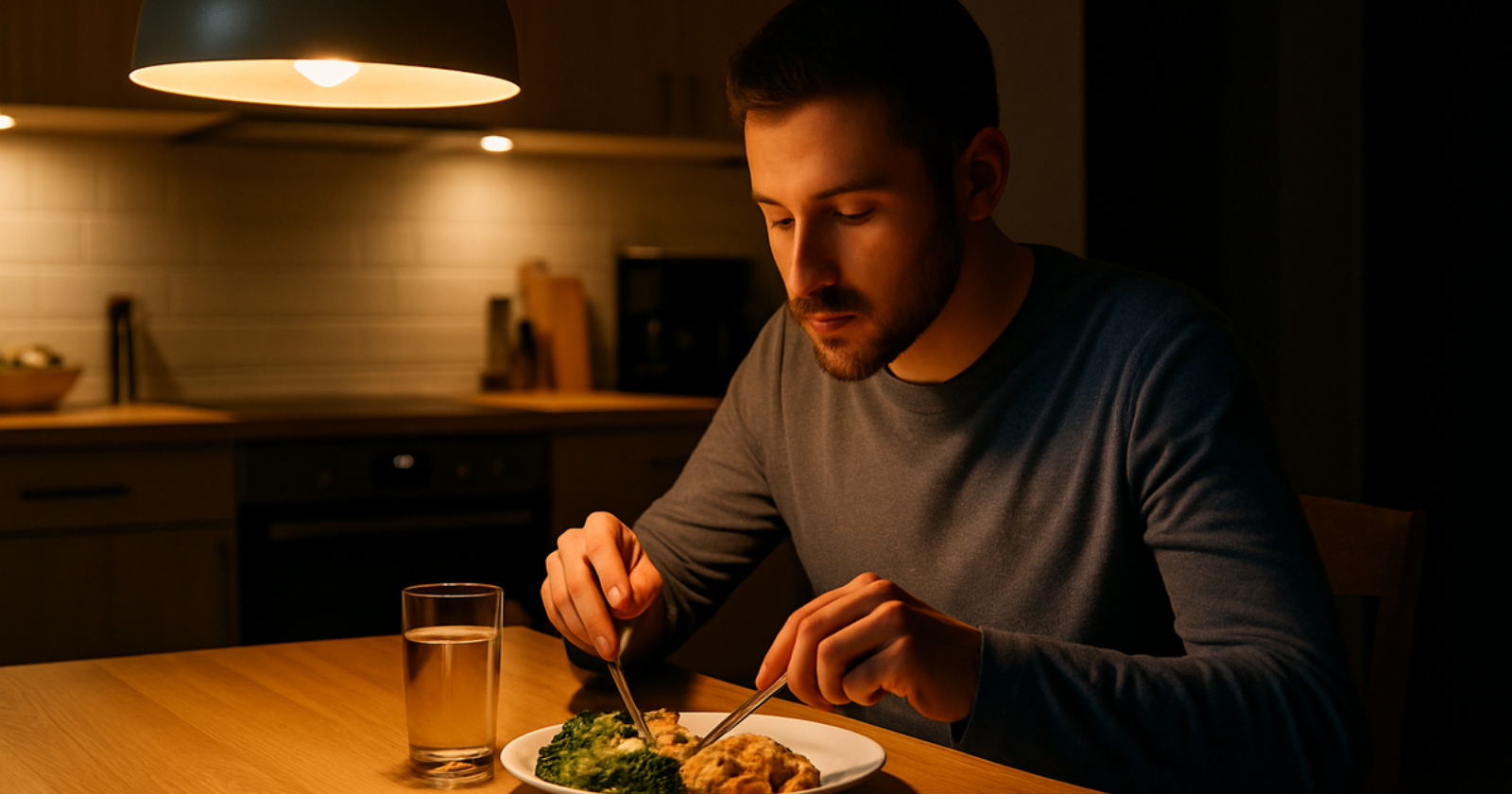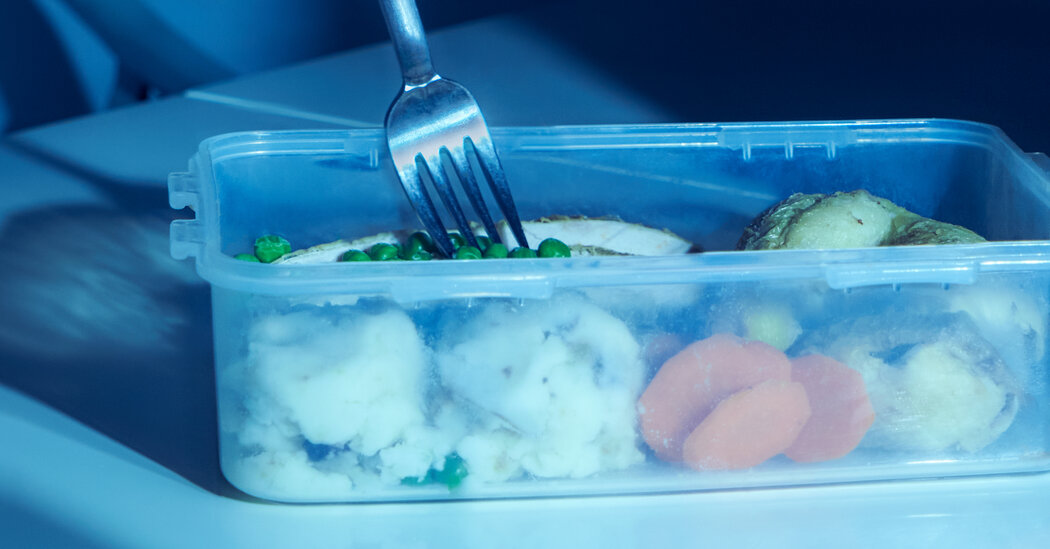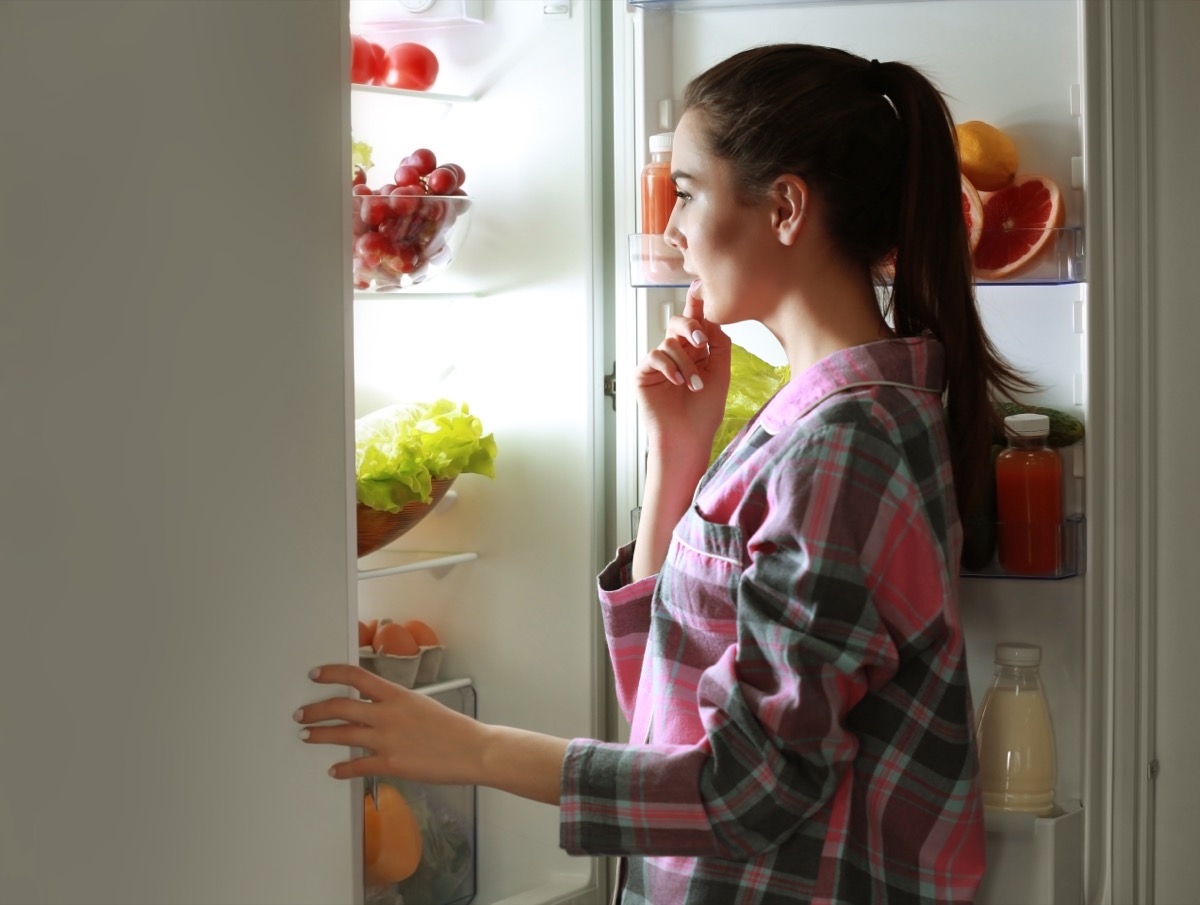
Doctors suggest that habits like eating large meals late at night, consuming energy drinks, leading a sedentary lifestyle, and chronic stress can drain your energy. To boost energy levels, eat your biggest meal earlier in the day, prioritize quality sleep, engage in regular exercise, and manage stress effectively. Persistent fatigue should be evaluated by a doctor.
An AIIMS-trained gastroenterologist highlights how habits like poor sleep, late-night meals, and toxin exposure can impair liver function, despite its ability to regenerate. Key tips include drinking coffee in moderation, maintaining good sleep, staying hydrated, and avoiding toxins and unsafe supplements to protect liver health.
People who eat dinner after 9 p.m. often do so due to their biological and social rhythms, not laziness, with traits like being night-owls, prioritizing deep work and social connections, and adapting to cultural norms. Recognizing these patterns can lead to more compassionate and effective approaches to late-night eating, emphasizing alignment with one's natural clock and environment.
The article highlights seven common bedtime habits that sabotage sleep quality, such as doomscrolling, late-night snacking, alcohol consumption, unprocessed stress, lack of routine, using the bed for activities other than sleep, and skipping gentle movement. It offers practical tips to replace these habits with healthier alternatives to wake up feeling refreshed and energized.
Eating late at night can have negative effects on your health. Studies have shown that eating dinner within three hours of bedtime can worsen heartburn and disrupt sleep. Late-night eating has also been linked to weight gain and metabolic issues, such as higher levels of HbA1c and spikes in blood sugars and fats. While these studies cannot prove causation, they suggest that meal timing plays a role in health. It is recommended to avoid eating for three to four hours before bedtime and to consume smaller, nutritious meals or snacks if eating late at night.
Late-night eating has been linked to higher rates of obesity, affecting hunger levels, calorie burning, and fat storage. Naturopathic doctor Janine Bowring recommends three foods for late-night snacking: a small handful of nuts (such as almonds, macadamia nuts, or hazelnuts) for protein and satiating fat, seeds (like tahini or sunflower seeds) for minerals and sleep support, and "golden milk" (a blend of plant-based milk, turmeric, and spices) for a good night's sleep and anti-inflammatory benefits.
Registered nutritionist and health coach Meaghan Greenwood debunks two common late-night eating myths. Firstly, eating late at night does not automatically cause weight gain, but overconsumption of calories throughout the day does. Secondly, consuming carbohydrates at night does not lead to weight gain, and may even promote better sleep quality and weight loss. However, consuming high-calorie foods and alcohol late at night can lead to weight gain. What matters is the total calorie intake and exercise during the day.