Tag

Marine Predators

All articles tagged with #marine predators

science2 months ago

Researchers Uncover Dinosaur Egg Mystery in Surprising Location

Researchers have discovered that many dinosaurs, including Protoceratops, likely laid soft-shelled eggs, which are less likely to fossilize, explaining their rarity in the fossil record. This finding, supported by chemical analysis, suggests soft eggshells were common even late in the dinosaur era and may have been used by marine predators like mosasaurs, indicating diverse reproductive strategies among prehistoric creatures.
science6 months ago

Great White Sharks Face Their Deadliest Rival

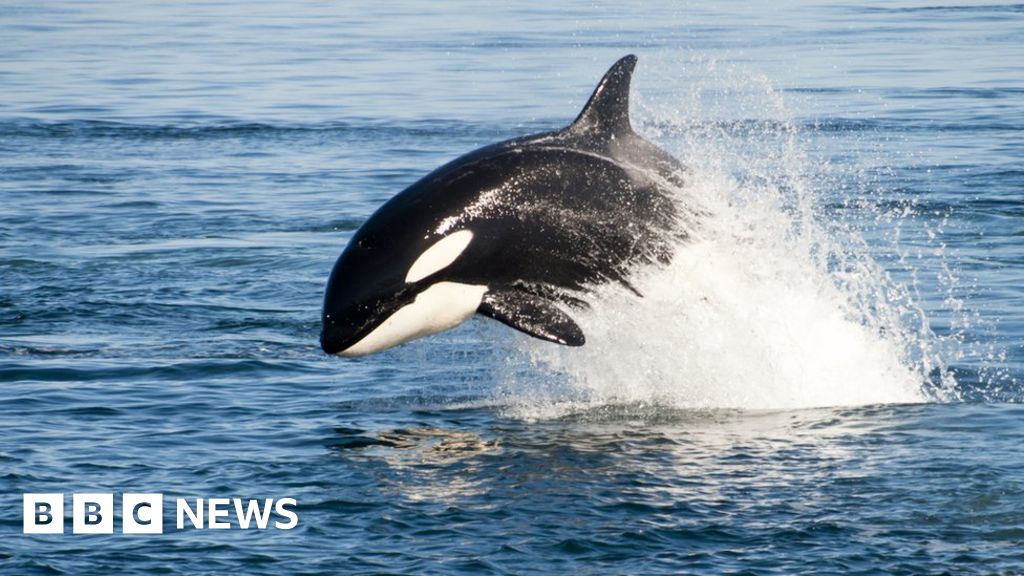
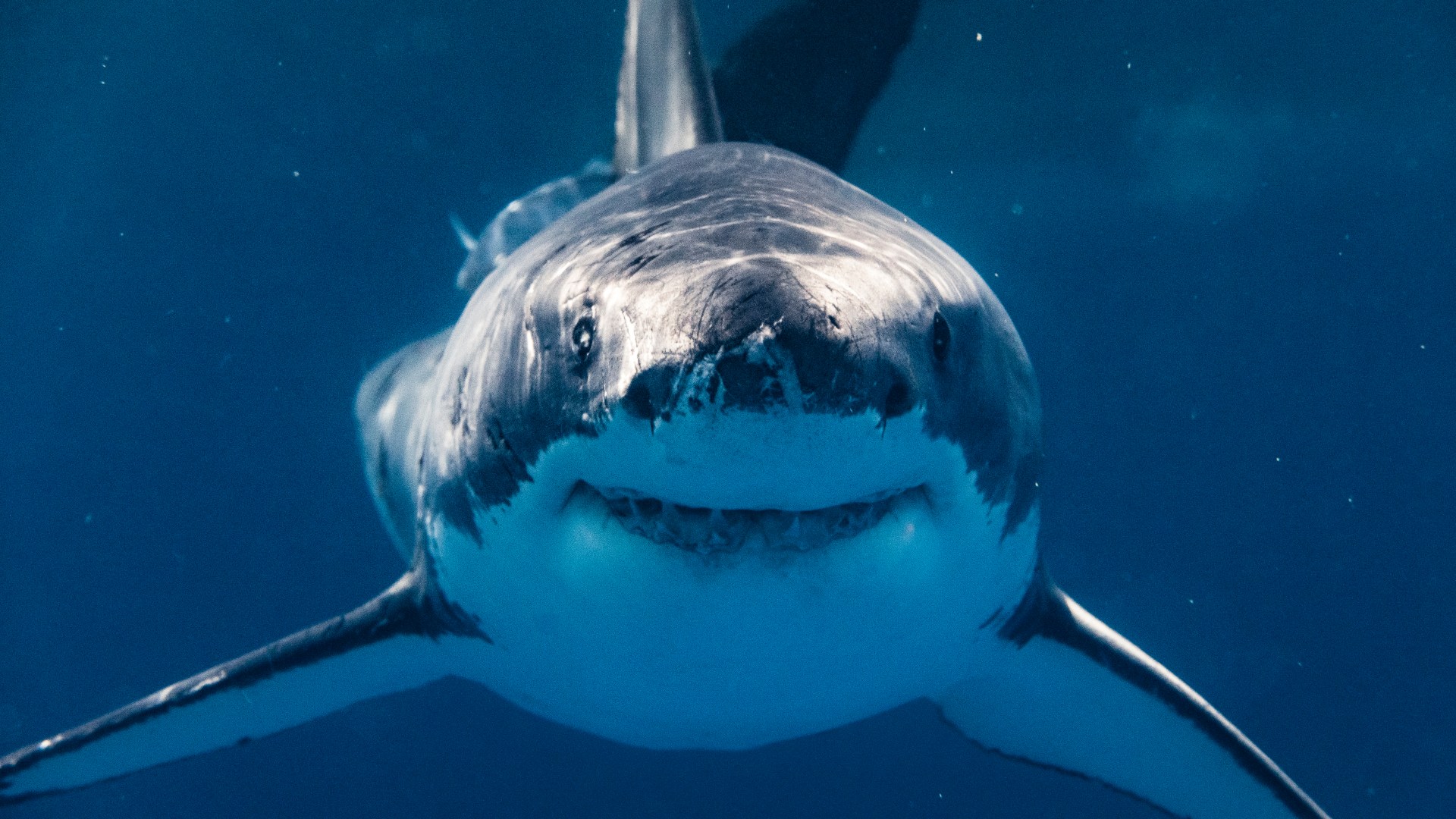
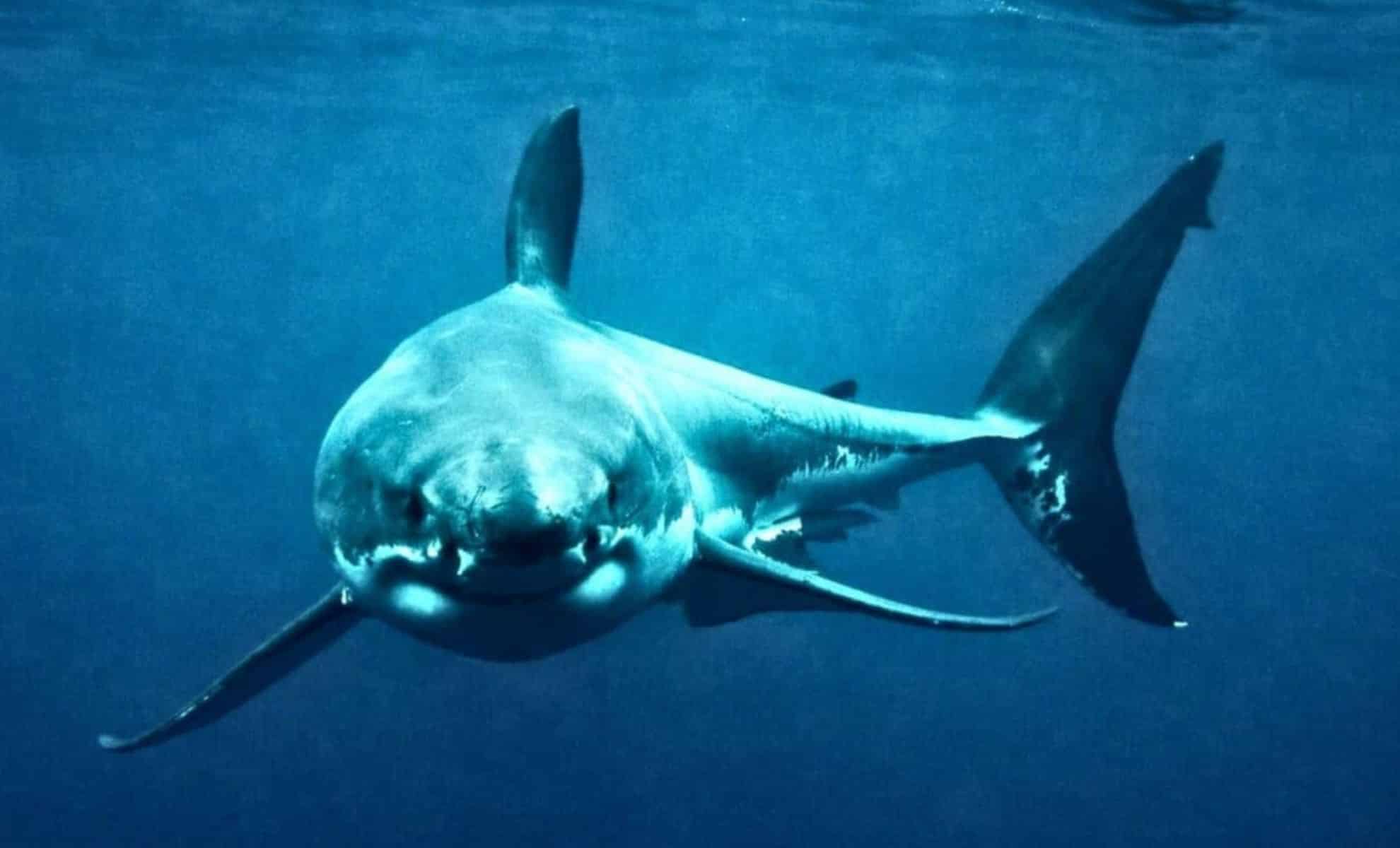
Great white sharks, long the ocean's top predators, are now being preyed upon by orcas in Australian waters, marking a significant shift in marine predator dynamics. Evidence shows orcas targeting sharks' livers with surgical precision, which could lead to declines in shark populations and broader ecological impacts. This behavior, previously observed in South Africa, is spreading, indicating a potential change in the marine food chain.

science-and-nature1 year ago

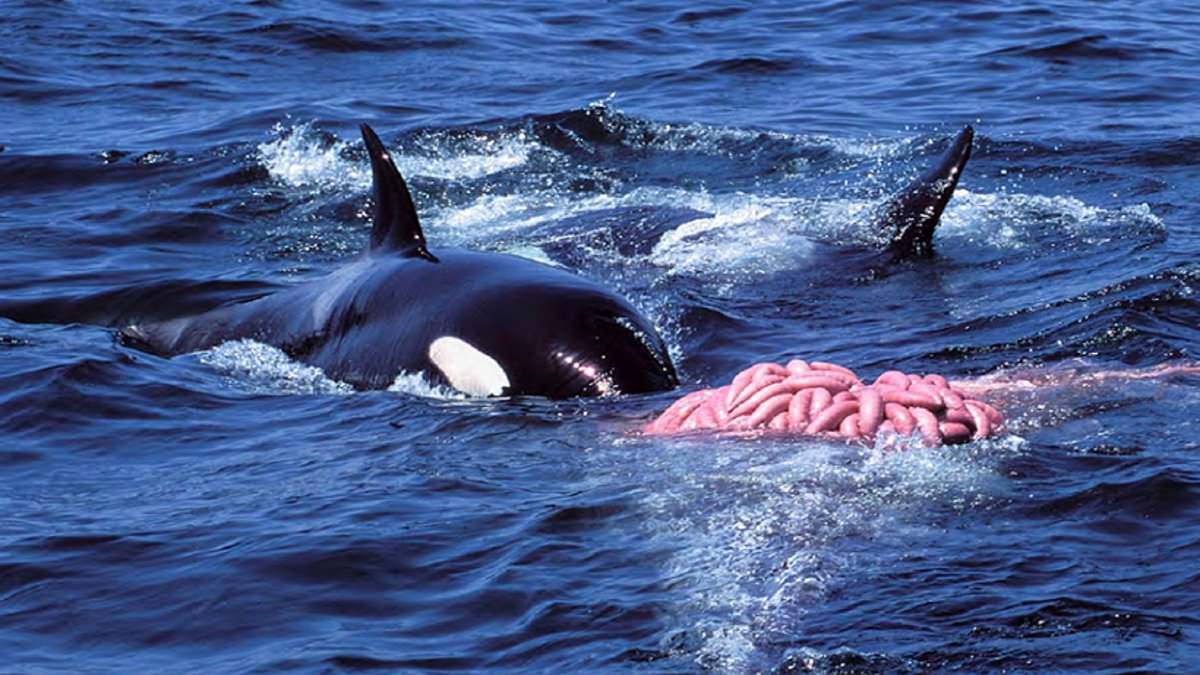
"Study Reveals Californian Killer Whales' Specialized Hunting Tactics"

A study of killer whales in Monterey Bay has revealed their violent hunting techniques, including headbutting and tail slapping to stun prey. The whales predominantly hunt sea lions, grey whale calves, and elephant seals, using different tactics depending on the environment. The research provides insights into predator-prey interactions in the area's submarine canyon and deep-water environment, shedding light on the behavior of these apex predators. The study also highlights the distinct hunting behaviors of different killer whale groups, such as transients, residents, and offshores, and their adaptation to changing environmental conditions.

paleontology1 year ago

"Dagger-Toothed Sea Monster: Unveiling the Evolution of Ocean Predators from the Dinosaur Era"

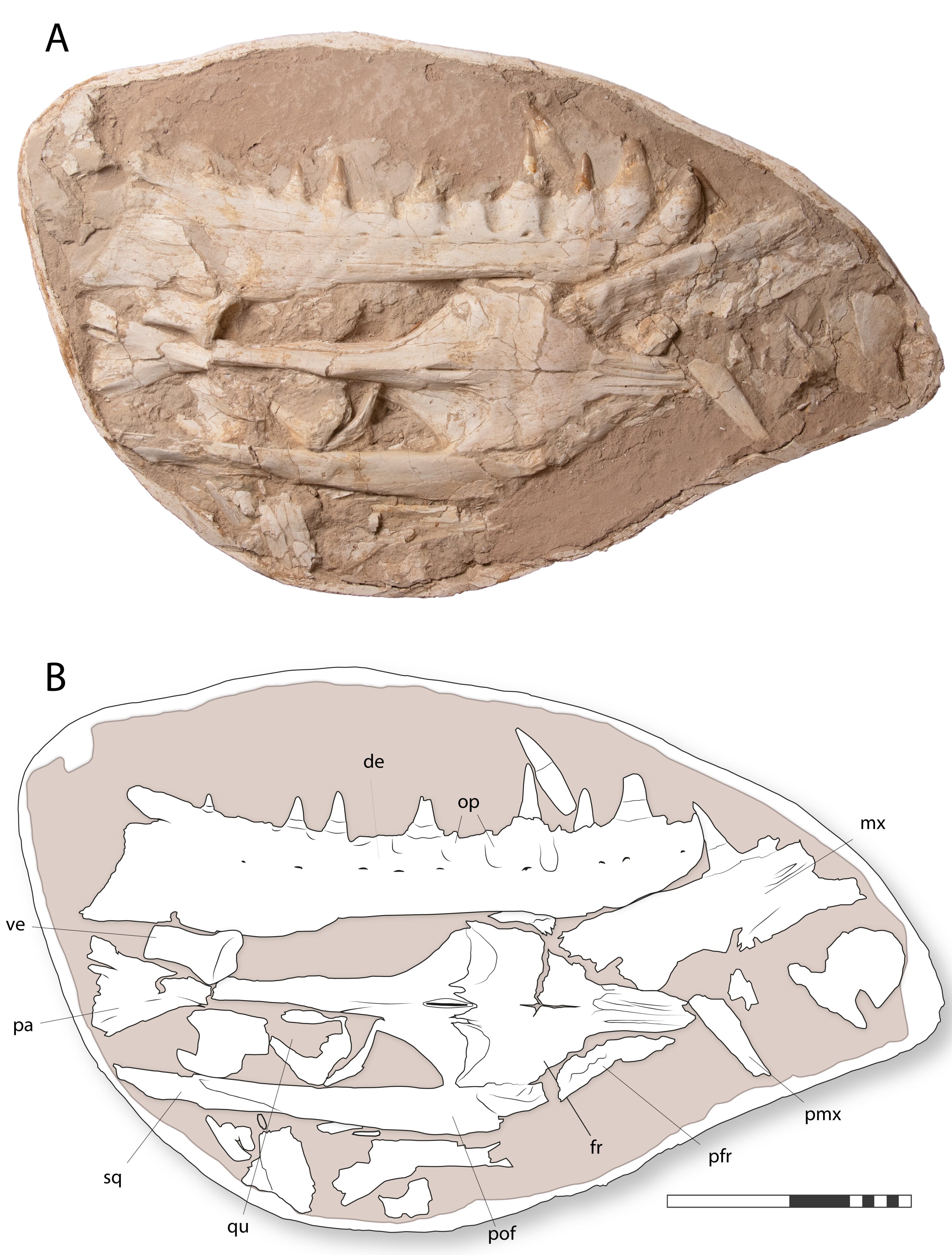
Paleontologists have discovered a new species of marine lizard, Khinjaria acuta, with dagger-like teeth that lived near the end of the dinosaur era, revealing a dramatically different ocean ecosystem compared to today. The study, based on fossils found in Morocco, shows an extraordinarily diverse fauna of predators, including multiple species larger than great white sharks, just before the dinosaurs went extinct. The findings shed light on the significant changes in marine ecosystems following the asteroid impact that wiped out the dinosaurs, leading to the disappearance of mosasaurs, plesiosaurs, and giant sea turtles, and the emergence of new marine predators like whales and seals.

science1 year ago

"Orcas' Predation on Great White Sharks: Implications for Ecosystem and Fishing Industry"

A solitary killer whale has been filmed hunting and killing a great white shark off the coast of South Africa in an "unprecedented" and "astonishing" attack, showcasing the exceptional predatory skills of orcas. This behavior raises questions about the impact of killer whale predation on shark populations and the wider marine ecosystem, with potential repercussions for other species. Scientists believe that human activities, such as climate change and industrial fishing, may be influencing these interactions, and there are concerns about the health effects on killer whales from consuming toxins and metals found in shark flesh.

marine-biology2 years ago

"Great White Sharks Venture into the Mysterious Depths of the Ocean's 'Twilight Zone'"

Researchers have discovered that great white sharks are diving thousands of meters deeper than usual into the ocean's twilight zone, leaving experts puzzled about the reason behind these deep dives. A study tracking 12 species of large predatory fish, including great white sharks, found that they frequently ventured into the twilight zone and even deeper into the midnight zone. The purpose of these visits to the dark depths, where little light penetrates, remains unclear as these animals typically feed in shallower waters. The findings suggest that the twilight zone is an overlooked crucial habitat for marine life, and further research is needed to understand the predator-prey interactions and resources in this region.

science2 years ago

Mysterious Twilight Zone Encounters: Great White Sharks Baffle Scientists

Great white sharks and other large marine predators have been observed diving into the twilight and midnight zones of the ocean, far below their feeding depths, leaving scientists puzzled. A study analyzed the diving patterns of various predatory fish and found that they regularly spend time in the mesopelagic zone, between 656 and 3,280 feet, and even in the midnight zone, 3,280 to 9,800 feet beneath the surface. The presence of these predators in these zones suggests that the deep ocean is an important habitat, possibly due to the abundance of prey in the deep scattering layer. The study highlights the need to understand and protect this overlooked ecosystem.

marine-ecology2 years ago

"Delving into the Abyss: Unraveling the Secrets of Marine Predators' Deep Sea Dives"

New research using electronic tags and sonar data reveals that large marine predators, such as sharks and tunas, frequently dive into the deep mesopelagic zone, also known as the twilight zone, to interact with its dense layer of organisms for feeding and potentially other purposes. This study highlights the ecological importance of the mesopelagic zone and emphasizes the need for its conservation to prevent irreversible damage. The findings also raise questions about the motivations behind deep diving behaviors and the potential ecosystem services provided by this critical habitat.

science2 years ago

Unraveling the Mystery of Deep Sea Diving Animals and Open Ocean Biomass Distribution

A new study reveals that large predatory fishes, including sharks, tunas, and billfish, frequently visit the deep ocean, particularly the mesopelagic zone. This zone, known as the ocean's twilight zone, has been underestimated as critical habitat for these species. The study, which incorporated data from electronic tags, shipboard sonar, satellites, and ocean models, highlights the ecological significance of deep diving for large pelagic predators. The research emphasizes the importance of a healthy mesopelagic zone, which provides various benefits and ecosystem services to humans. The findings also raise questions about the reasons behind these deep dives and the potential impacts of fishing and extraction activities on this critical ecosystem.

marine-biology2 years ago

Unprecedented Bond: Two Great White Sharks Forge Unlikely Friendship

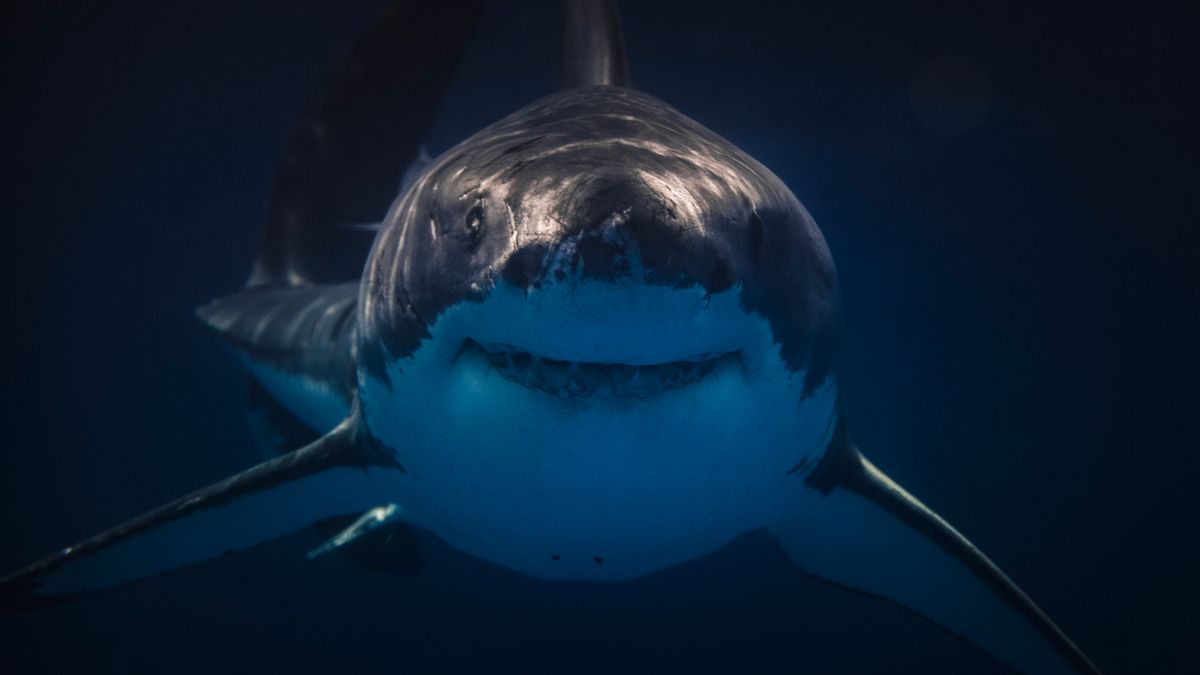
Two male great white sharks have been observed swimming together for over 4,000 miles from the southeast U.S. to Canada, which is unusual as great white sharks are typically solitary creatures. The sharks, nicknamed Simon and Jekyll, were tagged with tracking devices by researchers and have been following a similar path along the coast. Scientists are puzzled by this behavior and are investigating whether the sharks might be related. This discovery adds to the growing evidence that white sharks may exhibit social behavior and interact with each other.

marine-biology2 years ago

Unexplained Friendship: The Mysterious Bond Between Two Great White Sharks

Two male great white sharks, nicknamed Simon and Jekyll, have been observed traveling together for over 4,000 miles from the southeast U.S. to Canada, which is unusual behavior for these typically solitary animals. Scientists are puzzled by this phenomenon and are studying tissue samples to determine if the sharks are related. Tracking data shows that the sharks have been following a similar path along the coast, occasionally diverging but ultimately reuniting. This discovery adds to the growing evidence that white sharks may exhibit social behavior and interact with each other.

science2 years ago

Cracking the Culinary Code of the Whitespotted Eagle Ray through DNA Analysis

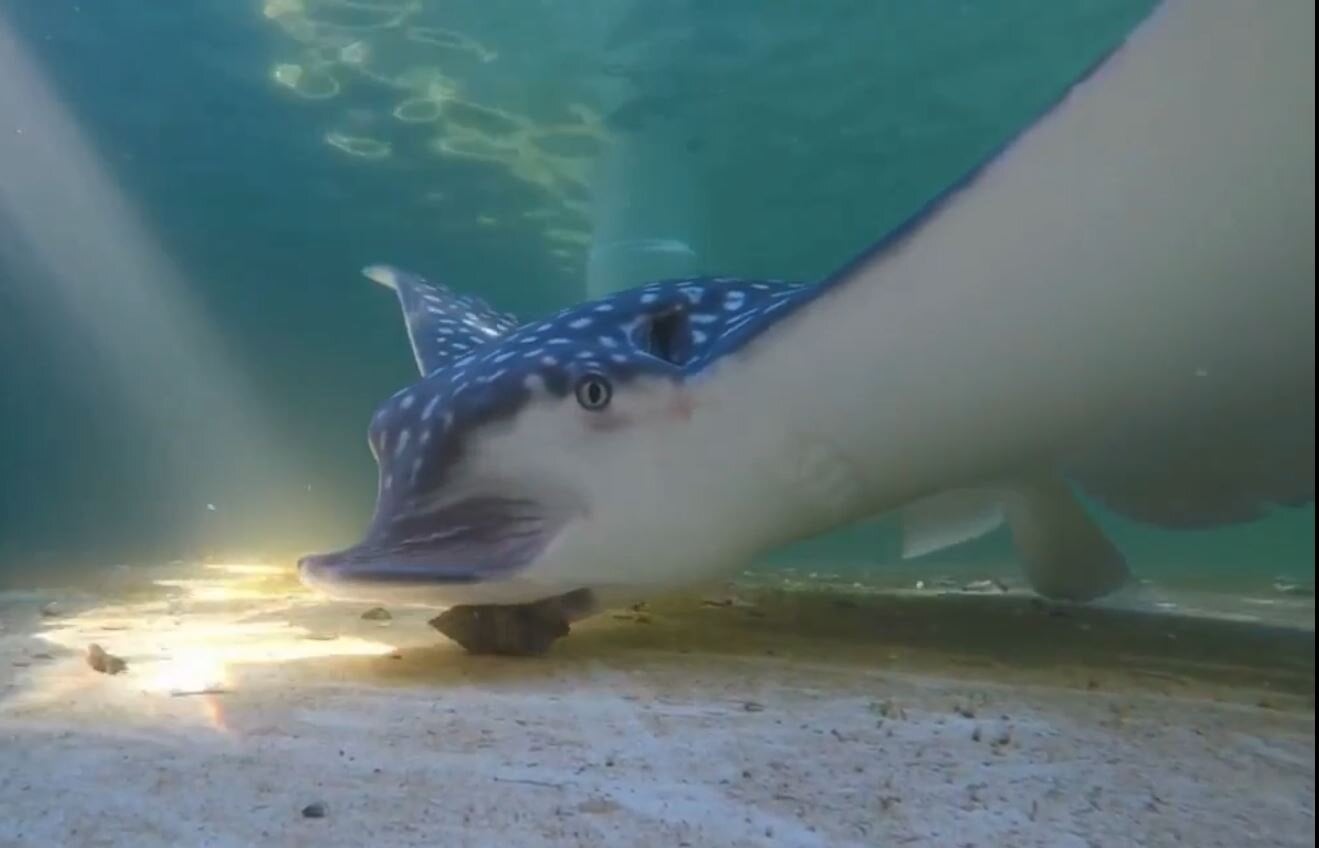
Researchers at Florida Atlantic University's Harbor Branch Oceanographic Institute, in collaboration with Mote Marine Laboratory & Aquarium, have used a combination of visual-based gut content analysis and DNA barcoding to uncover the diet of the whitespotted eagle ray in U.S. coastal waters. The study reveals that the ray has a broader diet than previously described, with highly variable preferences across different regions of Florida. While they did not find commercially important bivalves in their diet, they did find high proportions of cockles and wedge shells, as well as predatory conchs. The findings have implications for shellfish enhancement activities and species management, suggesting that the rays can play a role in reducing predation threats to bivalve shellfish operations.