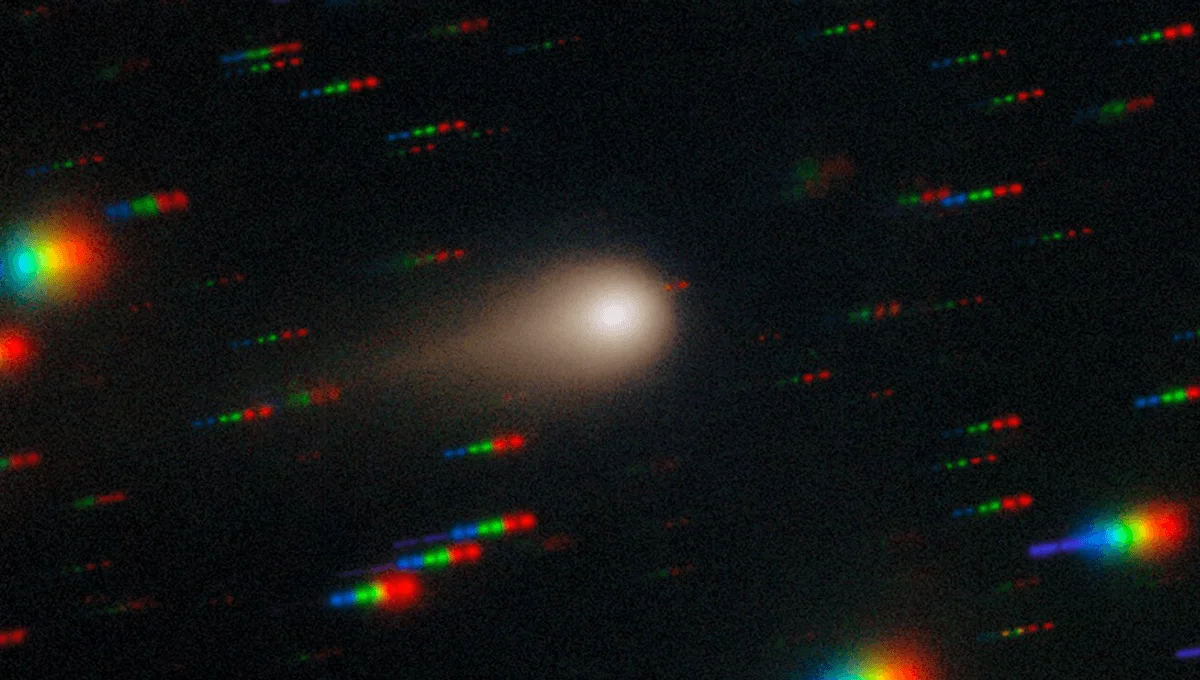
Keck Observatory's analysis of interstellar comet 3I/ATLAS revealed unusual spectral features, including a rare anti-solar tail and unexpected metal abundances, raising intriguing questions about its composition and origin.
Astronomers observed a supernova, SN 2021yf, that revealed the star's inner layers of heavier elements like silicon, sulfur, and argon, challenging existing models of stellar death and suggesting a new, more violent pathway for massive stars to end their lives. This discovery supports some theories but also raises questions about the extent of material ejection before supernova explosions, indicating potential new types of stellar explosions.
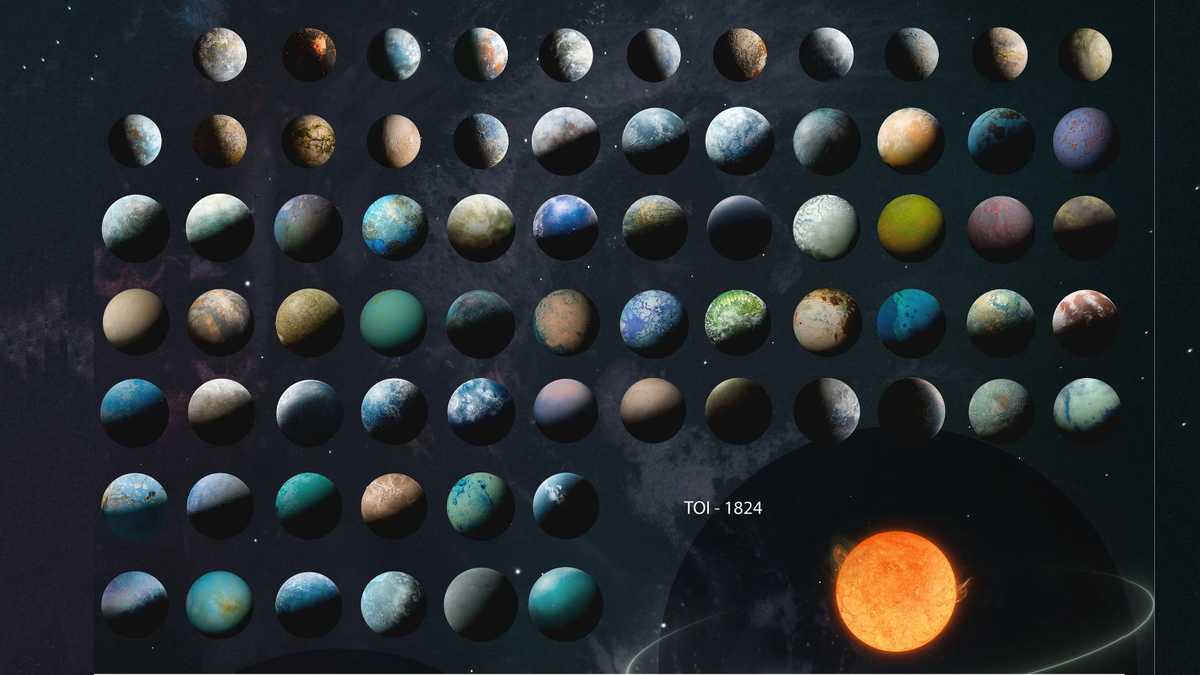
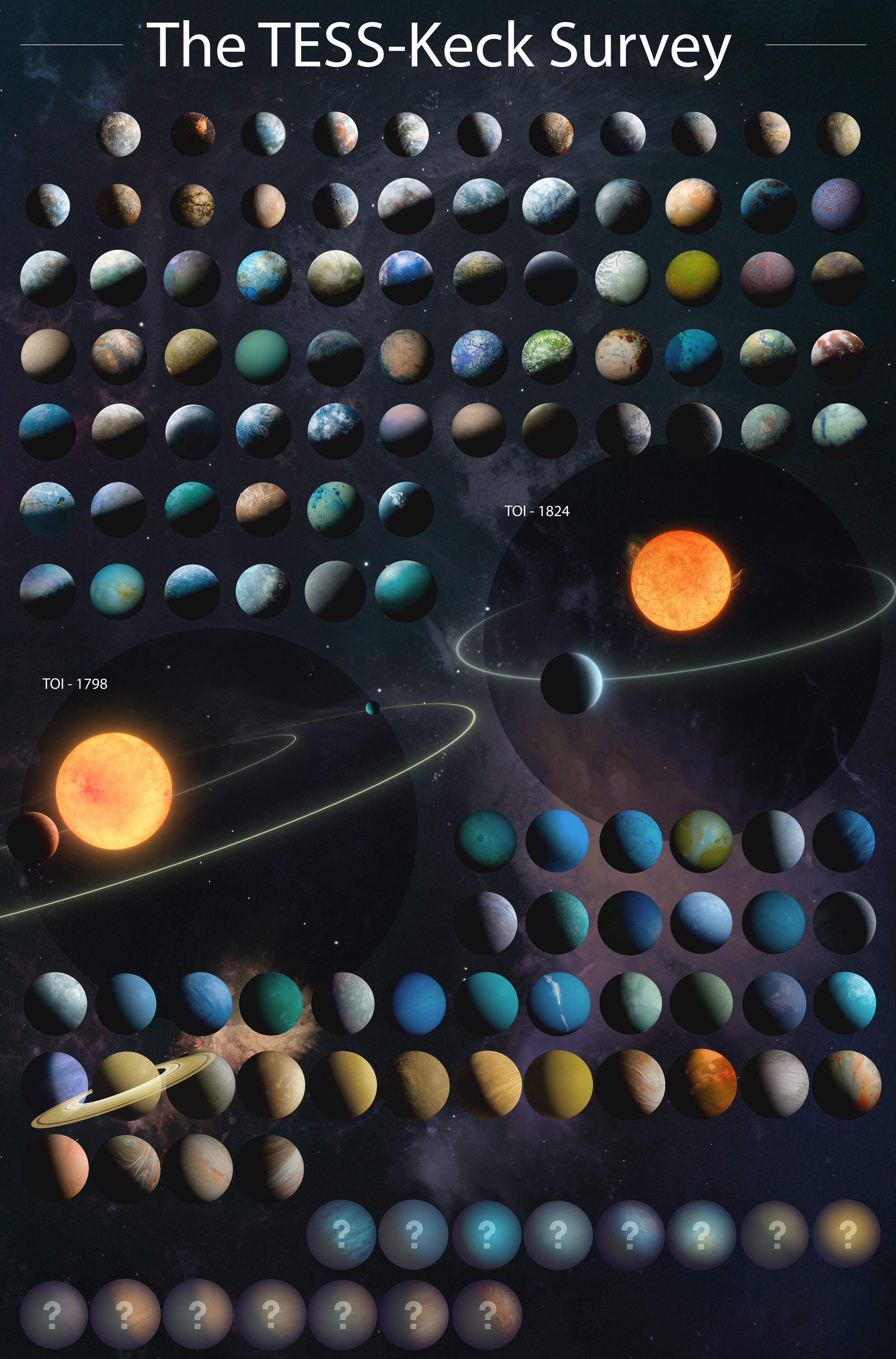
NASA's new TESS-Keck Survey catalog has unveiled 126 exoplanets, showcasing a diverse array of extreme and exotic worlds. This catalog, created using data from the Transiting Exoplanet Survey Satellite (TESS) and the W.M. Keck Observatory, includes detailed measurements of planet mass and radius, providing insights into their composition and formation. The findings highlight the vast diversity of planetary systems and may help scientists understand the uniqueness of our solar system.
An international team of scientists has released a NASA catalog featuring 126 newly discovered exoplanets with detailed measurements, enhancing our understanding of planetary diversity and formation. Using data from the TESS and Keck Observatory, the catalog includes planets with extreme environments and potential habitability, contributing significantly to the study of planetary systems and the search for life beyond Earth.
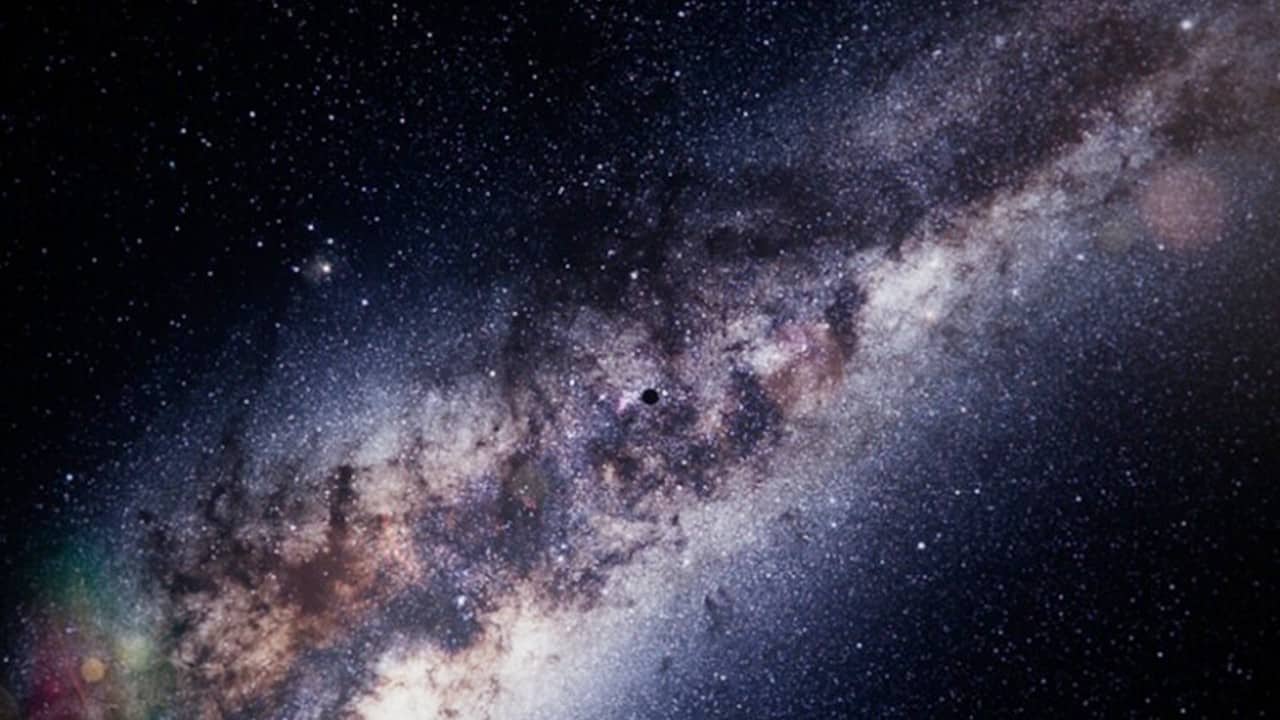
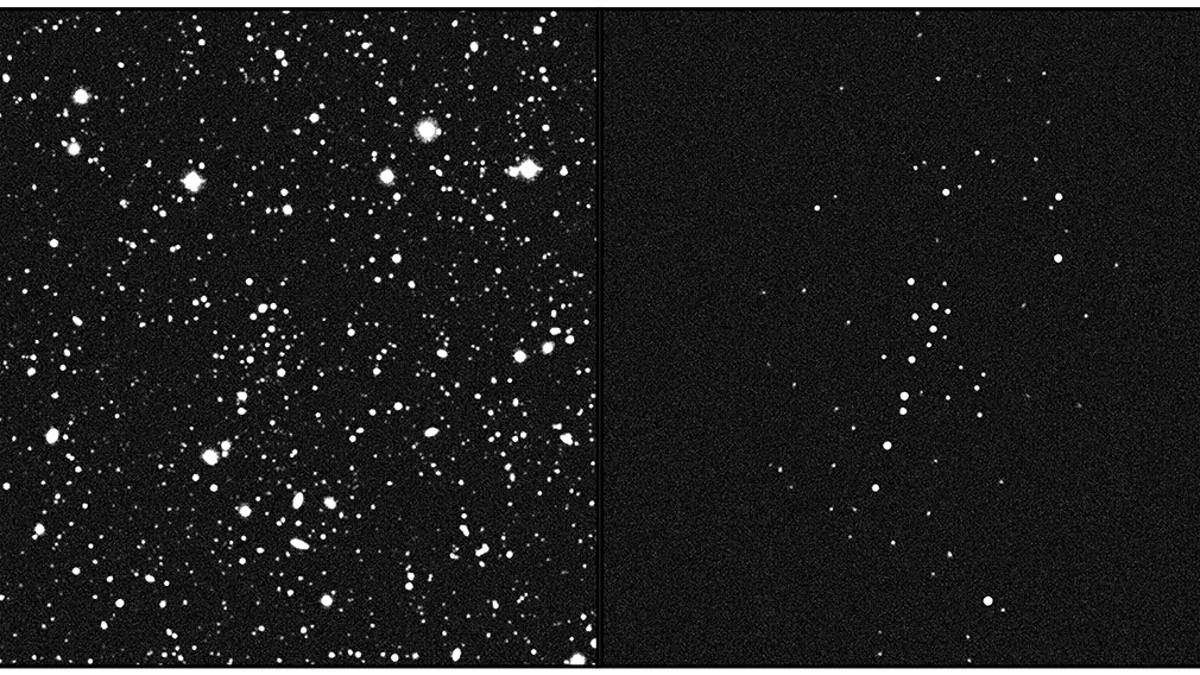
Scientists have discovered a micro galaxy, Ursa Major III / UNIONS 1 (UMa3/U1), orbiting the Milky Way, challenging previous knowledge about celestial structures. This cluster of stars, located 30,000 light-years away, is the faintest and lowest-mass satellite ever detected within our galaxy and may be predominantly governed by dark matter. The micro galaxy, made up of approximately 60 ancient stars, defies conventional categorization and its existence may challenge our understanding of galaxy formation and the definition of a galaxy. The discovery was made possible by the Keck Observatory's Deep Imaging Multi-Object Spectrograph, and it may shed light on the influence of dark matter on visible matter in the universe.
Astronomers have discovered a faint and tiny collection of stars, Ursa Major III / UNIONS 1 (UMa3/U1), orbiting the Milky Way, possibly dominated by dark matter and challenging our understanding of galaxy formation. The system, located 30,000 light-years away, consists of around 60 10-billion-year-old stars and may be either a dwarf galaxy or a star cluster. The stars are gravitationally bound together, and the team's analysis suggests that dark matter is responsible for holding them in their group. This discovery may have implications for the Lambda Cold Dark Matter (LCDM) model and could potentially redefine the concept of a 'galaxy.'
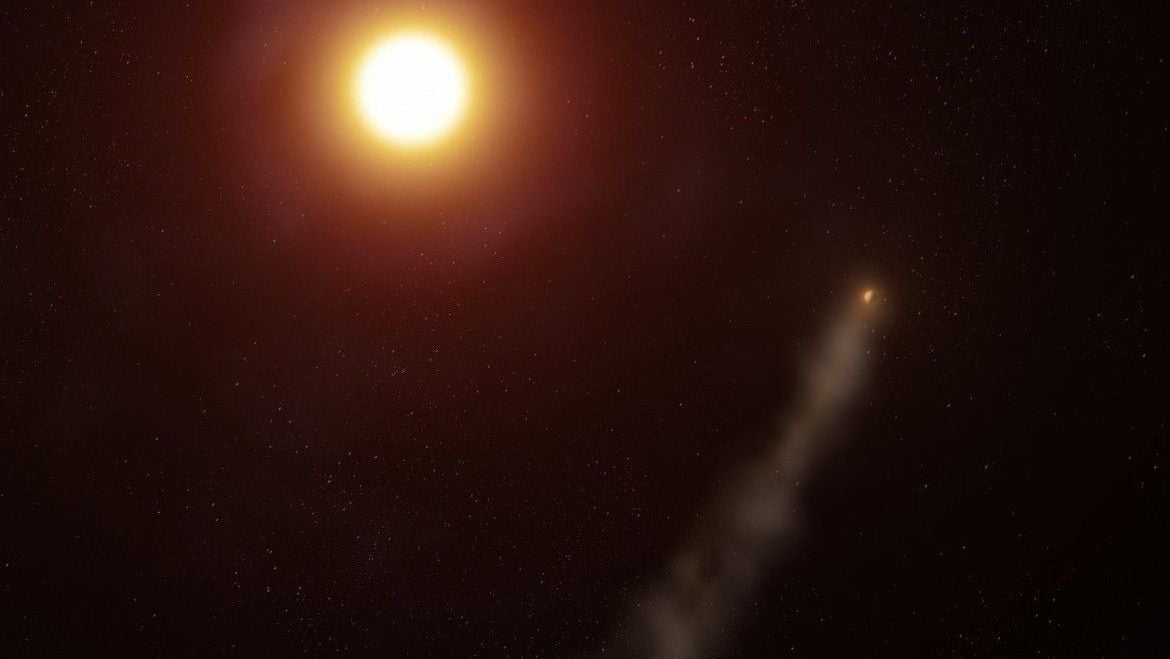
The exoplanet WASP-69b, located 160 light-years from Earth, is trailing a massive comet-like tail approximately 350,000 miles long as its atmosphere is blown off by its parent star. New observations from the Keck Observatory in Hawaii reveal that the planet's atmosphere is escaping at a rate of 200,000 tons per second, forming an expansive tail not previously seen. This discovery provides a rare opportunity to study atmospheric mass-loss in real time and understand the critical physics that shape thousands of other planets.
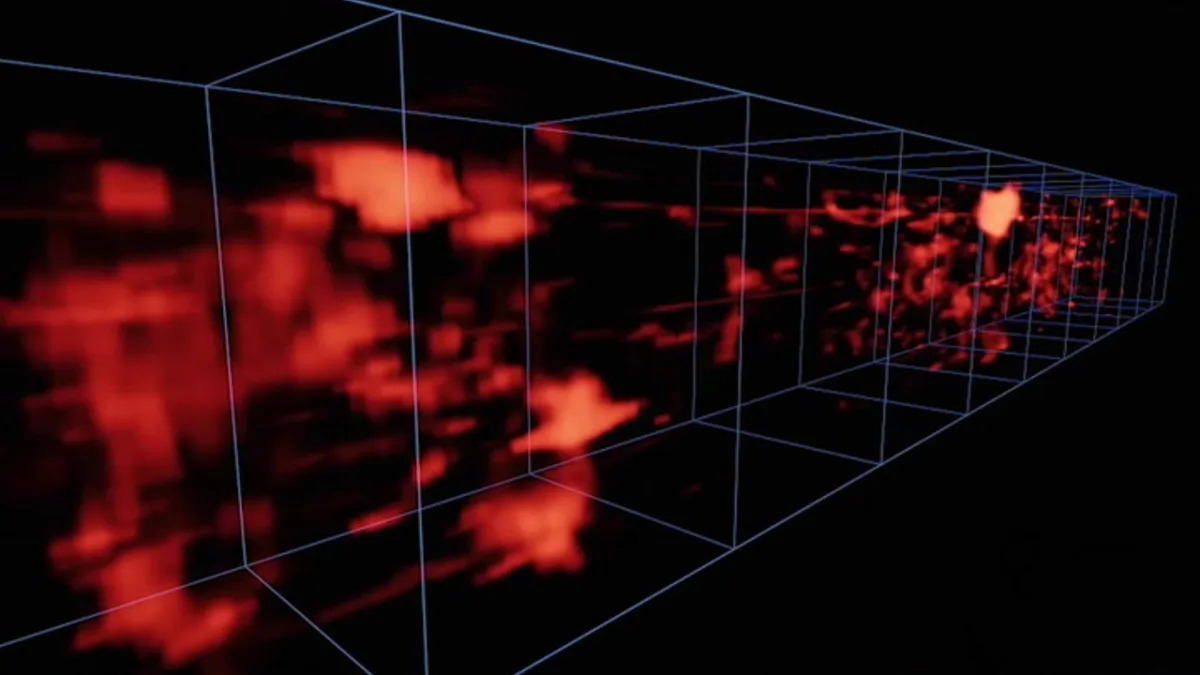
Astronomers have captured the faint glow of the cosmic web, the largest structure in the universe that connects galaxies, for the first time. This breakthrough provides valuable insights into galaxy formation, evolution, and the elusive dark matter. By using the Keck Cosmic Web Imager, researchers created a 3D map of the cosmic web by detecting emissions from hydrogen gas. The images reveal the crisscrossing filaments of the cosmic web, which feed galaxies with gas for growth and star formation. This discovery opens up new possibilities for studying the universe and understanding its origins.
Astronomers have found that young supermassive stars near the Milky Way’s black hole are single, not binary, a finding contrary to normal supermassive star formation. The black hole’s extreme environment causes these stellar binaries to merge or disrupt, leading to fewer binary pairs compared to similar stars near Earth. This suggests the black hole’s influence on gravitational waves production and hypervelocity star creation.
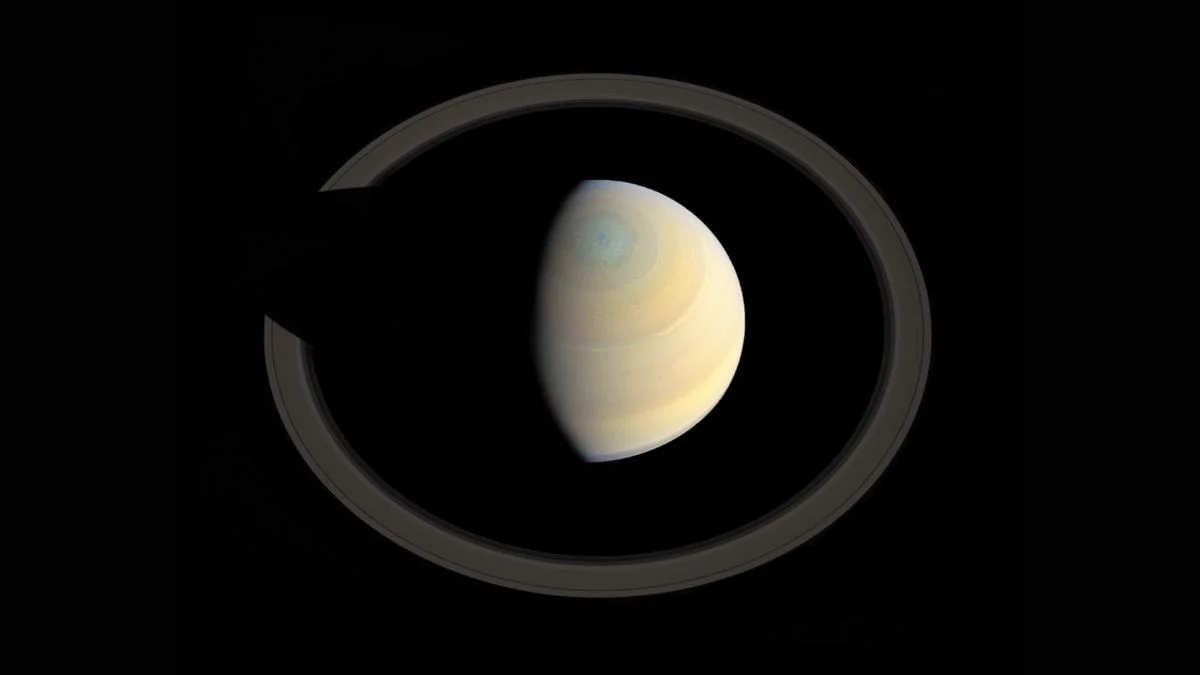
Saturn's iconic rings are disappearing, and the rate at which they are shrinking is still uncertain. To better estimate the lifetime of the rings, NASA's James Webb Space Telescope and the Keck Observatory in Hawaii will be part of a long-term observation campaign to study the planet. The telescopes will help monitor how the "ring rain" phenomenon fluctuates during one full season on the gas giant, which lasts about seven Earth-years thanks to its orbit far away from the sun. The new research will help with forecasting the fate of the rings, and astronomers hope to narrow down the range of how much ring material is raining onto the planet.