Tag

Dwarf Galaxy

All articles tagged with #dwarf galaxy

science2 months ago

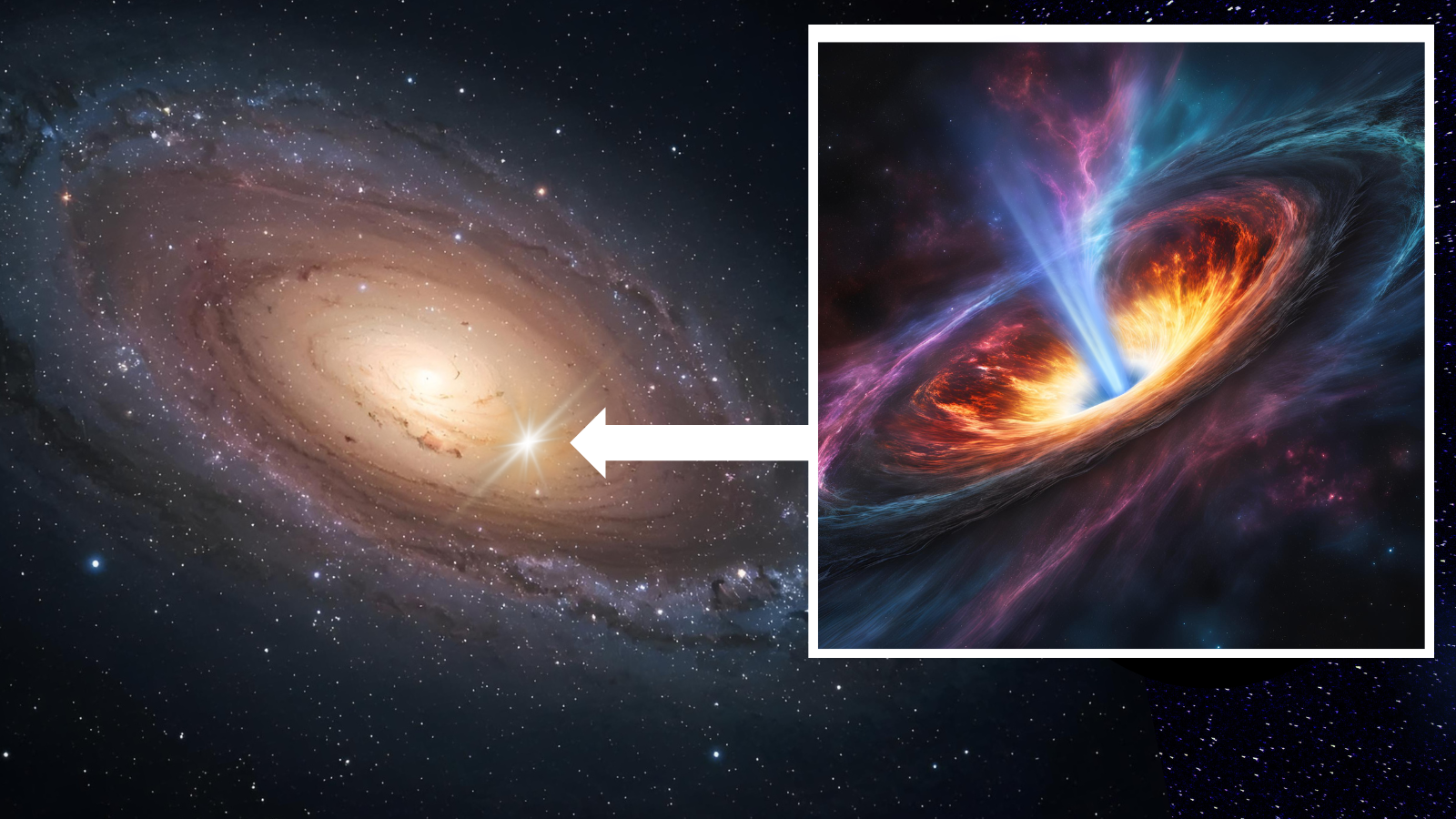
Giant Black Hole Discovered in Tiny Nearby Galaxy

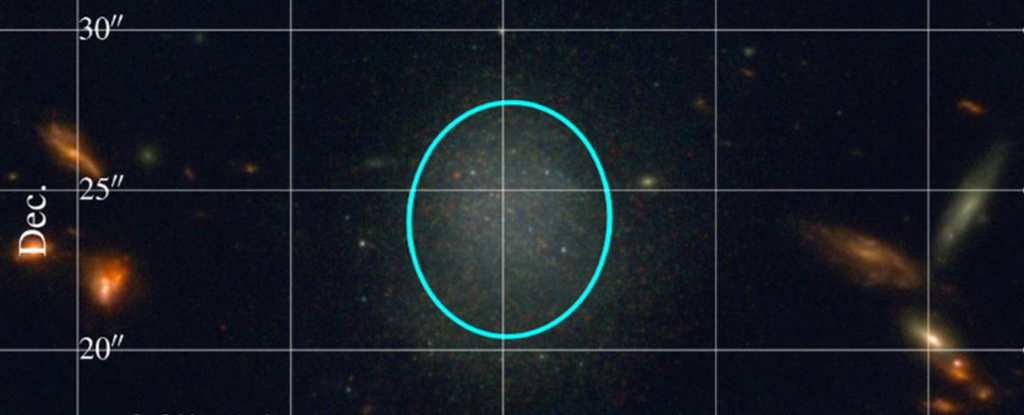
Scientists discovered an unexpectedly large black hole at the center of the tiny galaxy Segue 1, challenging previous beliefs that such small galaxies are primarily held together by dark matter. The black hole, about 450,000 times the mass of the sun, is more massive than all the galaxy's stars combined, prompting a reevaluation of galaxy formation and evolution theories.
science1 year ago

Rare Supernova Discovery May Alter Cosmic History

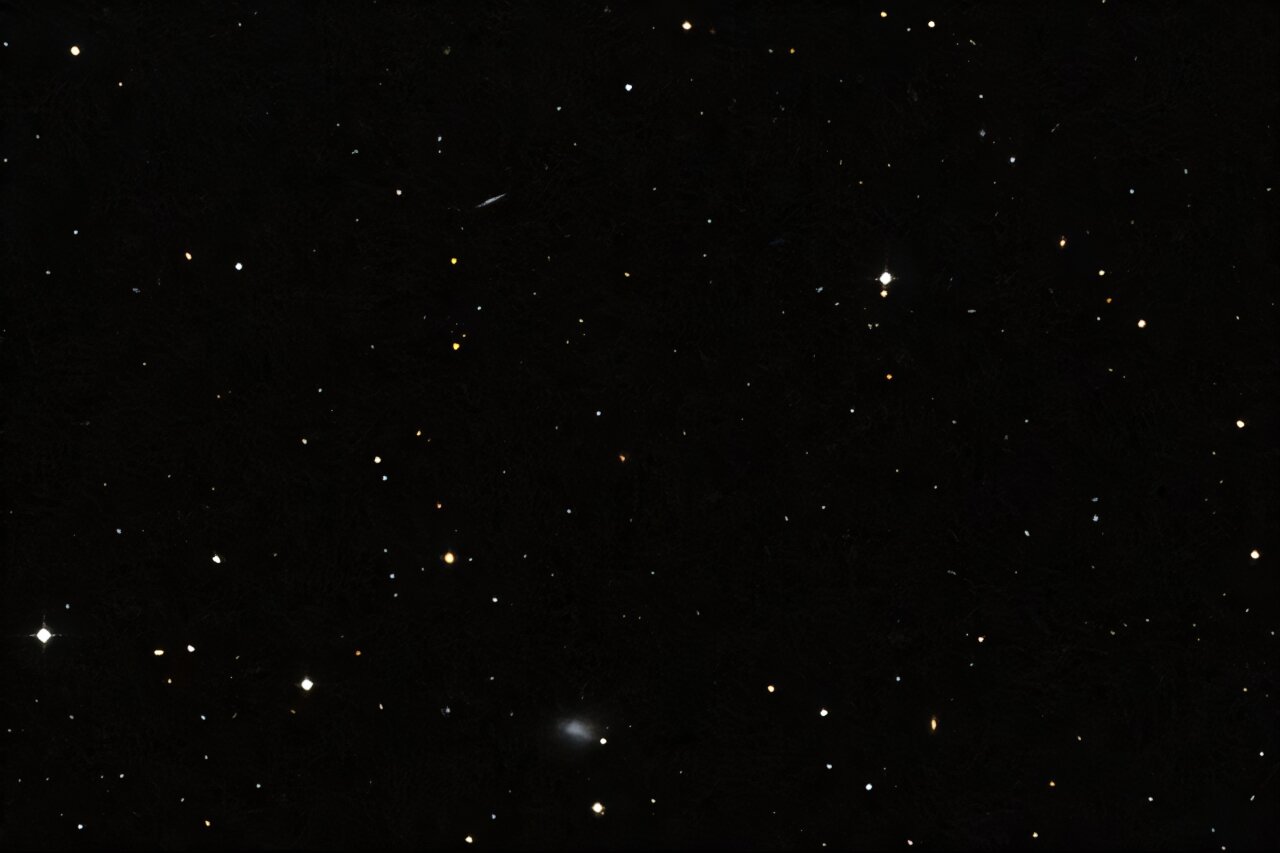
Astronomers have discovered supernova 2023ufx, the most metal-poor stellar explosion observed, in a dwarf galaxy. This finding provides insights into the early universe's conditions, aiding in understanding galaxy formation and evolution. The supernova's unique properties, such as its rapid brightness decline and fast-moving ejected material, suggest that rapidly spinning metal-poor stars were common in the early universe. The discovery, facilitated by advanced instruments like the James Webb Space Telescope, offers a benchmark for future studies on metal-poor stars and cosmic evolution.

astronomy1 year ago

"Discovery of Micro 'Galaxy' Orbiting Milky Way Challenges Galactic Classification"

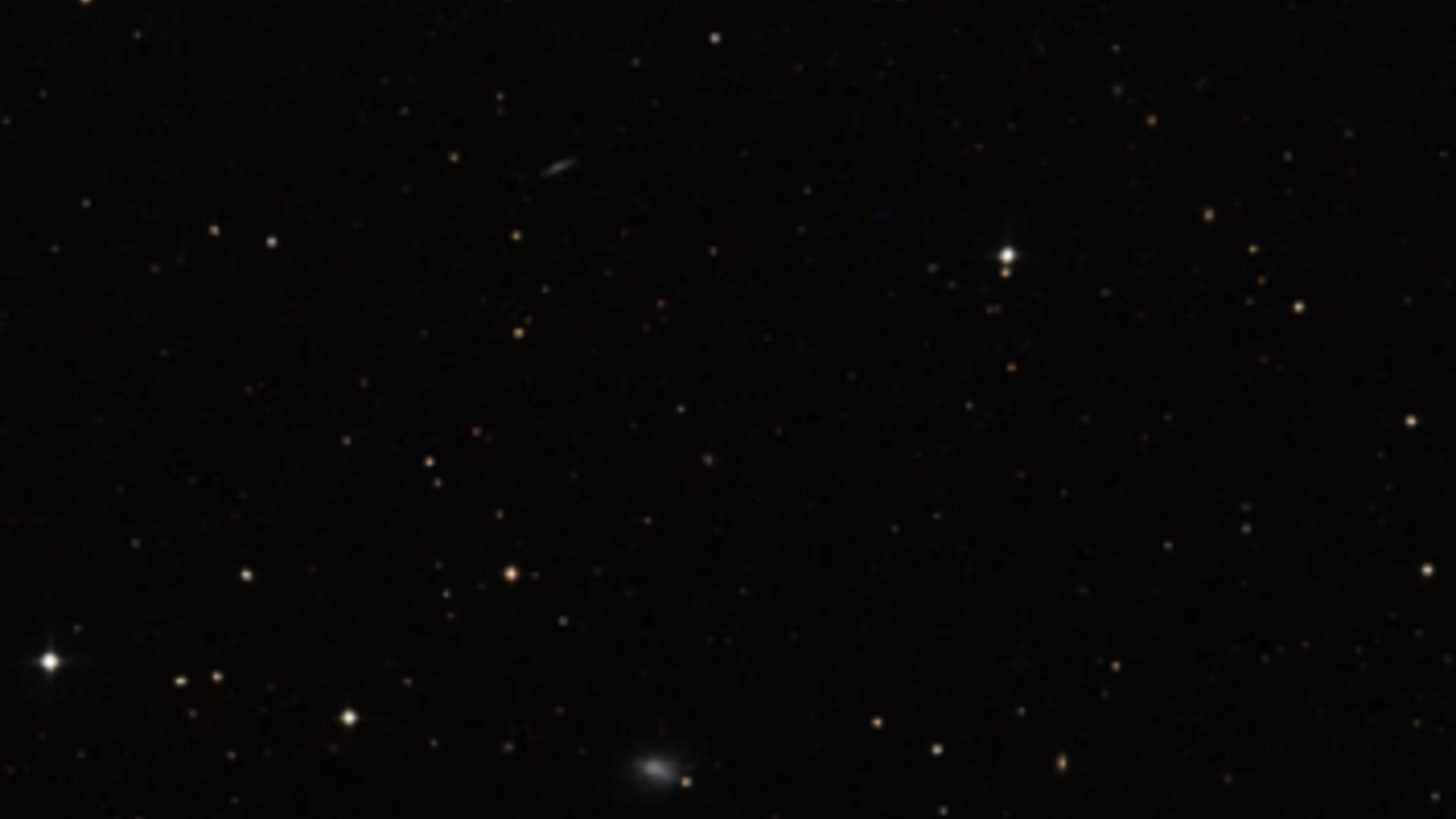
Astronomers have discovered a faint and tiny collection of stars, Ursa Major III / UNIONS 1 (UMa3/U1), orbiting the Milky Way, possibly dominated by dark matter and challenging our understanding of galaxy formation. The system, located 30,000 light-years away, consists of around 60 10-billion-year-old stars and may be either a dwarf galaxy or a star cluster. The stars are gravitationally bound together, and the team's analysis suggests that dark matter is responsible for holding them in their group. This discovery may have implications for the Lambda Cold Dark Matter (LCDM) model and could potentially redefine the concept of a 'galaxy.'

astronomy1 year ago

"Discovery of Ultra-Faint Star System Dominated by Dark Matter in Milky Way"

Astronomers have discovered a peculiar system of stars, Ursa Major III/Unions 1 (UMa3/U1), 30,000 light-years away, containing only 60 visible stars and possibly dominated by dark matter. Its nature is uncertain, with two possibilities: a tiny galaxy stabilized by dark matter or a star cluster observed at a unique time. If UMa3/U1 is a dwarf galaxy, it could provide insights into how the Milky Way formed and challenge current understanding of galaxy formation. The system's low luminosity has made it difficult to detect, and its discovery may lead to a new class of extremely faint stellar systems.

astronomy1 year ago

"Discovery of New Star System Orbiting Milky Way"

Astronomers have discovered UMa3/U1, the faintest star system ever observed orbiting the Milky Way galaxy, located 30,000 light-years away in the constellation Ursa Major. The system, containing a mere 60 stars spanning about 10 light-years across, poses a mystery as to whether it is a true dwarf galaxy or a star cluster, with the role of dark matter being a key factor. This discovery challenges our understanding of galaxy formation and offers the potential to revolutionize our understanding of the universe's structure.

astronomy1 year ago

"Stellar Populations in Metal-Poor Dwarf Galaxy Explored by Astronomers"

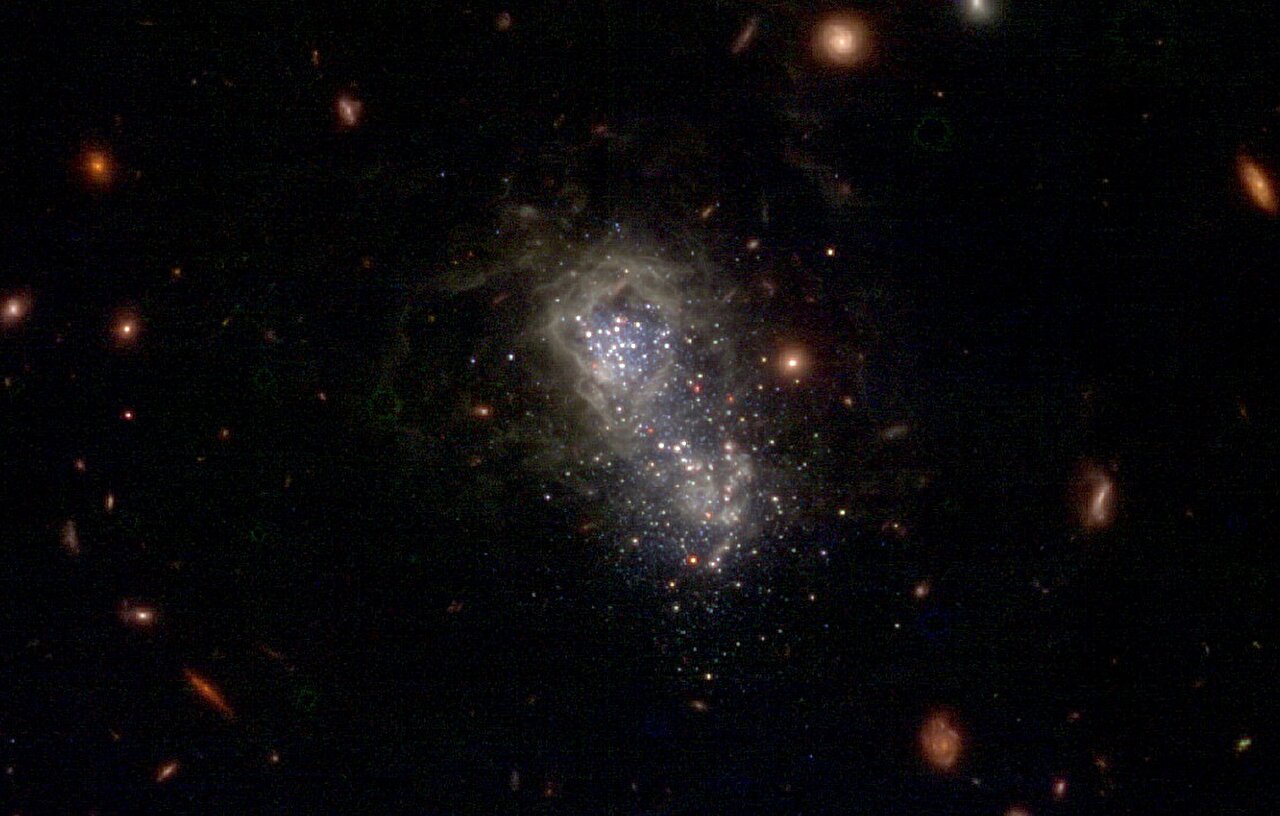
Astronomers have used the James Webb Space Telescope to study the stellar populations of the extremely metal-poor blue compact dwarf galaxy I Zwicky 18. Their observations revealed extreme populations of bright, recently formed massive stars, as well as candidate populations of dusty evolved stars and young stellar objects. The study provides important insights into the demographics of younger and older stellar populations in this galaxy, making it an ideal laboratory to study star demographics in an environment similar to that found shortly after the Big Bang.

astronomy1 year ago

"NASA's Hubble Telescope Captures Virgo Galaxy Cluster 52 Million Light-Years Away"

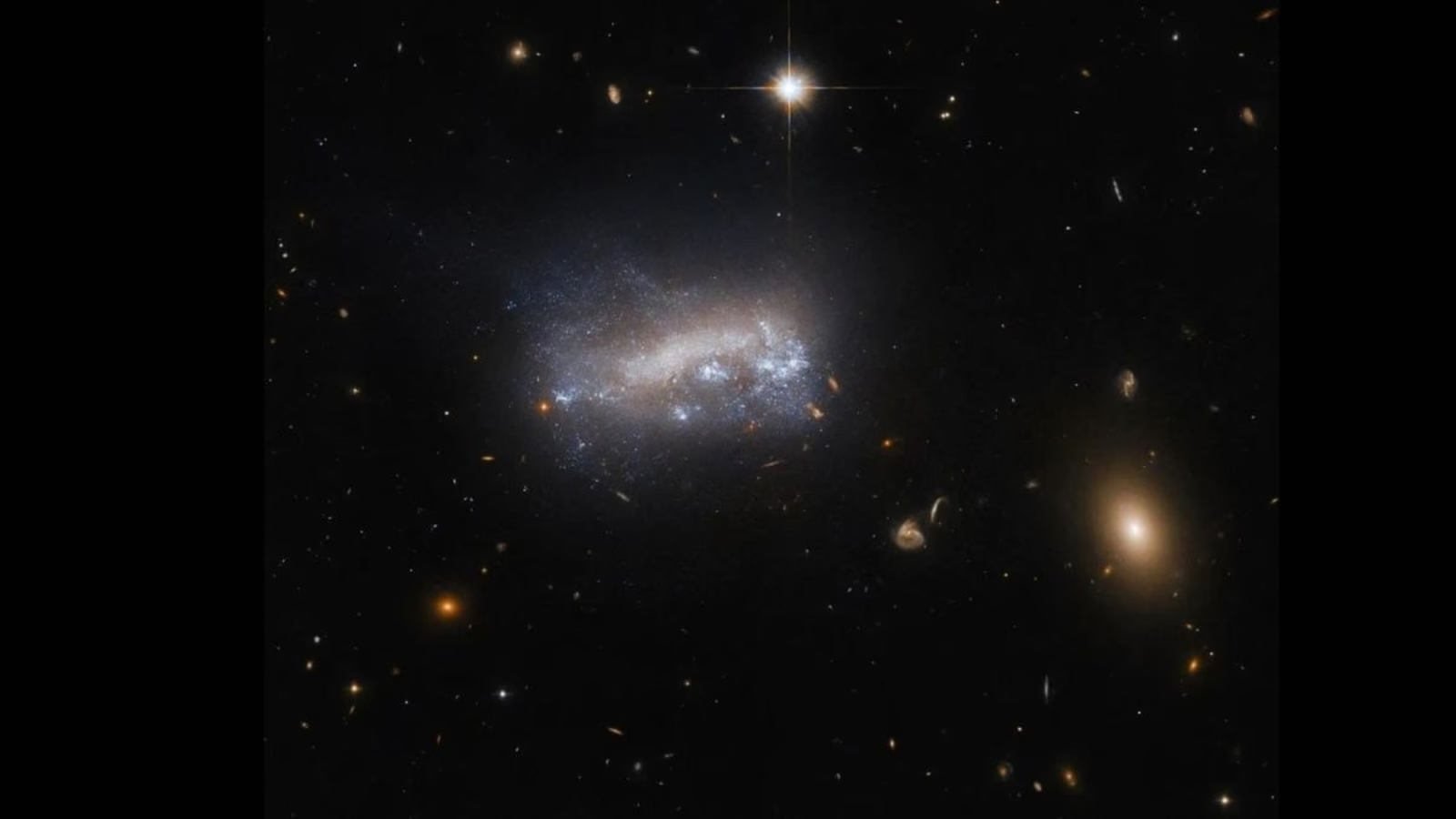
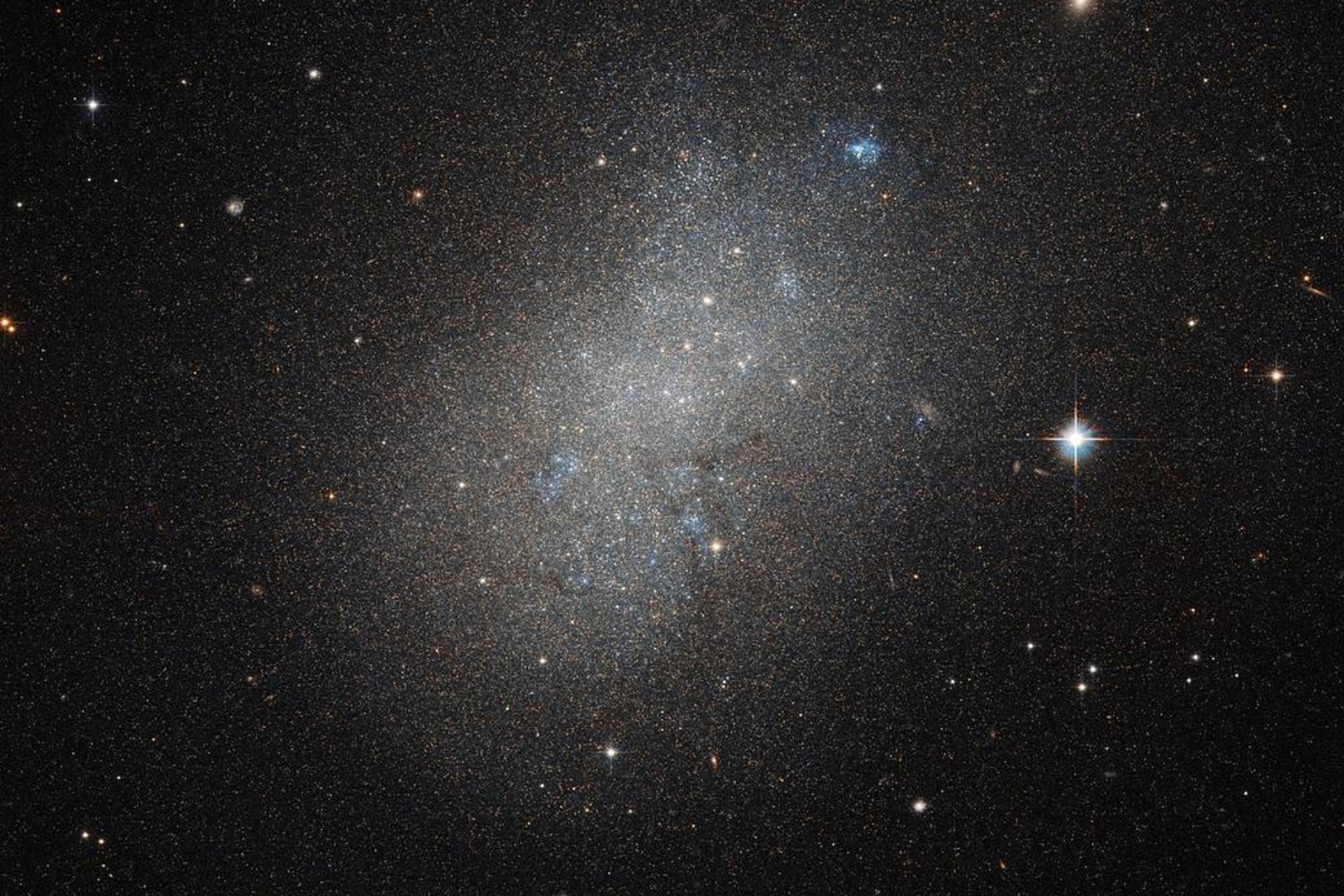
NASA's Hubble Space Telescope has captured a distant dwarf galaxy in the Virgo cluster, located 52 million light-years away from Earth, revealing cosmic wonders and sparking awe among viewers worldwide. The image, shared on Instagram, highlights the galaxy's location and the challenges it faces within the Virgo cluster, shedding light on the impact of cosmic forces such as ram pressure. The post has garnered immense attention, with enthralled netizens expressing profound fascination with the mysteries of the universe unveiled by the Hubble Space Telescope.

astronomy1 year ago

"Unprecedented Find: Astronomers Stumble Upon Impossible Galaxy"

The discovery of the isolated dwarf galaxy PEARLSDG by the James Webb Space Telescope challenges existing theories of galaxy evolution by not forming new stars, prompting a reevaluation of our understanding of galaxies. This unexpected finding suggests that many more isolated quiescent galaxies may exist, and the advanced capabilities of the JWST have the potential to uncover further cosmic phenomena, revolutionizing our understanding of galaxy formation and evolution.

astronomy1 year ago

"Unbelievable Discoveries: Astronomers Stunned by Impossible Galaxies"

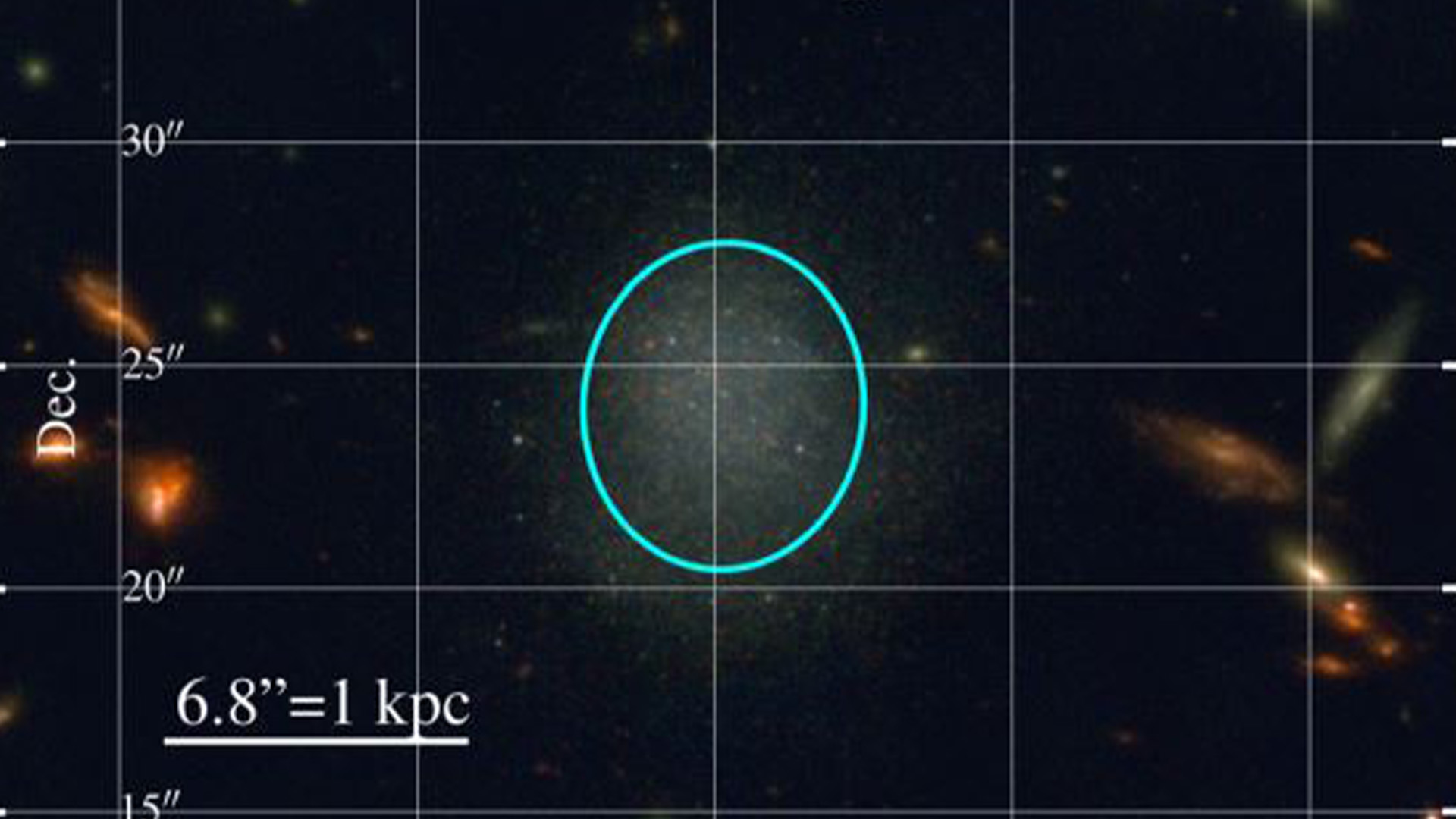
Astronomers have discovered a faint, isolated dwarf galaxy named PEARLSDG, located 98 million light-years away with no known neighbors, challenging current understanding of galaxy evolution. This inactive dwarf galaxy, found in the background of an image taken by Nasa's James Webb Space Telescope, contradicts previous observations of isolated dwarf galaxies, which typically show star-formation activity. The discovery, published in The Astrophysical Journal Letters, provides new insights into galaxy formation and challenges existing theories.

astronomy1 year ago

"Unlikely Existence: Discovery of an Impossible Galaxy"

The James Webb Space Telescope (JWST) captured an image of a distant, isolated dwarf galaxy named PEARLSDG, which is unusual for its lack of star formation and absence of close neighbors. The galaxy's distance of about 98 million light-years was measured by observing individual red giant branch (RGB) stars, indicating an older stellar population that ceased forming stars at least one billion years ago. Despite having no visible signs of interactions with other galaxies, the discovery challenges current theories of galaxy evolution and suggests the potential for more isolated quiescent galaxies to be identified with the JWST.

astronomy1 year ago

"Impossible Galaxy Found by JWST"

The James Webb Space Telescope (JWST) discovered a peculiar isolated dwarf galaxy, named PEARLSDG, located about 98 million light-years away with no close neighbors and a lack of star formation activity for at least one billion years. This discovery challenges current understanding of galaxy evolution, as isolated quiescent dwarf galaxies like PEARLSDG are not expected to exist. The JWST's ability to observe individual stars in PEARLSDG provides valuable insights into its distance, age, and formation history, prompting astronomers to reconsider their models of galaxy evolution and suggesting the possibility of more such galaxies waiting to be identified.

astronomy1 year ago

"Unexpected Discovery: Astronomers Find Galaxy Defying Expectations"

NASA's James Webb Space Telescope has discovered an unexpected dwarf galaxy, PEARLSDG, which defies conventional understanding of galaxy formation. Unlike typical dwarf galaxies, PEARLSDG is not forming new stars and is not interacting with larger galaxies, suggesting it may be a rare case of an isolated quiescent galaxy. This discovery challenges existing theories and indicates that there may be more isolated galaxies waiting to be found, shedding new light on the formation and evolution of dwarf galaxies.

astronomy1 year ago

"Unexpected Discovery: Scientists Stunned by Existence of Accidentally Found Dwarf Galaxy"

Scientists accidentally discovered a dwarf galaxy, PEARLSDG, using NASA's James Webb Space Telescope, challenging existing knowledge of galaxy formation. This isolated quiescent dwarf galaxy, located 98 million light years away, contradicts the understanding that dwarf galaxies either form new stars or interact with larger galaxies. The discovery suggests the existence of more isolated quiescent dwarf galaxies and raises questions about galaxy evolution.