Tag

Comet Like Tail

All articles tagged with #comet like tail

astronomy2 years ago

"Scientists Discover Massive 350,000-Mile Comet-Like Tail on Distant Exoplanet"

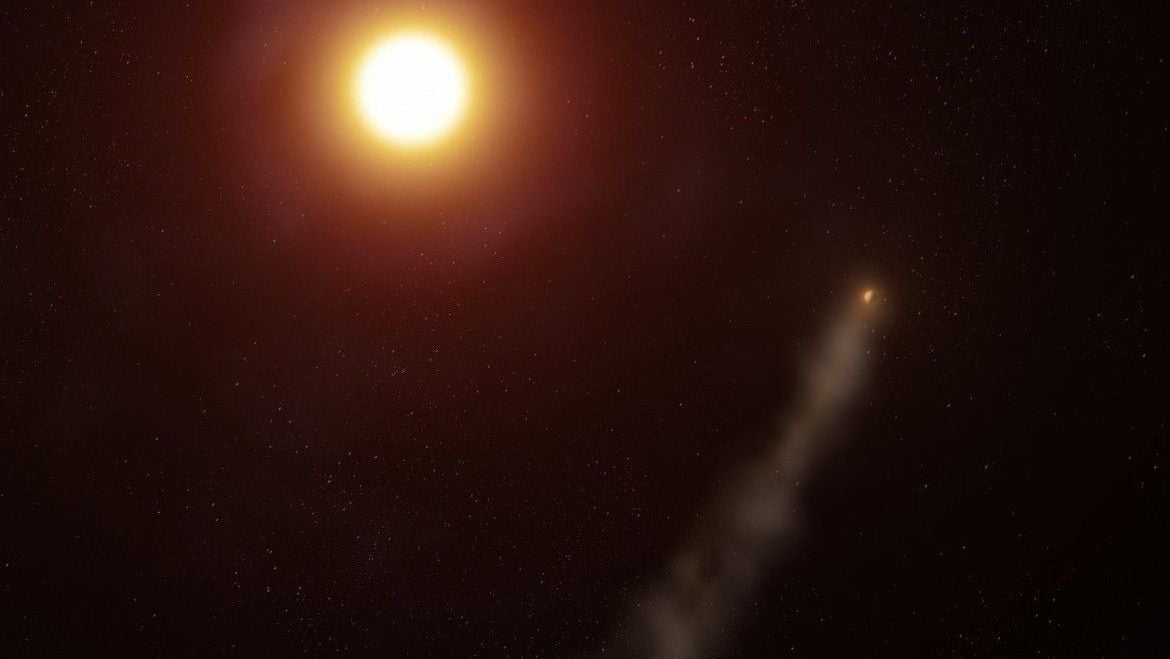
The exoplanet WASP-69b, located 160 light-years from Earth, is trailing a massive comet-like tail approximately 350,000 miles long as its atmosphere is blown off by its parent star. New observations from the Keck Observatory in Hawaii reveal that the planet's atmosphere is escaping at a rate of 200,000 tons per second, forming an expansive tail not previously seen. This discovery provides a rare opportunity to study atmospheric mass-loss in real time and understand the critical physics that shape thousands of other planets.
astronomy2 years ago

Stunning Image Captures Mercury's Giant Comet-Like Tail Near Sun

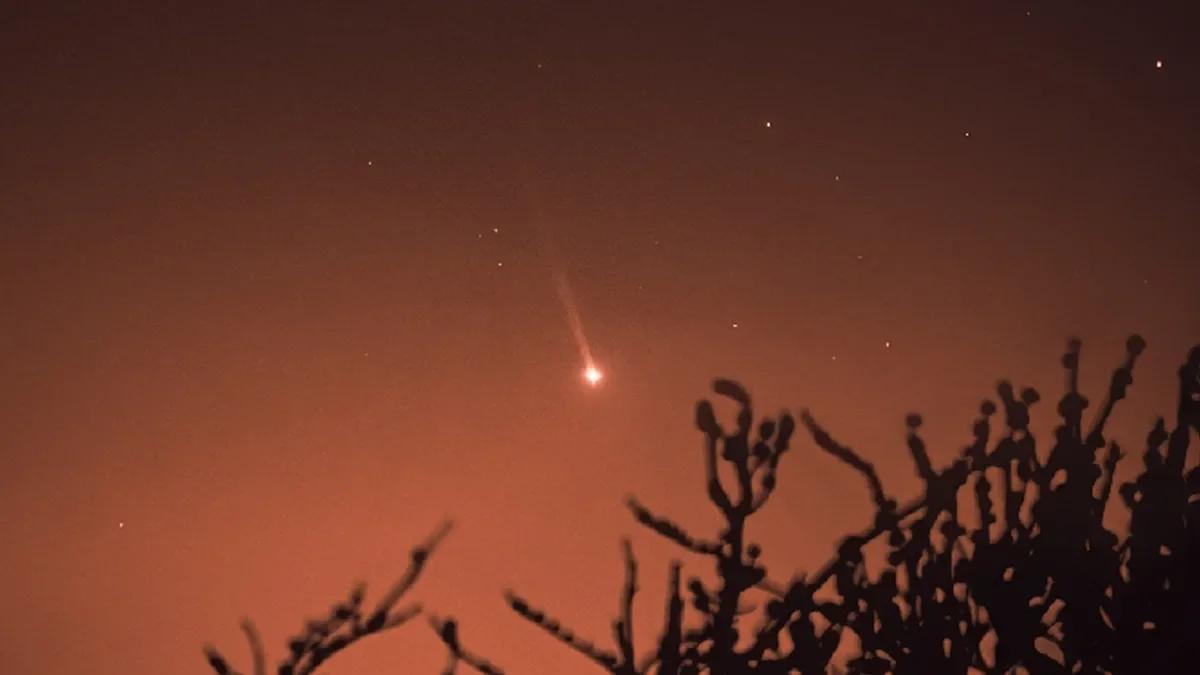
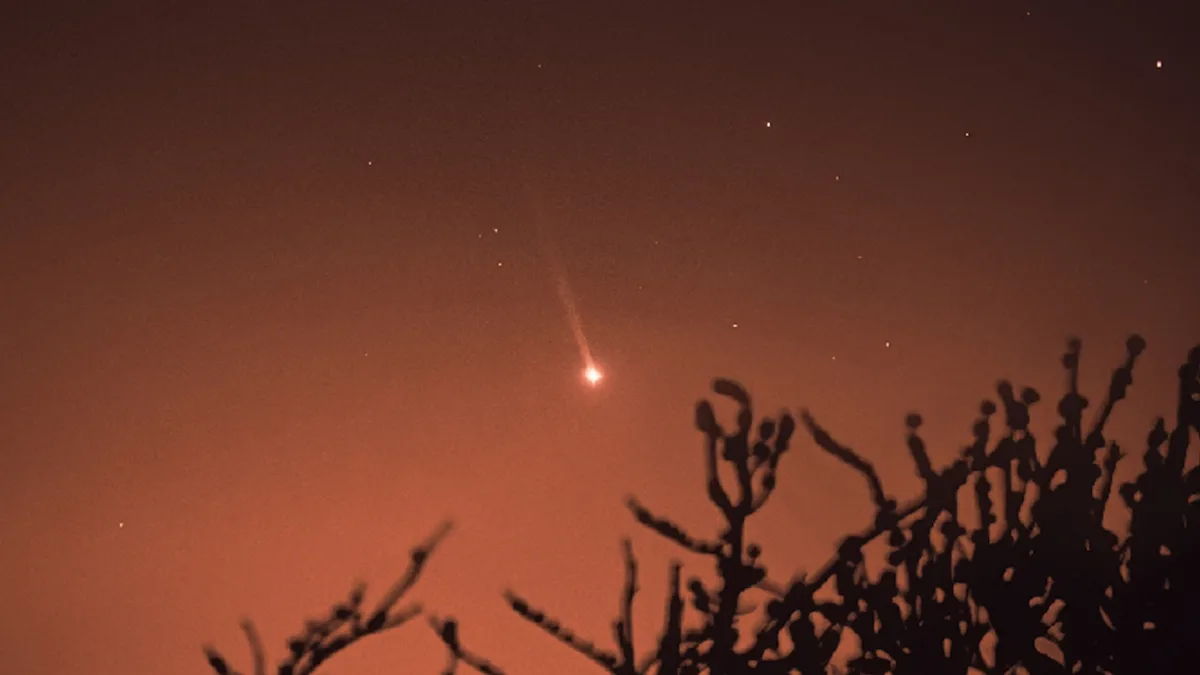
Astrophotographer Sebastian Voltmer captured a stunning image of Mercury's comet-like tail made predominantly of sodium ions, which are scattered from the planet's surface by solar wind and micro-meteor impacts. Mercury's tail stretches to around 14.9 million miles long and is most visible from Earth exactly 16 days after perihelion, or the point at which the planet is closest to the sun. Mercury is not the only celestial body in the solar system with a surprisingly comet-like tail, as the moon also has a tail that is only visible once a month as Earth passes through it and wears it like a scarf.

astronomy2 years ago

Stunning Image Captures Mercury's Giant Comet-Like Tail Near Sun

Mercury's comet-like tail, made predominantly of sodium ions, was captured in a stunning image by astrophotographer Sebastian Voltmer. The tail is created by solar wind and micro-meteor impacts scattering sodium ions from the planet's surface. Mercury's tail is most visible from Earth 16 days after perihelion, which occurred on April 1 this year. The planet's tail stretches up to 14.9 million miles long, around 62 times greater than the distance between Earth and the moon. Mercury's tail is almost invisible to the naked eye, but can be seen with a specialized filter that highlights yellow wavelengths of light.

astronomy2 years ago

Stunning Image Captures Mercury's Giant Comet-Like Tail Near Sun

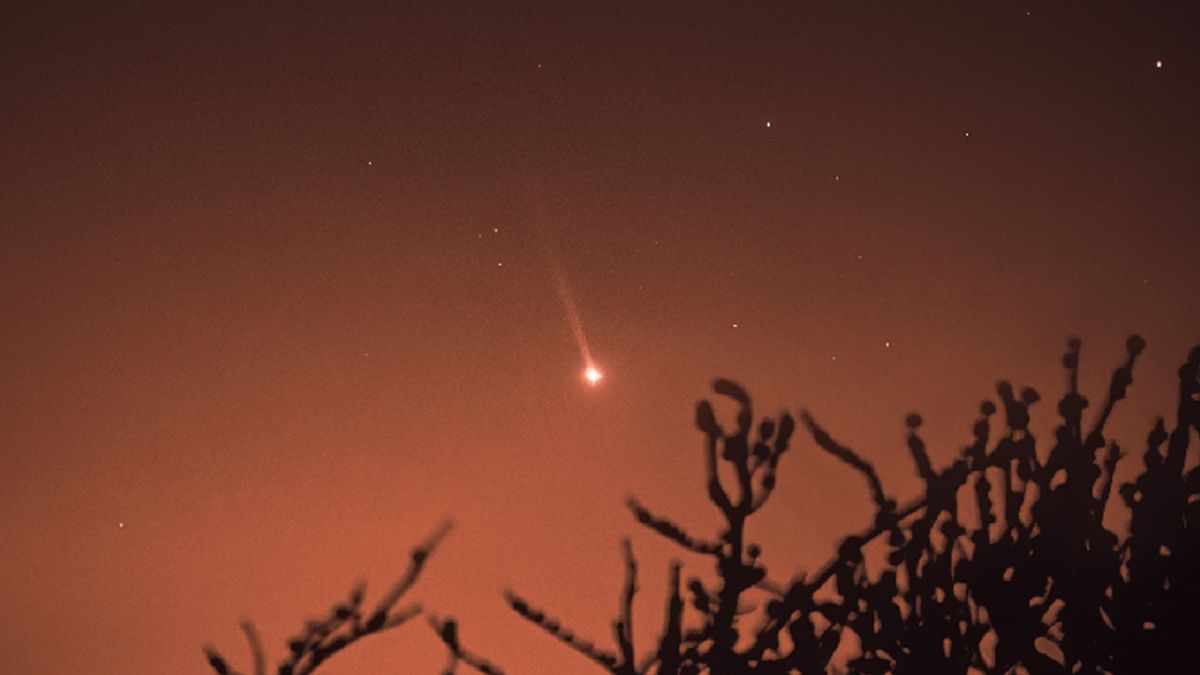
Mercury's comet-like tail, made predominantly of sodium ions, was captured in a stunning image by astrophotographer Sebastian Voltmer. The tail is created by solar wind and micro-meteor impacts scattering sodium ions from the planet's surface. Mercury's tail is most visible from Earth 16 days after perihelion, which occurred on April 1 this year. The planet's tail stretches up to 14.9 million miles long, around 62 times greater than the distance between Earth and the moon. Mercury's tail is almost invisible to the naked eye, but can be seen with a specialized filter that highlights yellow wavelengths of light.