Starting January 1, 2026, California will implement new laws including expanded IVF coverage, AI regulation, and enhanced protections for renters, alongside other adjustments to existing laws that could impact residents' lives.
Elvira Alvarado, known as the 'mother of Colombian corals,' is a 70-year-old marine biologist dedicated to saving endangered coral reefs in Colombia through in-vitro fertilization techniques, mentoring new scientists, and promoting resilient coral varieties amidst threats like climate change and disease.
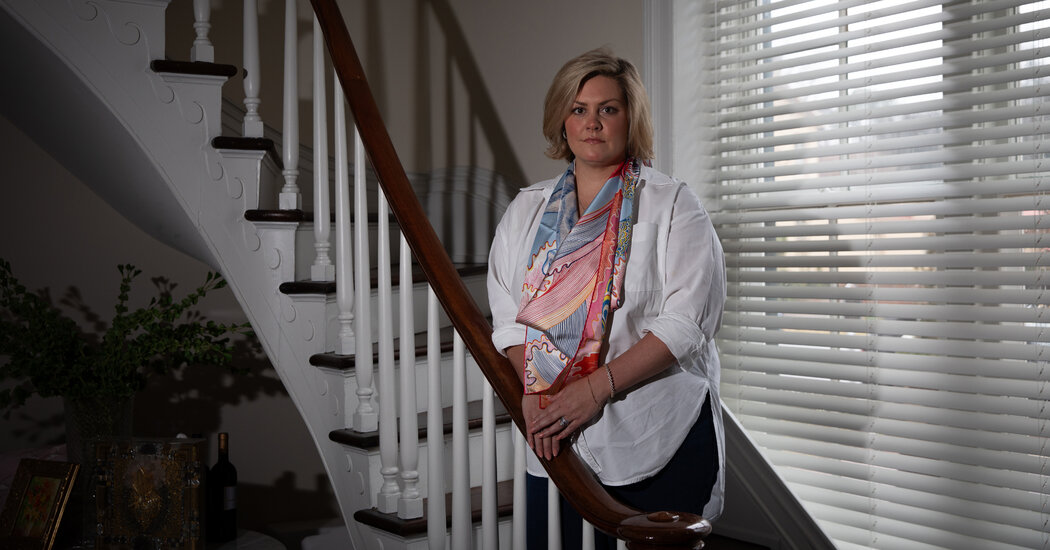
After the Alabama Supreme Court ruled that frozen embryos should be considered "extrauterine children" under state law, several fertility clinics in the state suspended I.V.F. treatments, causing setbacks for couples like Leelee and Austin Ray, who had been trying to have a baby for six years. The ruling disrupted expensive, physically and emotionally taxing fertility treatments, and may soon be repeated in other states as anti-abortion forces push to redefine the beginning of life.
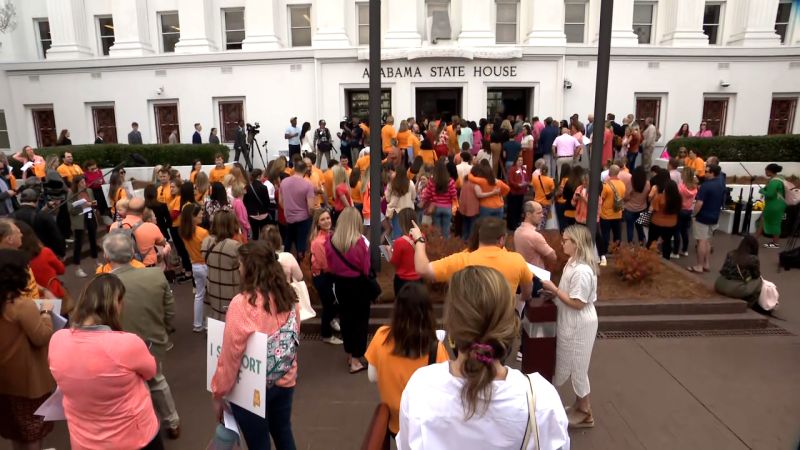
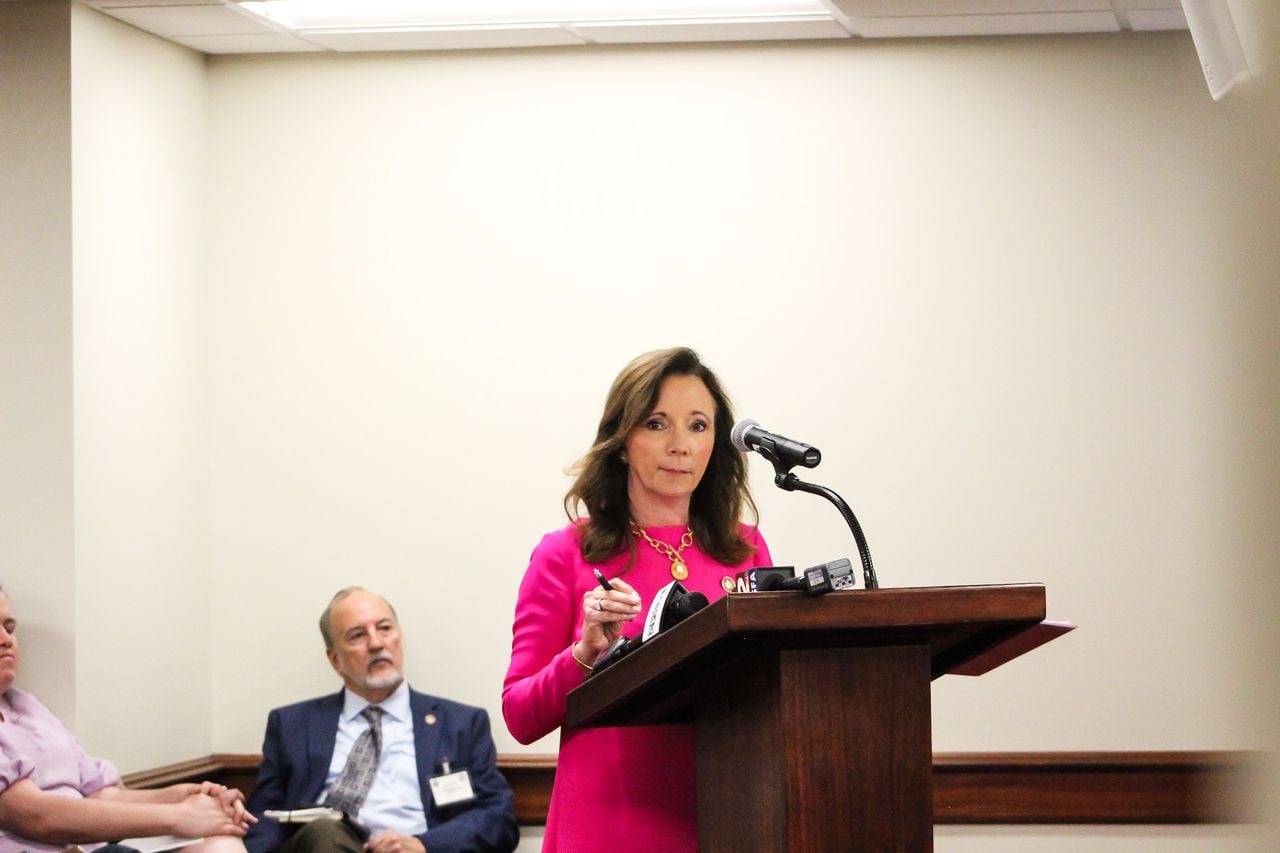
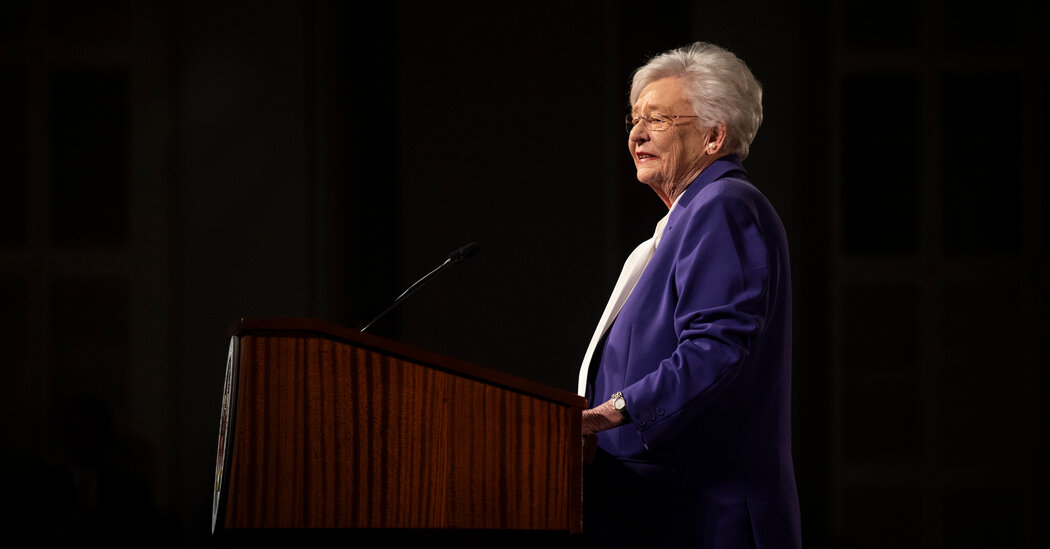
The Alabama House and Senate have passed bills aimed at protecting in vitro fertilization (IVF) treatments following a state Supreme Court ruling that classified frozen embryos as children. The bills, sponsored by Rep. Terri Collins and Sen. Tim Melson, seek to provide civil and criminal immunity to those involved in IVF services and are intended to prompt IVF clinics to reopen. The ruling has caused concern among patients, healthcare providers, and reproductive rights advocates, and the legislation is now awaiting approval from Republican Gov. Kay Ivey.
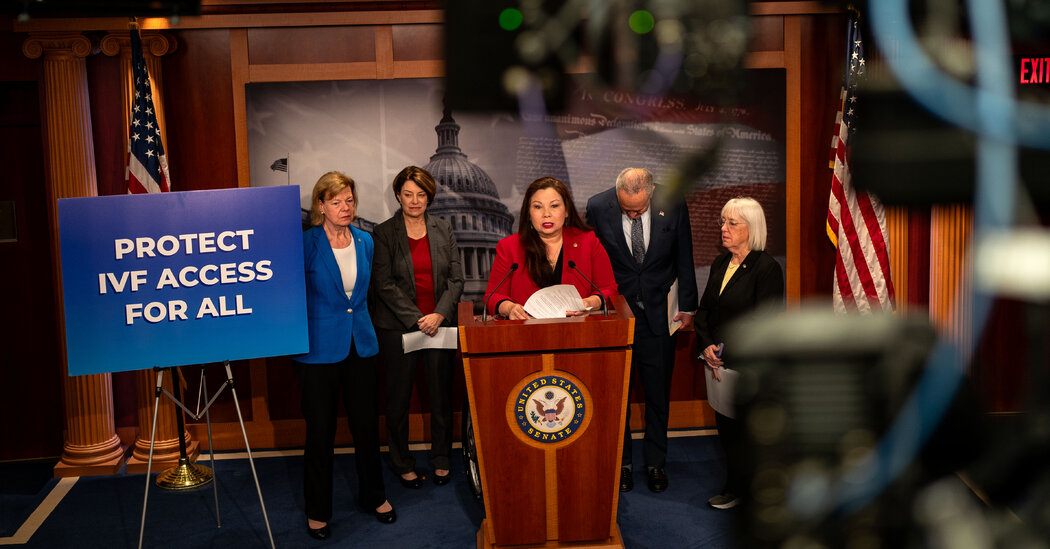
Senate Republicans are poised to block a bill that would establish federal protections for in vitro fertilization and other fertility treatments following a ruling by the Alabama Supreme Court that frozen embryos should be considered children. Democrats, led by Senator Tammy Duckworth, are challenging Republicans on their support for IVF, highlighting divisions within the GOP on the issue and aiming to point out their hypocrisy in light of their previous legislation declaring life begins at fertilization.
Alabama Republicans are proposing legislation to give doctors who perform in vitro fertilization immunity from civil and criminal prosecution, aiming to restore access to IVF services after a recent state Supreme Court decision declared frozen embryos as children. The proposed bill falls short of an earlier draft that considered embryos as "potential life" but not "human life." The measure is set to sunset in 2025 and is seen as a temporary fix, with concerns that the state may need a more permanent solution due to the constitutional language on personhood. Both Democrats and Republicans are introducing bills to address the issue, with Democrats aiming to make abortion rights a central issue in their 2024 campaigns.
Florida lawmakers have delayed a "fetal personhood" bill that would grant fetuses civil rights, following concerns that it could impact in vitro fertilization (IVF) treatments and abortion access. The bill, which defines a fetus as an "unborn child", has been postponed after a similar ruling in Alabama affected IVF clinics. Republican sponsors have acknowledged the need for further work on the legislation, and it is unlikely to pass before the current legislative session ends. The surge in such bills across multiple states marks the largest increase since the overturning of Roe v Wade in 2022.
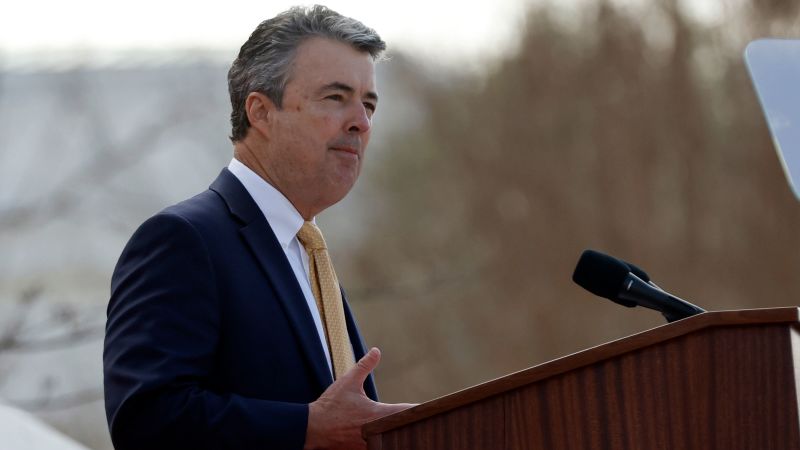
An explosive device was detonated outside the office of Alabama Attorney General Steve Marshall, with no reported injuries. The Alabama Law Enforcement Agency is leading the investigation, and there is no comment on potential motives. Speculation about a connection to Marshall's stance on in vitro fertilization has been cautioned against, as his office had recently stated they had no intention of using a recent Alabama Supreme Court decision to prosecute IVF families or providers.
Alabama Republican lawmakers are considering legislation to protect in vitro fertilization following a recent Alabama Supreme Court ruling that frozen embryos are people. Some conservatives are urging fertility clinics to reopen, but the University of Alabama at Birmingham (UAB) has stated that it's not so simple due to the court's decision. Democratic lawmakers have filed a bill to protect in vitro fertilization, while Republicans are emphasizing their pro-life stance and commitment to supporting families grappling with infertility.
Alabama lawmakers are seeking solutions to protect in vitro fertilization services after a state Supreme Court ruling that frozen embryos could be considered children under a state law. The ruling has led to a pause in IVF treatments and sparked backlash. Lawmakers are proposing separate legislation to prevent fertilized eggs from being recognized as human life until implanted in a woman's uterus, aiming to address the unintended consequences of a constitutional amendment recognizing the "rights of the unborn child." The ruling has raised legal uncertainties for IVF providers, prompting calls for legislative action to clarify the status of embryos and ensure the continuation of IVF services in Alabama.
Alabama lawmakers are considering legislation to protect in vitro fertilization (I.V.F.) treatments after a State Supreme Court ruling led some clinics to halt I.V.F. treatments, leaving many women in limbo. The ruling, which declared that frozen embryos should be legally considered children, has sparked concerns about the wider implications for people seeking I.V.F. treatment. At least three major fertility clinics in Alabama have stopped I.V.F. treatments as doctors and lawyers assess the possible consequences of the ruling, prompting a major embryo shipping company to also pause its business in the state. Republican State Senator Tim Melson plans to introduce a measure to ensure continued access to I.V.F. treatment.
Amanda Zurawski, who is suing Texas over its near-total abortion ban, plans to move her frozen embryos out of the state due to fears that Texas could follow Alabama's lead in restricting in vitro fertilization. This decision comes after at least three fertility clinics in Alabama paused IVF treatments following a state Supreme Court ruling that granted legal protections to embryos. Zurawski, who nearly died due to complications during pregnancy, is concerned about the impact of such rulings on hopeful parents and the added financial burden of moving embryos. The lawsuit, filed by Zurawski and others, challenges Texas' abortion ban and seeks to allow doctors more discretion in medical complications. The Alabama ruling is seen as alarming by reproductive rights advocates, who warn of a crisis in reproductive healthcare following the overturning of Roe v. Wade.
The University of Alabama at Birmingham health system has paused in vitro fertilization treatments following a ruling by the Alabama Supreme Court that considers frozen embryos as children, citing concerns about potential criminal prosecutions. While egg retrievals will continue, the next steps of fertilization and embryo development have been halted, impacting patients' attempts to conceive through I.V.F. The health system's decision affects the largest hospital in Alabama and raises significant legal and ethical implications for reproductive health procedures.
The University of Alabama at Birmingham health system has halted in vitro fertilization procedures following an Alabama Supreme Court ruling that granted frozen embryos the same legal status as children in wrongful death lawsuits. The decision has raised concerns about potential criminal prosecution and lawsuits for patients and physicians involved in IVF treatments. This move by UAB is the first of its kind, and medical experts warn that the ruling could limit access to IVF in Alabama, impacting patients seeking fertility treatments for various reasons, including genetic diseases.
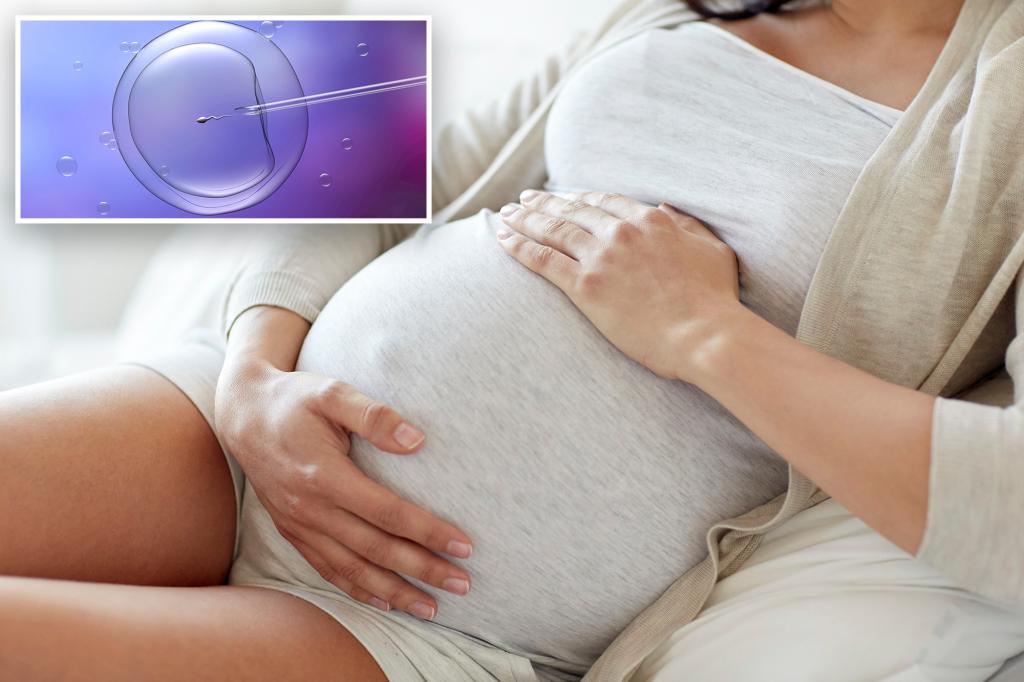
Researchers at the University of California San Diego have developed a noninvasive method using exRNAs to predict the quality of embryos created through in vitro fertilization, aiming to improve the chances of successful pregnancies. The study, published in the journal Cell Genomics, found that exRNAs can be a promising predictor of embryo quality, potentially simplifying and improving the efficiency of the IVF process. This new approach could provide valuable insights into embryo development and lead to better outcomes for families seeking fertility treatment.