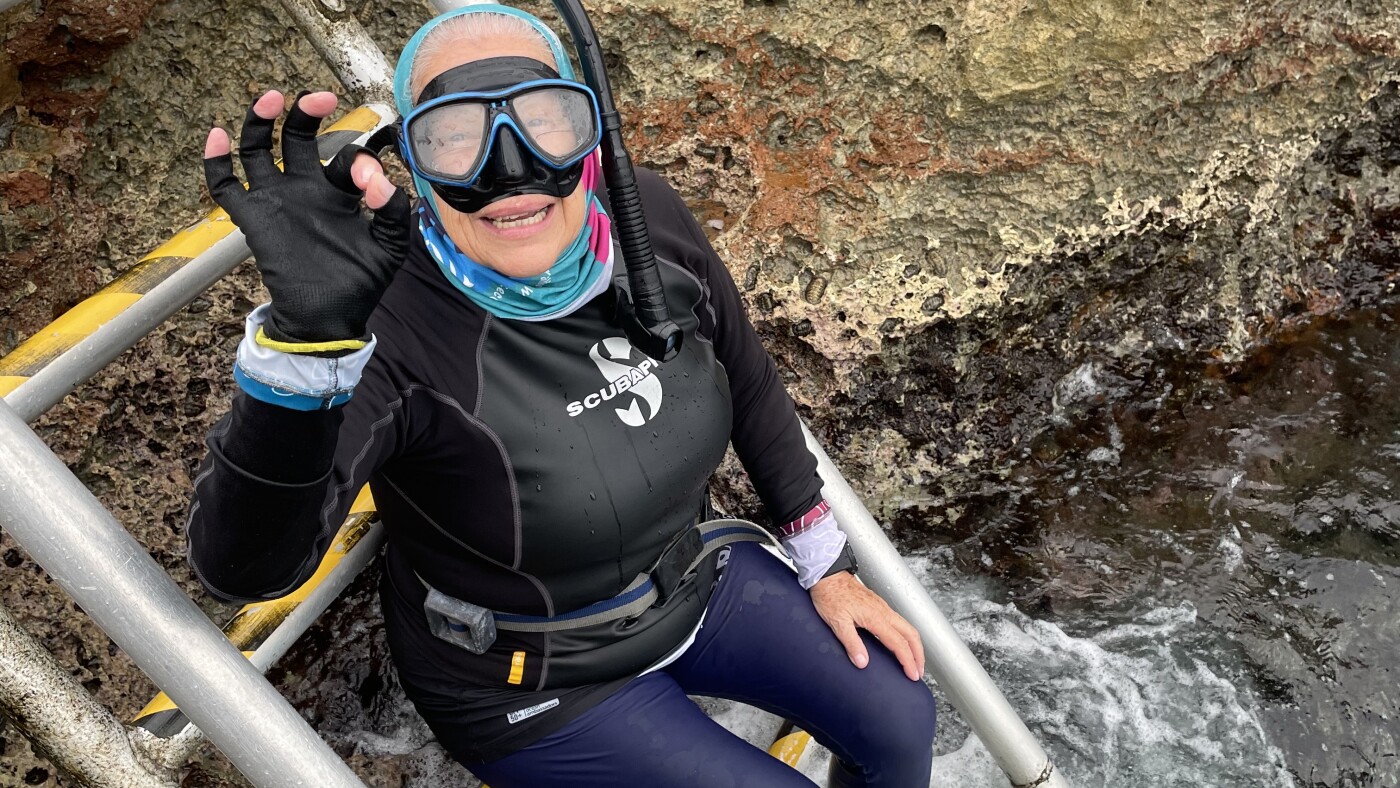
Elvira Alvarado, known as the 'mother of Colombian corals,' is a 70-year-old marine biologist dedicated to saving endangered coral reefs in Colombia through in-vitro fertilization techniques, mentoring new scientists, and promoting resilient coral varieties amidst threats like climate change and disease.
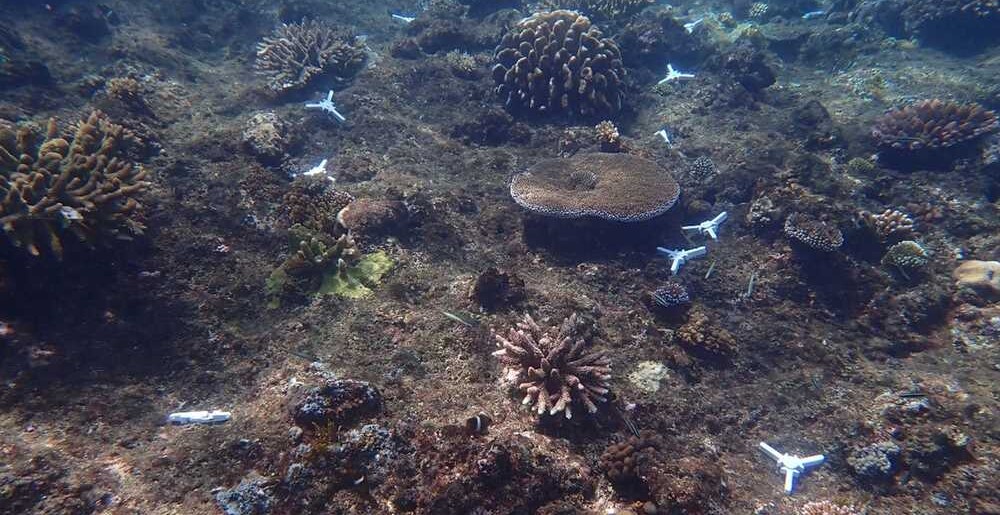
A portable coral spawning lab called ReefSeed, co-developed by Australian and Maldivian scientists, successfully grew 10,000 juvenile corals from 3 million larvae in the Maldives, demonstrating a promising technology for reef restoration that can operate independently and be expanded to help combat coral reef loss globally.
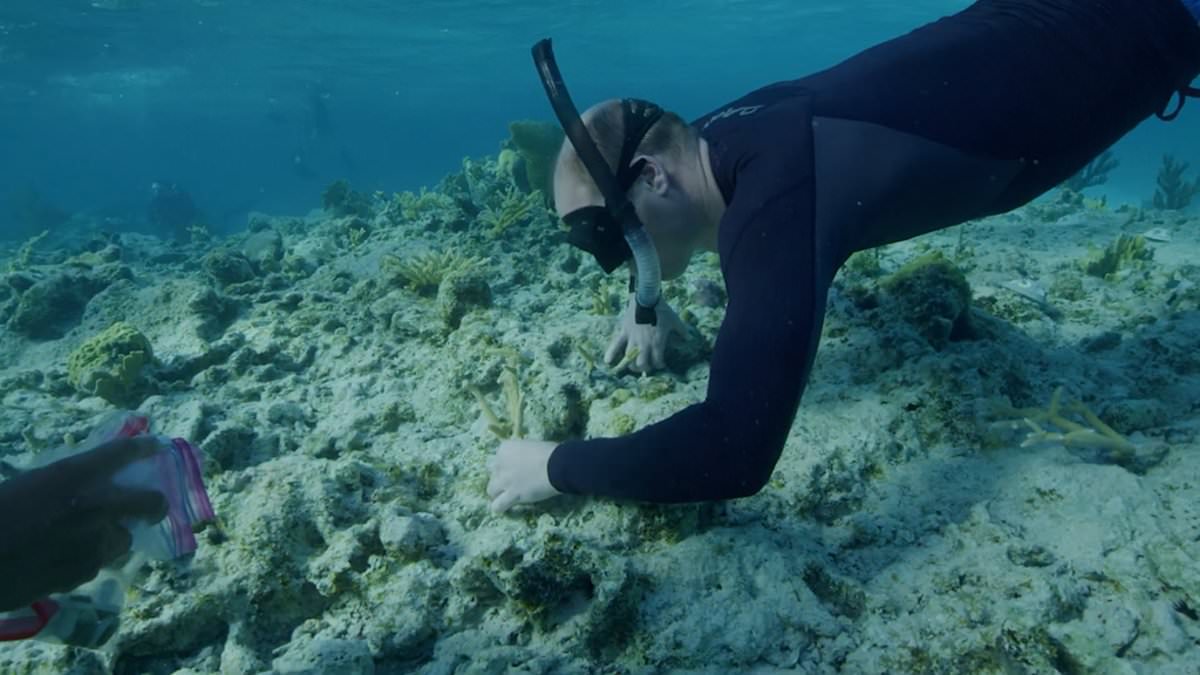
Prince William and Kate Middleton have shared a video of their scuba diving experience in The Bahamas during their visit to Coral Vita, a former Earthshot Prize winner. The footage shows the couple snorkeling around beautiful reefs, planting new coral, and exploring underwater. The visit highlights the work of Coral Vita in creating coral farms to restore reefs. The couple emphasizes the importance of taking action to repair and protect the planet, stating that the next ten years are critical for meaningful change. Coral Vita received £1 million as Earthshot Prize winners to scale their coral restoration solution and help protect and restore the planet by 2030.
Researchers at the Mote Marine Laboratory and Aquarium in Florida are using a crab nursery program to raise Caribbean king crabs and help preserve coral reefs. The crabs eat algae that compete with corals, allowing them to grow faster and reproduce more successfully. However, the crabs are scarce in the coral ecosystem due to hunting, so the nursery program aims to increase their numbers. To teach the crabs how to protect themselves from predators, researchers are testing a method involving puppets.
Coral reefs in Southwest Florida are being devastated by extreme heat, with surface temperatures reaching over 100 degrees in July. The National Oceanic and Atmospheric Administration (NOAA) estimates that 90% of the reef structure has been lost since the 1980s. Coral restoration efforts offer some hope, but the ongoing marine heat wave has caused significant bleaching, leading to the death of many coral colonies. The loss of coral coverage will have long-term consequences for the local ecosystem, including increased vulnerability to rising sea levels and more powerful storms. Reefs, which cover less than 1% of the ocean, are crucial habitats for 25% of marine species.