The Bank of Japan raised its key interest rate to 0.75%, the highest since 1995, to combat persistent inflation, marking a shift from years of near-zero rates, which impacts borrowing costs, currency value, and global markets, amid ongoing economic challenges and a weakening yen.
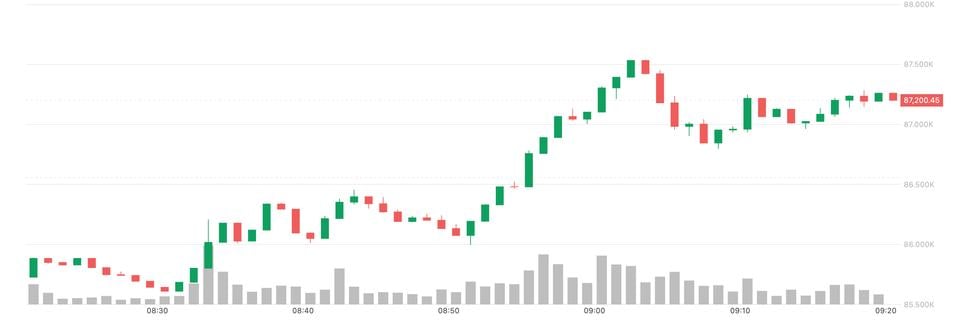
Bitcoin surged above $87,000 following the Bank of Japan's rate hike to 0.75%, the highest in nearly 30 years, which caused the Japanese yen to weaken. The rate increase was expected and did not trigger a significant yen-buying response, as market participants anticipated continued low rates compared to the US. The move reflects Japan's ongoing shift away from ultra-loose monetary policy, with Bitcoin's price influenced by global market reactions and investor sentiment.
Japan's central bank has raised its interest rate to 0.75%, the highest in 30 years, in an effort to combat inflation, marking a significant shift after decades of low rates, amidst a global trend of easing monetary policy.
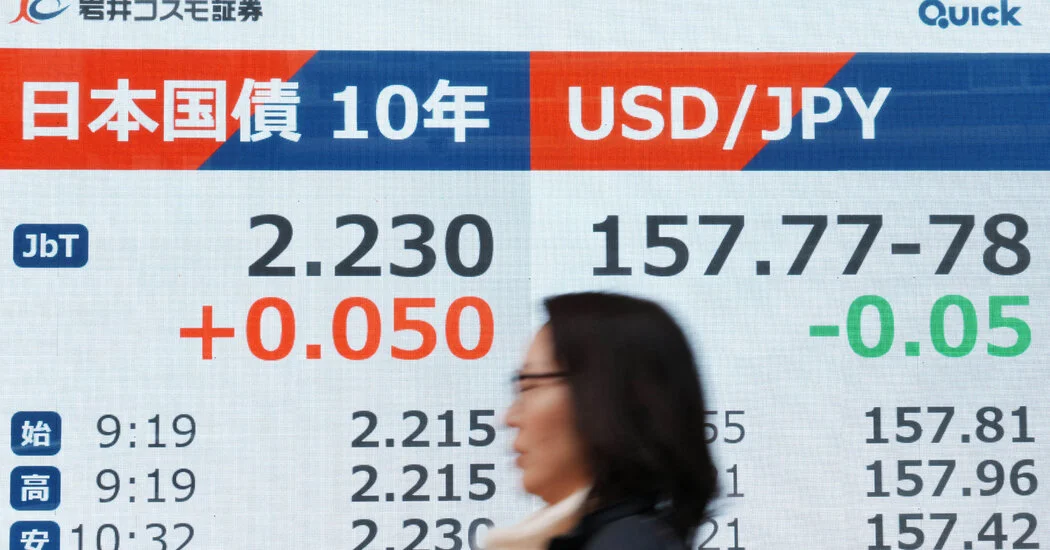
The Bank of Japan raised its short-term interest rates to 0.75%, the highest in 30 years, leading to a rise in 10-year government bond yields and a weakened yen, as part of its policy normalization amid persistent inflation and economic challenges.
The Bank of Japan is expected to raise interest rates to 0.75%, the highest in 30 years, as part of its policy normalization, despite Japan's economic contraction and ongoing inflation concerns. The decision aims to strengthen the yen and contain inflation, but may further slow the economy. Market focus will be on the BOJ's communication regarding the pace of future hikes and the neutral rate, amid ongoing debates about the timing and impact of these policy changes.
Global bond markets declined following hawkish comments from the Bank of Japan, signaling potential changes in monetary policy that affected investor sentiment and bond prices.
The crypto market experienced a significant decline, nearly 6%, driven by a sell-off after CME futures opened and hawkish comments from the Bank of Japan about potential rate hikes, leading to increased volatility, liquidations, and a shift to bearish sentiment, although oversold conditions suggest a possible relief rally.
The Bank of Japan kept interest rates steady at 0.5% in its first meeting after Prime Minister Sanae Takaichi's rise to power, amid ongoing inflation and a weak yen, with some members proposing a hike. The decision reflects cautious policy stance, while tensions with the US over currency strength and Japan's economic strategies continue to influence market dynamics.
Asian stock markets declined slightly amid geopolitical developments and anticipation of key central bank decisions, with U.S.-China trade progress boosting optimism and markets awaiting Fed and BOJ policy announcements this week.
The Bank of Japan maintained its policy rate at 0.5% with two dissenting votes favoring a hike, signaling potential future rate increases amid rising inflation and economic confidence. The BoJ announced plans to gradually reduce ETF and J-REIT holdings, while political uncertainties and US monetary policy developments could influence the timing of rate hikes. Despite slowing headline inflation due to subsidies, core inflation remains above target, supporting the case for a rate increase possibly in October. The yen's outlook remains bullish with expectations of a rate hike and US Fed rate cuts, potentially pushing USD/JPY towards 145.
The Bank of Japan unexpectedly announced it will begin selling about ¥335 billion worth of ETFs and J-REITS annually, leading to a market drop and a strengthening yen, as part of efforts to reduce its large balance sheet.
Stocks declined sharply following the Bank of Japan's announcement to unwind $250 billion of ETFs, leading to a market sell-off amid concerns over monetary policy shifts.
The Bank of Japan kept its interest rate steady at 0.5% amid Japan's core inflation dropping to its lowest since November 2024 at 2.7%, with inflation expectations rising moderately. Despite signs of economic resilience, including above-expected GDP growth and a U.S.-Japan trade deal, inflation driven by high rice prices and global trade concerns are fueling calls for potential rate hikes, with some analysts predicting a possible increase in October.
Japan's economy grew by 0.3% in Q2 2025, surpassing expectations due to resilient exports despite US tariffs, with annualized growth at 1%, and the Bank of Japan upgrading its full-year forecast to 0.6%, amid global trade uncertainties.
The Bank of Japan announced it will slow its government bond purchase reductions starting April 2024, while maintaining interest rates at 0.5%, amid economic growth uncertainties and persistent inflation above its 2% target, with the economy showing signs of slowdown and contraction.