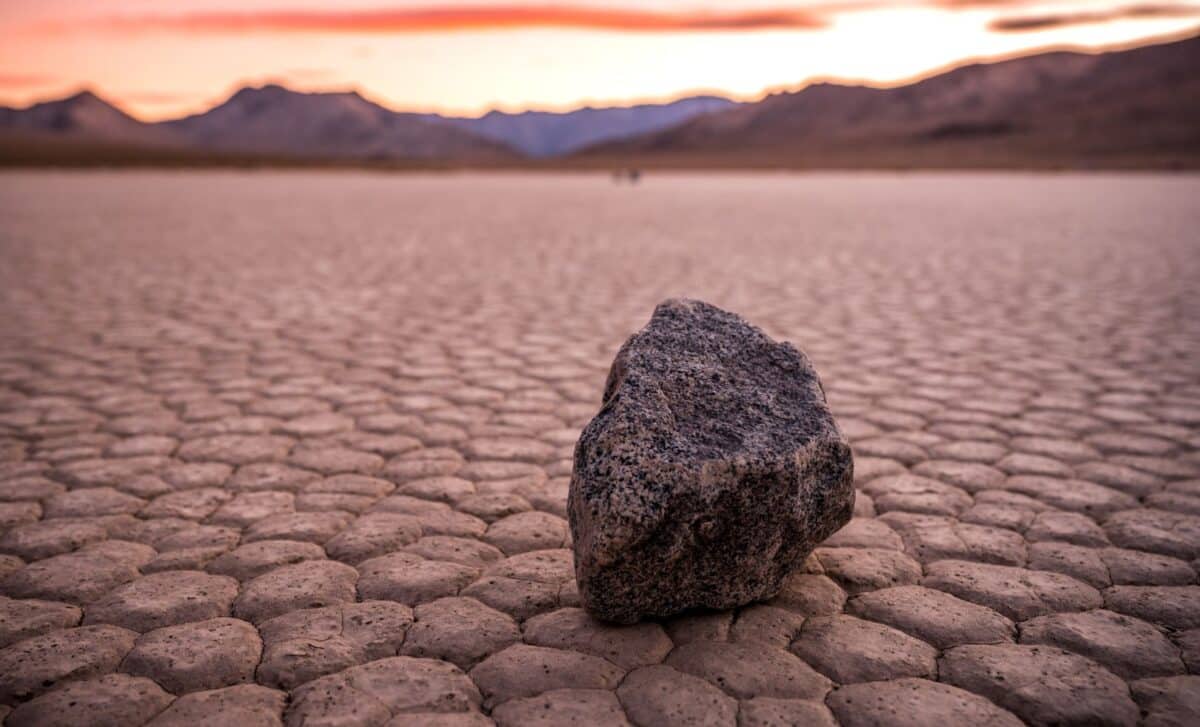
Scientists finally uncovered the mystery of the moving rocks in Death Valley's Racetrack Playa, revealing that delicate sheets of ice, formed overnight and melted in the sun, along with light winds, gently push the rocks across the desert floor, leaving trails that have puzzled observers for over a century.
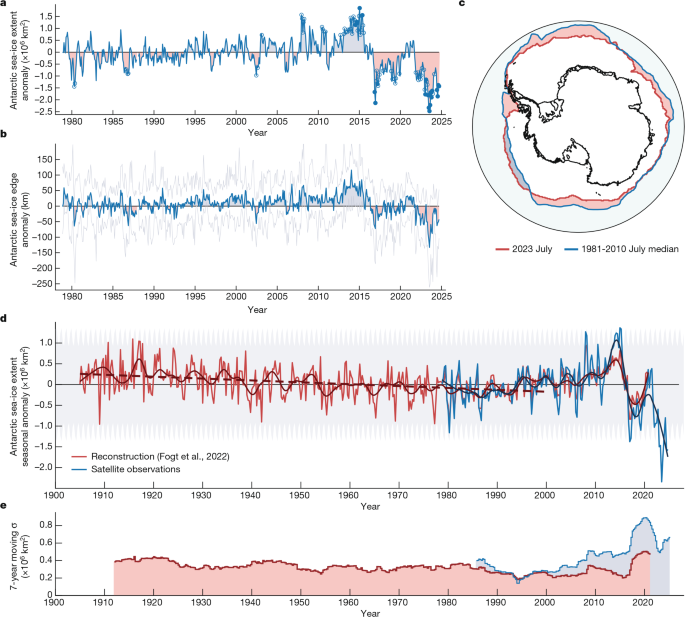
Australian scientists warn that Antarctica is experiencing rapid, irreversible climate changes, including shrinking sea ice, weakening ocean currents, and destabilizing ice sheets, driven by global warming. These changes threaten global sea levels and ecosystems, emphasizing the urgent need for deep emission cuts this decade to prevent irreversible damage.
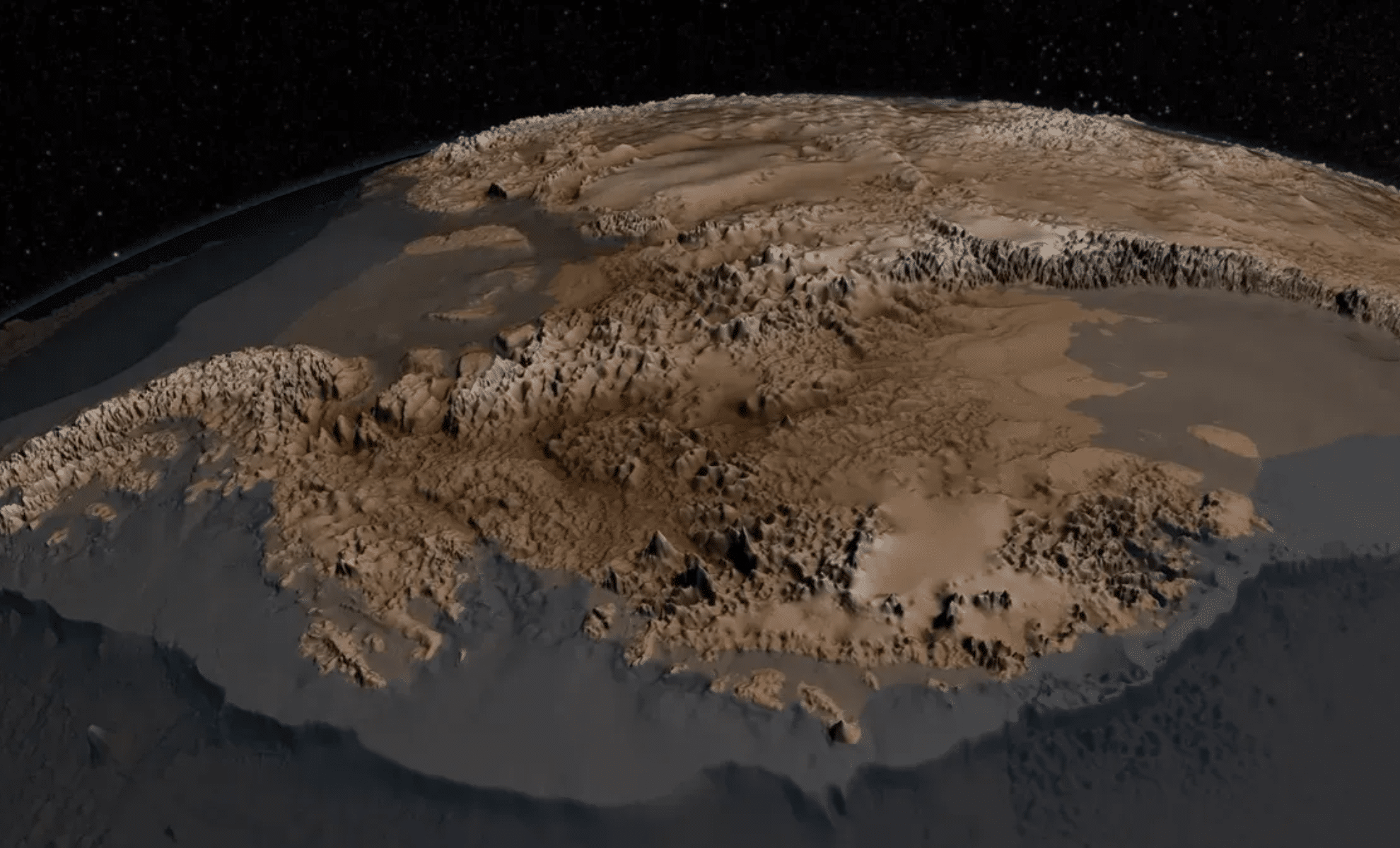
NASA and BAS revealed detailed images of Antarctica's hidden terrain beneath the ice, showing a rugged landscape that influences ice flow and global sea levels, with implications for understanding climate change and future sea-level rise.
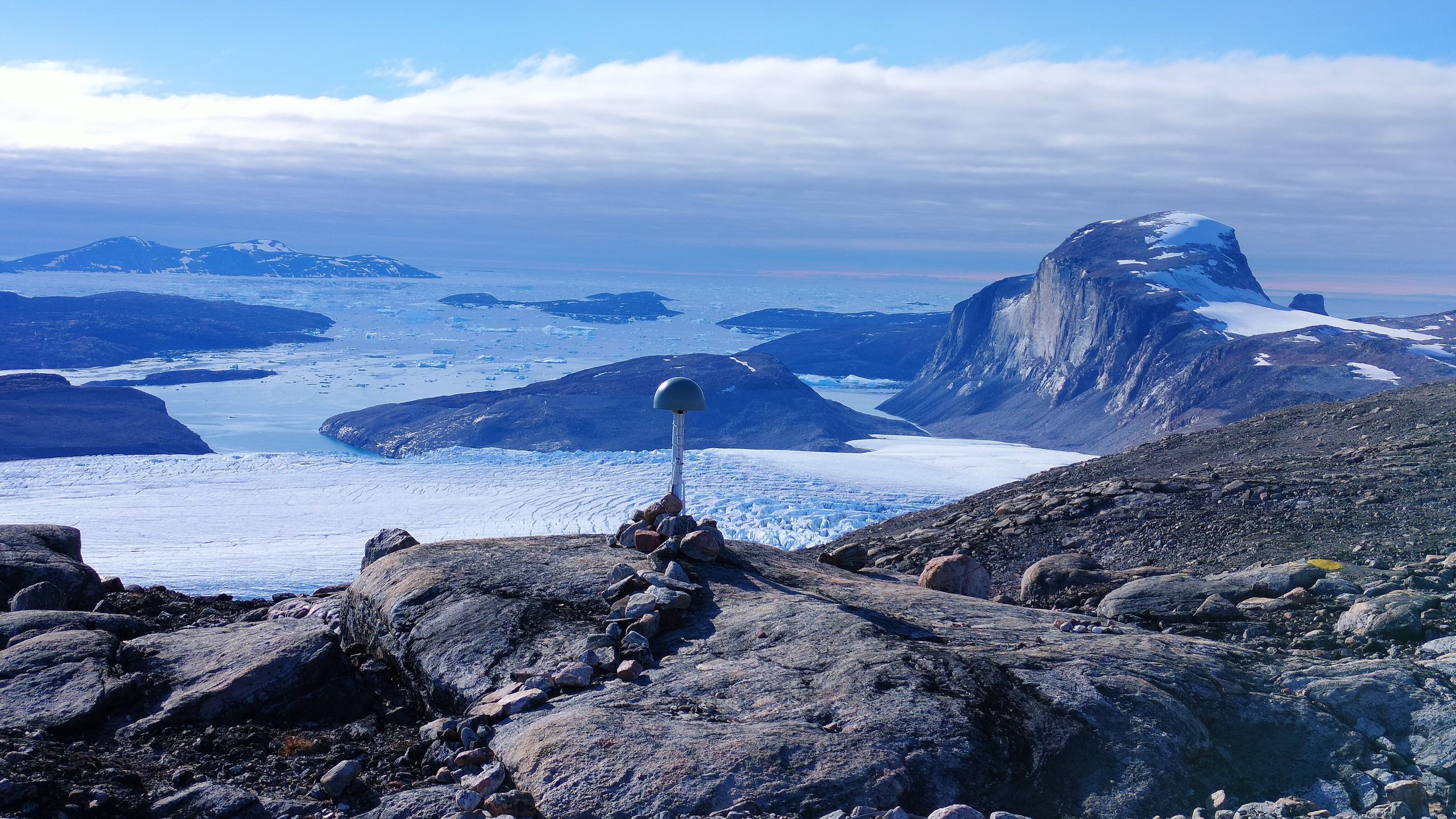
Greenland's landmass is experiencing complex movements due to tectonic activity and the lingering effects of past ice sheets, with recent research revealing that mantle adjustments from ice sheet retreat are causing the island to twist, lift, and shrink in ways that could impact navigation and our understanding of Earth's history.
Researchers using ESA's CryoSat satellite data have discovered 85 new subglacial lakes beneath Antarctica, increasing the known active lakes to 231, which are crucial for understanding ice sheet dynamics and potential impacts on global sea levels.
Antarctica is experiencing rapid and potentially irreversible environmental changes, including significant sea ice loss and warming of surrounding waters, which threaten to accelerate ice sheet collapse and cause global sea level rise, emphasizing the urgent need to reduce greenhouse gas emissions.
Satellite data from 1993 to 2023 confirms that sea levels are rising faster than expected, validating early climate models and highlighting the significant role of melting ice sheets and regional differences. Continued monitoring is essential for refining future projections and implementing targeted interventions for vulnerable coastal areas.
Emerging evidence indicates abrupt environmental changes in Antarctica, including significant sea ice loss, ice sheet melting, and potential climate tipping points, driven by global warming and oceanic changes, with implications for sea level rise and ecosystem stability.
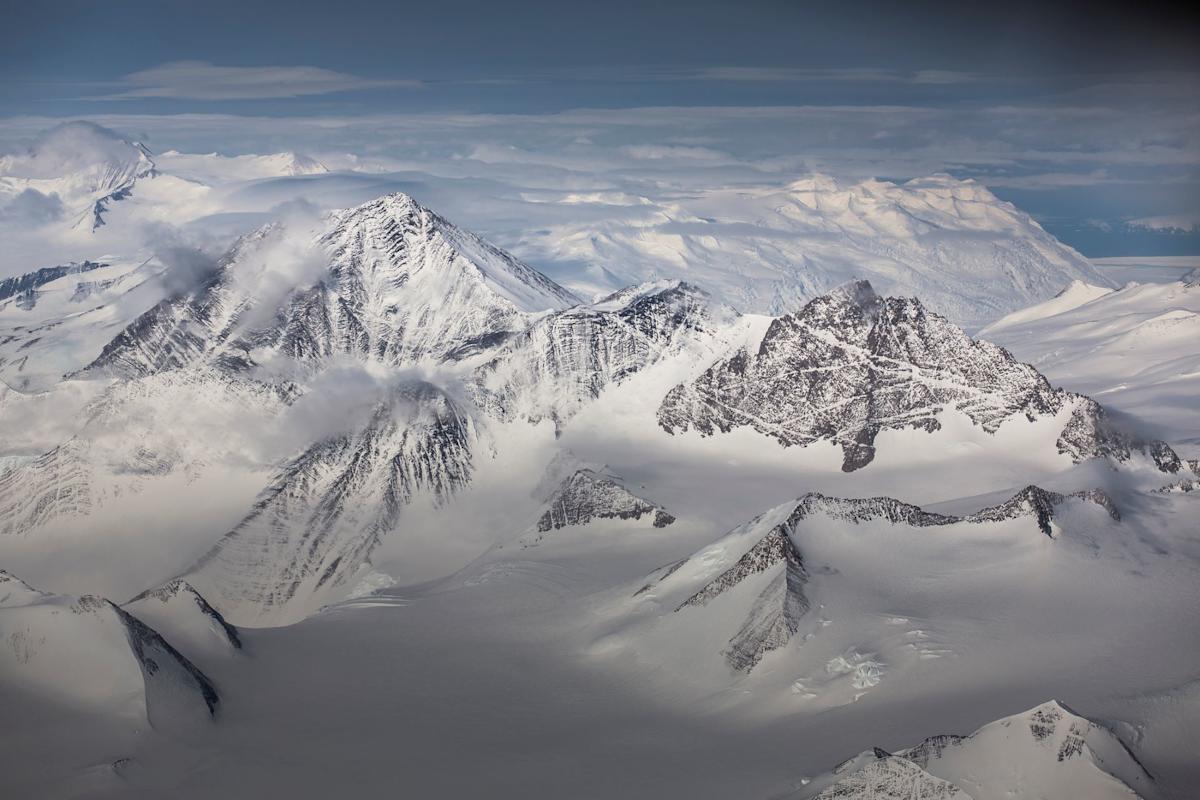
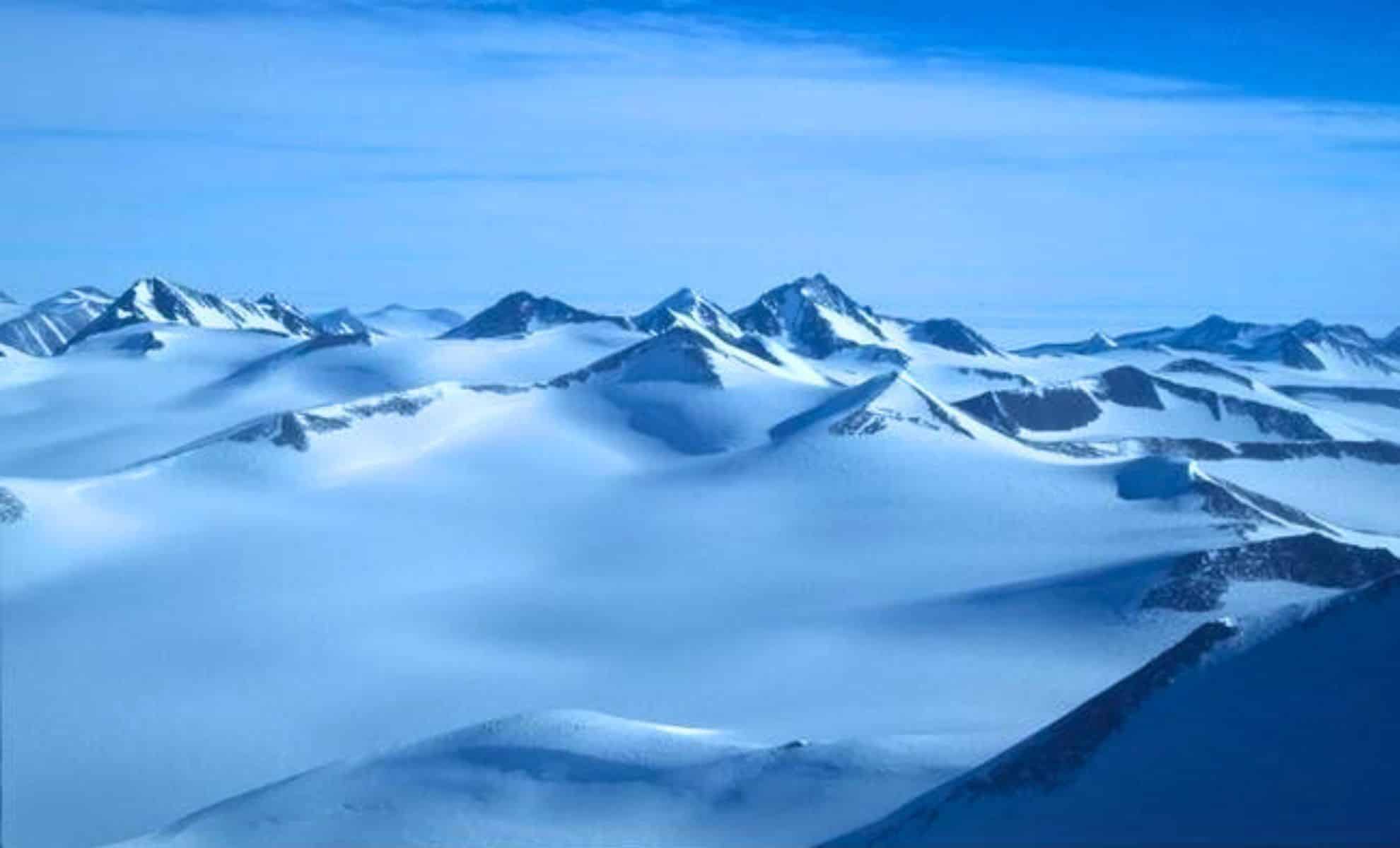
Scientists from the University of Wisconsin and University of Colorado have discovered new evidence suggesting a more dynamic and complex geological history of Antarctica, particularly involving the Transantarctic Mountains, which may have significantly influenced the continent's glacial cycles and climate history.
Scientists have discovered ancient mountain peaks buried beneath Antarctica's ice in the Transantarctic Mountains, revealing a complex geological history involving multiple mountain-building and erosion events linked to tectonic shifts and glaciations, including a major glacial period around 300 million years ago that influenced the development of the continent's ice sheets.
Turkey's 8th National Antarctic Science Expedition is conducting 22 projects to study the impact of climate change on Antarctica's glaciers and ice sheets. Anadolu Agency's photojournalist Sebnem Coskun is documenting the expedition's scientific research and life in the region to share the findings with the world, aiming to uncover concealed data within the ice gathered from years of research.
Scientists warn that humanity has "lost control" of the Earth's ice sheets, as the melting of polar ice caps accelerates due to global warming. The loss of ice sheets contributes to rising sea levels, posing a significant threat to coastal communities and ecosystems worldwide. Urgent action is needed to mitigate the effects of climate change and reduce greenhouse gas emissions.
Researchers have discovered evidence that Antarctica's ice sheets grew and receded more frequently during the Miocene epoch than previously known, with cycles of growth and recession occurring over just a few thousand years. This rapid volatility raises questions about the causes behind it. The findings, based on sediment records from the Antarctic Drilling Project, provide valuable insights into the behavior of ancient ice sheets and have implications for understanding the potential future changes in Antarctica's ice sheets under a warming climate. The fate of these ice sheets has significant consequences for global sea levels, ocean currents, marine food webs, and regional climates.
A new study using the theory of punctuated equilibrium has identified two major climate events in the last 66 million years that have shaped Earth's climate system. The researchers warn that if anthropogenic climate change leads to complete deglaciation, it would be a landmark tipping point with serious repercussions for our societies. The study emphasizes the importance of understanding the mathematics of tipping points and calls for strategies of adaptation and mitigation to consider the possible destabilization of tipping elements.
Mud cores drilled in Mississippi have provided clues about the formation of major ice sheets on Antarctica and a significant climate cooling event. The cores revealed that falling sea levels led to a release of carbon from coastal environments into the atmosphere, contributing to a temporary brake on climate cooling. The study fills in gaps in the geological record and sheds light on the timeline of the Eocene-Oligocene transition, highlighting the role of the biosphere and carbon cycle in Earth's climate shifts.