Tag

Glacial Cycles

All articles tagged with #glacial cycles

earth-science2 years ago

The Earth's Shaking: Global Warming's Impact on Earthquakes

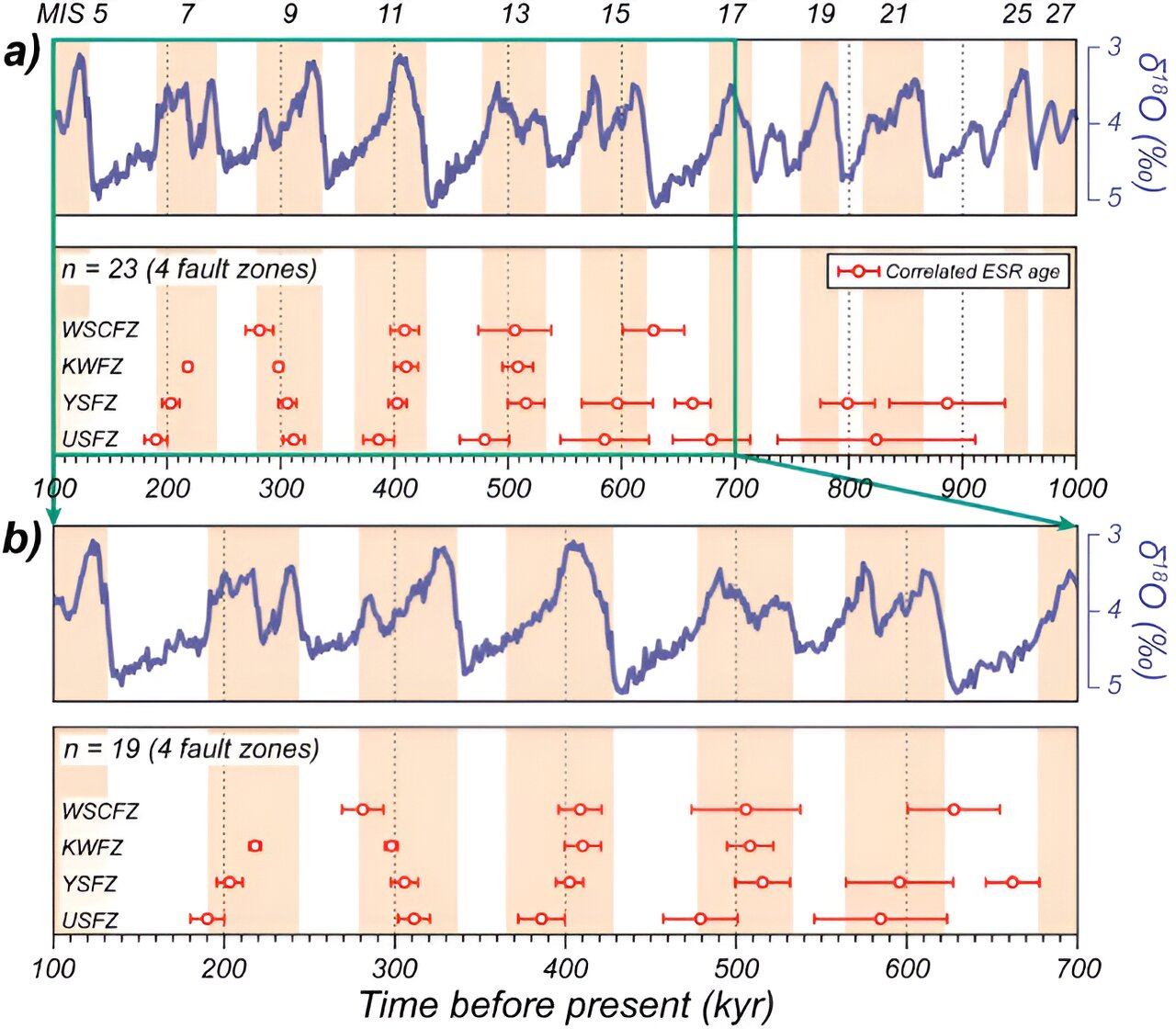
A new study published in Quaternary Science Reviews suggests that global-scale activity of Earth's glacial cycles, specifically rapid changes in sea levels due to melting ice sheets, may have played a significant role in triggering earthquakes in the Korean Peninsula. The researchers used electron spin resonance dating to analyze fault gouges and found that paleo-earthquakes coincided with interglacial periods over the last 650,000 years. As climate change exacerbates glacier melting and sea level rise, there is a potential for increased earthquake risk in the future, highlighting the need for seismic-prone areas to plan strategies to mitigate damage caused by earthquakes.

earth-science2 years ago

The Transformative Impact of the Warm Ice Age on Earth's Climate Cycles

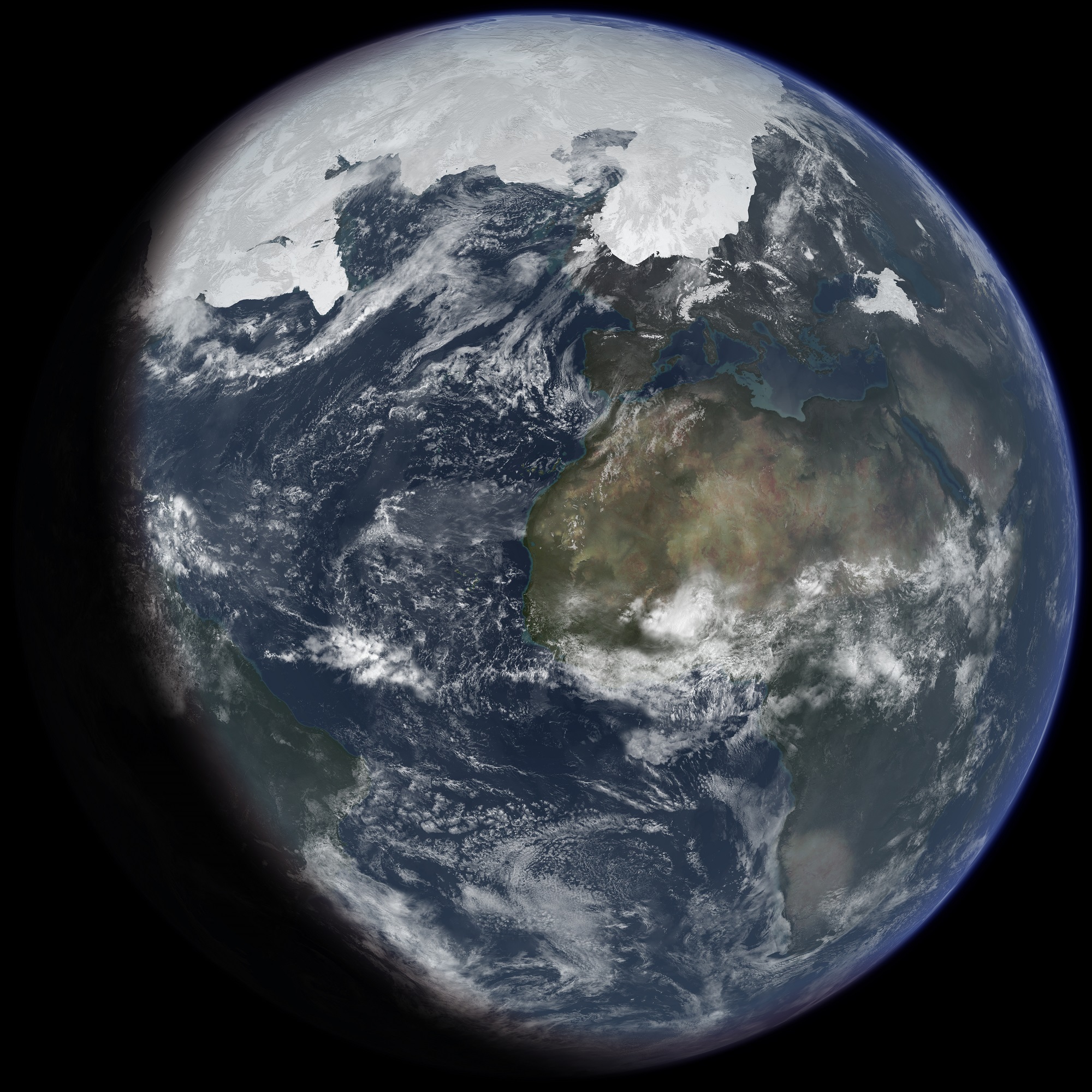
A new study published in Nature suggests that approximately 670,000 to 800,000 years ago, the Earth experienced a warm ice age, known as the late Middle Pleistocene Transition (MPT), which led to a permanent shift in global glacial cycles. Researchers analyzed records of ocean temperatures and forest cover to simulate late MPT climate and found increased winter precipitation in southwest Europe and stronger East Asia summer monsoons. The study suggests that the warmer ocean temperatures fueled the growth of ice sheets, triggering a shift from 40,000-year glacial cycles to the longer and more severe 100,000-year cycles experienced today.

earth-science2 years ago

"Climate Model Reveals Surprising Changes in Earth's Climate Cycles"

Japanese researchers have used an improved computer model to reproduce the cycle of glacial periods during the early Pleistocene Epoch (1.6 to 1.2 million years ago) and confirmed that astronomical forces were responsible for the changes in Earth's climate. The team's analysis of the simulations revealed three salient facts about the mechanisms governing climate change, which could lead to a better understanding of how Earth's climate evolved and have implications for the study of extrasolar planets and the search for life.