The U.S. Supreme Court's conservative justices have shown support for Tennessee's ban on gender-affirming care for minors during oral arguments, suggesting they may uphold the law. The case, which challenges the constitutionality of the ban, could have nationwide implications as 26 states have similar laws. The Biden administration and the ACLU argue the ban discriminates based on sex and harms transgender youth. A decision is expected in the coming months.

Kris Tyson, a transgender individual, has shared before and after pictures of their hormone replacement therapy (HRT) journey, emphasizing the life-saving impact of informed consent HRT. Kris highlighted the unnecessary obstacles gender non-conforming (gnc) people face when accessing gender-affirming healthcare, advocating for the right to make informed decisions about one's own body. The post on the social media platform X, which Kris uses to raise awareness, has sparked discussions about the accessibility of transgender healthcare services.
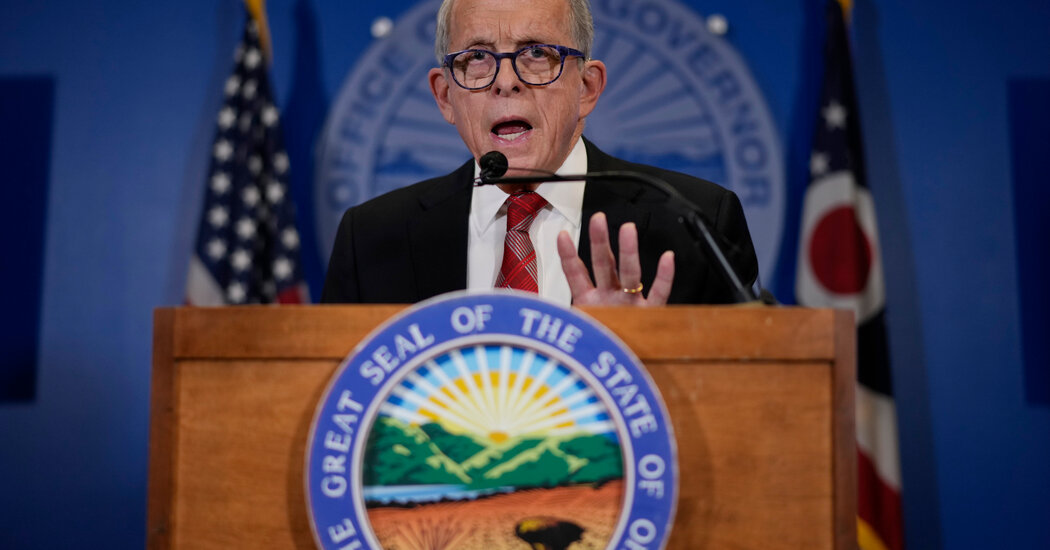
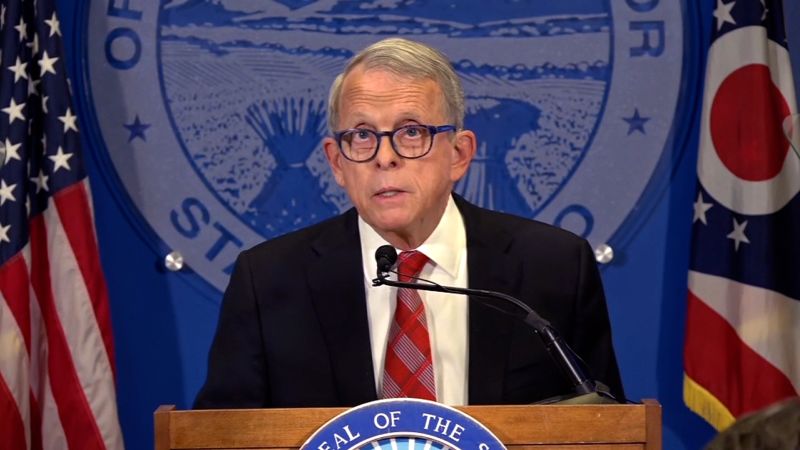
Ohio Governor Mike DeWine, after vetoing a bill that would have banned gender-affirming care for minors, has issued an executive order prohibiting gender-transition surgeries for minors at state-run medical facilities and has directed health agencies to draft rules mandating a comprehensive medical team's involvement in prescribing such care. This move, which includes parental consent requirements and reporting of treatments, seems to be a compromise with Republican lawmakers and adds new restrictions to both minor and adult transgender care. The Ohio House is set to consider overriding the governor's veto in a special session.
Ohio Governor Mike DeWine signed an executive order banning gender transition surgeries for minors and announced plans to file new rules for public comment regarding transgender care. These rules, developed with health departments, emphasize a multi-disciplinary approach and informed consent. This follows his veto of House Bill 68, which sought to ban gender-affirming care for minors and restrict sports participation. Despite the veto, Ohio House Republicans aim to override it in the upcoming session.
Ohio Governor Mike DeWine has introduced new administrative rules to restrict access to gender-affirming care for transgender adults, requiring a multidisciplinary team for treatment and comprehensive care plans with mental health counseling. Additionally, he signed an executive order banning gender-affirming surgeries for minors and mandated the reporting of de-identified data on gender dysphoria treatments. This follows his veto of a bill that would have banned all gender-affirming care for minors and prevented transgender women and girls from competing in female school sports teams. The state House is expected to attempt to override the veto.
Ohio Governor Mike DeWine signed an executive order banning transition-related surgeries for minors, following his veto of a broader bill that would have restricted all gender-affirming care for minors. DeWine emphasized the role of parents in making healthcare decisions for their children and announced new administrative rules to ensure informed consent and mandatory psychological counseling before transition-related care for both minors and adults. Ohio becomes the second state after Arizona to specifically ban such surgeries for minors, while the Ohio General Assembly could potentially override the governor's veto. Major medical associations oppose state bans on gender-affirming care for minors.
Ohio Governor Mike DeWine, a Republican, vetoed HB 68, a bill that would restrict gender-affirming care for trans youths and bar transgender female athletes from girls' sports, citing parental rights to make medical decisions for their children. Despite the veto being a win for LGBTQ+ advocates, Ohio Republicans are pushing to override it, arguing the bill's necessity for protecting children and female athletes. The Ohio house plans to reconvene early to address the veto, with a supermajority likely to succeed in the override. Hundreds of Ohio families have opposed the bill, emphasizing the importance of parental choice in medical care for their children.
The Ohio House is reconvening early to attempt an override of Governor Mike DeWine's veto on a bill that would ban gender-affirming care for transgender youth. The bill, House Bill 68, would prohibit hormone blockers and certain mental health services for trans youth, as well as their participation in school athletics alongside cisgender peers. DeWine vetoed the bill, arguing that such decisions should be left to parents, not the government. However, many Republican lawmakers believe they have the necessary votes to override the veto. If successful, the bill would then move to the Senate for approval and could face legal challenges, as similar laws in other states have been met with lawsuits and federal court blocks for violating constitutional equality provisions.
Detransitioner Chloe Cole criticized Ohio Governor Mike DeWine for vetoing a bill that would have banned gender-affirming care for minors, accusing him of being complicit in what she describes as the "sterilization and mutilation" of children. DeWine defended his veto, arguing that parents, not the state, should decide what's medically best for their children and citing the potential life-saving impact of such treatments. Cole, who regrets her own transition process, argues that children need psychiatric help, not medical intervention, for gender dysphoria. Governor DeWine's office has not commented on the matter.
Ohio's Republican Governor Mike DeWine vetoed a bill that would have restricted access to gender-affirming care for trans and nonbinary minors and barred transgender girls and women from participating in sports as their chosen gender. DeWine argued that the state should not interfere with parental rights to make medical decisions for their children. The article reflects on the broader implications of this decision, suggesting that it aligns with core American values of individual freedom and self-determination, and contrasts with the trend of anti-trans legislation in other states. The author, Lydia Polgreen, draws parallels with her Midwestern Republican grandparents' beliefs in limited government and individual rights, and expresses hope that DeWine's stance may signal a return to these principles within the Republican Party.
Ohio Governor Mike DeWine, a Republican, vetoed a bill that would have prohibited transgender youth from accessing gender-affirming care, diverging from the legislative efforts of some GOP-led states to restrict transgender rights. The specific reasons behind his decision were not detailed in the provided text, but his action reflects a significant stance on a highly contentious issue within the political and social landscape.
Ohio Governor Mike DeWine vetoed House Bill 68, which would have prohibited gender-affirming health care for transgender youth and their participation in school sports. DeWine emphasized the importance of parental rights and informed medical advice in making such decisions, although he plans to pursue regulations against gender-affirming surgery for minors. The veto has sparked criticism from some Republicans, who are urging the legislature to override it. DeWine joins a small group of Republican governors who have vetoed similar legislation, despite a trend in GOP-led states to pass laws restricting transgender youths' access to gender-affirming care and sports participation.