The article emphasizes the urgent need for medical schools and health systems to integrate AI literacy and protocols into clinical training, advocating for AI as a vital tool for doctors to enhance patient care and decision-making, especially in underserved areas, rather than restricting its use.
On World Menopause Day, the article highlights the significant gaps in menopause care in Utah and the U.S., including low hormone therapy usage, inadequate healthcare provider training, and limited treatment options, emphasizing the need for better education, holistic care, and policy changes to improve women's health outcomes.
The article argues that microbiology should be a mandatory prerequisite for medical students to ensure they have a solid foundation in understanding pathogens, antimicrobial resistance, and infectious diseases, which are crucial across all medical fields and especially vital in the context of rising antimicrobial resistance and recent pandemics.
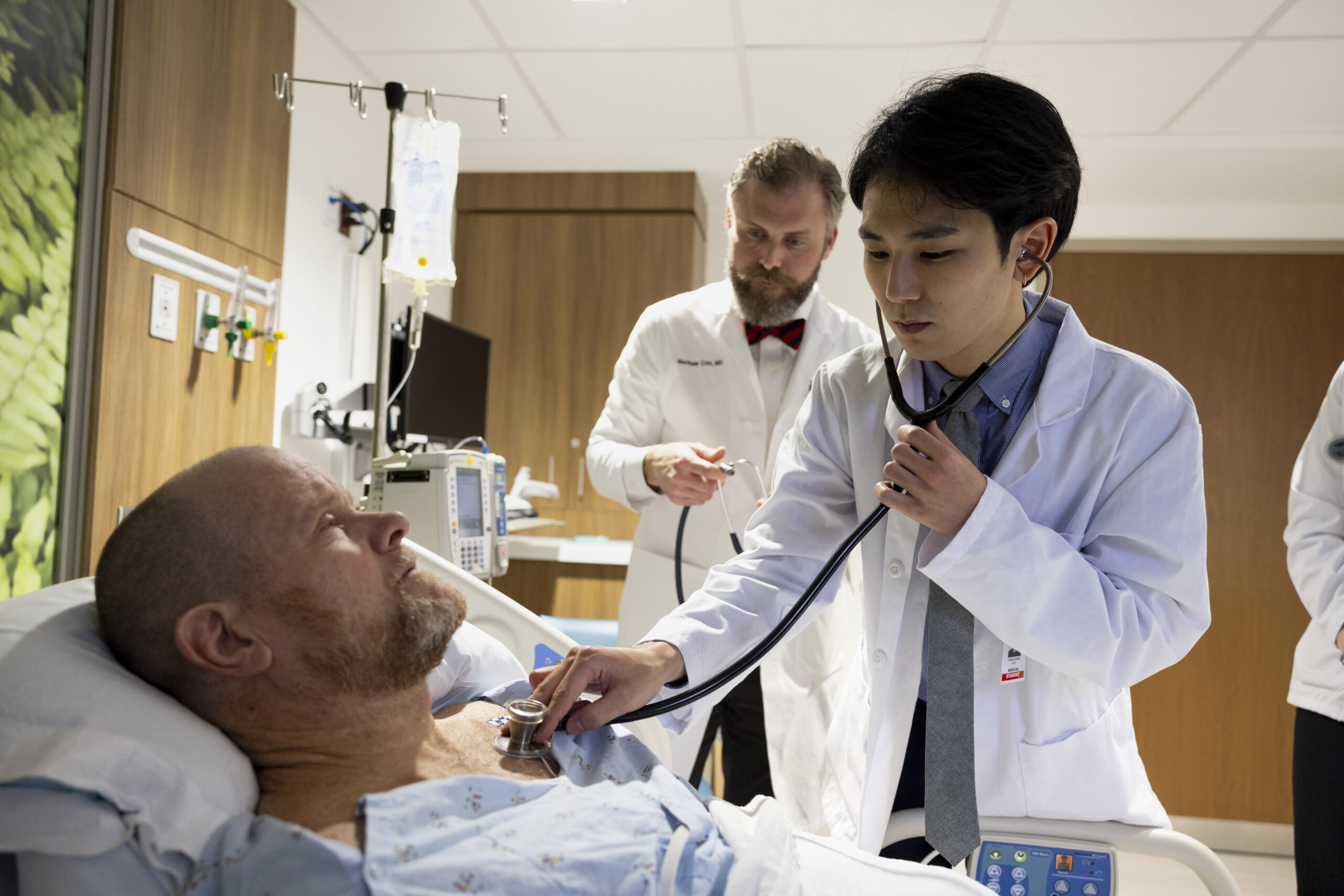
The article explains that heart attack symptoms are often misunderstood due to Hollywood portrayals, which emphasize dramatic pain, whereas real symptoms can be subtle and varied, leading to dangerous delays in treatment. It highlights research showing most people learn about heart attack signs from media, not medical sources, and advocates for better public and medical education to recognize less obvious symptoms and improve outcomes.
As vaccine rates decline, old diseases like measles and polio are resurging, prompting medical schools to update training with AI tools and new modules to better identify and treat these illnesses, highlighting the importance of vaccination and vigilance in public health.
The Republican tax plan proposes caps on federal student loans for professional degrees, including medicine, which could limit access for low-income students and exacerbate the ongoing physician shortage, especially in rural areas, by making medical education less affordable and accessible.
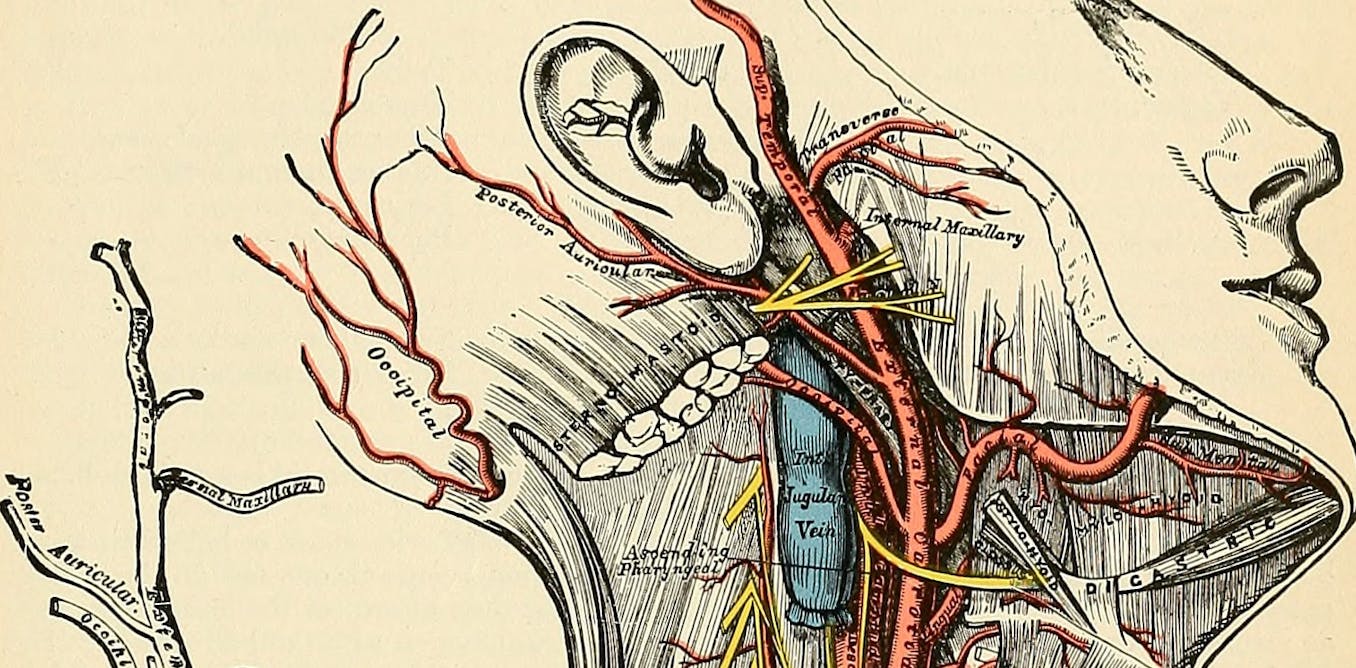
Medical illustrators play a crucial role in medicine by using illustrations to teach complex scientific concepts, dating back to ancient Egypt and flourishing in the Renaissance. They employ special tools and training to visualize things that are normally hidden from the naked eye, including human gross anatomy and cellular structures. Medical illustrators also help conceptualize new processes and techniques, such as illustrating how an experimental drug may theoretically work before it enters testing, and are essential in pre-surgical planning, as demonstrated in the separation of conjoined twins. Specialized training in biomedical sciences and artistic techniques is required to ensure accurate and clear communication of complex scientific information.
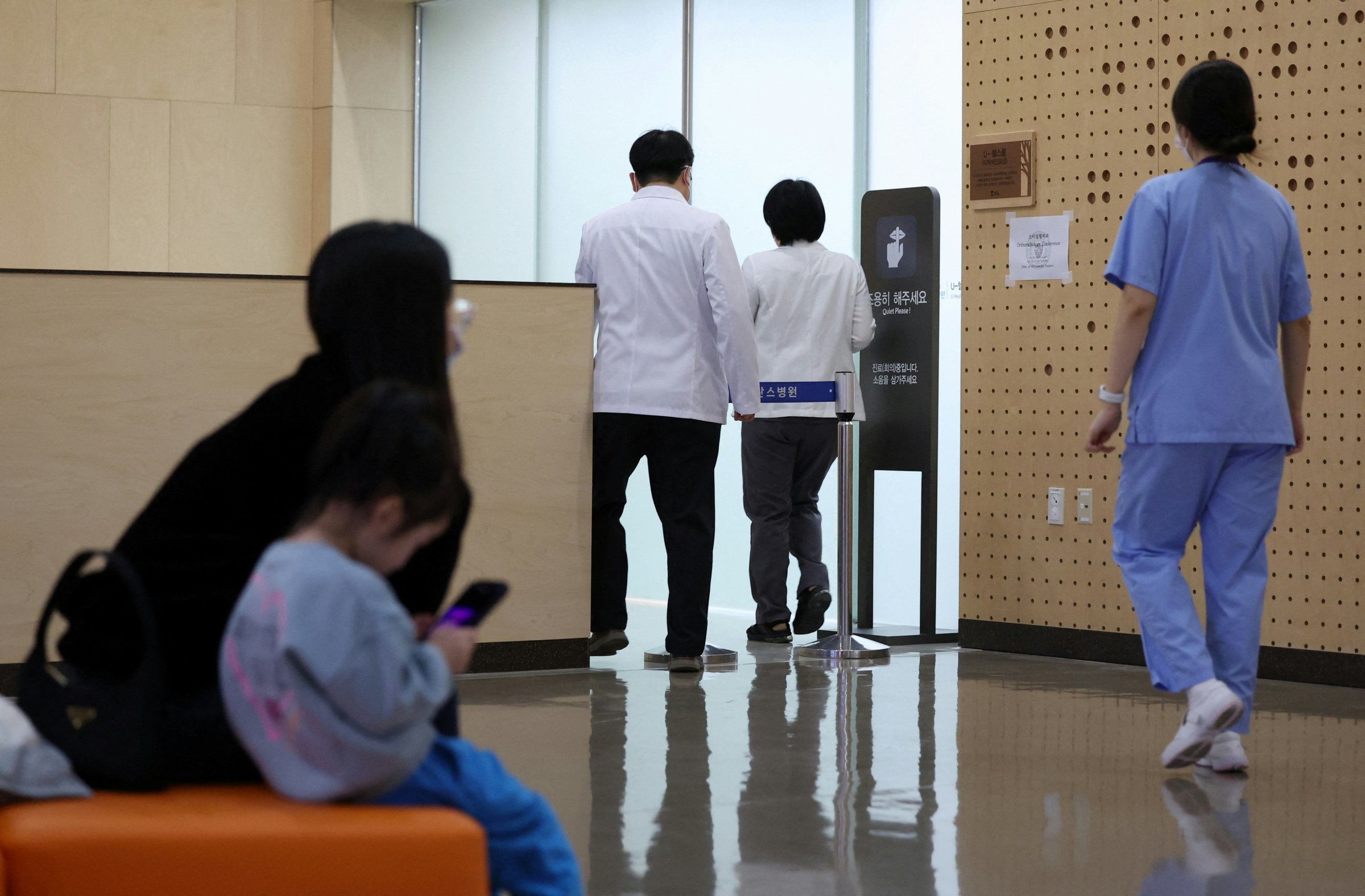
Up to 13,000 trainee doctors in South Korea are preparing to resign in protest against the government's plans to increase the annual number of students admitted to medical schools, which they believe is a move to gatekeep the profession. This could result in disruptions to patient care, with some patients already experiencing delays in their medical treatments. The government has activated an emergency treatment system to mitigate the potential impact of the strike, but has also taken a firm stance against it, ordering all trainee doctors to continue providing medical treatment. The government argues that the increase in the admission quota is necessary to address a shortage of doctors, particularly in rural areas and essential medical fields, but doctors have expressed concerns that the increase in the number of medical students will compromise the quality of medical education and services.
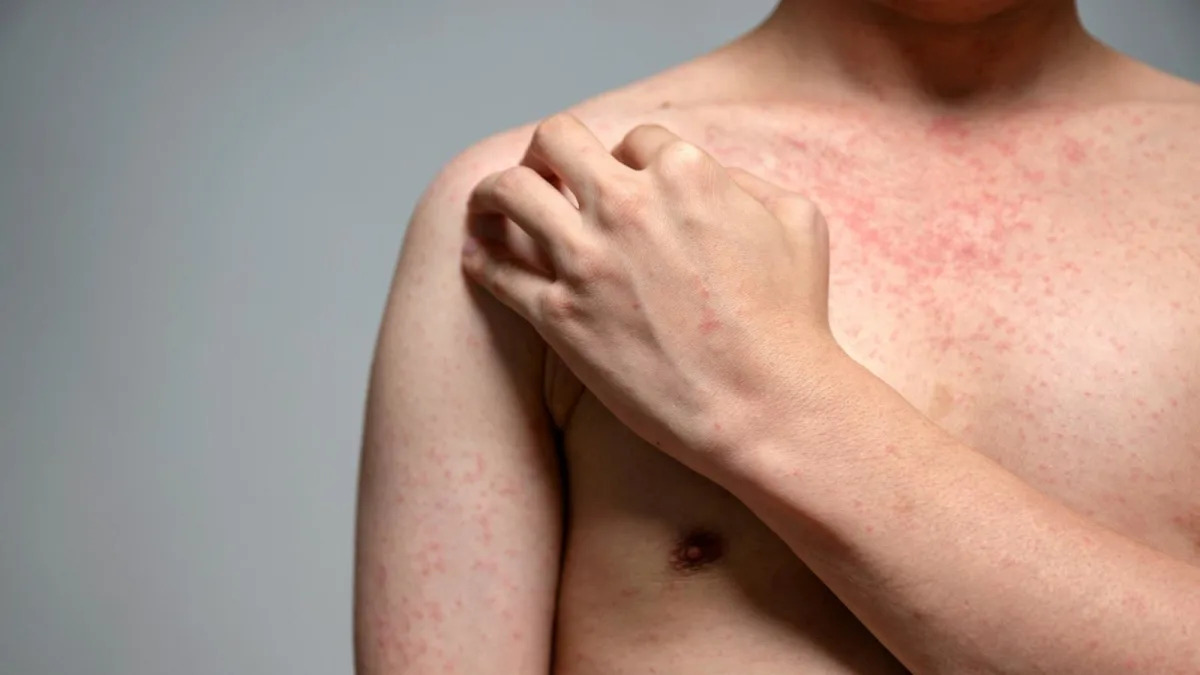
As measles cases resurge in the US, emergency room doctors are being trained to recognize the disease, which many have never encountered due to its previous eradication. The highly contagious virus can lead to serious health complications, especially in young children. Vaccination rates have lagged, contributing to outbreaks in unvaccinated or under-vaccinated communities. Hospitals are developing response plans and educating healthcare workers to ensure preparedness in case of encountering measles patients.
The University of Georgia has been authorized by the Board of Regents to establish a new independent School of Medicine in Athens to address the significant shortage of medical professionals in the state. The school will expand the pool of medical professionals, attract more scientists and researchers, and produce physicians to serve underserved and rural communities. Leveraging its public service network, the university aims to partner with local healthcare providers and rural hospitals to extend the school's impact throughout Georgia. The School of Medicine will also fuel economic development and research, with strong support from both state funding and private donations.
Suicide in the U.S. is a growing public health crisis, with someone dying by suicide every 11 minutes and 1.7 million attempting it in 2021. Medical schools often fail to adequately address suicide, leaving future doctors ill-equipped to identify and treat suicidal patients. Stigma and shortage of mental health care contribute to the problem, with primary care physicians often being the first point of contact for those seeking mental health treatment. Training medical students to discuss suicide with patients and implementing universal suicide screening practices are crucial steps in addressing this urgent issue.
The traditional method of classifying cancers based on their organ of origin is hindering progress in cancer treatment and causing delays in accessing effective drugs for patients with specific molecular alterations. Shifting towards a molecular-based classification system would allow for more targeted and effective treatments, necessitating changes in medical oncology, education, and access to molecular testing. Regulatory agencies, scientific societies, and insurance companies need to redefine evidence requirements for treatment decisions, while hospitals and universities should restructure oncology to prioritize molecular analysis. Medical education should focus on molecular understanding of cancer, and access to molecular testing needs to be improved to enable widespread adoption of molecular-based classifications.
Many medical schools do not adequately address the topic of suicide, leaving new physicians ill-equipped to identify and assess suicidal patients. However, there is a growing movement toward addressing mental health issues in medical schools, with some institutions prioritizing training new physicians to discuss suicide with their patients. The stigma surrounding suicide and the lack of universal screening practices contribute to the problem. Training in suicide assessment and prevention is critical, and there is a need for more states to require such training for doctors to renew their medical licenses. Empathy, compassion, and a nonjudgmental approach are essential in addressing sensitive topics like suicide with patients.
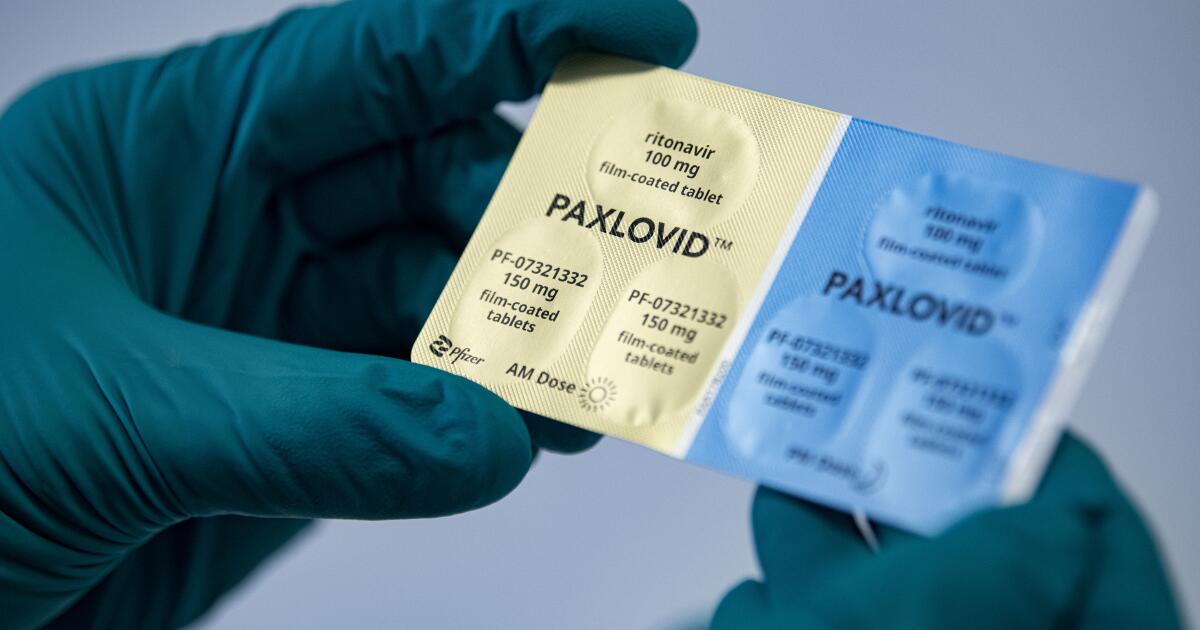
Despite the availability of antiviral medications like Paxlovid to reduce the risk of severe illness or death from COVID-19, studies have found that these drugs are underused, particularly among high-risk patients. Research from the VA Boston Cooperative Studies Program revealed that 80% of high-risk patients were never offered these medications, with reasons ranging from concerns about interactions with other drugs to patients having mild symptoms. Experts emphasize the importance of educating physicians and patients about the appropriate use of these drugs, especially for high-risk individuals, and urge early treatment within five days of symptom onset to prevent severe illness and hospitalization.
Medical illustrators play a crucial role in medicine by using illustrations to teach complex scientific concepts, visualize hidden structures, and conceptualize new processes and techniques. Their work has a long history, dating back to ancient Egypt and flourishing in the Renaissance, and continues to be essential in modern medicine. To become a medical illustrator, specialized training in biomedical sciences and extensive practice in various illustration techniques are required. These professionals are like teachers, using pictures to instruct and communicate complex scientific information with accuracy and clarity.