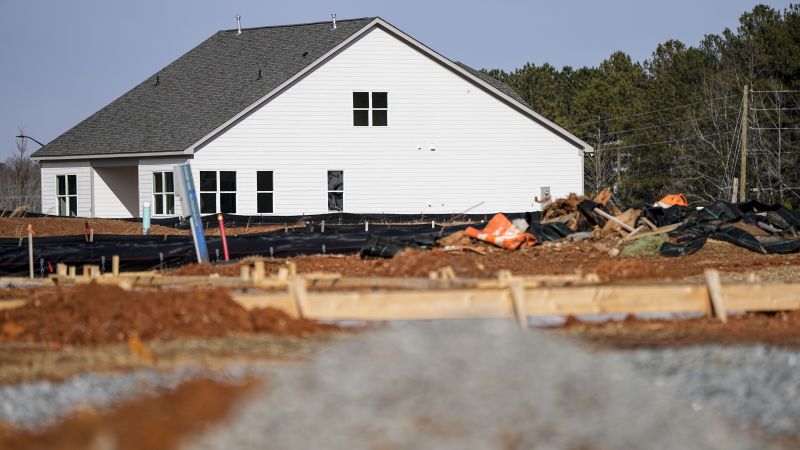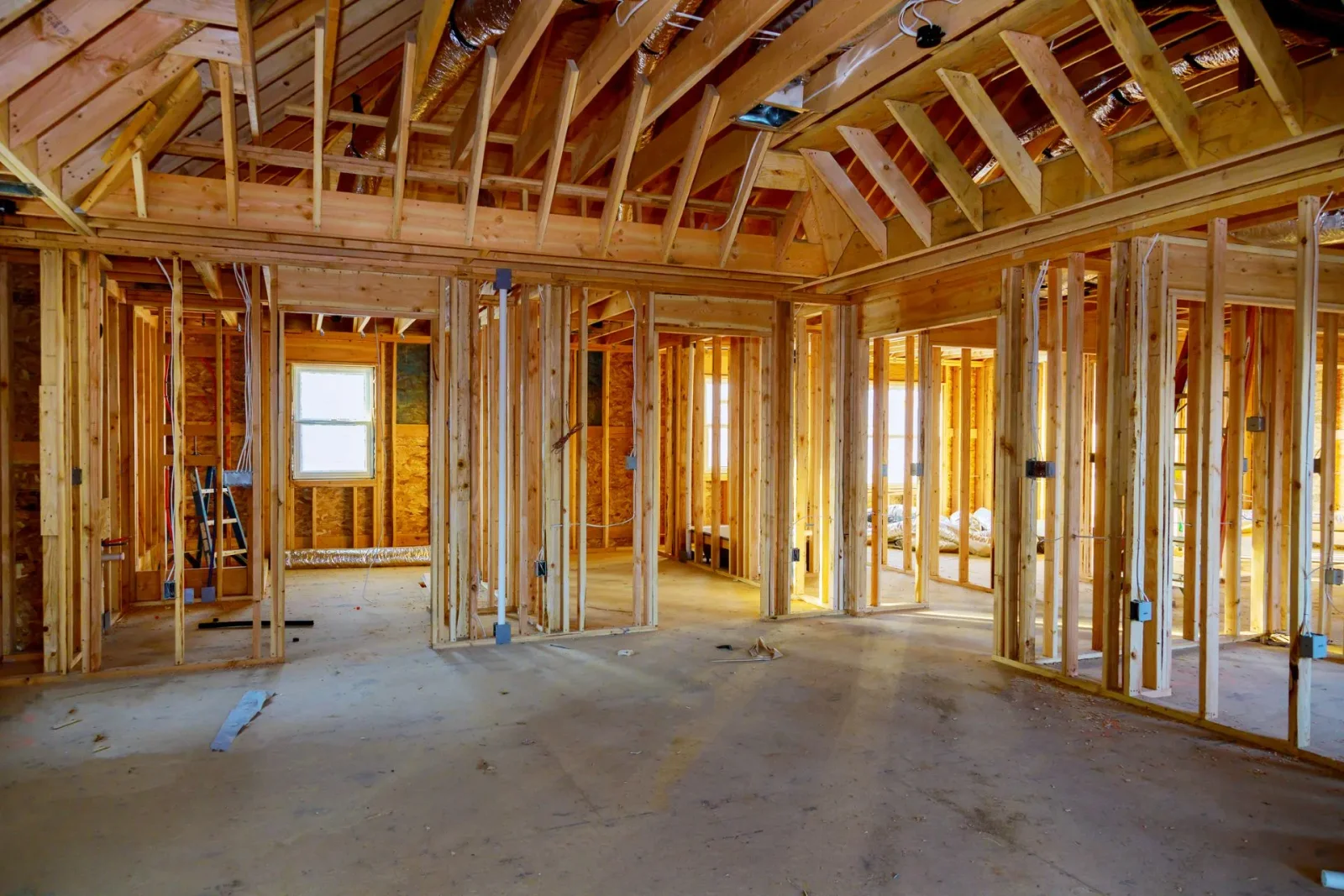
A renovated 70s ranch home, heavily altered with unnecessary additions like a turret and double gable, has sparked outrage and humor online, highlighting issues of tasteless design and the environmental impact of large, resource-intensive homes that contribute to housing shortages and waste. Experts suggest investing in eco-friendly upgrades and reducing consumerism to mitigate these effects.
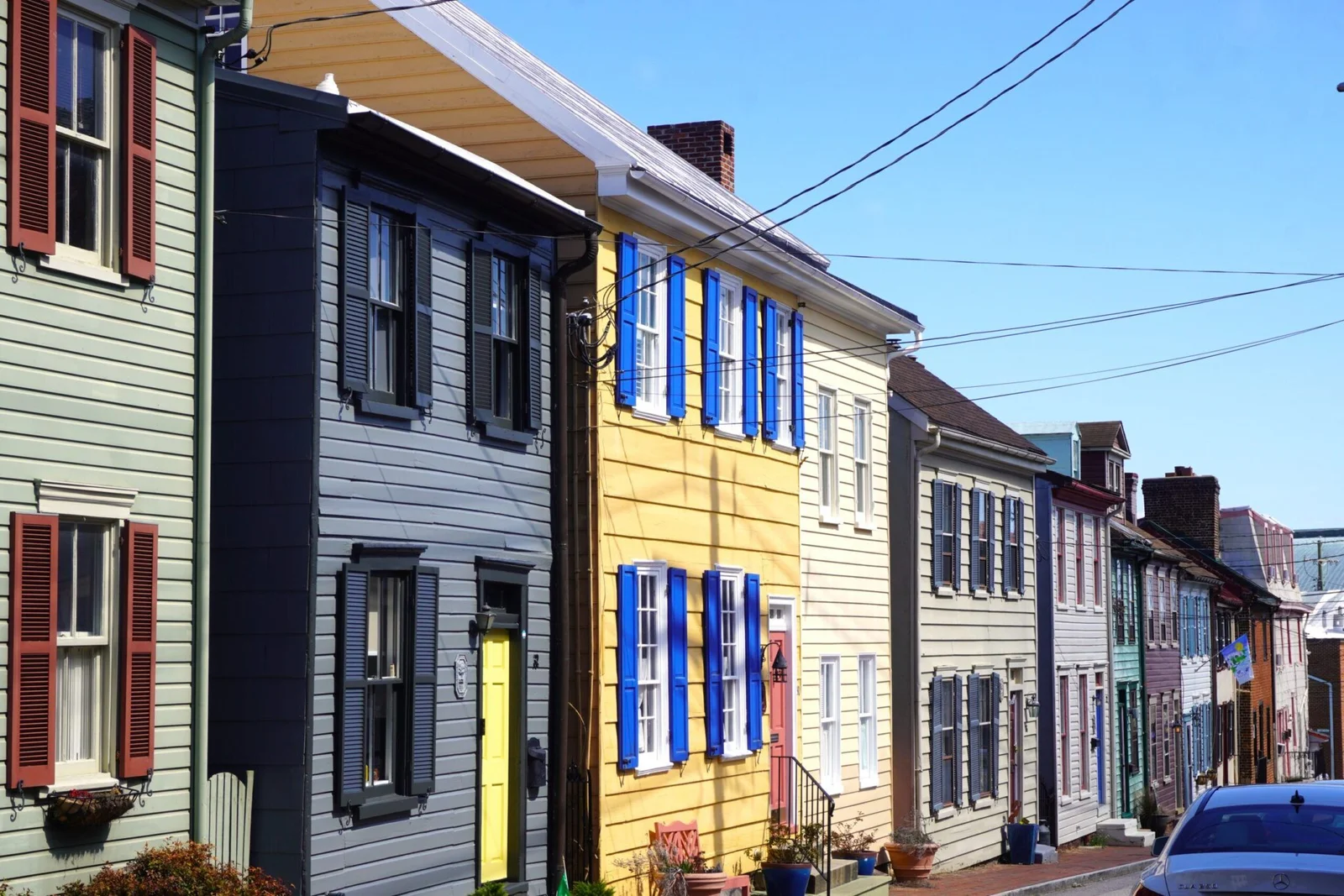
Maryland's government cites a 96,000-unit housing underproduction as a key statistic to address the state's housing shortage, but experts warn that this figure is complex and does not directly reflect the number of unhoused people, highlighting ongoing challenges in housing affordability and policy solutions.
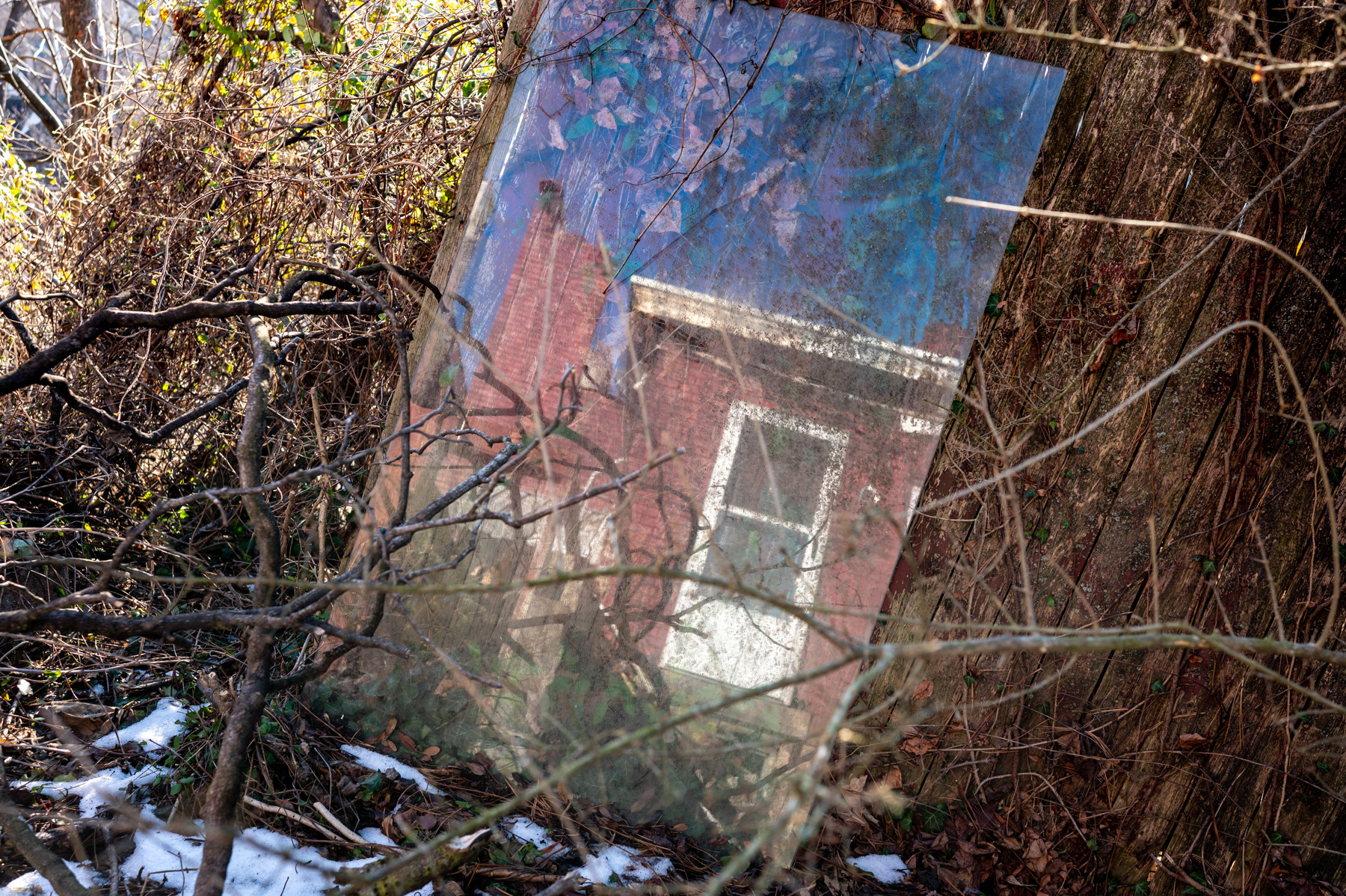
Pittsburgh faces a housing crisis with over 20,000 vacant and uninhabitable homes, partly due to a shrinking population and systemic issues in property management and foreclosure processes, which hinder neighborhood revitalization and contribute to community decline.
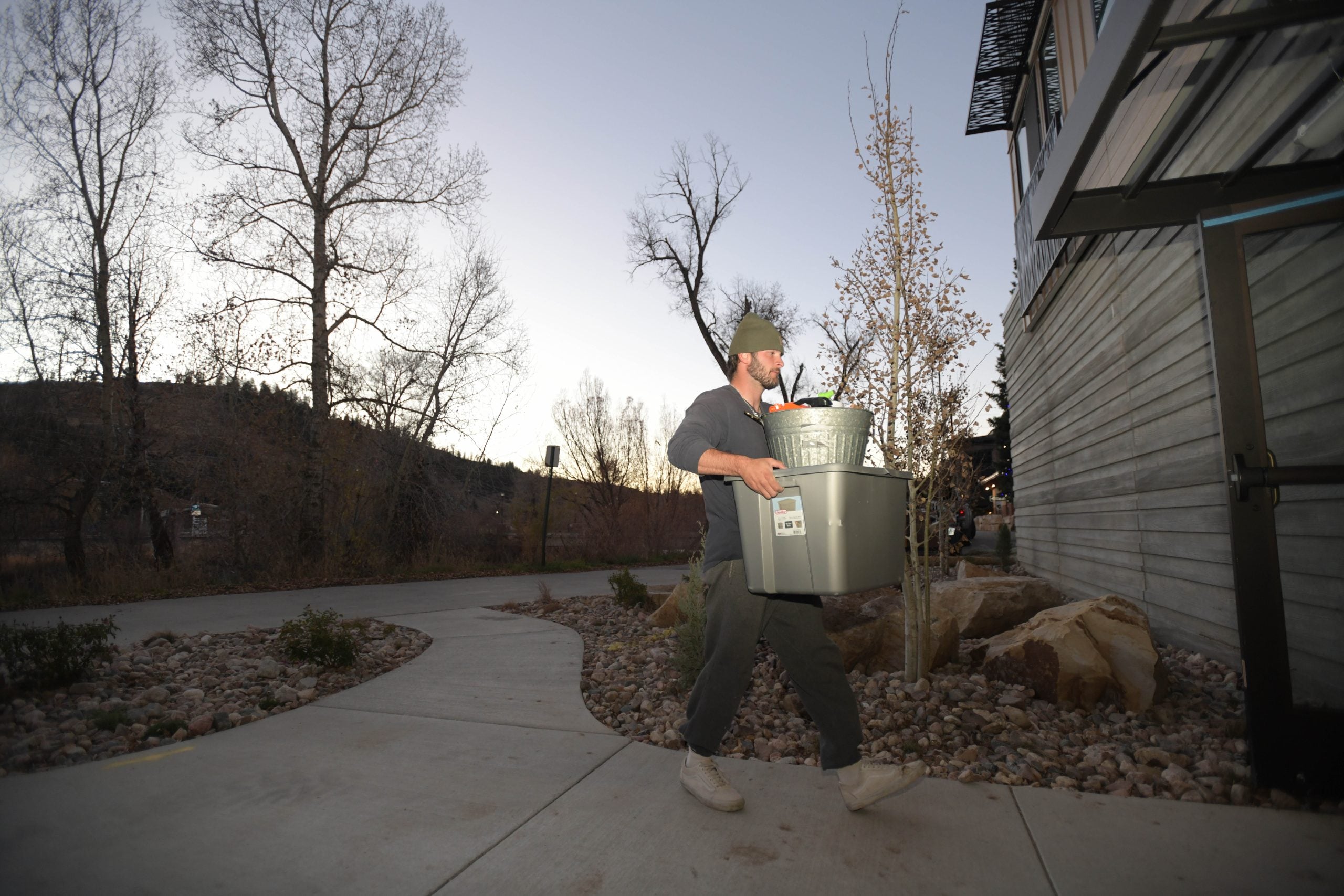
A billionaire investor group purchased and renovated the Riverview apartment complex in Steamboat Springs, offering below-market rents to local workers without income qualifications, aiming to address the housing shortage and preserve community culture. The initiative highlights a potential model for rapid affordable housing solutions in high-cost mountain towns, driven by private investment and swift execution.
High home prices, rising mortgage rates, and a shortage of available homes are making it difficult for first-time buyers, whose average age has reached 40, to enter the housing market, leading to a record low in home sales to first-time buyers and increased financial challenges for young adults.
The article discusses the ongoing shortage of affordable starter homes across the U.S., driven by rising construction costs, zoning laws, and market dynamics, which make it difficult for first-time buyers to find suitable, affordable properties. It highlights regional examples, regulatory barriers, and potential solutions like deregulation and financial assistance programs, while advising prospective buyers to consider strategic compromises such as looking outside major cities to improve their chances of homeownership.
Utah aims to address its housing shortage and high prices by building 35,000 affordable starter homes over five years, with developers like Nilson Homes creating smaller, cost-effective houses to help first-time buyers, despite slow progress and zoning challenges.
Many older homeowners in the US are discouraged from selling their homes due to the capital gains tax, which may be contributing to a housing shortage. There is bipartisan support in Congress to reform or eliminate this tax to increase housing inventory, with some proposing to double the exemption thresholds. However, experts warn that such changes could have unintended consequences, including rising home prices and increased federal costs, and may disproportionately benefit wealthier Americans.
The average age of first-time homebuyers in the U.S. has reached a record high of 38, reflecting challenges in the real estate market such as high home prices, a housing shortage, and increased competition from wealthier buyers. The share of first-time buyers has decreased to 24%, the lowest since 1981. Factors like high rent costs and debt-to-income ratios are making it difficult for younger adults to save for a home. Meanwhile, repeat buyers, often older and wealthier, dominate the market, benefiting from home equity.
Dallas-Fort Worth has the highest inflation rate among major U.S. metro areas, driven by a housing shortage, rising energy prices, and increased medical care costs. The city's year-over-year inflation rate is 5%, second only to Honolulu, and has risen by 1% over the past two months.
US inflation has remained high due to persistent price gains and a resilient economy, leading to a shift in tone from Fed Chair Jerome Powell, who indicated that borrowing costs will stay elevated for longer than previously thought, impacting global policy.
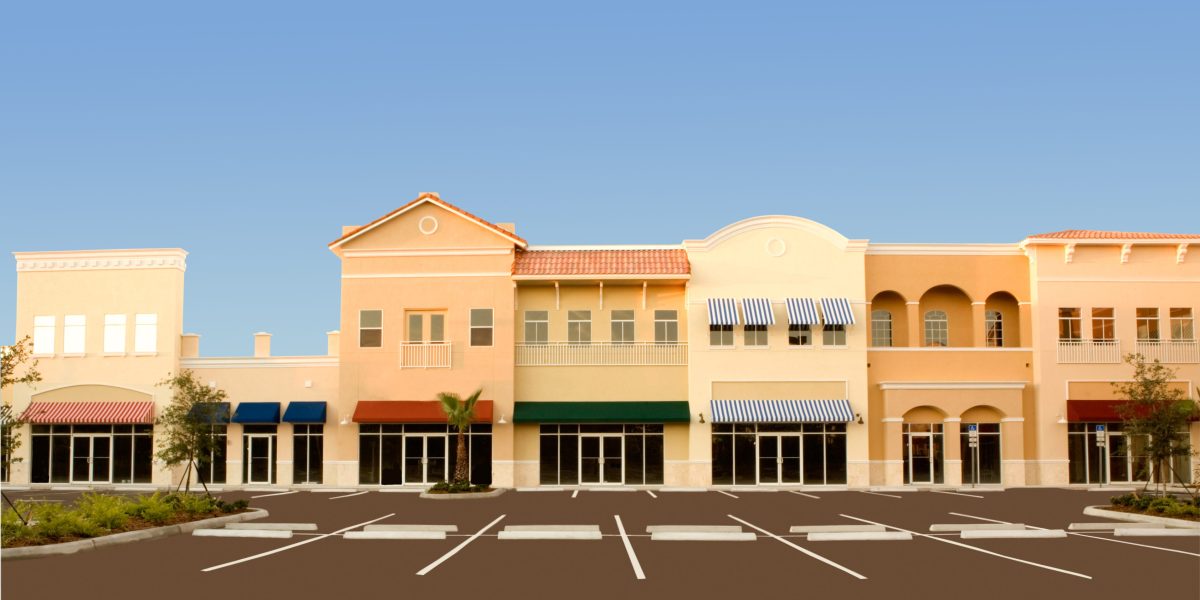
With America facing a severe housing shortage, attention is turning to repurposing underperforming retail spaces, such as strip malls and shopping centers, into residential buildings. Converting just 10% of these sites could create 700,000 new housing units nationwide, offering a potential solution to the housing crisis. Unlike office-to-apartment projects, which have proven costly and rare, retail conversions present a more promising and feasible option due to the abundance of retail space, existing infrastructure, and potential for mixed-use developments. While challenges such as lighting and utility work exist, the trend of turning dead malls into apartments is gaining traction as a viable solution to the housing shortage.
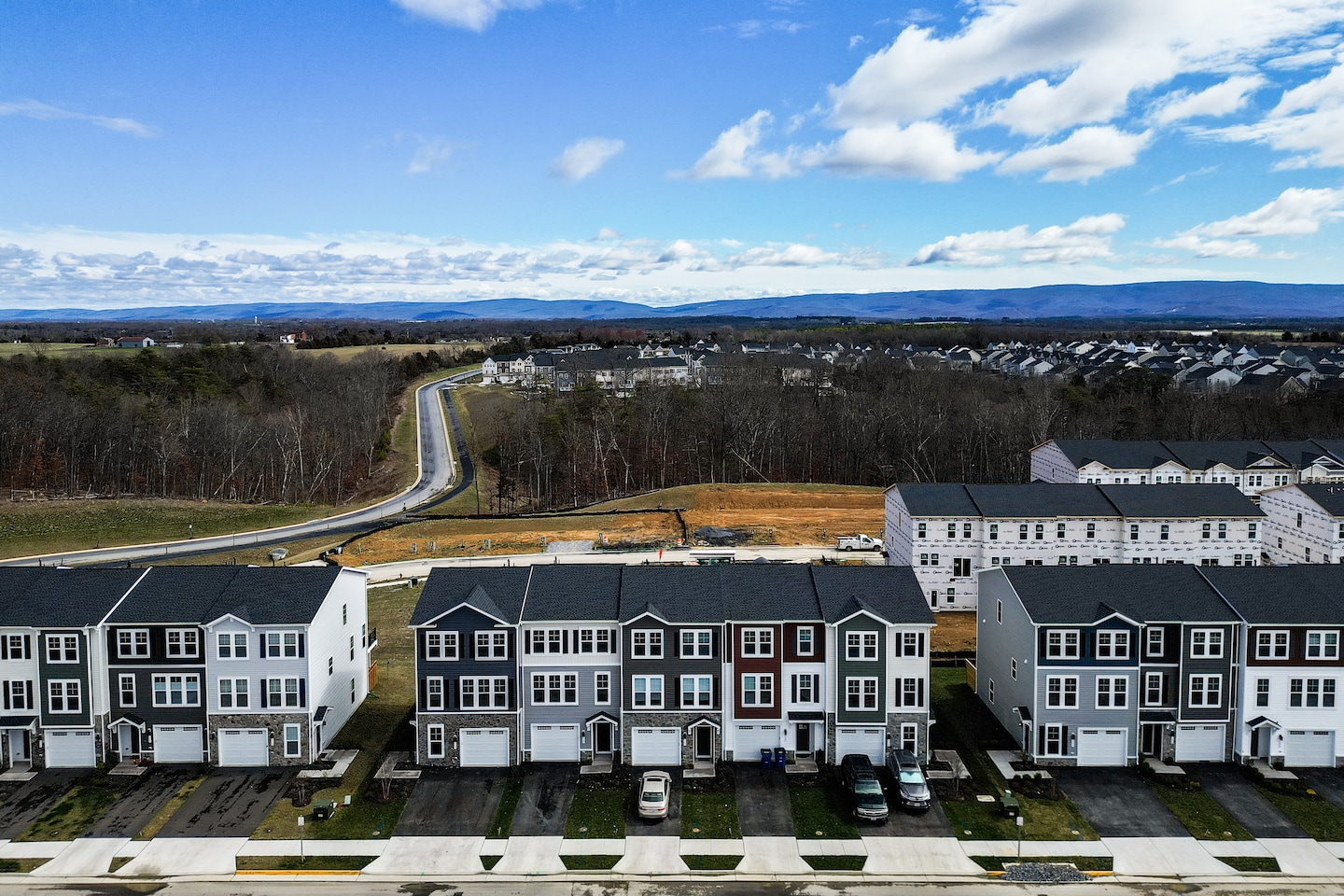
The American housing market is experiencing a shift towards smaller and more affordable homes, with median new-home sizes decreasing by 4 percent in the past year. This trend is driven by the critical shortage of starter homes, making it difficult for first-time home buyers to enter the market. Home builders are prioritizing smaller, more affordable options, with townhouses becoming increasingly popular. However, the overall housing shortage and rising borrowing costs continue to pose challenges for potential buyers, prompting local governments to rethink zoning laws and land-use policies to address the issue.
US homebuilding experienced its largest drop since April 2020 in January, with housing starts falling by 14.8% compared to the previous month, largely due to winter storms and higher mortgage rates. Building permits also decreased by 1.5%, indicating a continuing housing shortage ahead, according to Lawrence Yun, chief economist at the National Association of Realtors.
Gen Z and millennials are driving a surge in demand for urban living in New York City, leading to historically low vacancy rates of 1.4%—the lowest since 1968. This trend contrasts with the overall population losses in major metropolitan areas. The high demand has resulted in skyrocketing rental costs, with the average rent for a 700-square-foot apartment exceeding $4,700. NYC leaders are calling for more affordable housing to address the housing shortage and homelessness problem, but challenges such as high land costs and regulatory barriers hinder housing development.