
US Housing Market Faces Decline Amid Economic Uncertainty
Housing starts in May dropped by 9.8% to a 5-year low, indicating a slowdown in new home construction due to waning demand, which could benefit home buyers by reducing competition and prices.

All articles tagged with #home builders
Housing starts in May dropped by 9.8% to a 5-year low, indicating a slowdown in new home construction due to waning demand, which could benefit home buyers by reducing competition and prices.
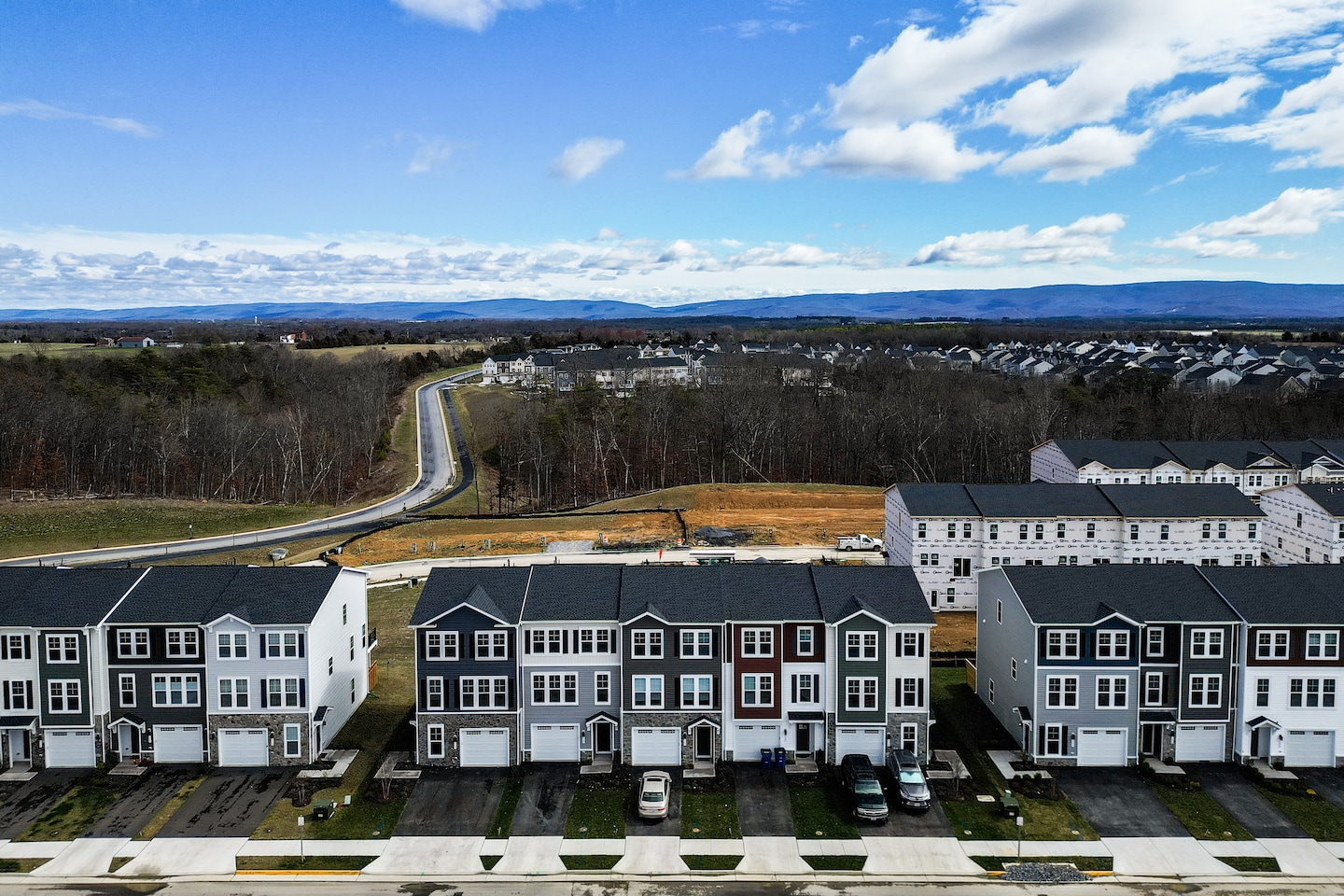
The American housing market is experiencing a shift towards smaller and more affordable homes, with median new-home sizes decreasing by 4 percent in the past year. This trend is driven by the critical shortage of starter homes, making it difficult for first-time home buyers to enter the market. Home builders are prioritizing smaller, more affordable options, with townhouses becoming increasingly popular. However, the overall housing shortage and rising borrowing costs continue to pose challenges for potential buyers, prompting local governments to rethink zoning laws and land-use policies to address the issue.
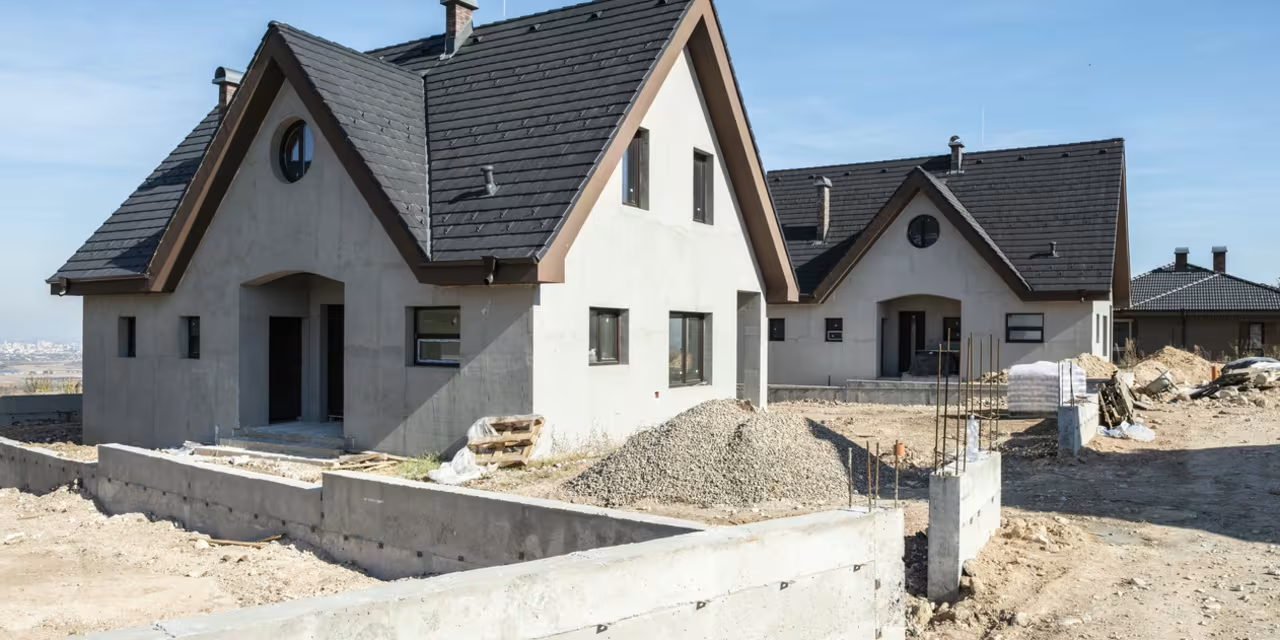
Housing starts in the U.S. experienced a significant 14.8% drop in January, marking the sharpest decline since April 2020, as wintry weather and builder activity curtailment impacted construction. Single-family and multi-family construction both decreased, with the Northeast being the only region to see an increase. Despite the slowdown, builders remain optimistic about future sales and demand due to expected falling interest rates. The housing market's share of new homes in overall sales has risen to 30%, and while the drop in starts may be attributed to weather, mortgage rate increases could continue to weaken housing activity until the Federal Reserve signals a clearer policy intent.
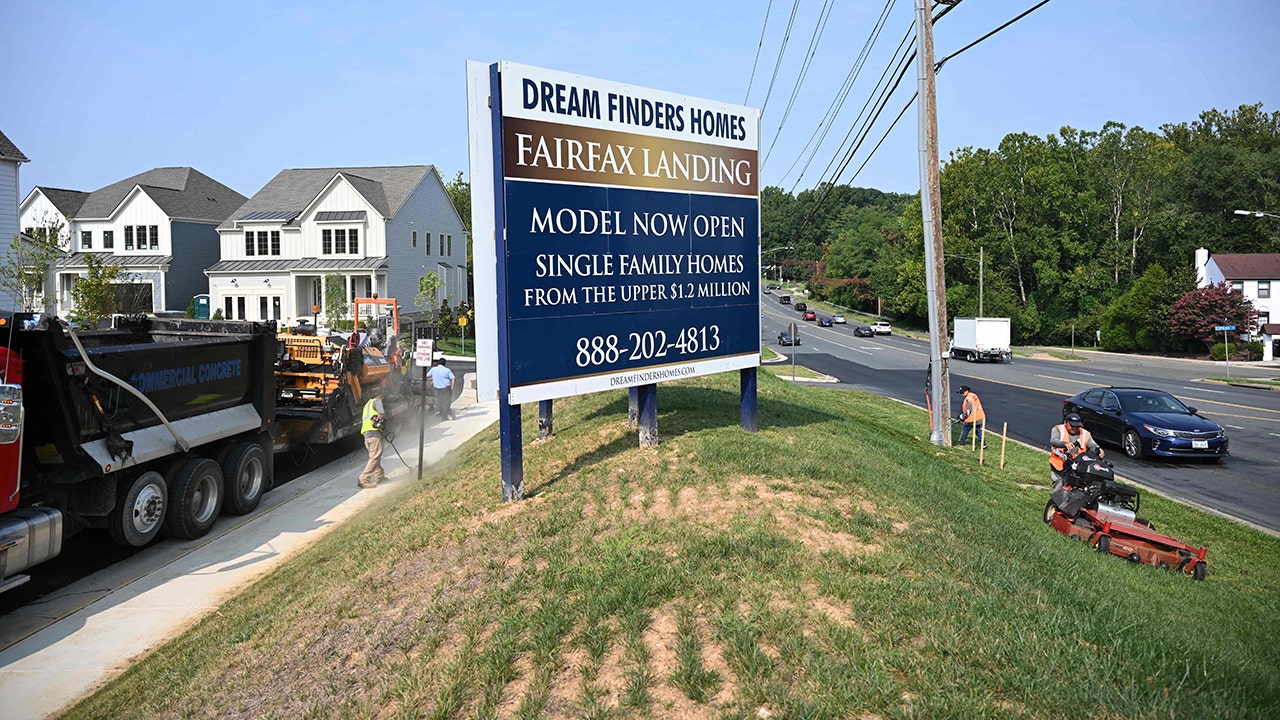
Despite a sharp drop in mortgage rates, U.S. home construction fell in December for the first time in four months, with housing starts decreasing 4.3% to an annual rate of 1.46 million units. However, applications to build rose, indicating future construction growth. The decline in construction was attributed to a substantial drop in single-family home construction. Lower interest rates have improved housing affordability conditions, prompting optimism among homebuilders, but the housing market is facing new challenges such as higher prices and shortages of labor and lumber.

The CEO of Howard Hughes predicts a "golden age" of new home construction in 2024, driven by falling mortgage rates and increased demand. Homebuilders are offering attractive discounts, such as mortgage rate buydowns, to entice buyers. However, the existing home market is expected to remain stagnant due to high borrowing costs, discouraging homeowners from selling. The supply-demand imbalance is projected to worsen, further driving demand for new home construction. Lower mortgage rates are needed to unlock existing home inventory, but experts only anticipate a slight easing of rates in the coming year.

The rapid rise in U.S. bond yields is causing turmoil in financial markets, with interest-rate sensitive sectors of the stock market being hit the hardest. The surge in Treasury yields is raising concerns about the sustainability of the current bull run for equities. Home builders, utilities, small-cap stocks, gold, and U.S. multinationals are all feeling the impact of rising yields, with mortgage rates exceeding 8% for some buyers and utility shares appearing less attractive. Additionally, the rally in the U.S. dollar is posing a potential challenge for companies reliant on exports and overseas sales.
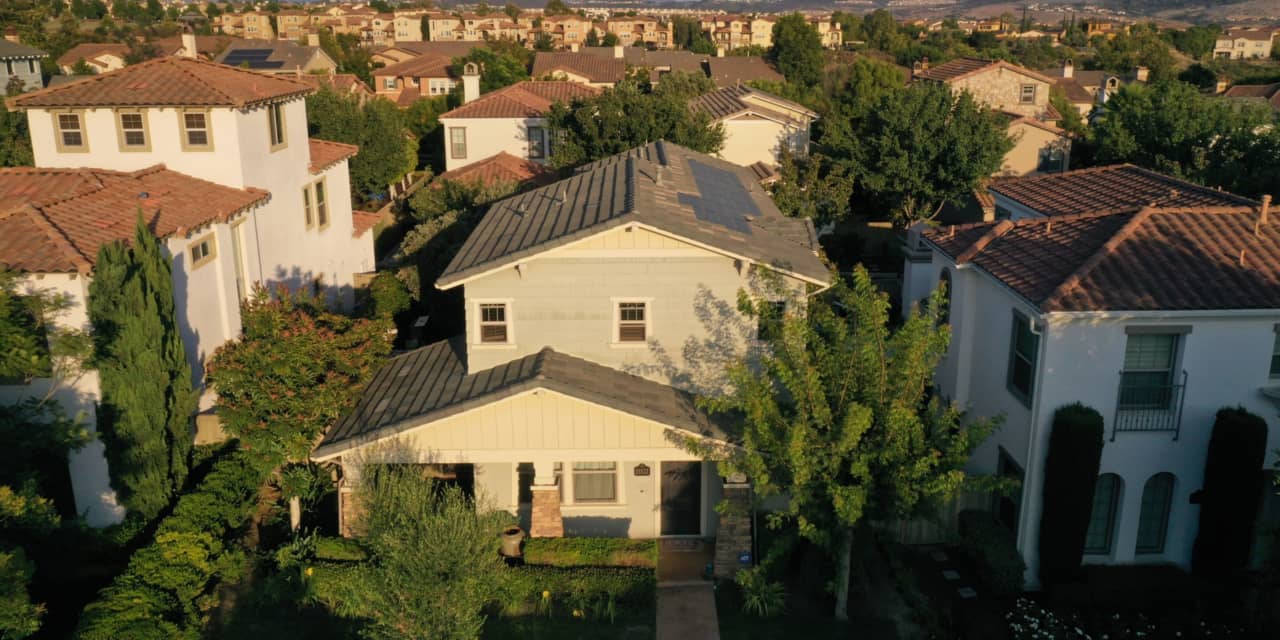
Lennar, one of the largest home builders in the US, is set to report its third-quarter earnings, providing investors with insight into the state of the housing market. Demand for new homes remains strong.

Home builders, such as Ivory Homes in Utah, are experiencing a boom in business as homeowners are choosing not to sell their homes due to high mortgage rates. This has resulted in a decrease in buyers for new homes, leading builders to lay off staff and reduce construction.
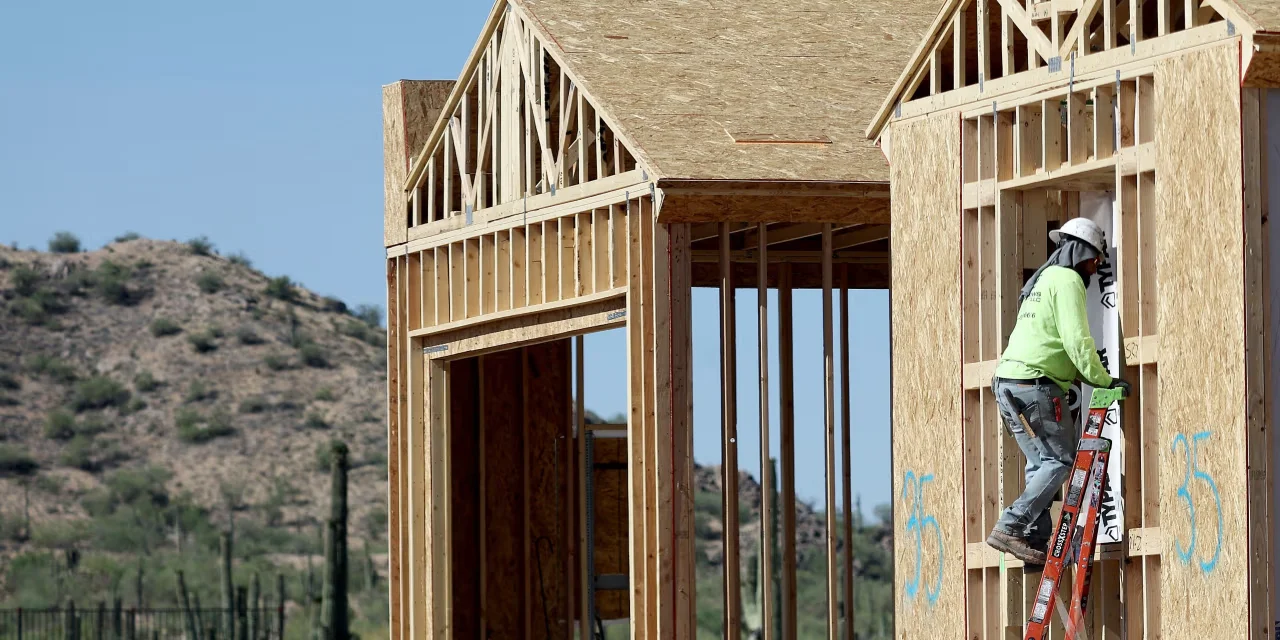
Home builders are adapting to the current high interest rate environment by focusing on building smaller, more affordable homes. Despite the higher rates, the housing market remains strong and demand for homes continues to rise. Builders are also benefiting from the current shortage of existing homes for sale, which is driving more buyers to new construction.
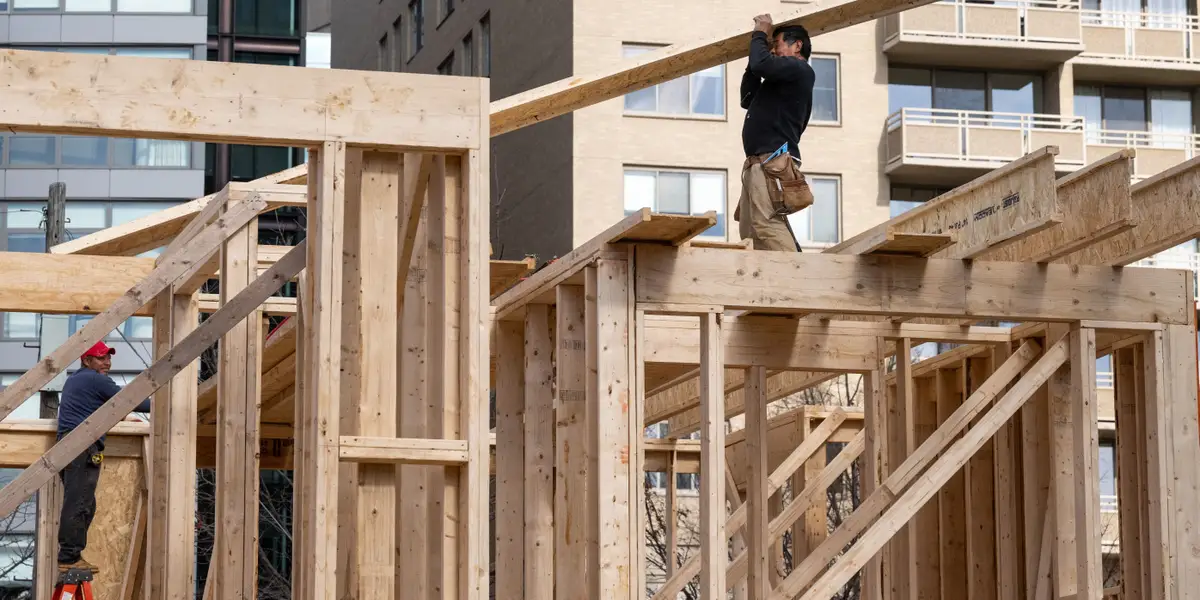
Lumber prices rose by up to 3% after US housing starts surged 21.7% in May to 1.63 million units, the biggest increase since January 1990. The surge comes as home builders rush to meet the growing demand of millennial first-time home buyers. Despite elevated interest rates, building permits also increased in May, signaling that high interest rates are being tolerated by potential home buyers. The recent surge in housing starts could ultimately help lower inflation, which would give the Federal Reserve more breathing room in terms of pausing its interest rate hikes.
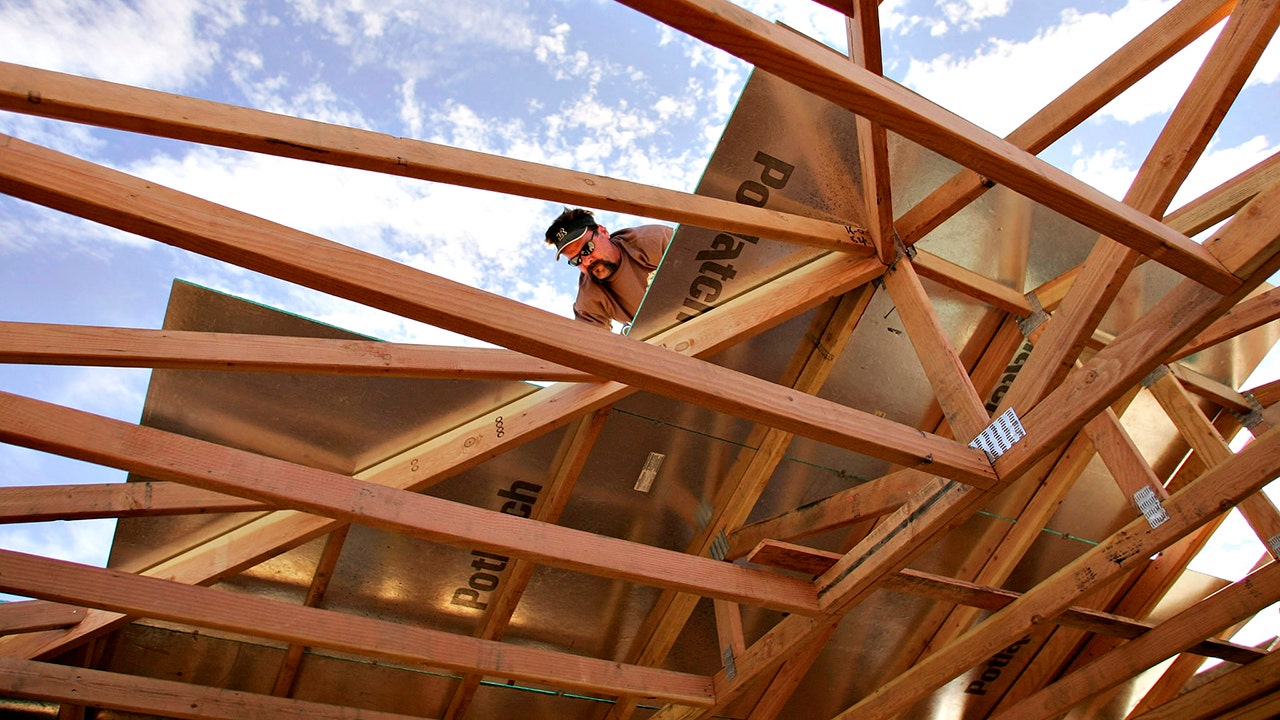
Builder confidence in the US housing market has risen for the first time in 11 months, according to the National Association of Home Builders (NAHB). The Wells Fargo housing market index reading rose to 55 from 50, marking the sixth consecutive month that sentiment improved and the first time it surpassed the midpoint of 50 since July last year. The uptick in home builder sentiment reflects growing foot traffic from homebuyers, light competition from resale, and a better supply chain. However, access to builder and developer loans has become more difficult to obtain over the last year, which will ultimately result in lower lot supplies as the industry tries to expand off-cycle lows.
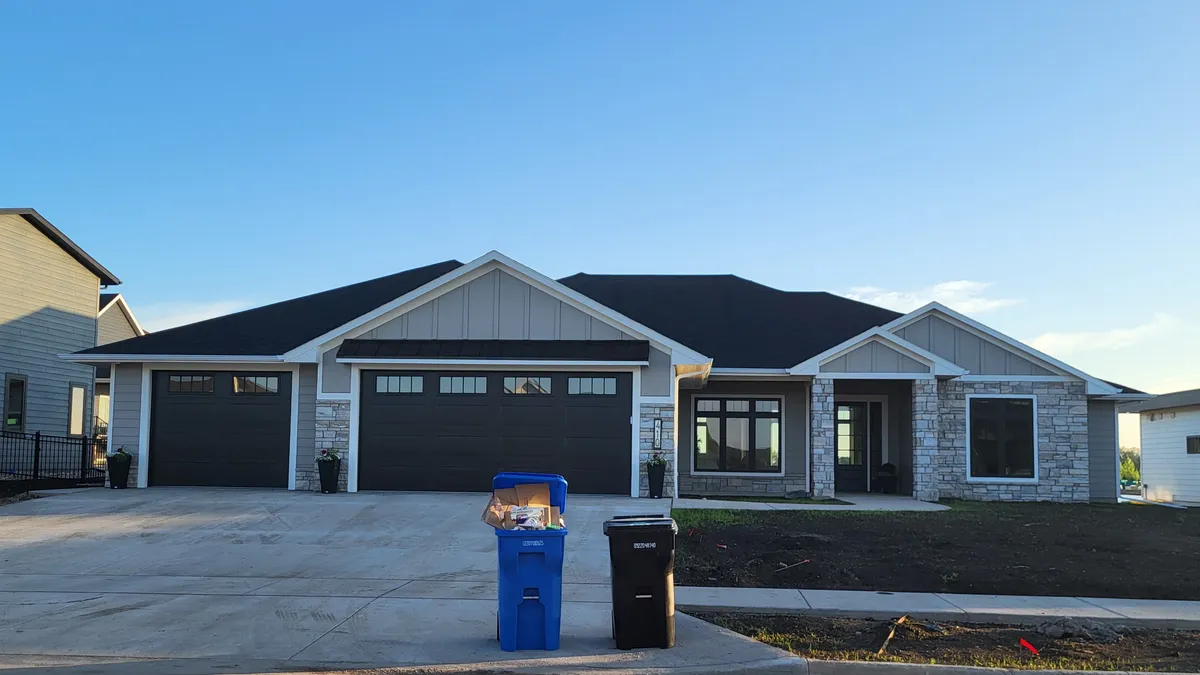
Limited inventory of existing homes due to sub-5% mortgage interest rates has led to an increased demand for new home construction, with builder confidence rising for the fifth straight month. Sales of newly built single-family homes rose nearly 10% in March, and 33% of homes listed for sale were new homes in various stages of construction. However, builders continue to face challenges in meeting the growing demand for new construction, including shortages of building materials and tightening credit conditions for residential real estate development and construction brought on by the actions of the Federal Reserve to raise interest rates.

Big Tech companies including Microsoft, Alphabet, Amazon, and Meta Platforms are set to report earnings this week, with investors closely watching for signs of recession and the companies' ability to weather it. Another major theme for tech earnings is the race toward artificial intelligence. Meanwhile, home builder stocks rose last week despite disappointing data, as DR Horton beat earnings expectations and raised its full-year outlook, leading investors to believe the housing market is on the road to recovery.
The Dow fell by over 600 points as banking fears spread across global markets, with Credit Suisse's shares down by more than 20% after its biggest shareholder chose not to increase funding. The collapse of Silicon Valley Bank and Signature Bank has pushed the B-word back to the center of the nation’s political and economic debates, with former Goldman Sachs CEO Lloyd Blankfein agreeing that more regulation is needed to prevent a situation like Silicon Valley Bank’s collapse from happening again. Home builder confidence climbed for the third consecutive month, even as mortgage rates climbed higher for buyers. Bridgewater Associates founder Ray Dalio warned investors that there's more pain ahead for the global financial system.
Home builder sentiment in the US rose for the third consecutive month in March, according to the National Association of Home Builders/Wells Fargo's gauge of builder sentiment. The index increased by two points to 44, beating analysts' expectations of 40. However, readings under 50 indicate that a larger proportion of builders see conditions as "poor" than those who see them as "good". Builders continue to report strong pent-up demand, but are dealing with high construction costs and material supply chain disruptions. The cost and availability of housing inventory remains a critical constraint for prospective home buyers.