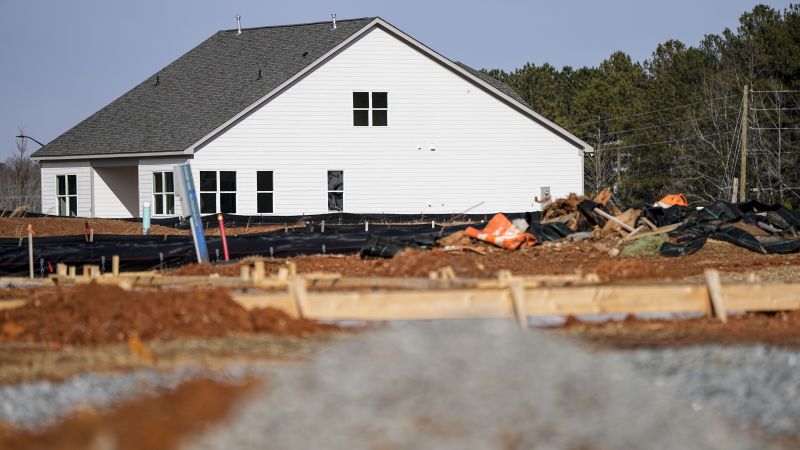
New US tariffs on imported kitchen cabinets, timber, and furniture have taken effect, with tariffs ranging from 10% to 50%, aimed at protecting domestic manufacturing but raising concerns about increased housing and renovation costs.
Lennar, a major homebuilder, reported significant declines in profits and gross margins due to falling home prices and increased incentives, with its average selling price dropping below 2019 levels. Despite lower prices, home sales volume remained stable or increased slightly, highlighting a shift in the market dynamics. The report underscores the challenges faced by sellers of existing homes amid high prices and the impact of the end of pandemic-era monetary support on the housing market.
Lennar's Q3 earnings were boosted by its investment in Opendoor, but the company's stock fell due to missed margin and revenue estimates amid a slow housing market, with Lennar adjusting its strategy to focus on moderating volume and stabilizing margins.
D.R. Horton stock surged 13% after reporting a surprising earnings beat with EPS of $3.36 and revenue of $9.23 billion, driven by buyer incentives amid high interest rates. Despite strong quarterly results, the company faces ongoing challenges with consumer spending and has lowered its revenue forecast for the year. Analysts give a moderate buy rating with a target price suggesting nearly 10% upside.
Homebuilder sentiment in June 2025 neared pandemic lows due to high mortgage rates and economic uncertainty, leading to decreased sales expectations, increased price cuts, and a forecasted decline in new home starts for 2025.
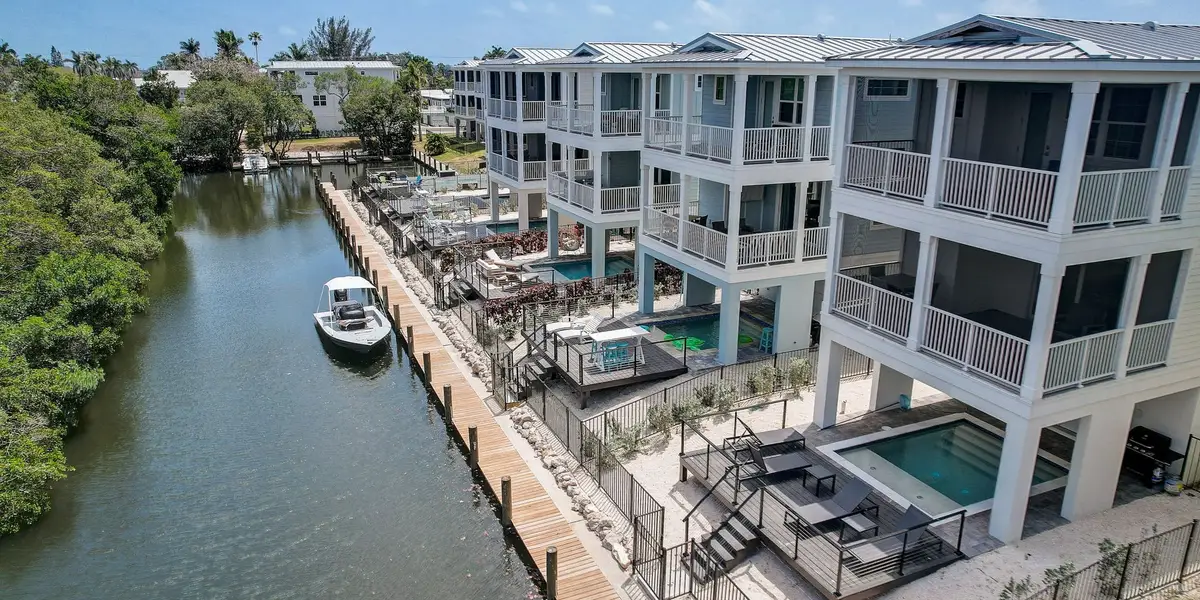
In response to increasingly severe hurricanes, Florida developers are constructing hurricane-resistant communities using innovative techniques like elevated homes, steel straps, and smart lakes to minimize storm damage. Developments like Hunters Point and Babcock Ranch exemplify this trend, with features such as underground utilities and fortified structures. While no home can be entirely hurricane-proof, these strategies aim to enhance resilience and protect property values amid rising insurance costs and climate change challenges.
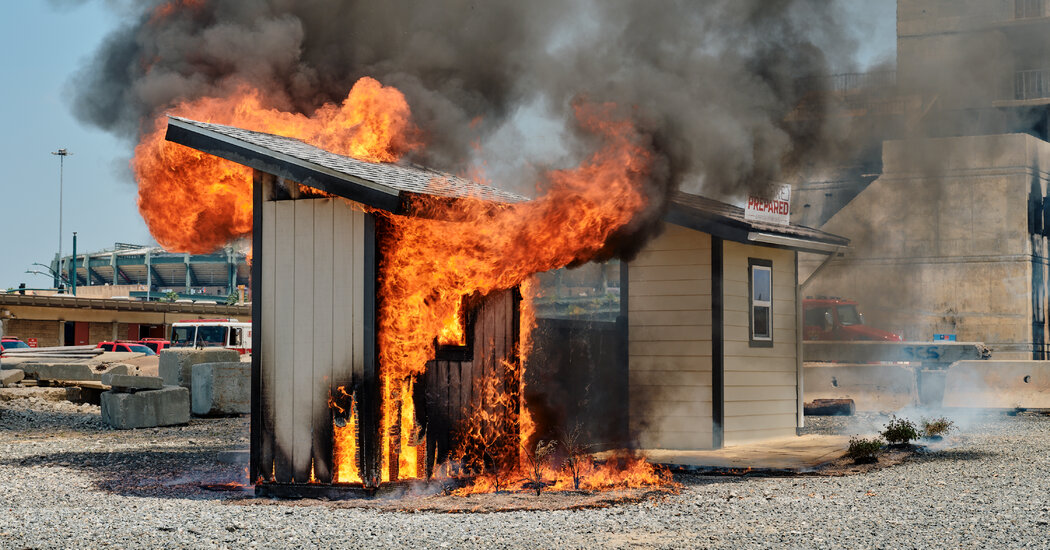
Property insurers are conducting controlled burn demonstrations to advocate for changes in construction standards to better protect homes against wildfires. Due to increasing wildfire risks exacerbated by climate change, insurers are warning that homes in high-risk areas must be built to withstand fires or they may not be insurable, impacting mortgage availability. The insurance industry, facing significant financial losses, is pushing for these changes to sustain their business model.
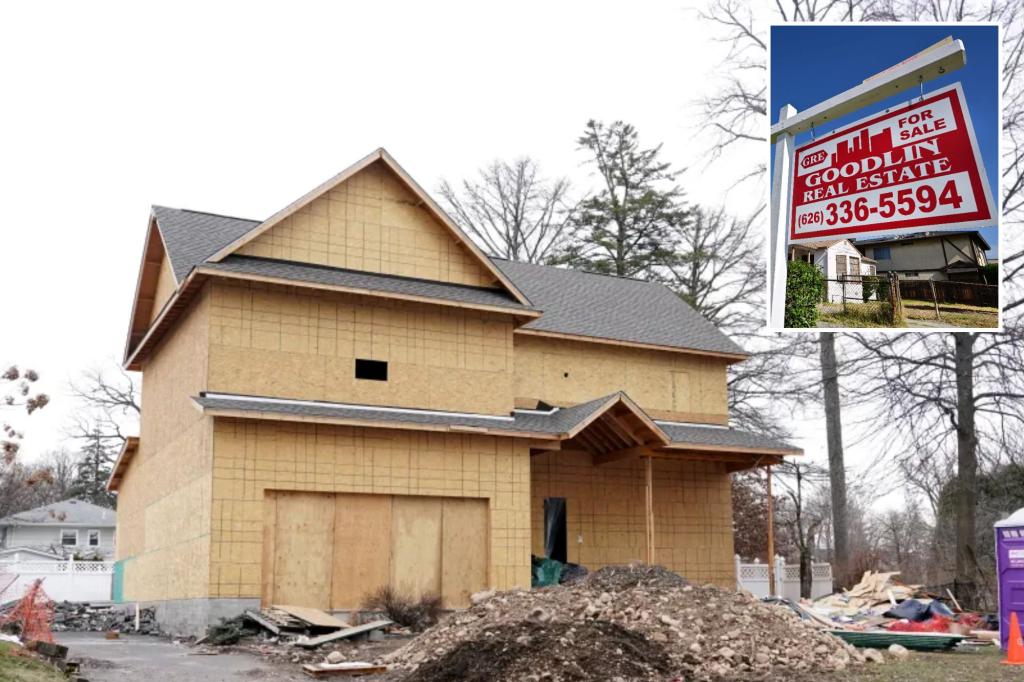
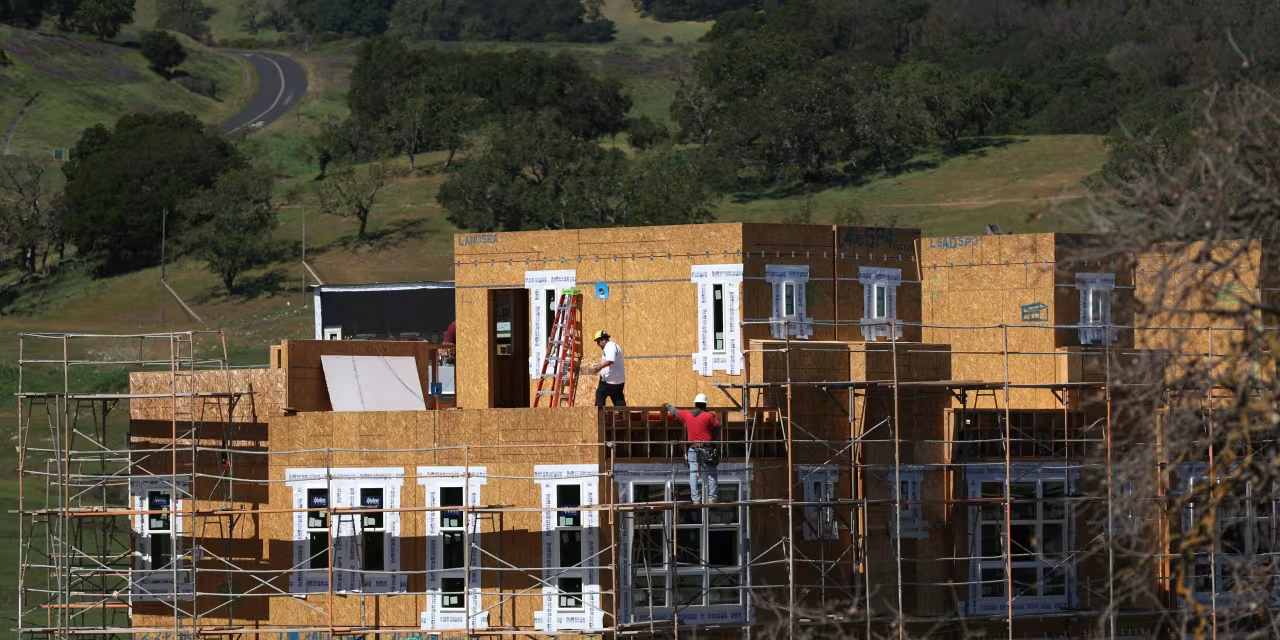
Single-family home construction in the US plunged in March, with new construction affected by a shortage of previously owned houses for sale and a resurgence in mortgage rates. The Commerce Department's report revealed a 12.4% drop in single-family housing starts, with permits for future construction also declining. The housing market's recovery appears to be losing steam, and economists are uncertain about potential rate cuts by the Federal Reserve. Overall housing starts plummeted 14.7%, the biggest drop since April 2020, indicating a setback in the housing market.
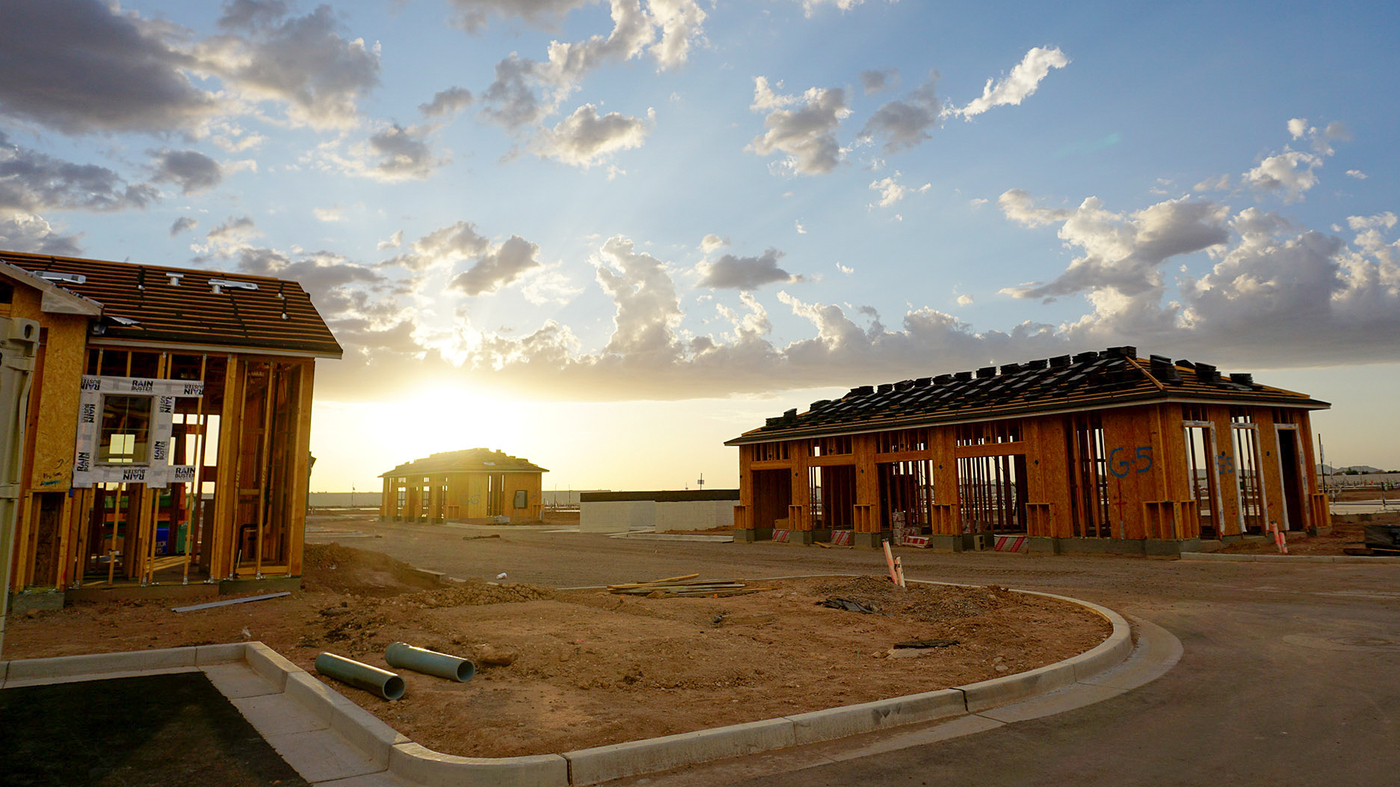
US housing starts for new home construction rebounded sharply in February, increasing by 10.7% to a 1.52 million annualized rate, the largest rise since May. This recovery comes after a period of weather-related weakness at the beginning of the year, with builders benefiting from slightly more favorable mortgage rates and a shortage of existing houses for sale.
US homebuilding experienced its largest drop since April 2020 in January, with housing starts falling by 14.8% compared to the previous month, largely due to winter storms and higher mortgage rates. Building permits also decreased by 1.5%, indicating a continuing housing shortage ahead, according to Lawrence Yun, chief economist at the National Association of Realtors.
D.R. Horton is set to report its first-quarter fiscal 2024 results, with estimates indicating a 4.4% increase in earnings per share and 5% year-over-year revenue growth. The company's homebuilding revenues are expected to have improved due to higher homes closed, but higher costs may impact margins. The Zacks model predicts an earnings beat for D.R. Horton, which currently carries a Zacks Rank #3. Other companies in the construction sector with favorable combinations for an earnings beat include Meritage Homes Corporation, THOR Industries, Inc., and Trex Company, Inc.
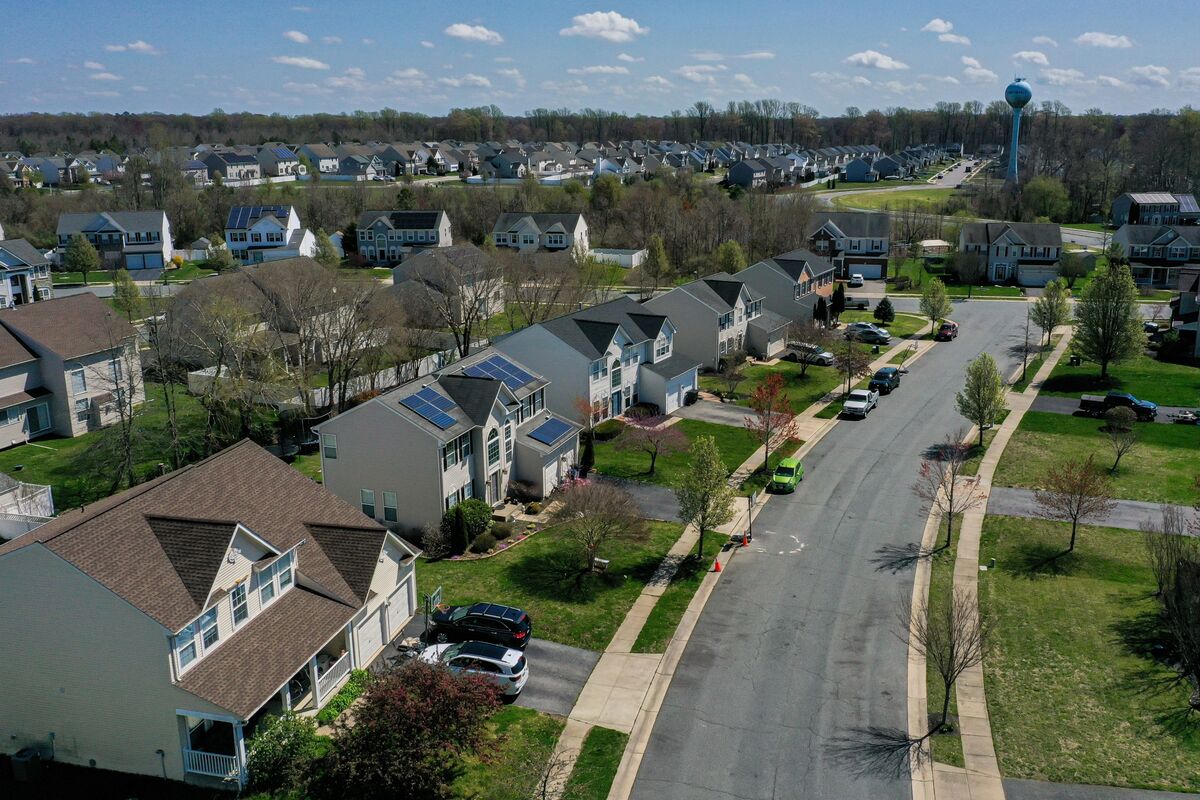
Local governments in the United States are grappling with the dilemma of whether to build homes in areas at high risk of climate-fueled disasters such as floods, wildfires, and droughts. While there is a pressing need for more housing and property tax revenue, the increasing frequency and severity of extreme weather events cannot be ignored. California, with its expensive housing and wildfire risk, is facing challenges in determining where to build. Arizona, on the other hand, is dealing with water scarcity and the need for growth. Local governments are considering limits on homebuilding, but the decisions ultimately fall to them, and there are few statewide laws addressing development in high-risk zones.
CNBC's Jim Cramer dismisses the idea of an impending recession, citing strong earnings reports from key sectors such as homebuilding, banking, and travel and leisure. He argues that the recession thesis does not hold up under scrutiny, pointing to factors like the housing shortage, the performance of airlines, and the success of top banks. Cramer suggests that these indicators demonstrate a robust economy and a consumer base with disposable income, contradicting the notion of an imminent recession.
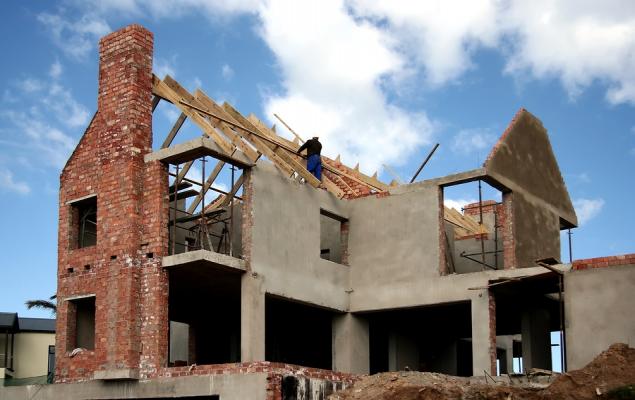
The cost of building a new single-family home in the US has risen at an unprecedented pace due to the rising cost of land, labor, and building materials, according to a report by Bank of America. The US is short of at least 1.5 million housing units, and the cost of building materials has surged by 35% since the start of the pandemic. Despite the rising costs, builders are optimistic about future sales due to strong demand for new homes and low inventory. The biggest and most expensive component of a typical single-family home is framing lumber and engineered wood, followed by concrete for the foundation, windows, and doors.