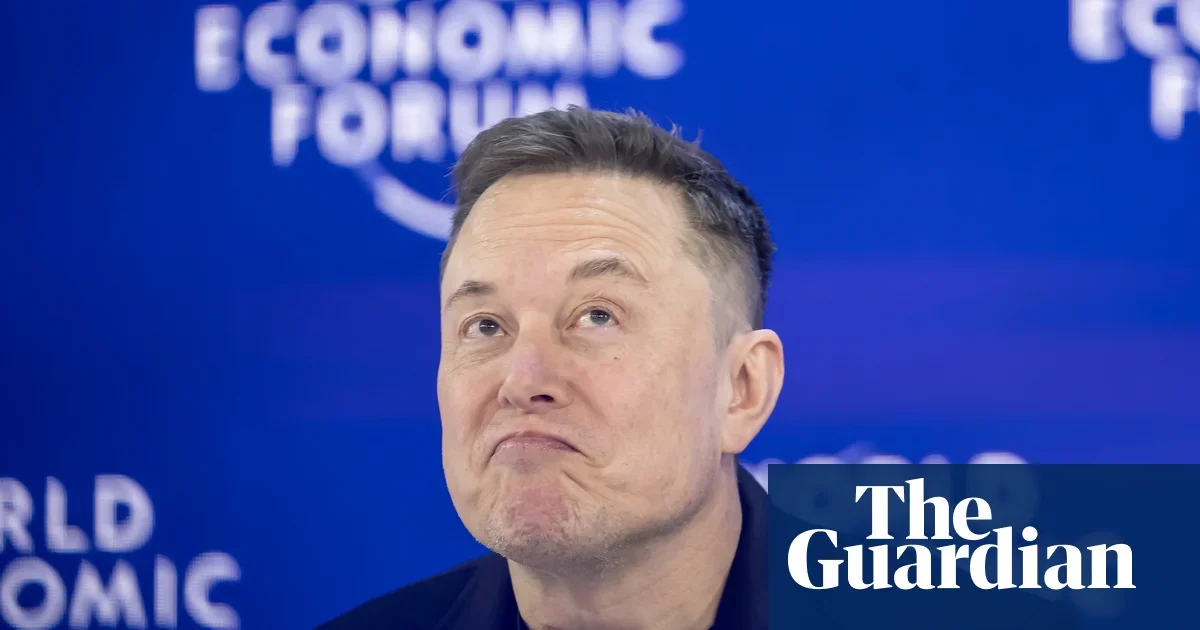
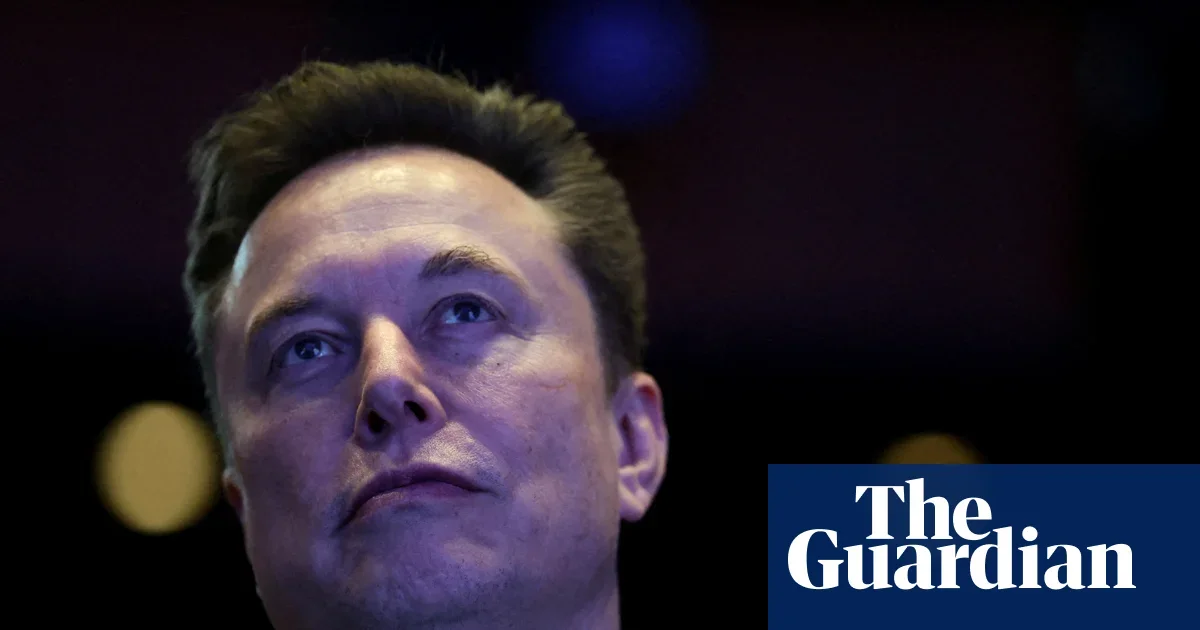
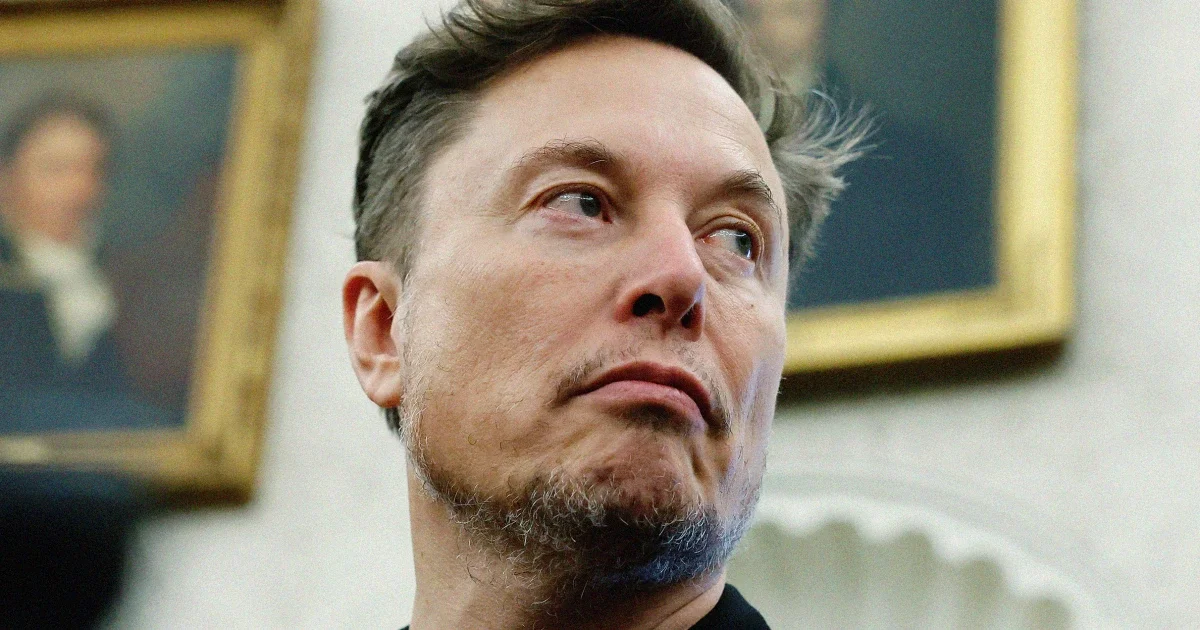
Elon Musk's Grok AI model has been partially restricted on X to limit sexual deepfakes following user backlash and regulatory pressure, while still allowing nonconsensual image manipulations on other platforms. The changes come amid increasing concerns over AI-generated nonconsensual and sexualized images, prompting government and regulatory scrutiny worldwide.
The FDA announced plans to ease regulation of digital health products, including AI-enabled clinical decision support software, to promote innovation and faster market entry, signaling a shift towards more Silicon Valley-style regulation in healthcare technology.
A leading UK AI safety expert warns that the world may not have enough time to prepare for the risks posed by rapidly advancing AI systems, emphasizing the need for urgent safety measures and better understanding of AI behaviors to prevent destabilization of security and economy.
Despite global challenges in 2025 such as conflicts and climate issues, significant progress was made in areas like reducing China's carbon emissions, surging EV sales, renewable energy adoption, conservation efforts, and medical advancements including regenerative heart treatments and AI-driven healthcare, offering a more hopeful outlook for 2026.
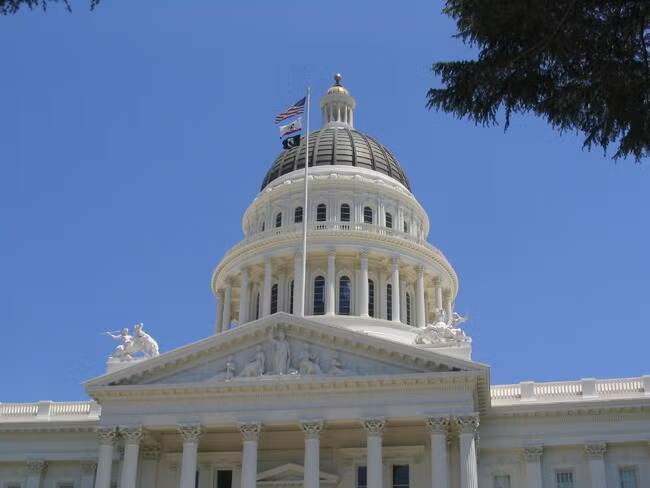
In 2026, California will implement over 500 new laws impacting various sectors including immigration protections, child welfare, mental health, criminal and civil law, court procedures, traffic enforcement, and AI regulation, aimed at enhancing fairness, accessibility, and safety across the state.
China is proposing strict new regulations for AI to safeguard children, prevent harmful content, and address mental health risks associated with chatbots, marking a significant step in AI governance amid growing global concerns.
China's cyber regulator has proposed draft rules to regulate AI services that simulate human personalities and engage users emotionally, emphasizing safety, ethical standards, and user protection measures, including warnings against addiction and content restrictions.
China has proposed draft rules to regulate human-like AI systems, emphasizing transparency, security, and ethical standards, including informing users when they interact with AI and conducting security assessments for significant AI features, with public consultation open until January 25.
The article contrasts China's strict AI controls with the United States' more open, free-market approach to technology regulation, highlighting differing governmental strategies in managing artificial intelligence development.
Starting January 1, 2026, Texas will implement over 30 new laws covering areas such as AI regulation, natural disaster tax adjustments, oil and gas well revivals, immigration enforcement cooperation, and education property tax protections, reflecting significant legislative activity under Governor Greg Abbott.
President Trump's AI czar, David Sacks, has issued an executive order to block state AI regulations, causing controversy within the tech industry and Congress, as it undermines efforts for a unified federal AI policy and sparks political and legal conflicts.
New York Governor Kathy Hochul signed the RAISE Act into law, establishing comprehensive safety regulations for advanced AI models, including incident reporting, risk assessments, and penalties, positioning New York as a leader in AI regulation amid federal delays.
Starting January 1, Texas will implement over 30 new laws including mandates for sheriffs to cooperate with ICE, age verification for app downloads, tax exemptions for inventory, faster eviction processes for squatters, and comprehensive AI regulation, reflecting significant policy changes from the recent legislative sessions.
The UK government plans to ban 'nudification' AI apps that create realistic images of people without clothes, as part of efforts to combat misogyny and protect women and children online, building on existing laws against sexually explicit deepfakes and image abuse.
Joseph Gordon-Levitt criticizes the lack of regulation in AI development, highlighting ethical concerns, especially regarding children's psychological impact and synthetic intimacy, and urges for stronger public laws to prevent dark outcomes driven by competitive pressures and economic incentives in the tech industry.